GEN Z are the biggest overthinkers – with 69 per cent admitting they often spiral over everyday moments.
A poll of 2,000 adults found millennials follow close behind, with 63 per cent often overthinking things, but this drops to just 38 per cent of Boomers.
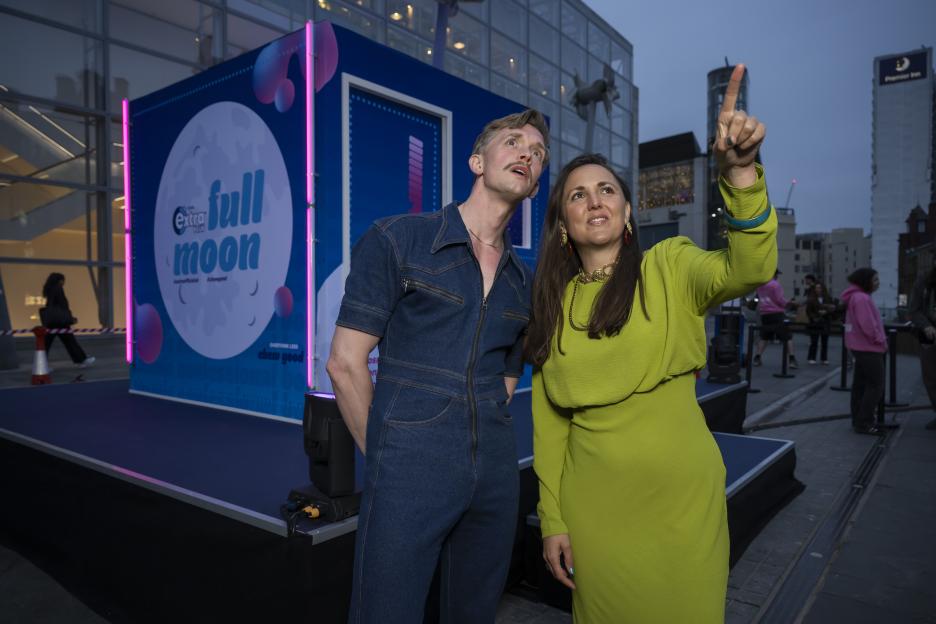 Reality TV star Stephen Libby takes to the streets of Manchester with EXTRA Credit: Anthony Devlin/PinPep
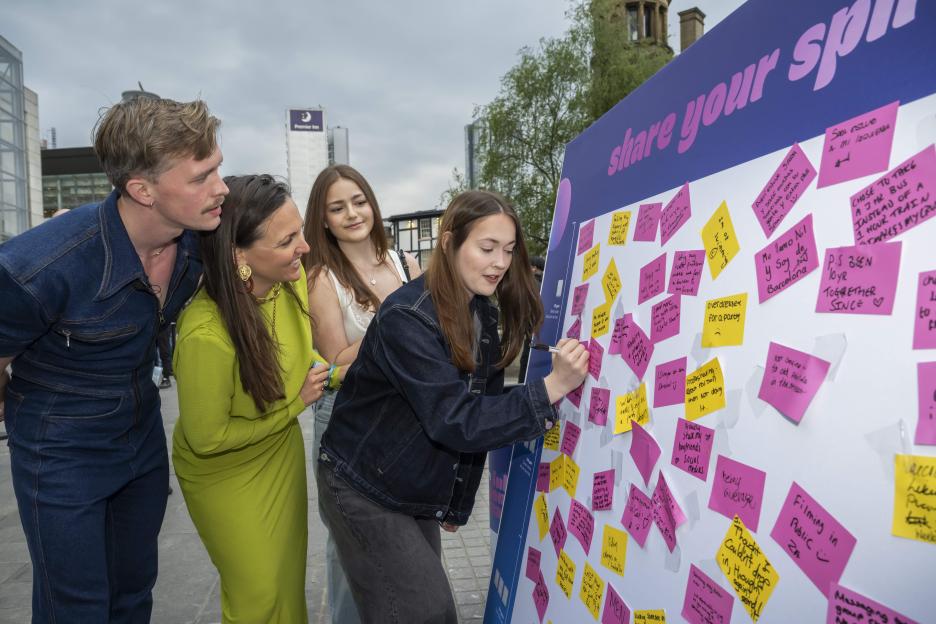 They were tasked with uncovering what gets stuck in the nation’s heads most Credit: Anthony Devlin/PinPep
While take it one step further with 28 per cent of those aged 18-29 even admitting to being a ‘chronic overthinker’ – more than any other generation, with 32 per cent going as far as to say it’s a daily occurrence.
Going back over embarrassing moments (51 per cent) is Gen Z’s most commonly overthought scenario, followed by things they didn’t say but wish they had (50 per cent), and how their text messages will be perceived (43 per cent).
While 46 per cent even fret about text messages or voice notes being left on ‘read’, along with what they post on social media (31 per cent) and accidentally liking someone else’s photo when scrolling (29 per cent).
The research was commissioned by Extra Gum, which has teamed up with reality TV star , to become its Chief Overthinking Officer and mark the launch of its new EXTRA Plus chewing gum range.
Stephen said: “I know the overthinking spiral all too well.
“I’ve been in many rooms where every look, comment or pause has been second guessed – and this research shows we’re all doing it daily.
“I’m especially guilty with texts – rewriting one message three times, hitting send, then rereading it again… and if there’s a full moon, I’m 100 per cent going back for another look.”
The study also found 81 per cent of Gen Z regularly get stuck in their own head, compared to just 68 per cent of all adults.
THE TOP SITUATIONS GEN Z OVERTHINK
- Over analysing embarrassing moments
- Things I didn’t say but wish I had
- Text message or voice note being left on ‘read’
- Worrying about how text messages I’ve sent will be perceived
- What someone meant by a short reply to a message (e.g. OK.)
- Small everyday decisions (e.g. what to wear, what to eat)
- Telling a white lie
- What I posted on social media
- Scrolling deep into someone’s Instagram and accidentally liking a photo
- A message from your boss saying, “free for a chat?”
- Is there a secret WhatsApp chat without me?
- Sending a snapchat to the wrong person
- What I said on a date
- Over analysing voice notes I’ve received
- Choosing the ‘right’ emoji
- Voice notes I’ve sent (e.g. when I was tired)
- How many haha’s to put in a group chat to something mildly funny
But social media is a key driver, with 56 per cent admitting they have deleted a post if they didn’t get ‘enough’ likes or comments within the first hour, something only 25 per cent of all Brits do.
While 65 per cent re-read texts they’ve sent, checking whether they sounded too dramatic or excessive (33 per cent), too keen (27 per cent), or not funny enough (27 per cent).
Almost nine in 10 (86 per cent) even deliberately delay replying so they don’t appear overly eager.
Voice notes offer no escape either, with 73 per cent of Gen Z having re-recorded a “casual” message multiple times to get the tone just right, compared to just 32 per cent of all adults overall.
It also emerged 82 per cent of Gen Z also replay awkward conversations from their day, compared to just 56 per cent of all Brits.
The research, carried out via OnePoll, also found some have an explanation for their overthinking behaviour – blaming it on a full moon.
More than a quarter (27 per cent) of all adults think this can impact how they think and feel, with this rising to 46 per cent of Gen Z.
With those young adults believing they are more likely to spiral or overthink (14 per cent), feel more chaotic (13 per cent), avoid making big decisions (12 per cent), and even text an ex (eight per cent) during the lunar phase.
As a result, 62 per cent of Gen Z say they’ll be more cautious about their behaviour during the two full moons, compared to just 35 per cent of Brits overall.
Ahead of the second full moon of the month on May 31st, 20 per cent of young adults are planning to be more careful about what they send, while 17 per cent will avoid sending risky texts, and 16 per cent are ready to blame the moon if things go wrong.
To mark the first full moon on 1st May, EXTRA Plus hosted a pop-up in , inviting Brits to share their overthinking confessions in .
Francesca Oddie, astrologer and the brand’s Cosmic Chaos Guide, said: “Full moons have a way of making everything feel a bit more ‘extra’ than usual, people read into things, second-guess decisions, and suddenly even a simple message feels like it means more than it does.
“With two full moons in one month, May really does feel like overthinking season, so it’s no surprise people say they’re being a bit more cautious.
“Whether you believe in it or not, it’s definitely a time when those second thoughts come out to play.”