A QUARTER of GPs say they have treated patients who have been hospitalised by fake fat jabs.
These worrying figures have prompted healthcare professionals to call for greater awareness around .
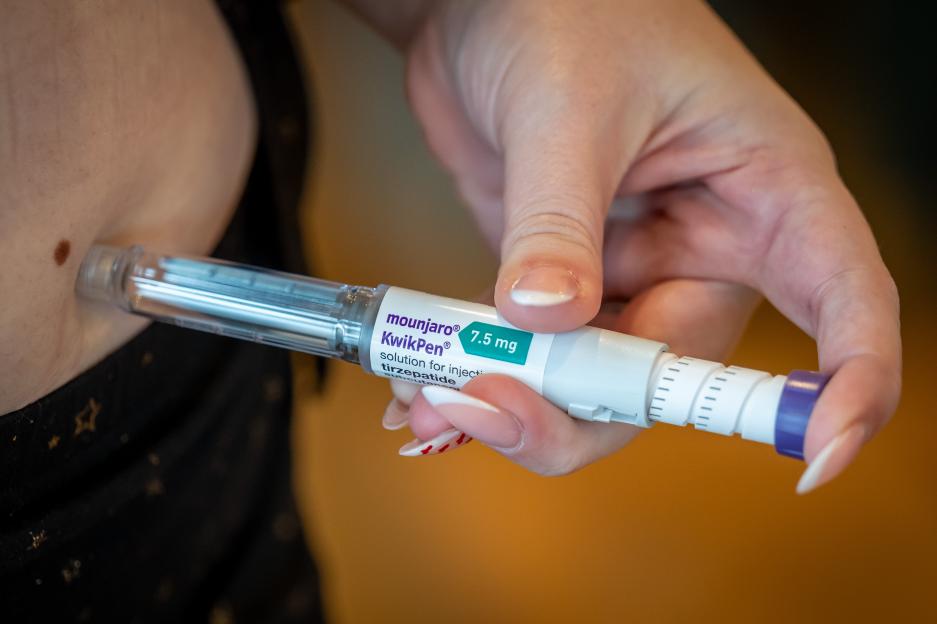 A quarter of GPs say they have treated patients that have had to go to hospital after taking fake weight loss jabs Credit: Getty
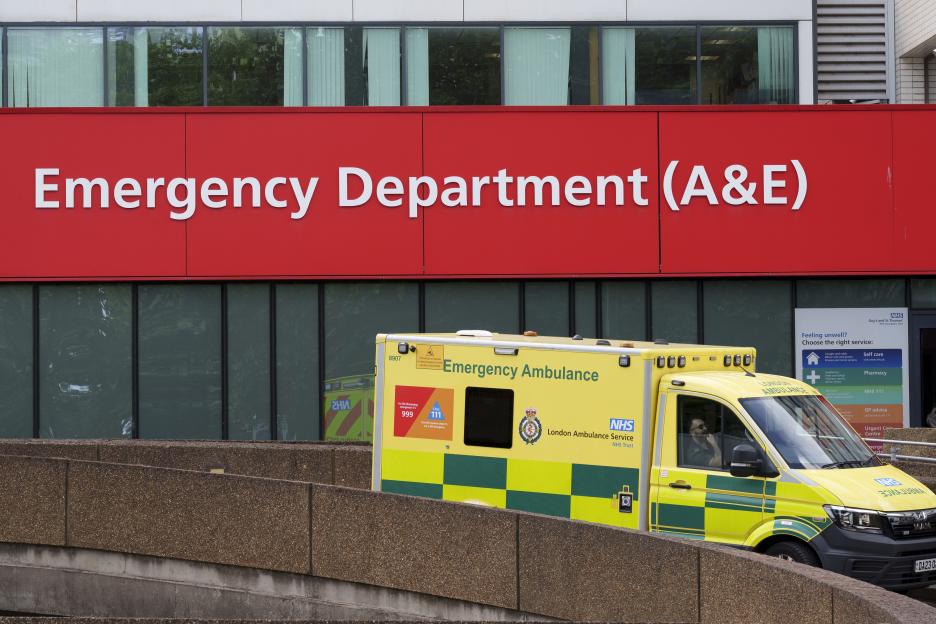 Experts say they fear Brits are at risk of falling victim to the weight loss drug black market Credit: Getty
As demand for slimming jabs like Mounjaro and Wegovy continues to grow, experts fear Brits are at risk of falling victim to the sizeable weight loss drug black market.
What’s more, concerns are especially high following the Medicines and Healthcare products Regulatory Agency’s (MHRA) of the blockbuster weight loss jab Wegovy last week.
Now, a new survey by Pharmacy has revealed that 86 per cent of GPs have seen an increase in patients being offered over the past 12 months.
One in four GPs – out of 267 surveyed – even said they have encountered patients who required hospital care following complications from fakes.
According to the survey, nearly two thirds said patients had experienced “avoidable side effects” such as severe vomiting, while more than half saw patients experiencing diarrhoea and dehydration.
More than 2.5 million Britons are thought to be using slimming , most of whom are forced to pay privately as NHS access remains limited by strict criteria.
But doctors and pharmacists are concerned that Brits could unknowingly be buying fake versions of the revolutionary drugs.
Weight loss injection scams are already an issue UK regulators are grappling with, with officers from the Criminal Enforcement Unit (CEU) of the MHRA conducting massive in recent months.
In one instance, the MHRA seized 2,000 fake fat jabs from two addresses in Lincolnshire and that were used for the “manufacture and distribution” of the drugs.
In another, North police obtained warrants to search three premises suspected of selling – dubbed the “Godzilla” of weight loss injections – earlier this month.
 Some 86 per cent of GPs have seen an increase in patients being offered fakes in the past 12 months Credit: PA
 In October 2025, the MHRA revealed it had seized thousands of unlicensed fat jabs in what was thought to be the biggest seizure worldwide Credit: MHRA
Meanwhile, commenting on the approval of the Wegovy Pill last week, Olivier Picard, Chair of the National Pharmacy Association (NPA): “Pharmacies are concerned about a growing black market for counterfeit weight loss treatments, with a tablet form of medication being potentially easier for criminals to counterfeit.”
The survey also highlighted that GPs are concerned about inconsistent and potentially unsafe dosing.
Some 45 per cent voiced their worries about inappropriate advice from non-clinical sellers.
This reinforces the importance for Brits to access weight loss support through regulated healthcare providers.
The research also indicates that some products are being purchased in non-medical settings such as gyms, beauty salons and also social media, where customers do not receive appropriate clinical guidance and the right after care.
Asda Pharmacy has now introduced a “safe disposal and support scheme”, encouraging anyone who may have purchased an unregulated product to safely dispose of it in one of its 230 pharmacies and seek professional advice, without judgement.
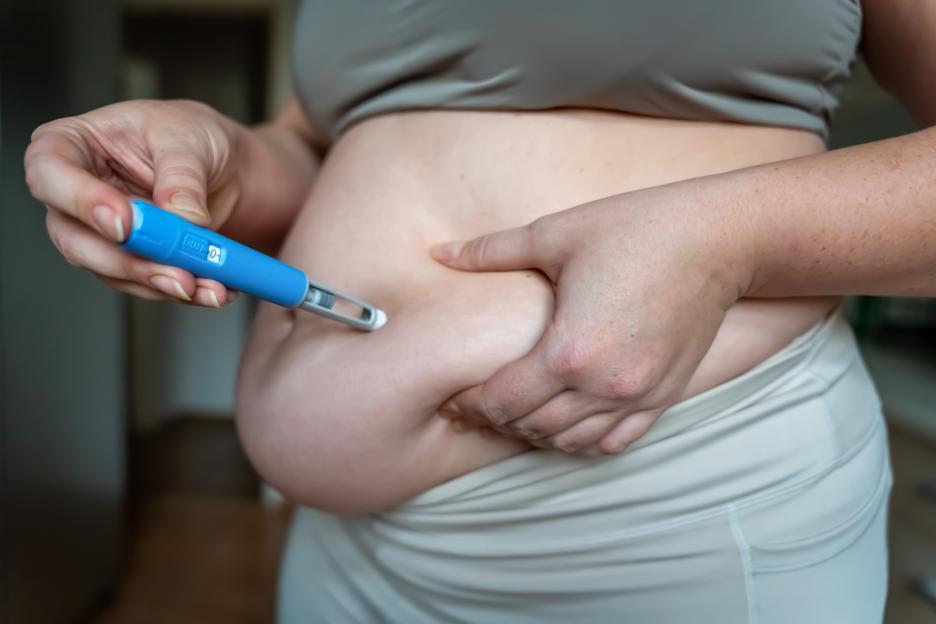 GPs say they are also concerned about inconsistent and potentially unsafe dosing of weight loss jabs Credit: Getty
 The 4 red flag signs your Wegovy pill is fake
With demand for the newly approved Wegovy Pill incredibly high, experts have shared key red flag signs to spot which may indicate if you’re .
1. Spell check
Have a good look at the packaging, experts say.
Dr Leyla Hannbeck, chief executive of the Independent Pharmacies Association, said: “These fake products may look real but on closer look, many lack the information on their packaging that are required by a regulated product.”
Dr Donald Grant, and senior clinical advisor at The Independent Pharmacy, added: “Packaging with spelling mistakes, poor-quality printing or missing patient leaflet information are all common indications that the medication may be fake.”
2. Cheap thrills
Once they go on sale, Wegovy pills are set to be cheaper than the jabs – with US pricing indicating they might sell for £148, working out to £5 a day. But bargains or heavy discounts should still ring alarm bells.
“Patients should be wary of prices for GLP-1 medications that are too good to be true,” Olivier Picard, Chair of the National Pharmacy Association (NPA), said.
And don’t fall for suppliers that “accept payment in currencies such as “, he added.
Make sure you check the market value of your pills by looking at what other providers are selling them for.
3. Checked out
“Any sales that are made without a prescription and two way consultation with a clinician” can also indicate that your pills are dodgy Mr Picard adds.
A thorough consultation process is “required by to ensure only those who genuinely need the medication can access it”, according to Dr Grant.
Legit providers will ask about your medical , current medications and suitability — even if the process is online.
When taking weight loss treatments, it’s important to get ongoing clinical support from a qualified healthcare professional, to ensure you’re making the most of your treatment and that you get access to vital information and support when you need it.
4. Social sales
“Patients should be wary of sellers on social media or marketplaces, as prescription-only medications should never be sold via these routes,” Dr Grant said.
“If a patient is concerned about any medication they have bought online, they should speak to their local pharmacy,” Olivier noted.
You can also speak to your GP – but whatever you do, don’t take them.
Faisal Tuddy, Head of Asda Pharmacy, said: “We know lots of our customers are looking for help managing their weight, and it’s really important they feel confident they’re getting safe, trusted support.
“At Asda Pharmacy, we’re here to make that journey simpler – offering friendly, professional advice and clinically appropriate options that are tailored to each individual, with support every step of the way.”
He added: “If anyone is unsure about something they’ve bought, we’d always encourage them to pop in and have a chat with a pharmacist.
“Our new service is all about giving customers peace of mind – helping them feel supported, informed and able to make safer choices, without any judgement.”