ONE hundred beavers are set to be released across the UK in 2026 as part of a major reintroduction.
The humble beaver went extinct in the UK by the 16th century due to hunting.
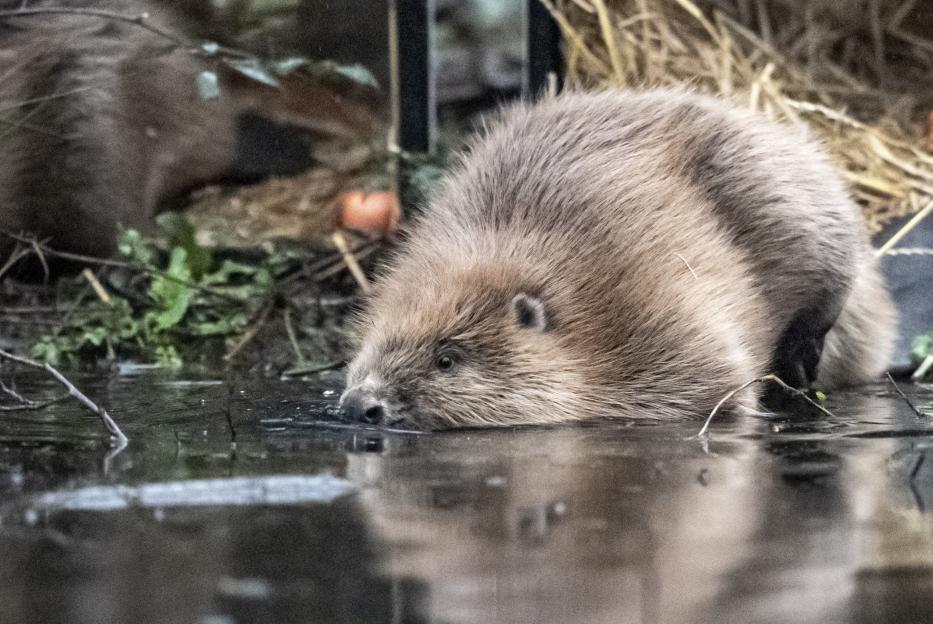 Wild beavers were recently released into a pond in woodland in Somerset in February 2026Credit: PA
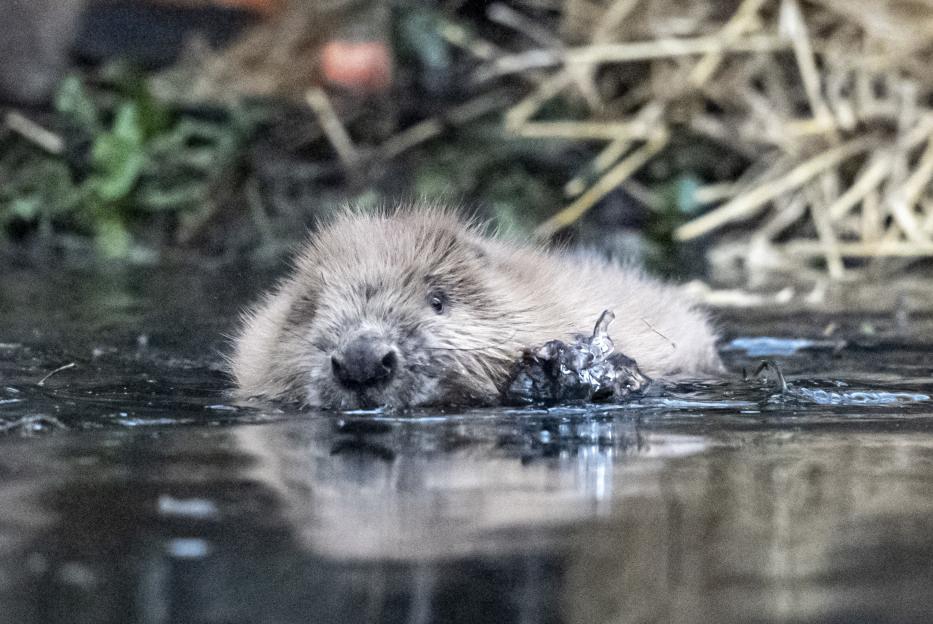 The beavers are now living in the wet woodland nature reserve at the Holnicote EstateCredit: PA
But a collection of projects aims to bring as many as 100 beavers back to the UK, according to the Natural History Museum.
Some beavers from as far back as 2009.
However, they were only able to be introduced into enclosures, or small areas that were closely monitored.
But early last year, the UK Government changed the rules to allow beavers to be legally released into the wild – including .
It’s now possible for organisations to apply for licenses from Natural to release beavers beyond just enclosed sites.
But they’ll have to abide by rules, including demonstrating that it’ll provide “clear environmental benefits“, like boosting biodiversity and managing flooding.
Beavers were given legal protections as a “native species” back in 2022.
The first wild release of beavers in England took place last year on the Purbeck Estate down in , which belongs to the .
And a spate of releases are planned for 2026 by various trusts that make up The Wildlife Trusts.
“This wild beaver release has gone through the formal application process and, in doing so, it paves the way for more to follow,” said Dr Rob Stoneman of the Wildlife Trusts, speaking to the Natural History Museum.
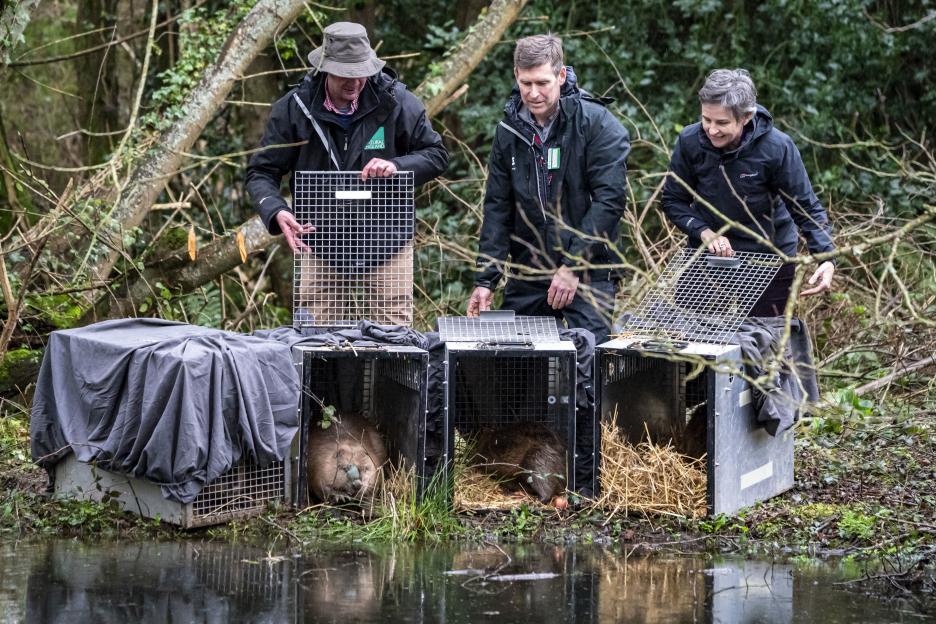 The Somerset release is expected to be followed by many more throughout 2026Credit: PA
“It signals a major step forward following many years of The Wildlife Trusts and others making the case for the return of this wonderful, keystone species that can do so much to benefit society.
“If other applications go to plan, Wildlife Trusts hope to be able to release around 100 beavers into seven rivers this year.”
As many as nine projects across , , Dorset, , the and have been invited to apply for release licenses.
And as many as 21 projects are being developed, which could see beavers released into the Humber, the Severn, and even the Thames.
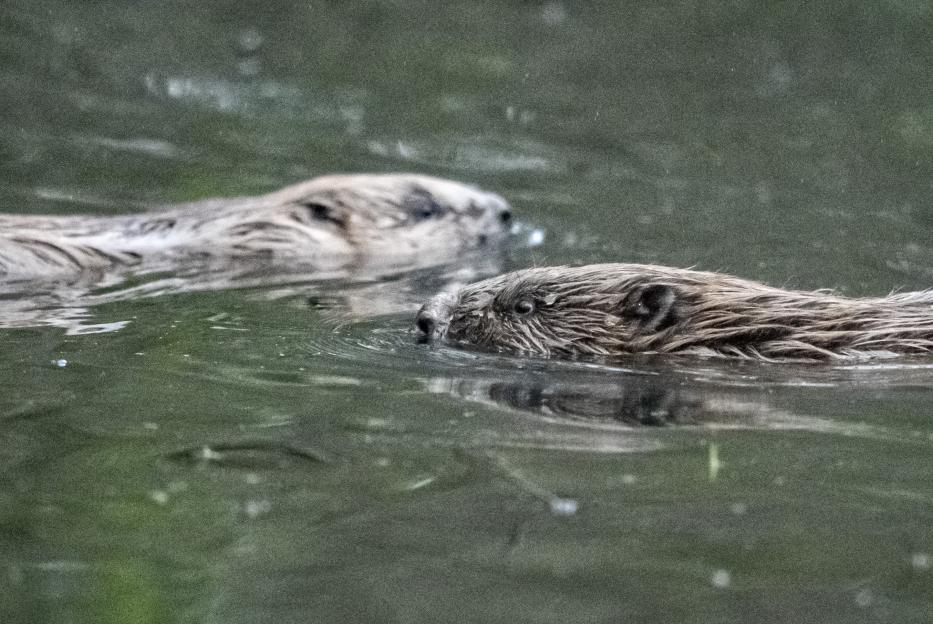 Wild beavers went extinct in the UK hundreds of years agoCredit: PA
The beaver has been extinct in the UK for hundreds of years.
Latest beaver records for date to the 1100s, with the species largely disappearing in England in the 1300s.
And records of beaver sightings in run up to the 1500s.
Beavers were relentlessly over-hunted for their fur, as well as castoreum, the oil from their scent glands, which had medicinal use.
BEAVERS IN THE UK
Here's what you need to know
- Beavers are native to Britain but were wiped out in the 16th century by hunters
- The species is completely vegetarian and does not eat fish
- Prior to reintroduction, a wild colony of beavers was living in Scotland, and is believed to have escaped or have been released illegally
- Conservationists are currently planning managed reintroductions of beavers across the UK. Several releases have taken place already at enclosures or closely monitored sites
- They hope beavers will provide environmental benefits, including alleviating flood risk
- It’s also hoped beavers will improve water quality, create habitats for other wildlife, and boost nature-based tourism
- Eurasian Beavers are listed as ‘Least Concern’ on the IUCN Red List due to widespread recovery across Europe
- The species remains extinct in Portugal, Moldova and Turkey
- The Eurasian Beaver is one of the largest living rodent species, with a head-to-body length of 80-100cm (31-39 inches)
But the reintroduction projects will help to make beavers a part of the UK once again.
“Beavers bring extraordinary benefits to our natural landscapes,” said Mary Creagh, the government’s Nature Minister, speaking to the Natural History Museum.
“They create havens for other wildlife, help reduce the impact of flood and droughts, and improve water quality in our rivers.
“The return of beavers is a vital part of this government’s mission to protect and restore nature. I look forward to these projects getting going.”
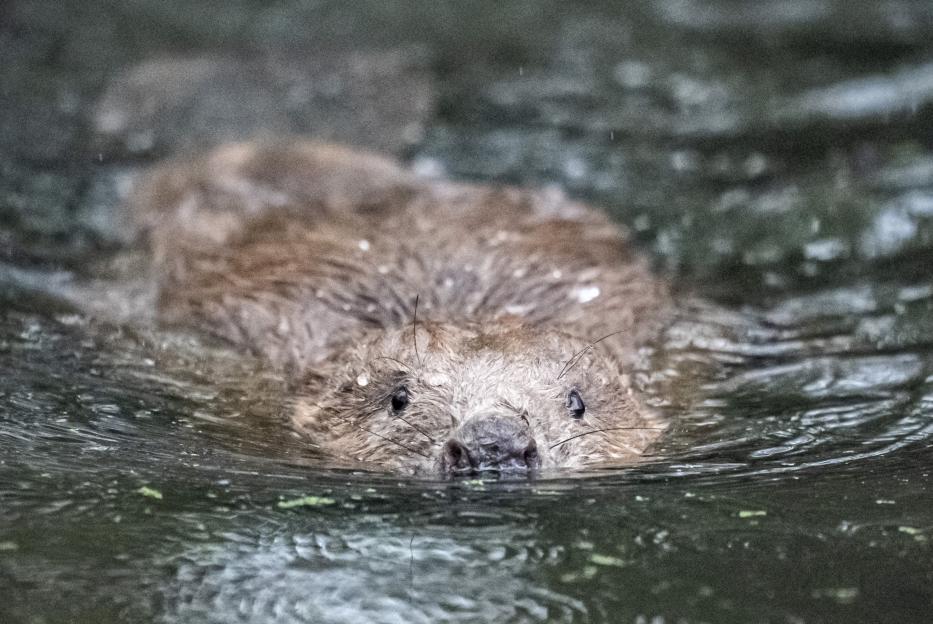 Wild beavers are believed to be an environmental benefit – and are now classed as a native species in the UKCredit: PA