ARTEMIS II astronauts are set to return to Earth on Friday evening, but their work won’t be over just yet.
The team are set to deal with all sorts of impacts on their health as a result of their 10-day space mission – from loss of muscle mass to extreme nausea.
 The Artemis II crew will need to spend months reacclimatizing to Earth. Pictured: Reid WisemanCredit: Getty
It comes as Reid Wiseman, Victor Glover and Christina Koch and Jeremy Hansen are approaching one of the most dangerous points of their journey – their re-entry into Earth’s atmosphere.
The undertaking will see them hit 25,000 miles an hour as they tear back through the Earth’s atmosphere.
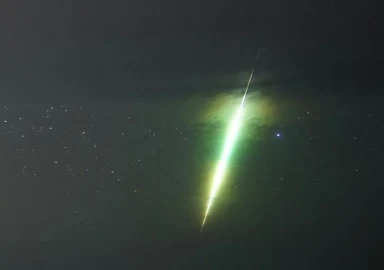
To make it home safely, their spacecraft – Orion – will have to endure temperatures of 5,000 degrees Fahrenheit.
The Orion is scheduled to splashdown at 8:07 EST off the coast of San Diego.
The Artemis II crew has flown more than 252,756 miles from Earth – the furthest ever accomplished.
Once they land, the crew will be assessed by US Navy medical personnel.
 The team will hit 25,000 miles an hour today. Pictured: Christina Koch.Credit: Getty
They will land on an inflatable “porch” and put on “Astronaut Recovery Vests.”
They will then be taken up onto HSC-23 helicopters and delivered to the USS John P. Murtha, a transport dock ship, where they will receive a medical check-up before heading back to Houston.
Returning astronauts face huge health challenges
After spending so long in microgravity, astronauts will often find their inner-ear balance is off.
The NASA SpaceX Crew-7 mission tried to walk with their eyes closed and open as one of their first health tests and struggled.
 Orion will have to endure temperatures of 5,000 degrees Fahrenheit. Pictured: Victor GloverCredit: Getty
Jasmin Moghbeli said her walking was like a “nice little tap dance.”
“I felt wobbly for the first two days,” she said. “My neck was very tired from holding up my head.”
“With eyes closed, it was almost impossible to walk in a straight line,” Andreas Mogensen said.
They also reported feeling extreme nausea.
Don Pettit said he “[emptied] the contents of my stomach onto the steppes of Kazakhstan” after spending 220 days on the International Space Station.
Due to the low gravity, muscle and bone mass drops due to the lack of exertion needed to move.
 The team will be landing in the water this morning. Pictured: Jeremy HansenCredit: Getty
Neck, back, calf and quadricep muscles are most affected as they are used to maintain posture, explained the BBC .
After two weeks, muscle mass can fall by up to 20%. Around 1-2% of bone mass is lost every month in space.
The Artemis II crew will have been in space for 10 days.
And due to the spine elongating slightly while in space, astronauts will find themselves slightly taller once they come back home.
However, the changes can also cause back pain and slipped discs.
To make up for the impact on their bodies, astronauts will exercise for hours a day.
The body usually readjusts after a few months of returning back to Earth.
 The Artemis II crew will have been in space for 10 daysCredit: Reuters
 The Orion should be landing at 8:07 EST after its mission to the moonCredit: Getty