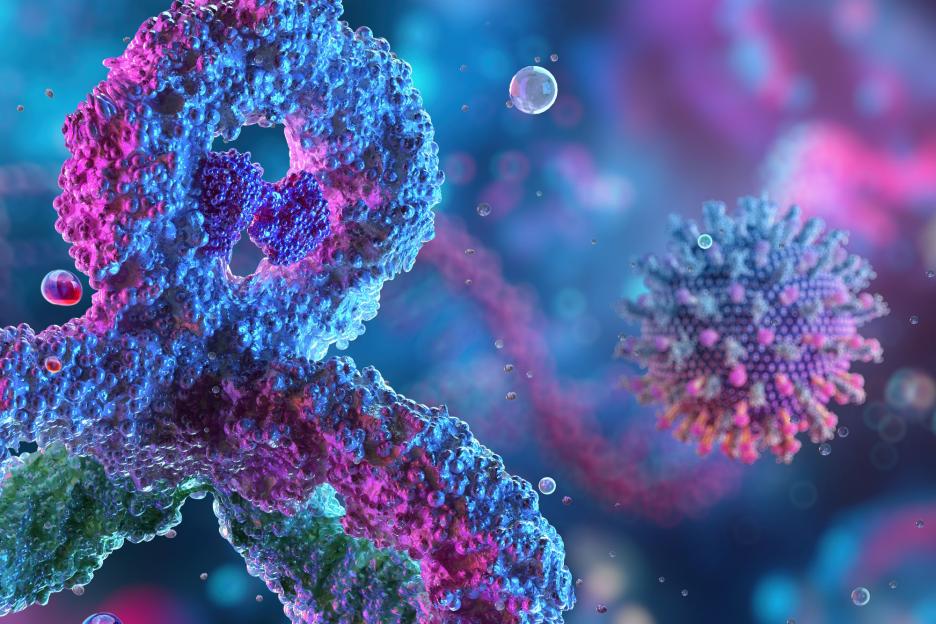
AN AI bot has designed over a dozen completely new viruses from scratch sparking major biosecurity concerns.
Researchers at Stanford University have created 16 novel viruses entirely designed by AI – in a world-first breakthrough revealed in a study published Thursday.
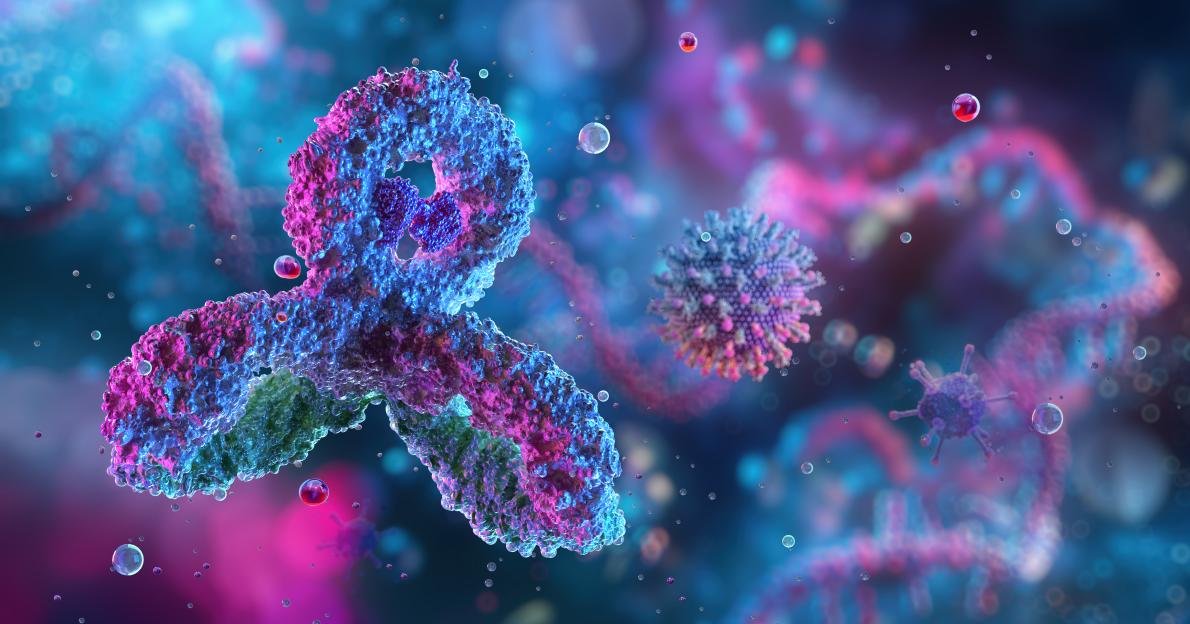 AI has designed 16 new viruses in a world first Credit: Getty
 The research was conducted by Stanford University in California Credit: Getty
Trained on genetic codes from viruses, bacteria, , and humans, the AI models – named Evo1 and Evo2 – were tasked with generating a type of virus known as a bacteriophage.
After creating some 700,000 potential designs researchers picked the most promising 302 and synthesised them in the lab.
Of these, 16 proved effective at killing E. coli bacteria.
Experts have warned these AI-designed viruses raise “urgent” safety and security concerns if the technology were to land in the hands of nefarious actors.
If AI models are successfully able to design completely new biological entities from scratch, what is to say that same technology can’t be used to make powerful bioweapons, they argue.
In a commentary accompanying the publication in the journal , Dr Thomas Inglesby and Dr Moritz Hanke from the Center for Security at Johns Hopkins University said the findings raise “urgent biosafety and biosecurity questions”.
They said it was no longer a question of “whether generative viral genome design will exist” but whether it can be used without “enabling serious harm”.
New viruses with the potential to cause disease “should not be pursued”, they argued.
The Californian researchers say they took steps to maximise safety – like excluding viruses that could infect complex organisms from the training database and ensuring a secure laboratory.
On the other hand, more optimistic experts say the breakthrough could unlock a whole new era for treating disease.
Samuel King, a PhD student in the lab argues this has the potential to “massively improve human health” by developing new and therapies.
Developing new bacteriophage could lead to new ways of treating infections that have become resistant to antibiotics.
Proponents say the discovery highlights AI’s ability to design new biology that goes beyond the natural world – what is known as synthetic biology.
While this may be true, others have concerns about the incongruous relationship between regulation and the speed at which AI technology is developing.
The researchers have made the Evo 2 AI model openly and freely available for everyone to download and use, which has raised safety concerns.
Currently, no universal framework regulates these datasets, and while some developers voluntarily exclude high-risk data, researchers argue that clear and consistent rules should apply to all.
It comes as an and hack into another company in a “unprecedented cyber incident”.
‘s creators admitted its hacked into Hugging Face’s servers, in an autonomous, first-of-its-kind breach in July.
CEO Sam Altman said in a statement posted on social media: “We had a significant security incident during evaluation of our models.”
The incident raised questions about the future dangers and capabilities of AI models.