
"8 Signs Your Neighbors Might Be Breaking the Law (Including That 'Big Light' Trick) - Plus, How to Handle It!"
LOVE thy neighbour, so the commandment goes, but for many Brits there is little love lost between them and those who live next-door. But there’s a fine line bet...
 Written byEze Chidiebere Paul
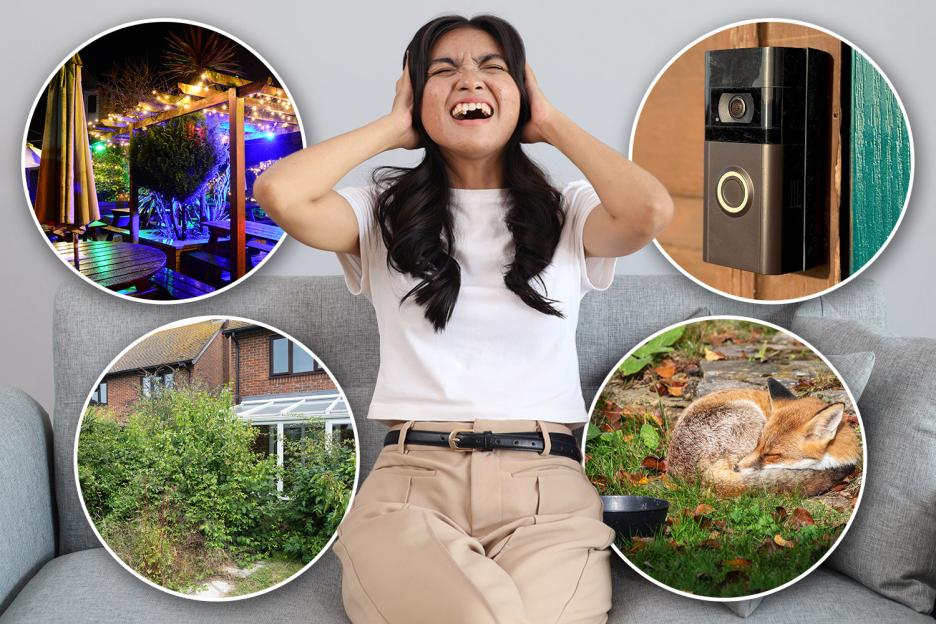
LOVE thy neighbour, so the commandment goes, but for many Brits there is little love lost between them and those who live next-door.
But there’s a fine line between a neighbour being a bit annoying and actually breaking the .
 One in every three Brits have argued with a neighbour, research has found Credit: Getty
 Here, we reveal the eight ways your neighbour could actually be acting UNLAWFULLY Credit: Getty
A survey by found one in every three Brits have argued with a neighbour and law firms often see a spike in disputes between June and September as the warm weather and holidays entices people to open their windows and enjoy their gardens.
Here, Lynsey Clarke reveals eight ways your neighbour could be acting unlawfully and asks top lawyer Joanne Ellis to explain when and why a dispute can unfold.
THEIR RING DOORBELL IS BADLY PLACED
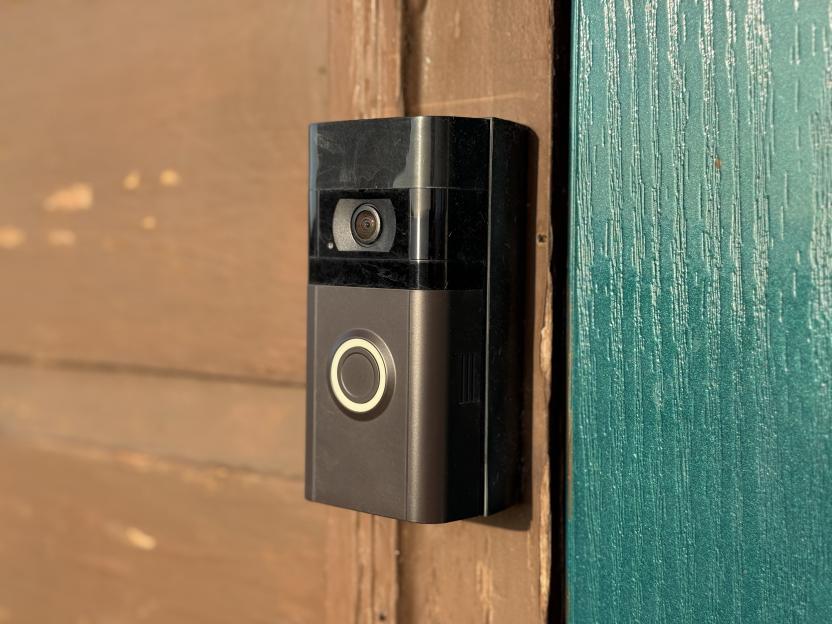 If your neighbour’s doorbell camera points toward your driveway, there could be a legal issue Credit: Getty
AROUND one in five in the UK now have either a or CCTV but if points towards your garden driveway or shared spaces, there could be an issue.
Joanne Ellis, who is a partner and dispute resolution specialist at Stephensons, says: “The legal position depends on exactly what is recorded, whether audio is captured, and how the footage is used. If cameras record beyond the boundary of the homeowner’s property, data protection law is likely to apply, and they may need to show that the recording is necessary, proportionate and handled responsibly.”
Joanne cites a 2021 County Court case, Fairhurst v Woodward, where a resident was found to have breached data protection principles through the use of domestic cameras and audio recording. However, County Court decisions are not binding on other .
She says most cases are settled by moving the camera angle, disabling audio or using privacy settings.
THEIR PLANTS ARE OVERGROWN
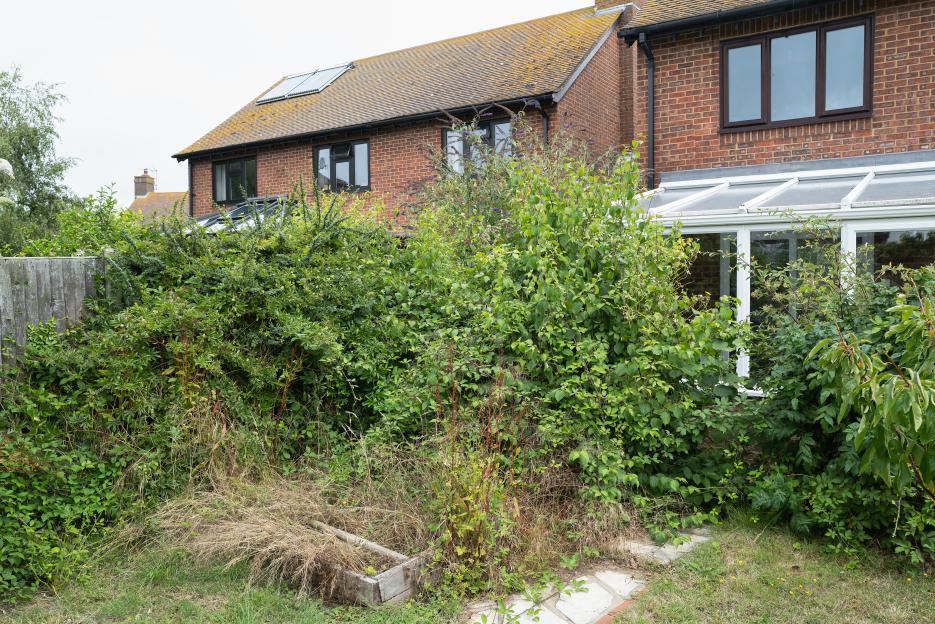 A complaint may be possible where the hedge is made up of two or more trees or shrubs Credit: Getty
MORE than half of Brits have had , according to a survey by Saga . Often, this is around the height of hedges.
Joanne says: “In England and Wales, there is no absolute legal maximum height for a hedge, but Part 8 of the Anti-social Behaviour Act 2003 creates a specific regime for high hedges.
“Broadly, a complaint may be possible where the hedge is made up of two or more trees or shrubs, is mostly evergreen or semi-evergreen, is more than 2 metres high, and is affecting the neighbour’s reasonable enjoyment of their property.”
Joanne explains that a local authority can investigate and a remedial notice requiring the height to be reduced can be served.
However, councils have discretion and are not obliged to take enforcement action in every case. Neighbours are expected to try to resolve matters.
THEY ERECTED A PERGOLA
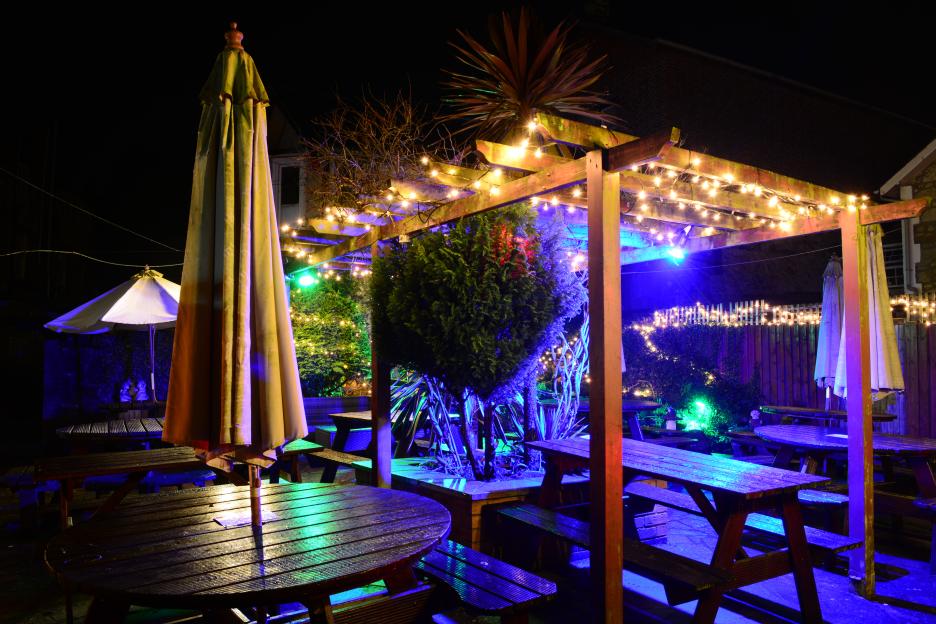 A pergola covered in fairy lights can an eyesore for a neighbour Credit: Getty
A PERGOLA, complete with fairy lights and rambling roses seems like a lovely addition to a garden, but maybe not if it’s
Joanne says homeowners should check the planning position in their area before work starts. Councils have been known to ask for pergolas to be removed.
“If a council requires a pergola to be removed, it is most likely because it falls outside permitted development rules or breaches local planning requirements, for example because of its height, position or impact on neighbours,” says Joanne.
She adds that each local authority may approach the issues differently and there may also be restrictive covenants on the property which prevent certain structures being placed on the land, particularly on new-build estates.
THEY FEED FOXES AND OTHER WILDLIFE
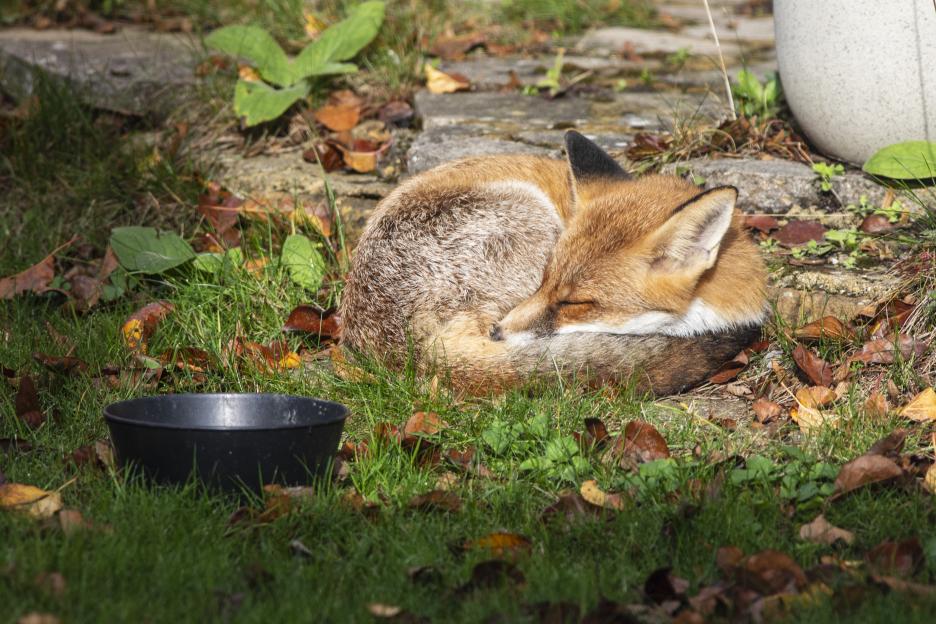 Feeding local wildlife, such as foxes, can become a problem if attracts vermin and creates hygiene issues Credit: Getty
If you are worried about the impact of a local Dr Doolittle who loves to feed the local wildlife, Joanne says contact the local authority.
She says: “Feeding wildlife is not automatically unlawful, but problems can arise if it causes a persistent nuisance, attracts vermin or creates hygiene issues for neighbours.
“The issue is usually less about feeding foxes or other animals in itself, and more about the knock-on impact on neighbours. If rats or other pests are being attracted, or if waste food is being left out regularly, the local authority may be the right first point of contact because it can investigate nuisance or pest-control issues.”
Joanne adds that the first step should always be to speak to the neighbour where it’s safe and sensible to do so.
THEY FLY DRONES ABOVE YOUR GARDEN
 Drone users need to comply with safety rules and may run into data protection issues if they’re fitted with a camera Credit: Getty
YOUR neighbour’s kid is experimenting with their new , right over your garden?
Joanne says: “Drones are not illegal, but they can cause friction between neighbours if they are flown irresponsibly or appear to be recording private areas such as gardens or windows.
“Drone users need to comply with aviation and safety rules, and if the drone is fitted with a camera or listening device, privacy and data protection issues may also arise in a similar way to CCTV. There may also be property-specific restrictions, such as restrictive covenants, depending on the deeds or estate rules.
“In practical terms, operators should avoid hovering close to neighbouring homes, should be clear about whether they are recording, and should respect the privacy of people who are entitled to enjoy their home and garden without unnecessary intrusion.”
THEY ASK NEIGHBOURS TO ‘HELP YOURSELF‘
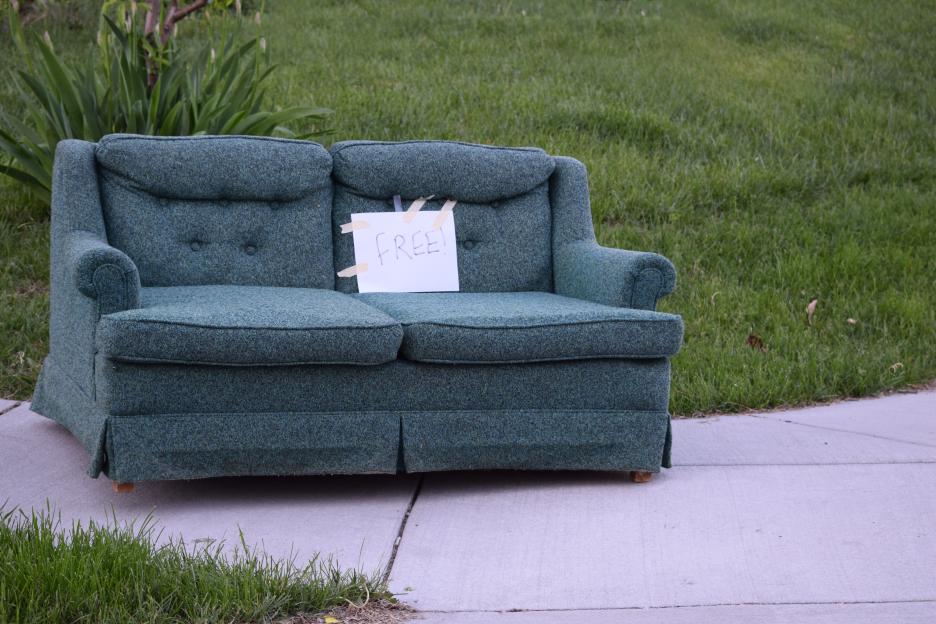 If the unwanted furniture is left on the road or pavement, it could be viewed as fly-tipping Credit: Getty
IN MANY neighbourhoods in the UK it is common for households to leave unwanted furniture on the street with a ‘free’ sign so passersby can take it.
Joanne says: “Leaving unwanted furniture outside with a ‘help yourself’ approach might seem harmless, but where the items are left matters. If they are left on the owner’s property, there may not be a legal issue, although it can still annoy neighbours or breach estate or lease rules. If items are left on someone else’s land without permission, that could amount to trespass.
“If they are left on the road, pavement or other local authority land, it is likely to be treated as waste and could be viewed as fly-tipping. What starts as an attempt to rehome furniture can therefore become a problem if it obstructs others or leaves the council to clear it up.”
THEY INSTALLED A LARGE TV ON PARTY WALL
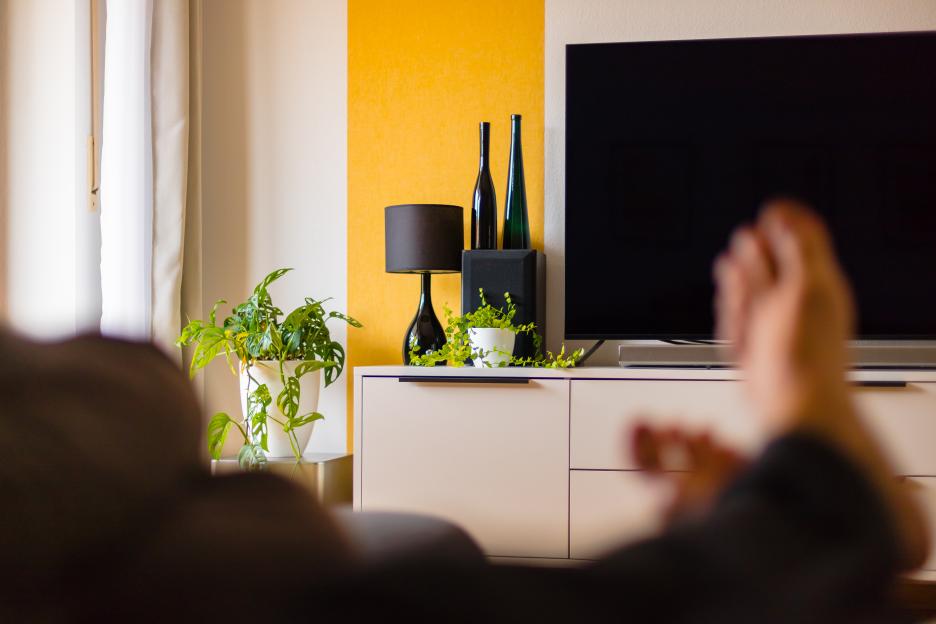 Installing a TV on a wall between two terraced houses can raise issues Credit: Getty
A is the wall between two semi-detached or terraced houses and structural alterations can raise issues under The Party Wall Act.
While a mounted on a party wall is not usually a legal issue, it can become problematic in certain circumstances.
Joanne says: “The concern is more likely to be noise transmission, vibration or whether the installation involved works to the wall that are more than superficial.
“The Party Wall Act is quite prescribed and generally speaking will only assist where something structural is happening to the party wall, party structure or nearby foundations. “Deep chasing for wires, structural alterations or work that reduces the thickness or performance of the wall could raise issues.”
However, Joanne explains that the works may have been completed before an injunction could be obtained so then the dispute becomes a damages claim instead.
THEY PUT THE BIG LIGHT ON
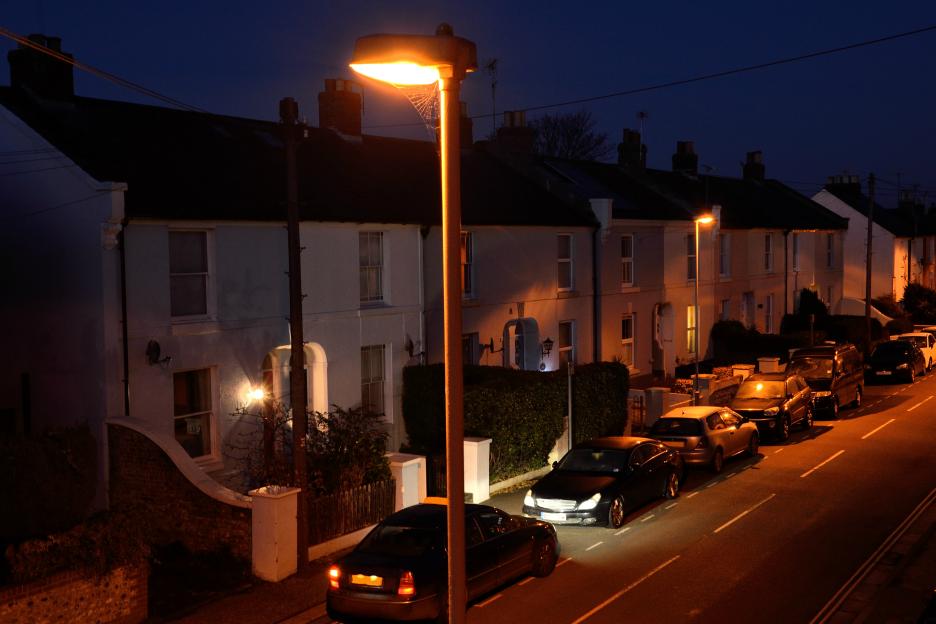 Artificial light can amount to a statutory nuisance if it unreasonably interferes with a neighbour Credit: Getty
JUST as you’re nodding off to , you’re awoken by the flash of a fluorescent light outside? Joanne says: “Security lights can be useful, but if they are excessively bright, badly angled or left on for long periods, they can become a real source of frustration.
“In some cases, artificial light can amount to a statutory nuisance if it unreasonably and substantially interferes with a neighbour’s use or enjoyment of their home, although these cases can be difficult to prove. There may also be planning issues or restrictive covenants, depending on the property.”
The most practical solution, Joanne says, is to ask the neighbour to adjust the direction, brightness, sensor or timer.
Continue reading

Autumnal M&S collarless jacket fans say is ‘perfect’ fit slashed from £50 to just £26 – it’s a new season must-have
M&S shoppers are snapping up a popular autumn jacket reduced from £50 to £26 in the sale. The Collarless Jacket is a staple for any work-wear wardrobe, with its...

Horoscope today, September 16, 2026: Daily star sign guide from Mystic Meg with Maggie Hyde
THE Sun’s world famous Mystic Meg horoscope column has entertained readers for decades with predictions for their love lives, money and careers. Read on to see...

I’m a beauty editor and these are my autumn beauty swaps
THIS summer was the busiest of my life. I had so many big birthdays and weddings to attend that I couldn’t even fit in a holiday, and between it all, my beauty...

We were fined £640 for taking our kids to Disney World when school ‘was closed due to heatwave’
A COUPLE have spoken out after being slapped with a £640 fine for taking their children to Disney World during term time – despite their school being closed....