Table of Contents
- Frustration Over Services
- Electricity Supply Issues
- Telecommunications Problems
- Rising Airfares
- Consumer Protection Response
- Stakeholder Reactions
As the festive season approaches, Nigerians have voiced their frustrations regarding deteriorating electricity supply, declining telecommunications services, and sharply rising domestic airfares, adding to the cost and stress of the holiday season for millions of citizens.
With just two days left until Christmas, residents of major cities such as Abuja, Lagos, Enugu, Ibadan, and Kano report that power outages have become more frequent, mobile networks are increasingly unreliable, and air travel has become largely unaffordable.
Despite repeated assurances from regulators and government agencies, service delivery in these critical sectors has shown little improvement.
In the electricity and telecommunications sectors, consumers argue that the situation this festive season is worse than in previous years, even after significant tariff increases.
Earlier in 2025, mobile network subscribers experienced about a 50 percent increase in tariffs, while Band A electricity customers faced higher power tariffs based on promised minimum supply hours.
In February, the Nigerian Communications Commission (NCC) approved tariff adjustments that resulted in sharp increases in call, data, and SMS costs.
Mobile Network Operators (MNOs) had committed to improving service quality and compensating customers following the tariff hike.
However, nearly a year later, subscribers continue to report persistent network failures, dropped calls, and poor internet connectivity, with many describing 2025 as the worst year for telecommunications service quality.
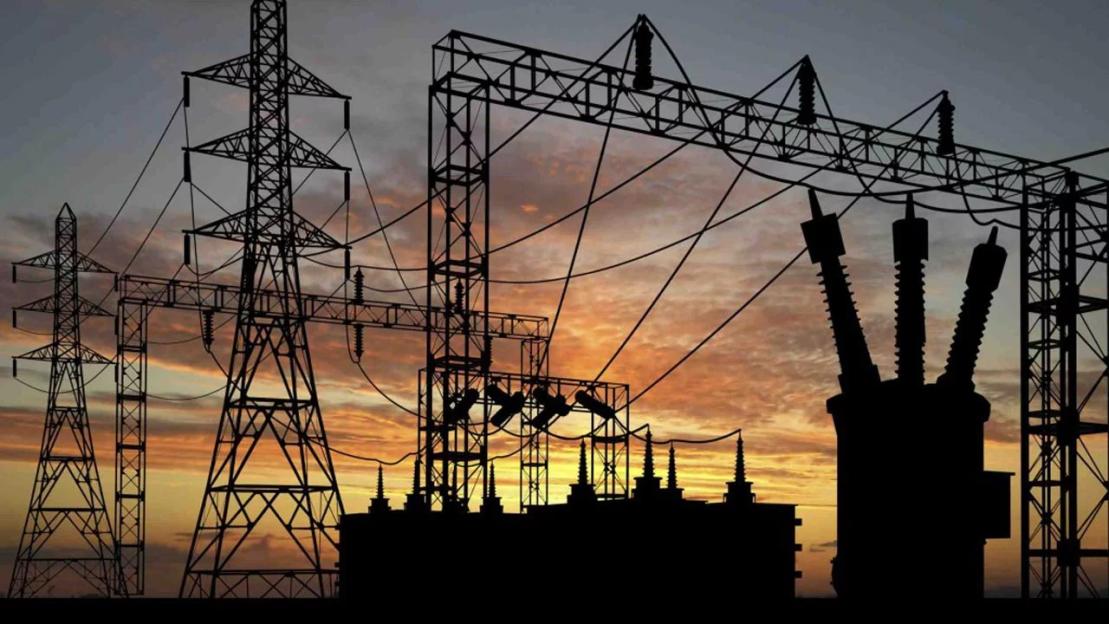
The electricity sector presents a similar scenario. Electricity Distribution Companies (DisCos) had assured Band A customers of up to 20–22 hours of daily supply.
Instead, widespread outages and unstable supply have dominated the weeks leading up to Christmas, raising questions about the effectiveness of recent reforms and tariff adjustments.
Air travel costs have also surged as domestic airlines capitalize on increased holiday demand.
Airfares for single routes to destinations such as Owerri, Enugu, Warri, and Asaba now range between N400,000 and N480,000, depending on the airline, making air travel unaffordable for many Nigerians.
Although the National Assembly and the Federal Competition and Consumer Protection Commission (FCCPC) have intervened against exploitative pricing by airline operators, their efforts have yet to alleviate the situation.
The Minister of Aviation and Aerospace Development has also attempted to directly control airfare pricing.
In response to these developments, the Nigeria Consumer Protection Network described the state of the power sector as a long-standing failure.
Speaking to DAILY POST, Kunle Olubiyo stated that Nigeria’s electricity industry has fallen significantly short of expectations more than a decade after privatization.
“It is unfortunate that Nigeria’s electricity supply has not improved 13 years after privatization,” Olubiyo remarked, adding that key stakeholders who were expected to drive positive change have consistently failed to make a meaningful impact.
Regarding telecommunications, the National President of the National Association of Telecoms Subscribers (NATCOMS), Deolu Ogunbanjo, noted that 2025 has been the worst year for subscribers in terms of service quality.
He cited issues such as fiber cuts, gas supply challenges, and inadequate protection of telecoms infrastructure.
While operators have blamed vandalism, right-of-way challenges, and infrastructure damage, Ogunbanjo emphasized that these explanations are inadequate, especially after a 50 percent tariff increase. He pointed out that telecoms infrastructure has been declared a national security asset by the federal government and urged authorities at all levels to enforce protections and resolve right-of-way disputes.
“I actually contacted two of the operators, and they announced that many operators' services are changing due to fiber cord cuts. They are also citing gas supply issues,” he explained.
“Telecoms received an increase in tariffs by 50%. Therefore, we expect quality service. They mentioned they would try to address the problems.”
“They are also discussing the lack of protection for the infrastructure, including the masts. I reminded them that the federal government has declared their masts as national security assets,” he added.
“Yes, this is the responsibility of the government. Regarding fiber cords, the state government is also addressing these right-of-way issues,” he told DAILY POST.
Frequently Asked Questions
What are the current issues with electricity supply in Nigeria?
Electricity supply in Nigeria has been marked by frequent outages and unstable supply, especially during the festive season, leading to widespread frustration among consumers.
How have telecommunications services declined in 2025?
In 2025, subscribers reported persistent network failures, dropped calls, and poor internet connectivity, making it one of the worst years for telecommunications service quality.
Why have airfares increased during the holiday season?
Airfares have surged as domestic airlines capitalize on increased demand during the holiday season, with prices for single routes reaching between N400,000 and N480,000.