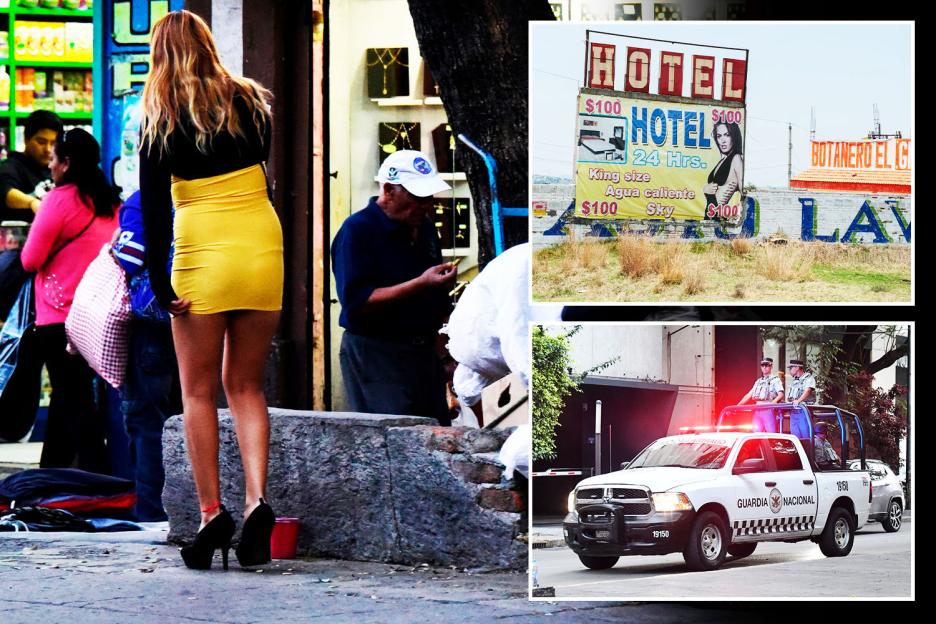
THE World Cup is fuelling an “unprecedented demand” for prostitutes from boozed-up fans desperate for sex, a human rights expert has said.
This summer’s tournament being held across the US, and is feared to be helping out the sex trafficking industry, with , Tatiana Kotlyarenko told The Sun.
 The World Cup is feared to be fuelling an unprecedented rise in sex-trafficking – especially in Mexico where prostitution is rife Credit: AFP
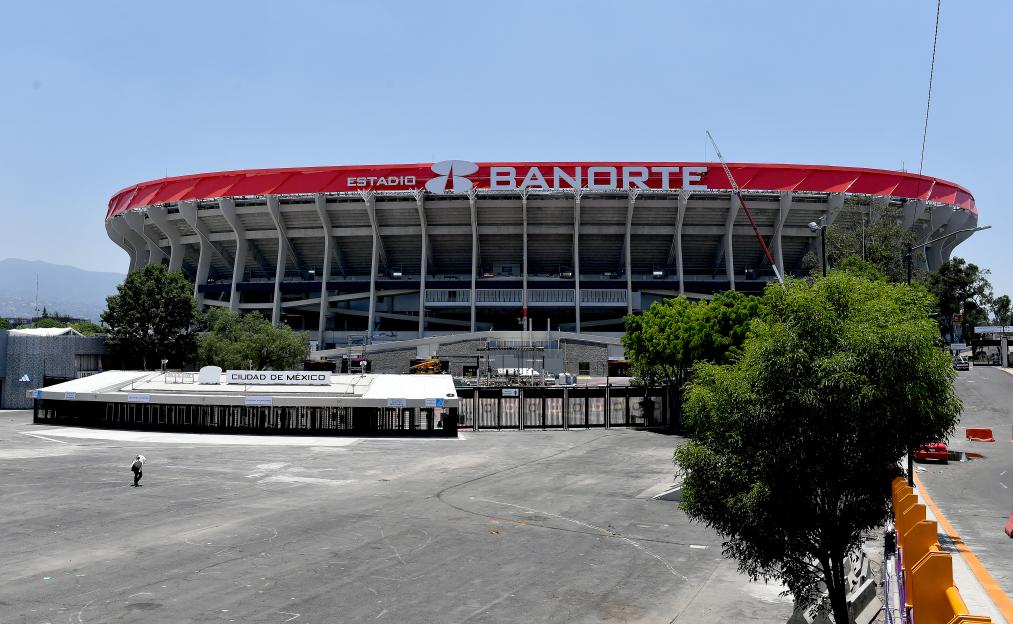 England are due to play Mexico in the Estadio Azteca in the Round of 16 Credit: Jeff Rayner/Coleman-Rayner
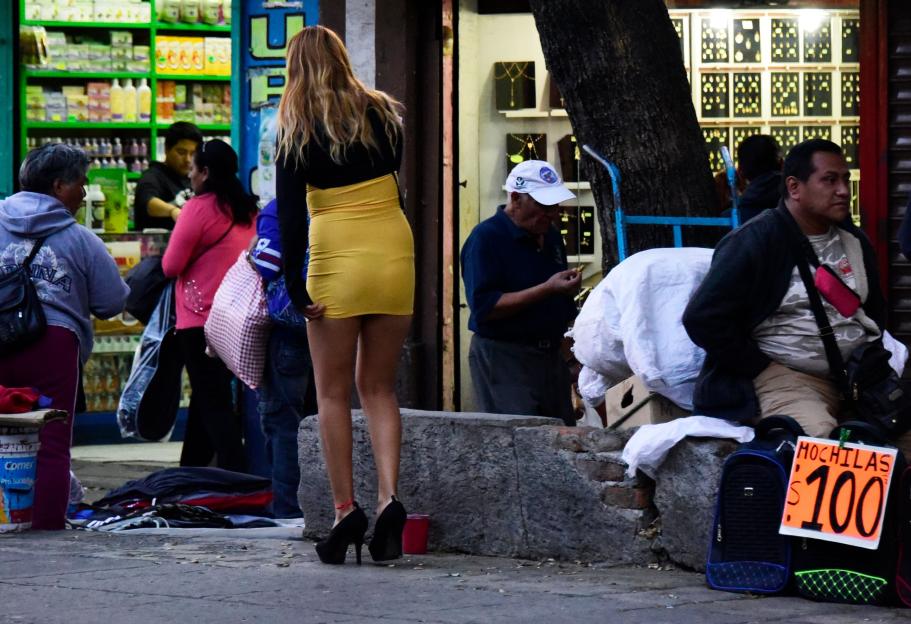
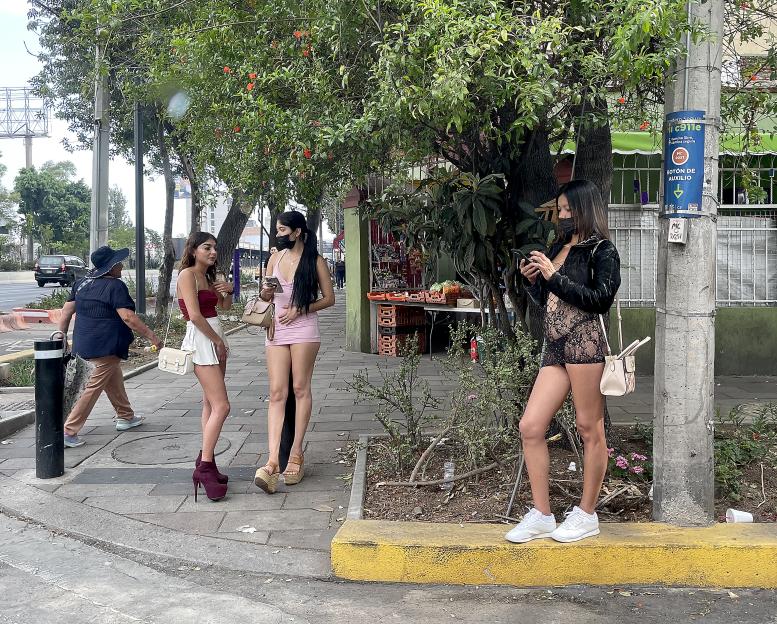 The road to the stadium is lined with prostitutes, who stand on the pavements in broad daylight as families walk past Credit: Jeff Rayner/Coleman-Rayner
 The hectic and busy environment around a World Cup can contribute to increased demand for commercial sexual exploitation, human rights expert Tatiana Kotlyarenko told The Sun Credit: Getty
Kotlyarenko says she has been to the US-Mexico border and described some of the things she saw as “horrific”.
Among them are venues that pose as strip clubs but are actually brothels that offer customers a selection of trafficked women.
The international human rights expert told The Sun: “I have visited both the US–Mexico border and locations across the border in Mexico and what I witnessed was deeply disturbing.
“According to my observations, criminal groups control different areas and are heavily involved in sexual exploitation.
“Many venues that appear to operate as strip clubs function as brothels in practice, with commercial sexual services readily available for an additional fee.”
Similar dynamics can be found in some strip clubs in the United States, particularly in private VIP rooms where additional sexual services are provided, she warned.
Kotlyarenko added: “Events on the scale of the World Cup bring visitors from around the globe, many of whom stay for weeks.
“These large sporting events tend to attract significant numbers of men traveling in groups, creating conditions that can increase demand for commercial sexual exploitation.
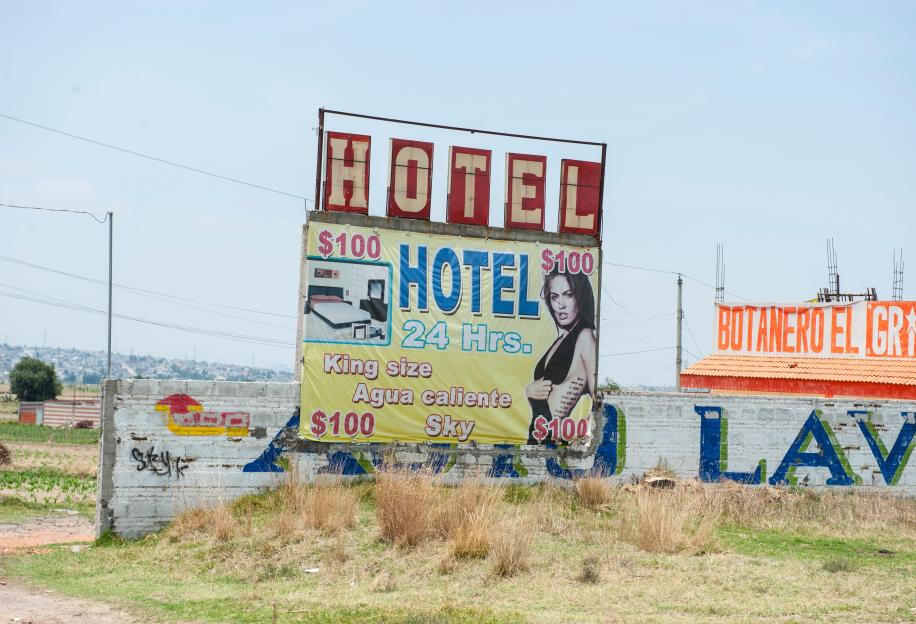 In some parts of Mexico, such as Tenancingo, the lure of prostitution is on almost every street corner Credit: Getty
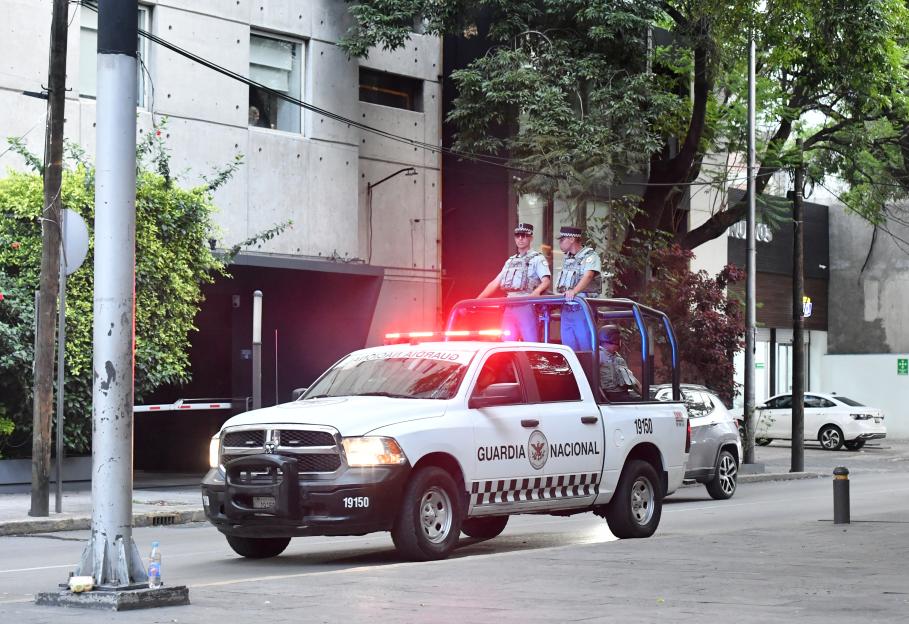 Police patrol the area around the Azteca stadium Credit: Jeff Rayner/Coleman-Rayner
“Criminal networks or individual traffickers seek to capitalise on these circumstances by organising the movement of women and minors between locations or bringing them to host cities to meet demand.”
cases have already been seen since the competition kicked off last month.
On June 23, arrested six people in connection with a World Cup trafficking sting called Operation Red Card.
Rhode Island Police were targeting people suspected of engaging in commercial sex acts, child exploitation and more during the tournament, reported.
One of the suspects allegedly exchanged explicit messages with an undercover police officer reading “u definitely 15” and “U cab br ur sugar daddy”.
Another dozen people were arrested in an undercover World Cup operation in Homestead, a 50-minute drive from host city Miami.
They were arrested after allegedly responding to online advertisements seeking sex with children.
But Kotlyarenko believes these cases are only the tip of the iceberg for the thousands of fans at the event who could be preyed on by criminals.
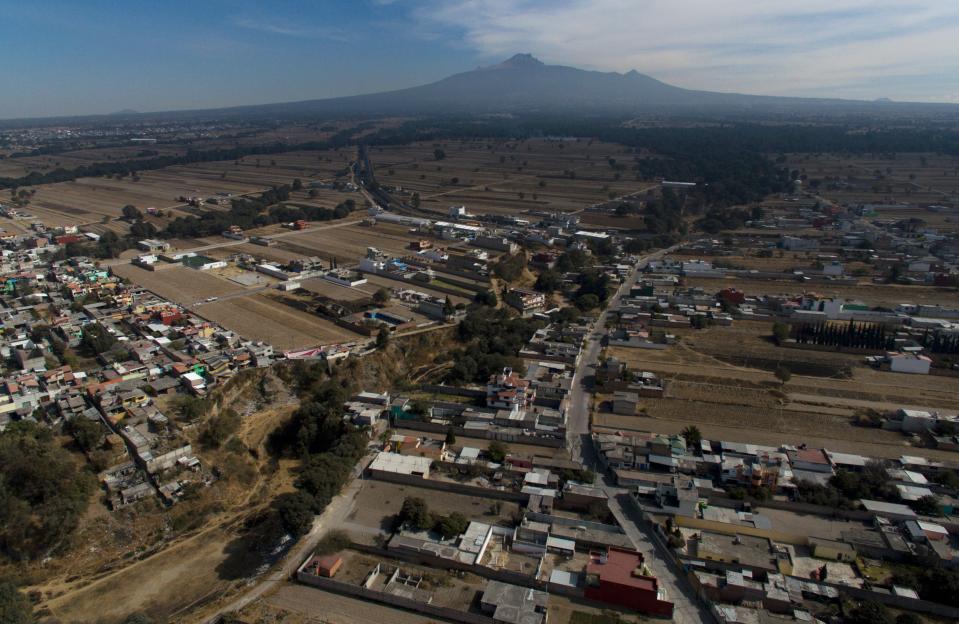 The sex-trafficking capital of the world has been named as Tenancingo in Mexico Credit: AFP
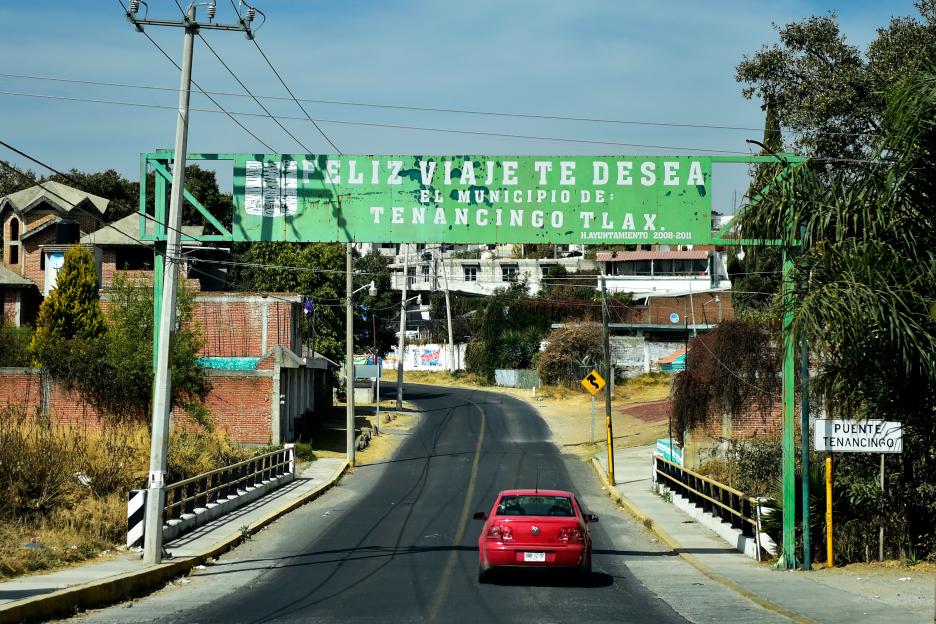 Tenancingo sits just a two-hour drive away from Mexico City Stadium, where Mexico beat South Africa 2-0 in the tournament’s opening game Credit: AFP
She continued: “Human trafficking associated with major sporting events is a significant concern, affecting not only international victims but also individuals trafficked within the United States, including children.
“Large sporting events often attract predominantly male crowds, with many attendees gathering to celebrate, socialise and consume .
“This environment can contribute to increased demand for commercial sexual exploitation and related forms of exploitation.
“As demand rises, advertising online and activity across the sex industry often expands as well, including strip clubs, prostitution, and human trafficking and other forms of sexual exploitation.”
Ahead of the World Cup in in 2006, Amnesty International referenced a study that predicted 30,000 to 60,000 women and girls may be the object of trafficking for sexual exploitation at the tournament.
That figure is likely to be much higher for this summer’s World Cup given the increased size, duration and three main locations.
In May, Director, Kash Patel, said the bureau would fight human trafficking during the tournament and urged fans to report it if they saw it.
He wrote on X: “This FBI is working 24/7 to break sex and human trafficking networks worldwide, and we will be highly focused on the threat during the upcoming FIFA tournament.”
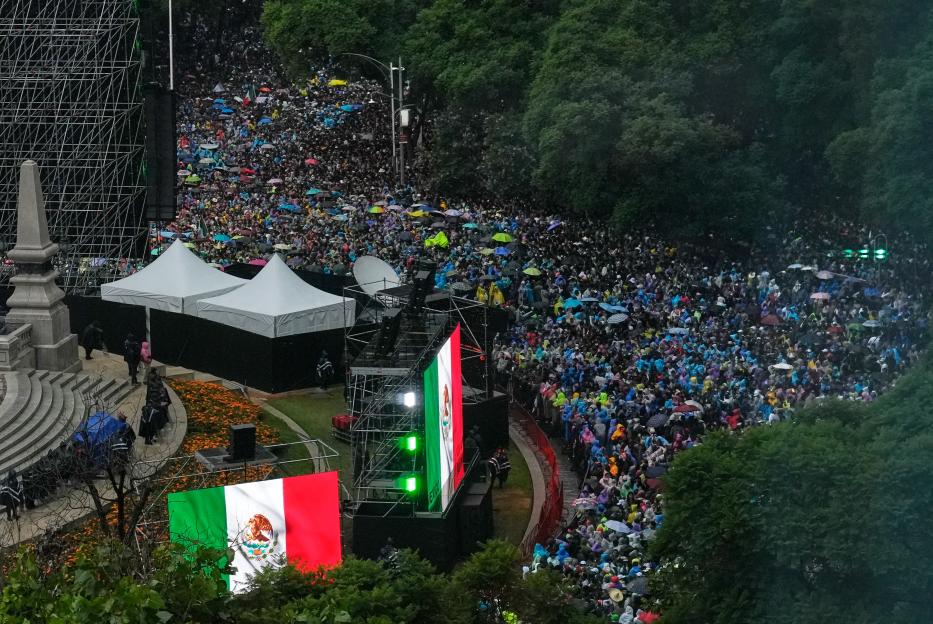 The huge influx of fans crossing the border from the US into Mexico is feared to be a major safety risk for prostitutes Credit: AP
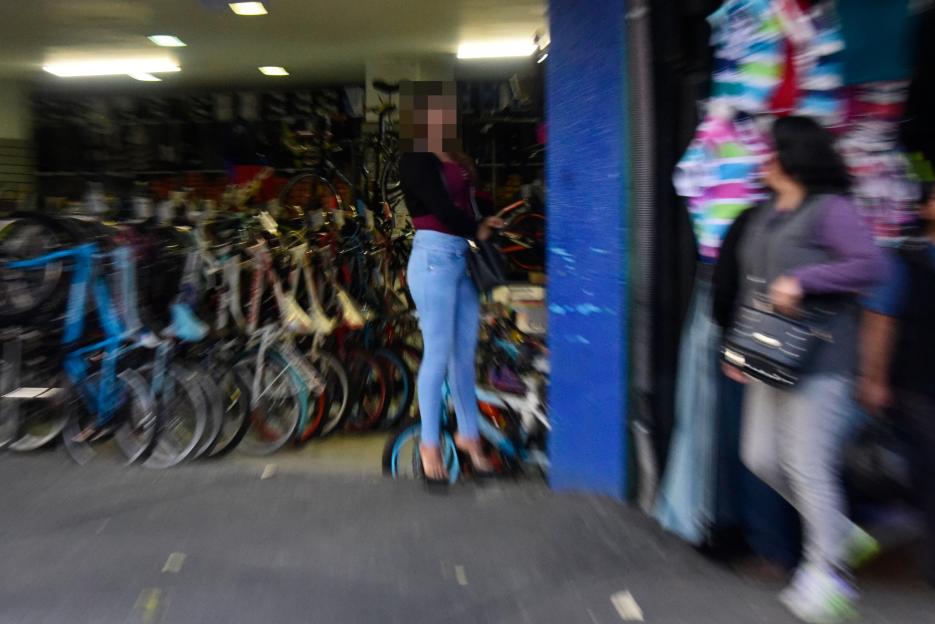 A sex worker stands on a street at La Merced neighborhood, in downtown Mexico City Credit: AFP
Just a two-hour drive away from Mexico City Stadium, where Mexico beat 2-0 in the tournament’s opening game, lies the sex-trafficking capital of the world Tenancingo.
Kotlyarenko said the scale of violence associated with sex trafficking can be difficult to comprehend.
“Some regions of Mexico have become notorious for sex trafficking activity,” she explained.
“During my visits, I encountered an atmosphere of fear, violence and lawlessness that was impossible to ignore.
“The abuse, exploitation, and degradation experienced by many women and girls appeared pervasive and highly visible.
“What struck me most was the apparent dehumanisation of victims. Many young girls and women seemed to be living in desperate circumstances, treated as commodities rather than as people.”
Trafficked women and girls are viewed as disposable by their exploiters, she added.
There were also fears pre-tournament that due to Tenancingo’s reputation as a sex-trafficking hotspot, it could be flooded by fans.
In May, The Times reported how men from the town were travelling across the country to recruit poor and vulnerable girls as young as 11.
They and their families are showered with attention and with the promise of a better life.
But the girls are forced into prostitution and unable to escape, the report states.