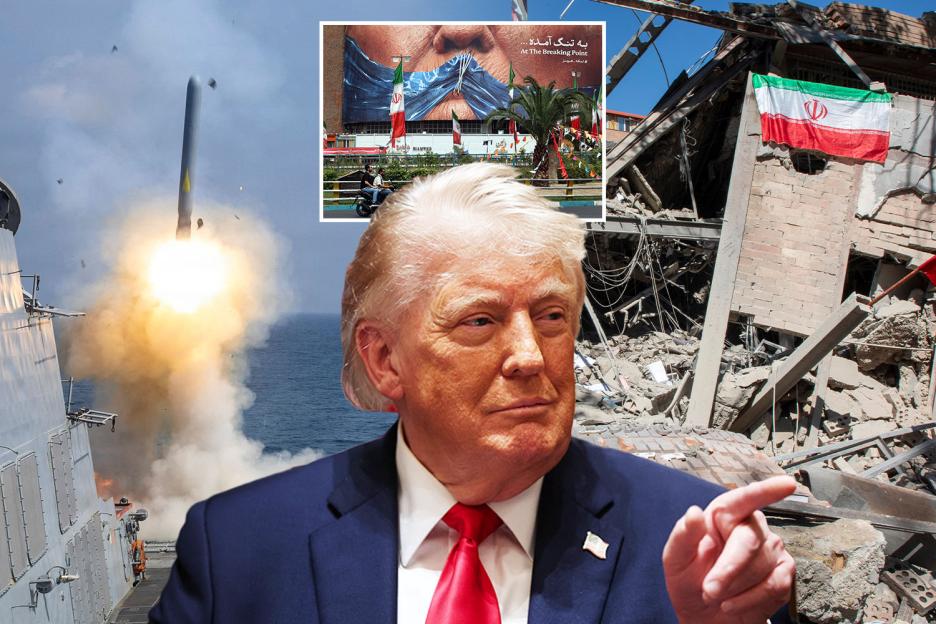
THE US has hit out at Tehran as it was revealed the two nations are reportedly on the brink of agreeing to a high-stakes 60-day ceasefire extension.
was accused by the CENTOM of carrying out an “egregious” ceasefire violation after the regime launched a ballistic missile at .
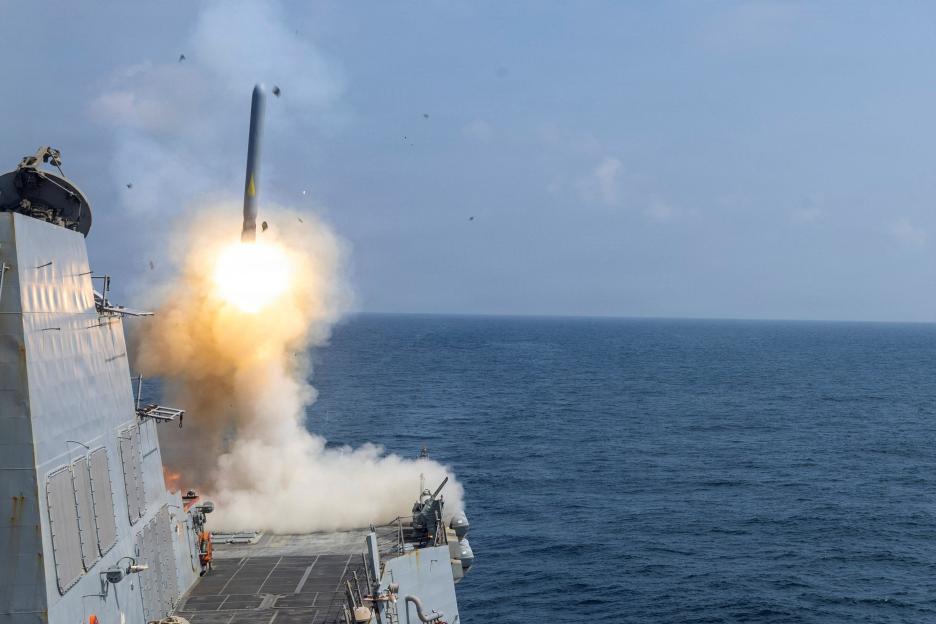 The U.S. Navy Arleigh Burke-class guided-missile destroyer USS Delbert D. Black fires a Tomahawk Land Attack Missile (TLAM) in support of the Operation Epic Fury attack on Iran Credit: Reuters
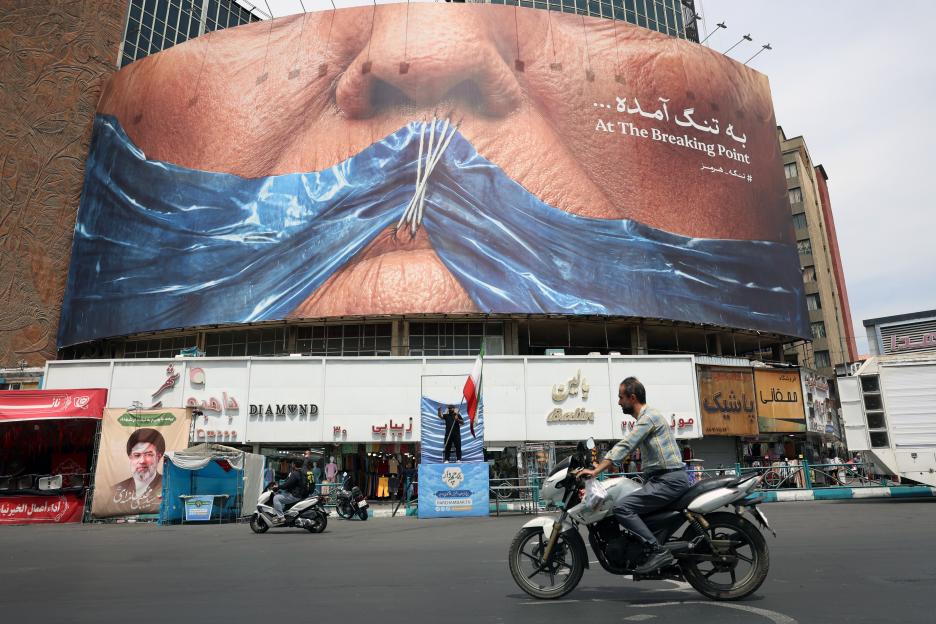 An lanti-US billboard in Iran featuring US President Donald Trump and the Strait of Hormuz Credit: EPA
But the crunch deal, aimed to kickstart fresh nuclear talks, is still waiting on Donald Trump’s final sign-off.
The deal was largely agreed on Tuesday, according to Axios , which cites two US officials and a regional source.
Iran’s leadership has already given its approval, the officials said.
US negotiators then briefed , but he did not immediately give the green light – instead asking for a couple of days to consider the agreement, according to the US officials.
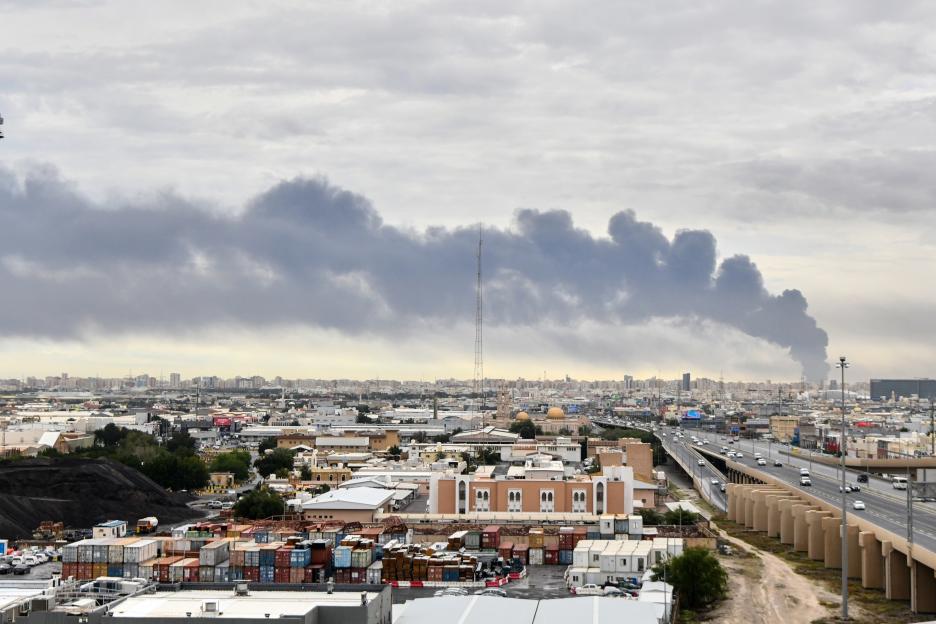 Smoke rises from Kuwait international airport after a drone strike on fuel storage in Kuwait City Credit: AP
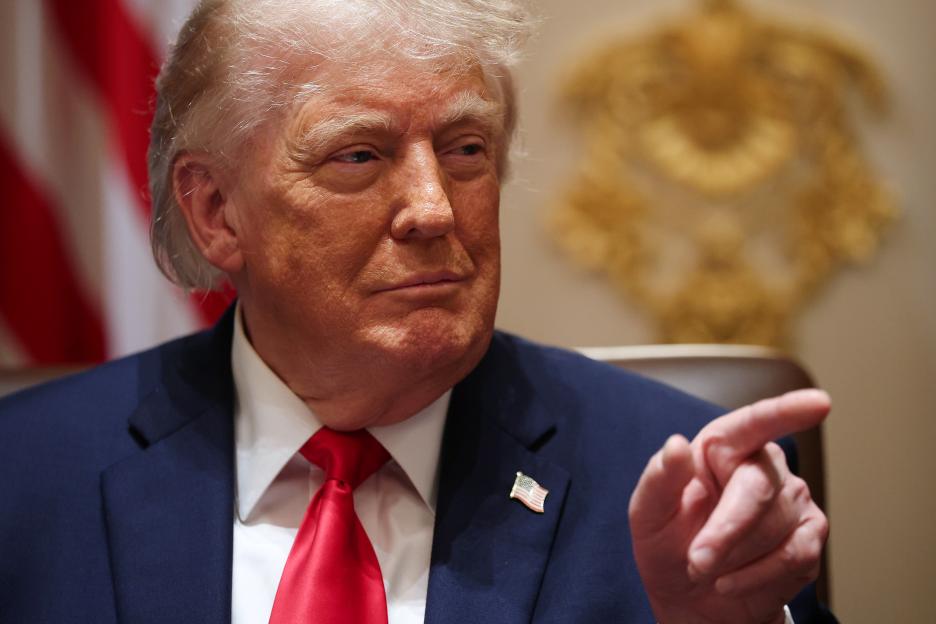 The ceasefire Credit: Getty
Kuwaiti forces successfully intercepted the missile after it targeted Ali Al Salem Air Base, where US troops are stationed, amid a dramatic overnight escalation between and Tehran.
The alarming attack came just hours after Donald Trump’s forces shot down four Iranian attack and blitzed a military site in Bandar Abbas that US officials said was preparing to launch a fifth UAV.
US CENTCOM said: “This egregious ceasefire violation by the Iranian regime occurred hours after Iranian forces launched five one-way attack drones that posed a clear threat in and near the Strait of Hormuz.”
“All drones were successfully intercepted by US forces, which also prevented a sixth drone launch from an Iranian ground control site in Bandar Abbas.”
CENTCOM added it remains “vigilant and measured” as it defends American forces and interests from “unjustified Iranian aggression”. 
Washington described its as purely defensive after Tehran allegedly launched drones threatening US forces and commercial shipping in the Strait of Hormuz.
A senior official told Axios fired four one-way drones at a US commercial vessel before American forces destroyed another drone launching unit on the ground.
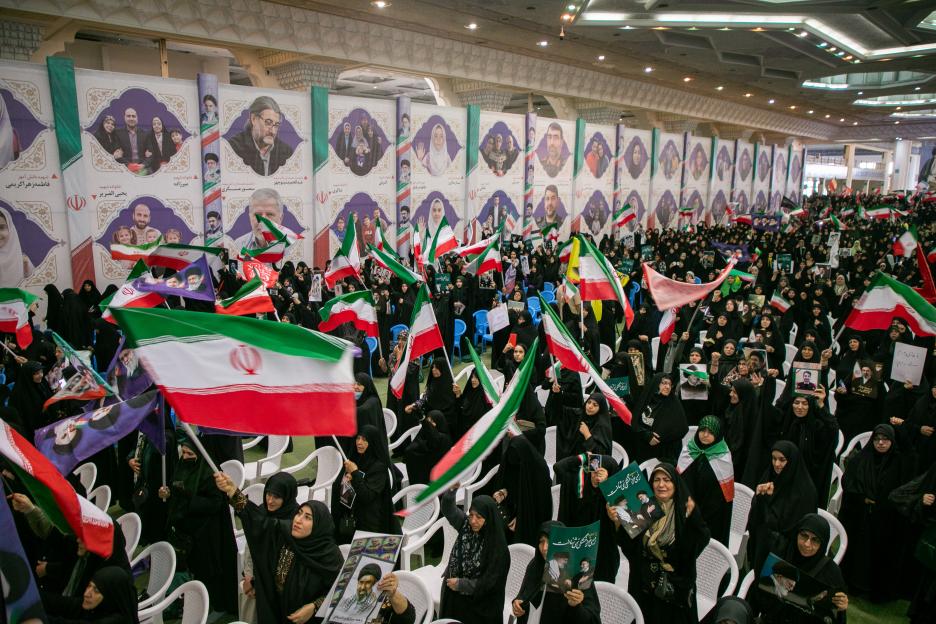 People wave flags and hold portraits of the dead at the Imam Khomeini Mosalla Mosque to commemorate those killed in the current US-Israeli war Credit: Getty
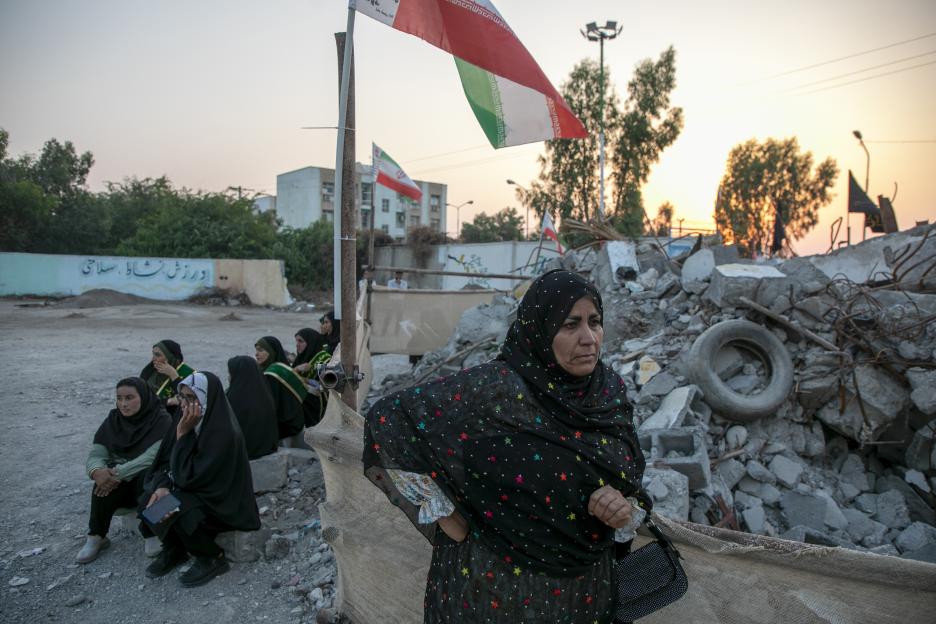 Women sorrow as they visit Al-Shajara Al-Tayyiba School on May 13, 2026 in Tehran Credit: Getty
The Islamic Revolutionary Guard Corps warned: “The enemy knows that aggression will not go unanswered.”
It added: “If it is repeated, our response will be more decisive.”
Tehran confirmed it had Thursday.
The retaliatory missile strike sparked fears at first that the already shaky ceasefire could completely collapse as negotiations continue to stall.
But a deal has now been reached which, according to Axios, sets out a sweeping framework covering the Strait of Hormuz, naval operations, Iran’s nuclear programme and sanctions relief.
Under the agreement, shipping through the Strait of Hormuz would be “unrestricted”, with Iran agreeing not to charge tolls or harass vessels.
The US would lift its naval blockade of Iranian ports in line with the restoration of commercial shipping, according to one US official.
Iran would commit not to pursue a nuclear weapon, with both sides agreeing to negotiate the disposal of Tehran’s highly enriched uranium and the future structure of its nuclear programme.
The deal also opens the door to sanctions relief, with Washington agreeing to discuss the release of frozen Iranian assets.
Both sides would consider pathways for Iran to begin receiving goods and humanitarian aid.
Explosions were earlier reported near Bandar Abbas airport shortly after 1.30am local time, with Iranian state TV confirming air defences had been activated.
The military site struck by the US was believed to be an Iranian ground control station preparing to launch another drone attack.
An American official insisted: “These actions were measured, purely defensive, and intended to maintain the ceasefire.”
Bandar Abbas, Iran’s most important port in the Persian Gulf, was also targeted earlier this week in strikes that reportedly hit a missile launch site and two Iranian mine-laying boats.
Centcom spokesperson Captain Tim Hawkins confirmed the US strikes were carried out in “self-defence”.
“US Central Command continues to defend our forces while using restraint during the ongoing ceasefire,” he said.
The dramatic exchange comes as Trump claimed negotiations with Tehran were progressing – despite the escalating military clashes.
At a White House cabinet meeting, the US President insisted talks were going “very well” and said Iran was “very much intent” on making a deal. 
But Trump also claimed the regime was weakening rapidly, saying Iran was “negotiating on fumes” as its economy spirals and billions remain frozen abroad.
He said: “I think they’re starting to give us the things that they have to give us.
“And if they do, that’s great, and if they won’t, then the man on my left will have to finish them off,” he said, gesturing to War Secretary Pete Hegseth.
Asked about reports of a possible Iran-Oman pact to jointly control the waterway, Trump warned: “Oman will behave just like everybody else or we’ll have to blow them up. They understand that. They’ll be fine.” 
Iran insisted meaningful talks cannot begin unless frozen Iranian funds are released.
One of the biggest sticking points remains Washington’s demand that Tehran hand over its stockpile of highly-enriched nuclear uranium.
Asked whether or could take control of the material, Trump replied: “That would not make me comfortable.”
The President also rejected claims Tehran could simply outlast him politically until the US midterm elections.
“They thought they’re going to out wait me. I don’t care about the midterms,” he said. 
Meanwhile Treasury Secretary Scott Bessent announced fresh pressure on Tehran, revealing the US will block Iranian airlines from landing, refuelling and selling tickets.
“Only a satisfactory outcome in negotiations will end the downward spiral,” he warned.
The crackdown comes after Washington slapped sanctions on Iran’s Persian Gulf Strait Authority – the agency charging vessels travelling through the Strait of Hormuz.
Tehran has effectively shut down the vital route following US-Israeli strikes launched on February 28, sending global energy prices soaring.