MOST parents will know the feeling of turning their back for one moment, only for their child to have an unfortunate accident, but in some scenarios, a simple distraction can prove fatal.
Devastating drowning tragedies have cast a dark shadow over after at least ten children died in just one week while on holiday with their families. And after The Sun spoke to a safety expert about the heartbreaking deaths, they revealed a terrifying phenomenon that all parents should be aware of.
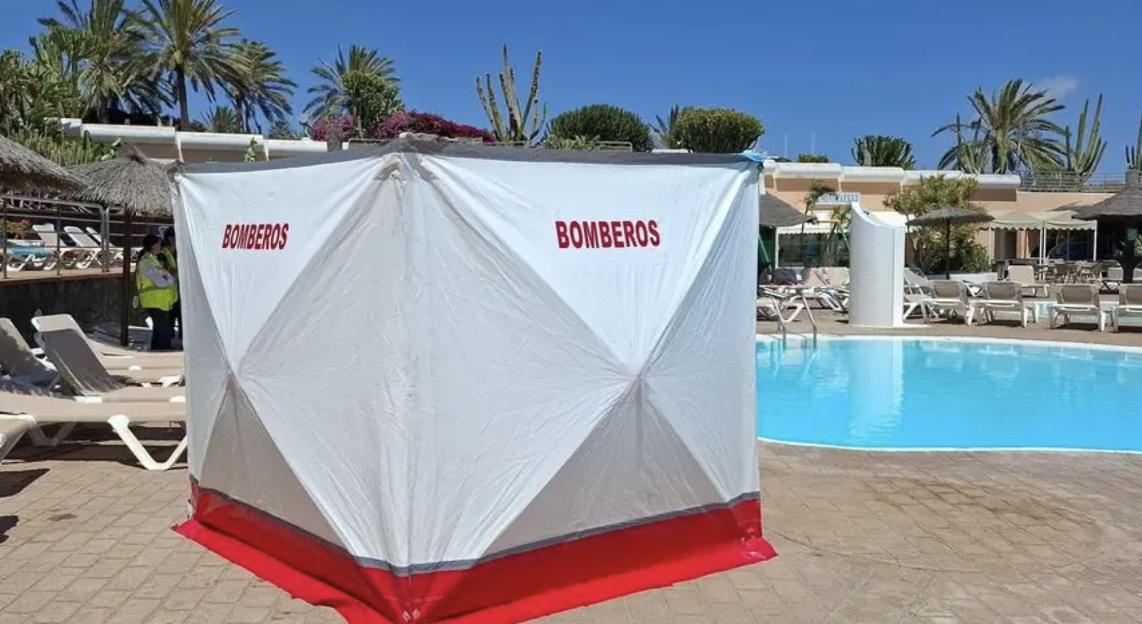 Tragedy struck a British family holidaying in Lanzarote after their four-year-old daughter drowned in a hotel swimming pool Credit: Solarpix
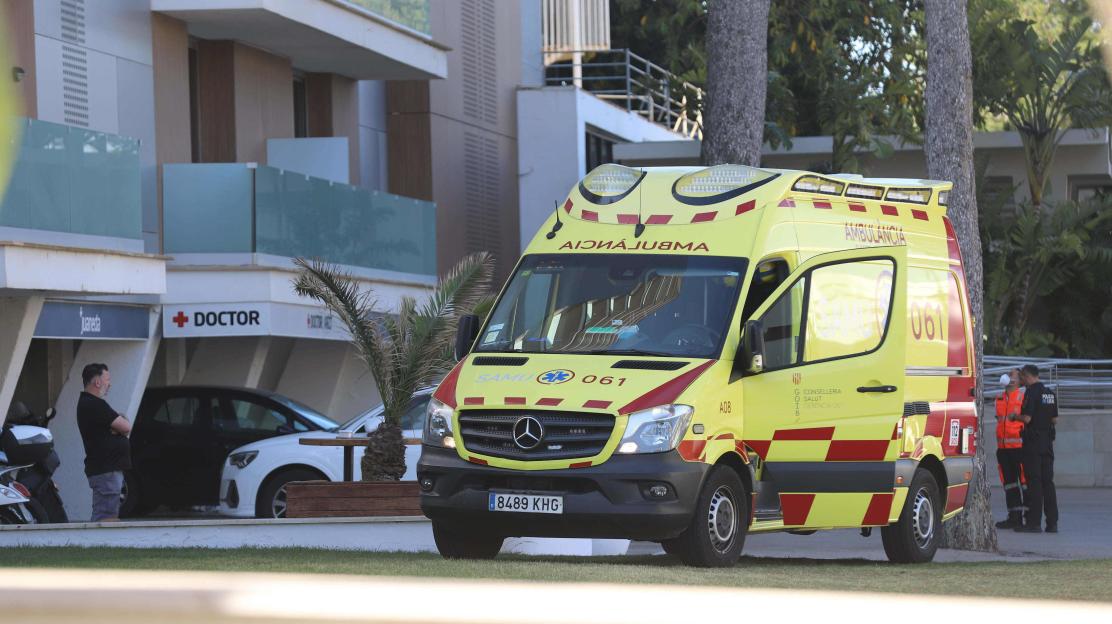 The chilling warning comes after a three-year-old British girl was found floating face down in a swimming pool at a holiday villa in Majorca Credit: Solarpix
The holiday hotspot has now been hit with an urgent warning as experts beg parents to put vigilance before relaxation following the horrifying string of deaths.
Children as young as just one have been pulled lifeless from pools and the sea in a series of chillingly similar tragedies, with four British youngsters among them.
The shocking rise in deaths saw the Foreign Office issue a stark warning on June 26, urging parents to keep children no further than an arm’s reach away.
Each heartbreaking case began with a family escaping to the sun for precious memories – before ending in unimaginable horror.
Between June 19 and June 26, there were reportedly at least ten drowning deaths in Spanish holiday destinations.
Experts told The Sun that it takes only seconds for a carefree holiday to turn into every parent’s worst nightmare, when applying sunscreen, checking a phone or turning away briefly can prove fatal.
But they also warned that accidents can happen in front of parents’ eyes due to an alarming response in the human brain.
Tom Griffiths, an aquatic safety expert, warned: “Human error and distractions disable parents from properly supervising their children.
“I’ve seen many cases where parents have literally watched their children drown before their eyes without realising.”
Griffiths told The Sun that drowning is so rare that the brain often refuses to accept what it’s seeing, even as tragedy unfolds.
He revealed the phenomenon, known as cognitive blindness, can leave parents – and even trained lifeguards – staring directly at a child in danger without recognising the terrifying reality.
Instead, what is actually a life-or-death emergency can appear to be nothing more than innocent splashing or playful water games, the expert said.
 Tiny children, some as young as just one, have been pulled lifeless from pools and the sea Credit: Solarpix
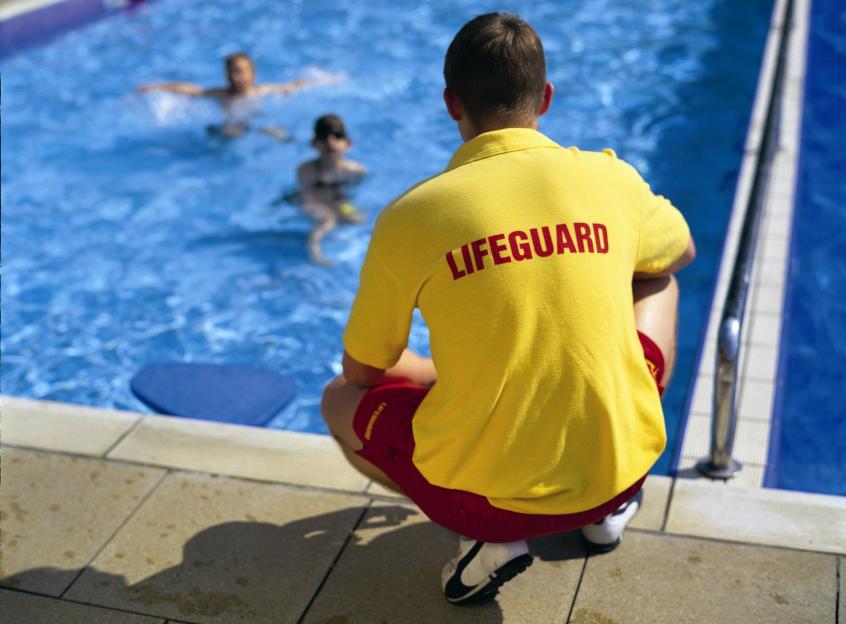 An expert revealed the phenomenon, known as cognitive blindness, can leave parents – and even trained lifeguards – staring directly at a child in danger Credit: David Lloyd
The chilling warning comes after a in a swimming pool at a holiday villa in Majorca on June 25.
Her panicked parents dove into the water in a desperate bid to save their youngster.
Emergency crews raced to the luxury four-bed villa in Pollensa, northern Majorca, where medics managed to revive the little girl.
She was then rushed to Son Espases Hospital in Palma, where the tot continued to fight for her life.
Griffiths stressed that parents, carers and even lifeguards are often dangerously poor at spotting one of the crucial signs that a child is in trouble – known as the “dead man’s float”.
He said children lying face down in the water – sometimes still wearing goggles – can easily look as though they’re happily playing just beneath the surface.
The alarming risk was revealed in a video from another holiday pool, this time in Florida in May, where a boy was caught on CCTV drowning in front of oblivious swimmers and adults by the poolside.
Off-duty immigration officer Gregory Simmonds spots the child in the ‘dead man’s float’ before leaping into the water and hauling the boy to safety.
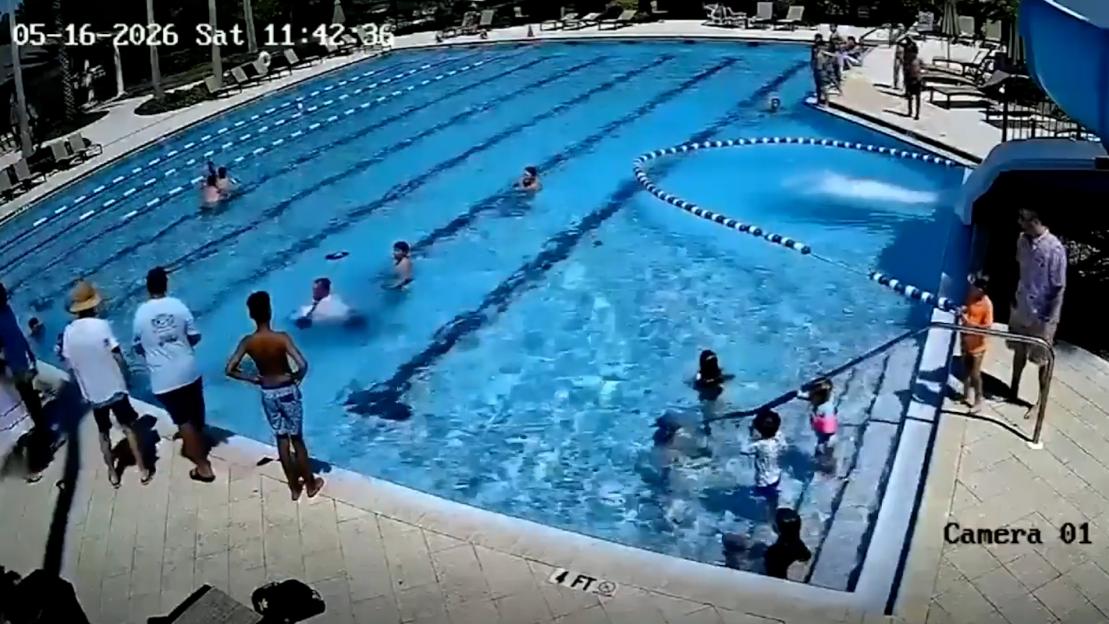 Gregory Simmonds in white in pool pulls a drowning 6-year-old boy to safety Credit: Storyful
Hailed a hero, Simmonds then gave CPR to the boy until he regained consciousness and the 6-year-old is now expected to make a full recovery.
Griffiths said it was no surprise most adults fail to spot the danger.
He said: “Parents assume they’re just holding their breath underwater. But it can take as little as two minutes to drown. It’s a quick and subtle process.
“There are just seconds between life and death. Particularly with people facing down, you don’t know how long they’ve been like that.”
Tragedy struck another in a hotel swimming pool.
The youngster died despite frantic efforts by emergency crews to revive her at the holiday resort in Playa Blanca.
On June 20, alarmed witnesses raised the alert after the little girl was pulled from the hotel pool, sparking a major emergency response.
And on June 24, became the .
The toddler was found floating in the water at an unnamed apartment complex in Lajares, in the northern part of Fuerteventura.
She had gone into cardiac arrest – but despite desperate rescue efforts, the infant died in hospital from “irreversible neurological damage”.
Griffiths warned that holiday drownings are often triggered by high amounts of deadly distractions.
Parents can become overly relaxed while on holiday, letting their guard down as they soak up the sunshine or focus on everything around them instead of the water, he said.
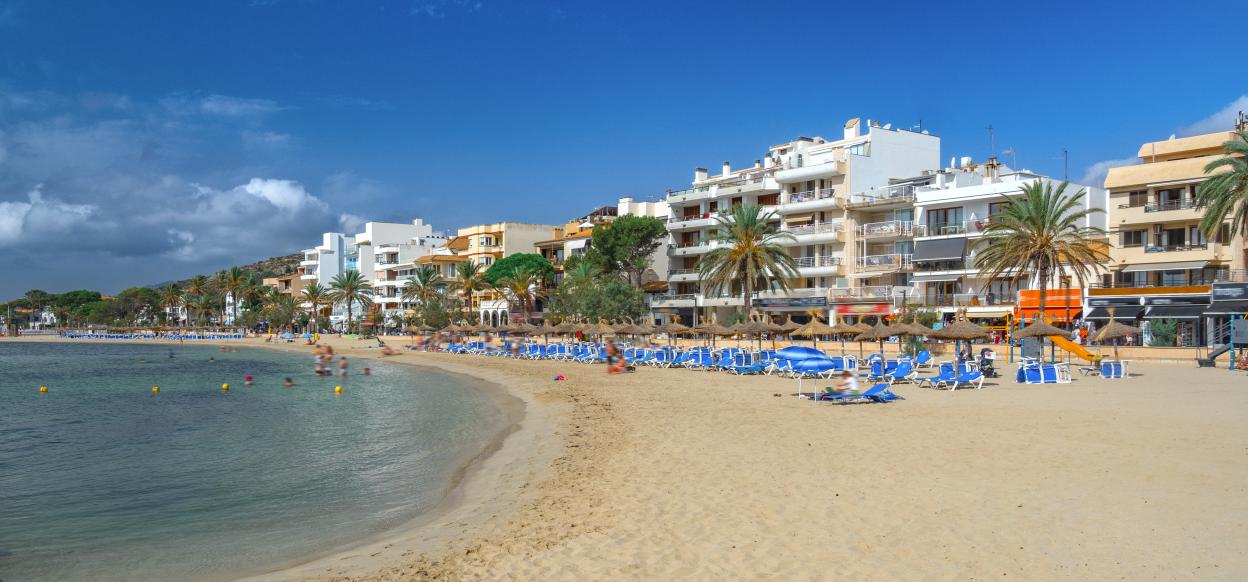 Europe has been slapped by a blistering heatwave, with temperatures soaring past 40C meaning more people are in the water Credit: Getty
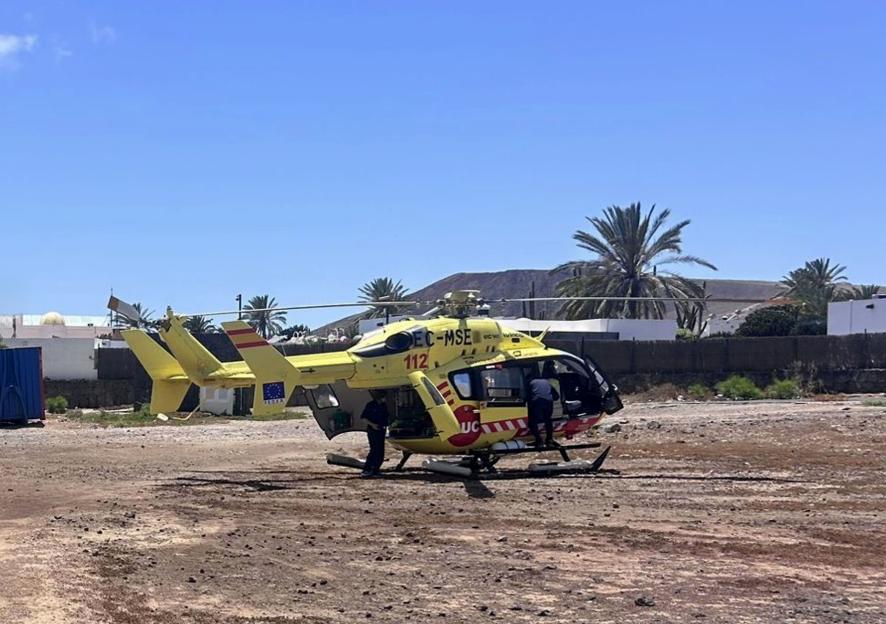 The youngster in Lanzarote died despite frantic efforts by emergency crews to revive her Credit: Solarpix
He explained that rented holiday villas can pose an even greater risk, with large groups of family and friends often sharing the same pool.
In recent weeks, Europe has been slapped by a blistering , with as scorching conditions grip the region.
Kristy Squire, a seasoned survival swim instructor of two decades, told The Sun: “Drowning is the leading cause of accidental death for children ages 4 and under, so having a pool accessible can lead to dangerous situations for children.
“In days of such heat, more people are flocking to the water, which naturally will increase risk. Add dehydration into the picture and supervision becomes tired.”
The master swim trainer added that during the heat, is often consumed around swimming environments, which can impair judgment and lead to less safe decision-making in and near the water.
Research shows the risk of drowning soars when children are swimming as part of a large group, such as at birthday parties, family gatherings or sports team trips.
Griffith said: “People believe the more adults you have there, the better the chance of survival.
“Actually, that’s less likely because big groups cause distractions.
“Birthday parties with water are a particularly big risk.”
The aquatic safety expert also revealed he has watched shocking CCTV footage showing parents leaving children alone in pools while they scroll on their phones.
He explained: “You don’t know how long you’re on your phone for.
“Phones probably create more drowning incidents than any other device we have.”
The Royal Life Saving Society (RLSS UK) urged holidaymakers to stick to lifeguarded beaches and swimming pools wherever possible.
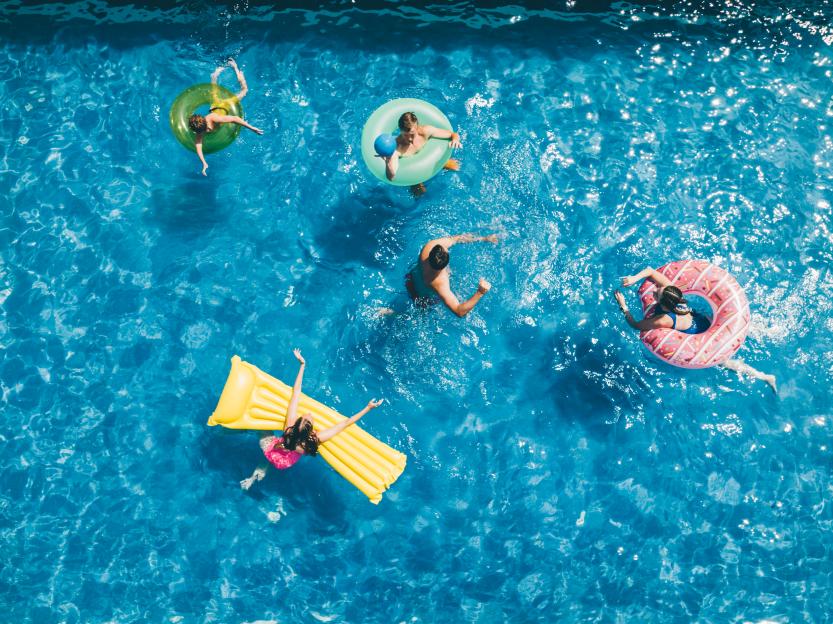 Pools with lifeguards should be a must for families say experts Credit: Maria Korneeva
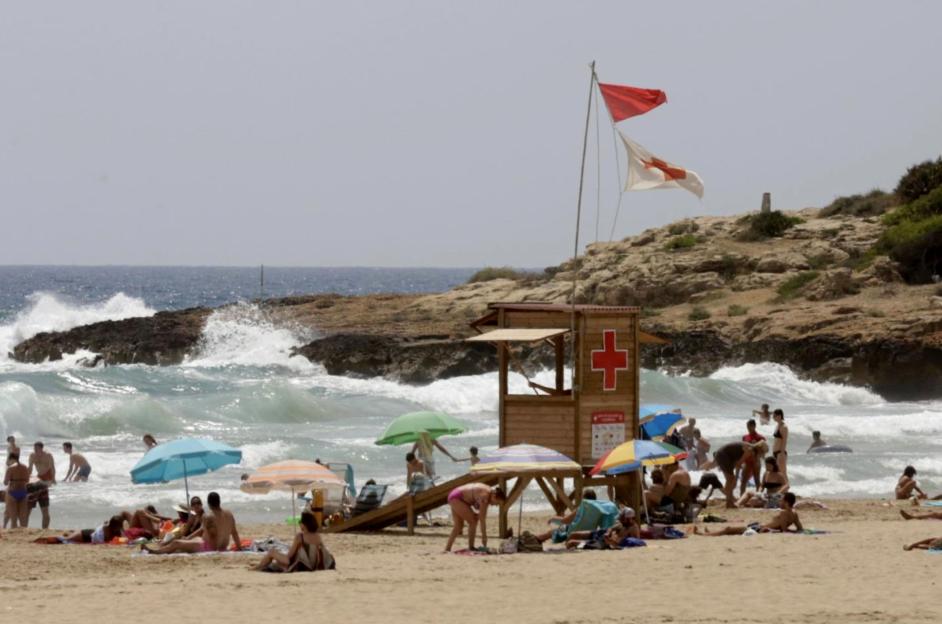 And The Royal Life Saving Society (RLSS UK) urged holidaymakers to stick to lifeguarded beaches too Credit: Solarpix
A spokesperson said: “The best way to stay safe in and around water on your holiday is to visit lifeguarded pools and beaches as they will be experts on the conditions in that area.”
But Griffiths warned that even trained lifeguards can fail to spot a child silently drowning.
He said: “Even though they’re well trained, every drowning is very different.
“Some lifeguards are taught that drowning is vertical. But some drowning can look like somersaults in the water or sinking straight to the bottom.”
Jo Talbot, from the RLSS UK, issued a fresh plea to families travelling abroad.
She told The Sun: “It is crucial that people take the time to equip themselves with the right water safety knowledge and tools ahead of travelling to foreign destinations.
“Have important water safety conversations with little ones and teens now and know what to do if you get into trouble abroad.”
Professor Carl Heneghan, Director of University’s Centre for Evidence-Based , said there is a national “swimming crisis” in the UK.
His analysis reveals more than one in four children leave primary school unable to swim 25 metres unaided, despite swimming being a compulsory part of the national curriculum.
This means hundreds of thousands of youngsters are leaving school without a basic life-saving skill. And the numbers are far higher – 35 per cent – among low-income families.
His research also shows that an estimated 14 million adults cannot swim a 25-metre length.
In 2023, the FCDO recorded an average of 82 British deaths abroad each year.
Drowning prevention specialist Sebastia¡n Quintana described Catalonia, the Balearic Islands, Andalusia and the Canary Islands as the “tragic locations” where young lives were lost.
In nine out of ten child drownings, the parents were not present at the exact moment their son or daughter slipped beneath the water, Quintana said.
He warned: “The lack of attention, supervision, or even absence at the bathing area by the adults in charge is the main cause of these human tragedies.
“A child won’t scream for help. Drowning is a very quick and silent event.”