DONALD Trump’s secret blueprint for how he could pull off a daring full invasion of Cuba has been revealed by a former intelligence officer.
Lt Col Hal Kempfer, ex-Marine intelligence officer, told The Sun how the US could neutralise Havana’s Navy and Air Force in as little as 48 hours so US special ops can bundle out .
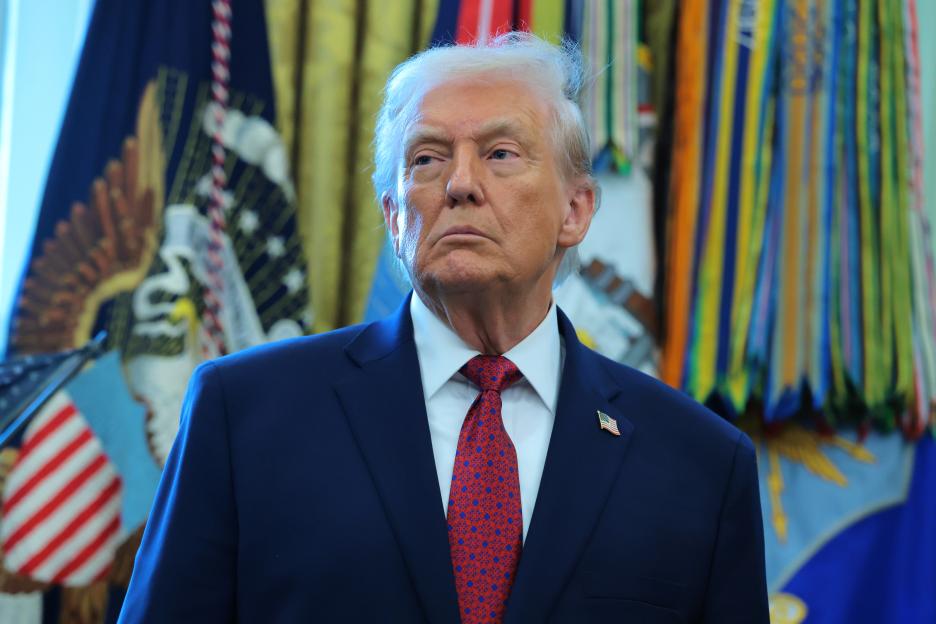 US President Donald Trump could sign off an invasion of Cuba within a month, sources say Credit: Getty
For months US President Donald Trump has waged a pressure campaign against Cuba to squeeze its communist regime by starving the island of fuel.
The recent indictment of former Cuban president Castro for murder, “set the seeds” for a .
And with no deal in sight Pentagon sources told The Sun “blocks are being put in place” for military intervention which could begin within a month.
A strike group of US warships including aircraft carrier Nimitz were ordered into position in the Caribbean Sea this week.
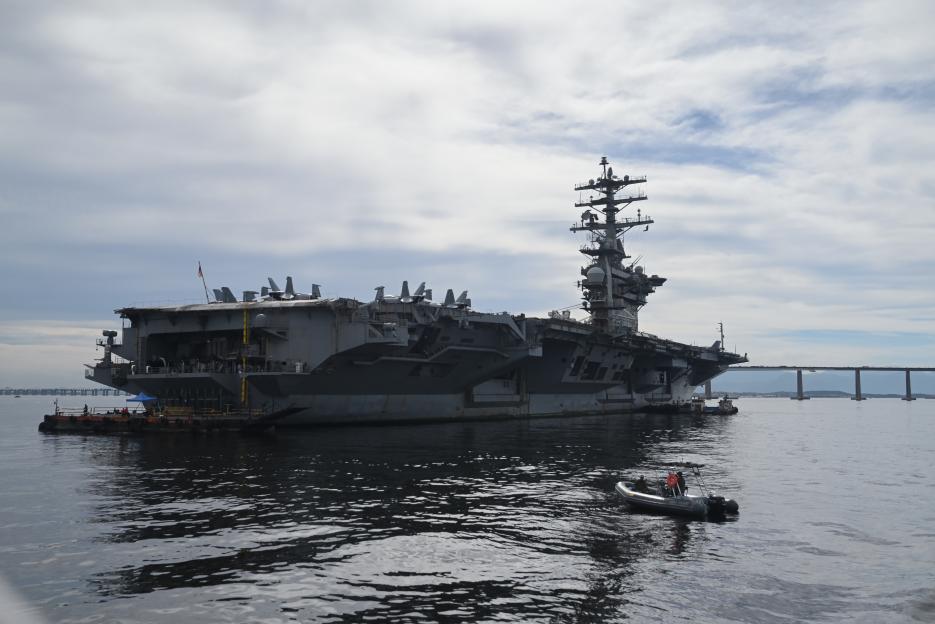 Aircraft carrier USS Nimitz has been ordered into position in the Caribbean sea Credit: Getty
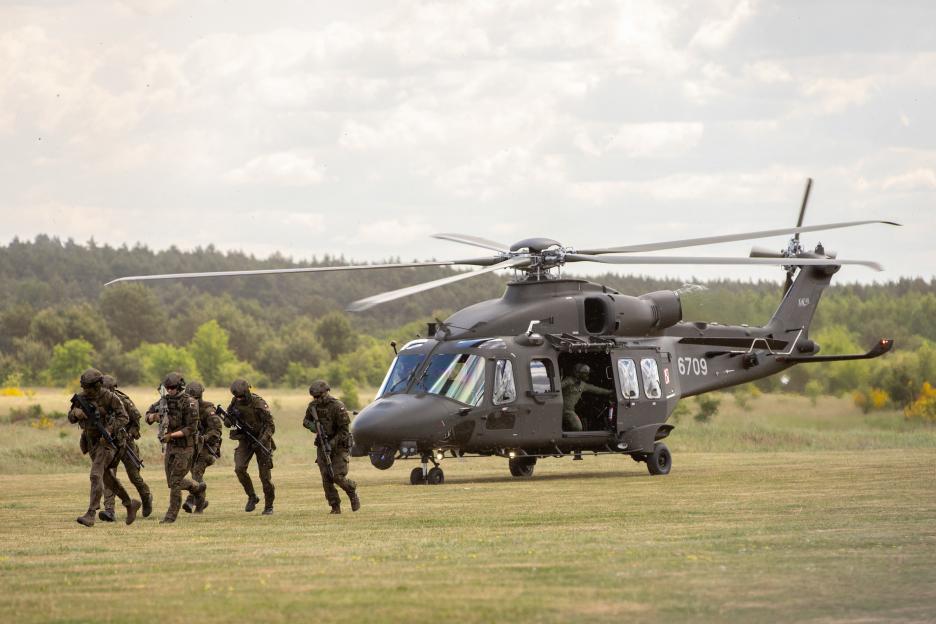 US forces would be rapidly transported from warships onto land in Cuba to begin the land invasion Credit: EPA
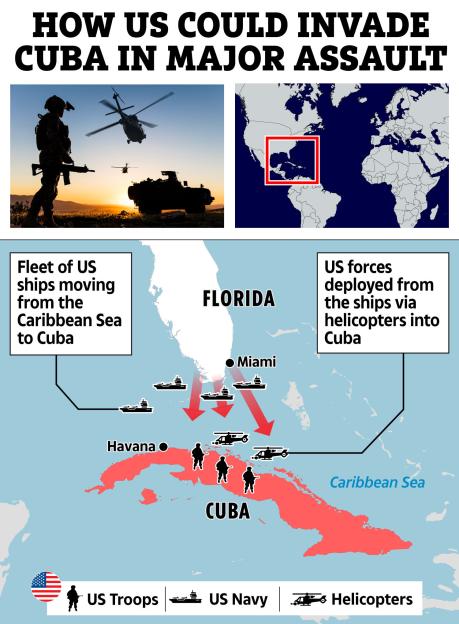
Cuba, a nation of 10 million, is just 90 miles off Florida’s coast where giant C-17 transports have been landing troops.
One scenario could see the US launch a salvo of airstrikes from southern Florida, Hal said.
Next a mass of military forces would roll in as part of “highly complex” operation.
“Because it’s an island, it is implicitly an amphibious assault”, Hal said.
Ground and air power would be projected from battleships in the sea onto Cuba’s shore.
The mission would rely on specialised war ships acting as bases for helicopters, landing craft and hovercraft to rapidly move soldiers and equipment onto land.
Once on land, US forces could attempt to cut off Havana and conduct “the modern day version of a siege”, Hal said.
It comes as the USS Iwo Jima amphibious attack group with 2.500 Marines is reported to be sailing towards Cuba.
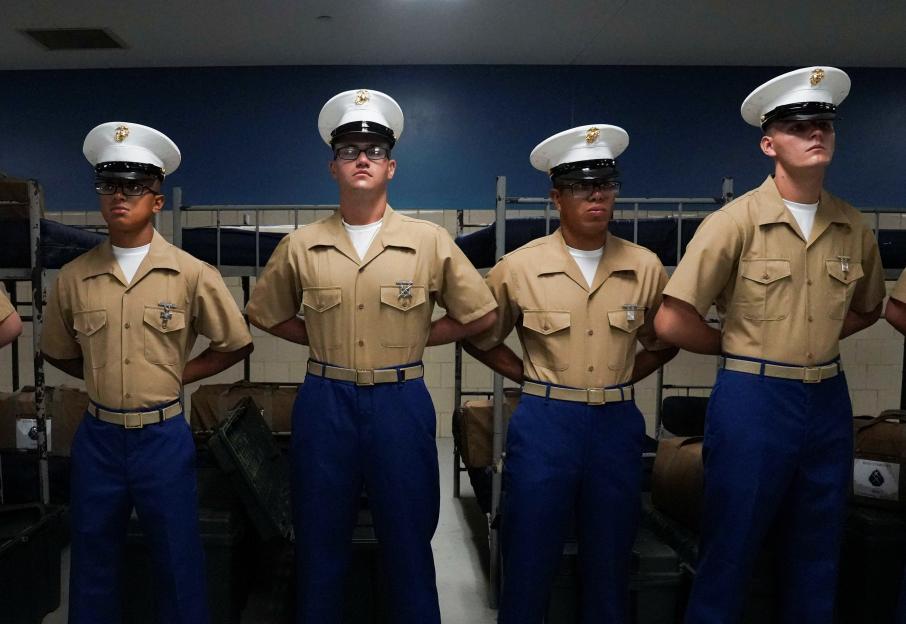 US Marines are reportedly headed to Cuba in their thousands Credit: Reuters
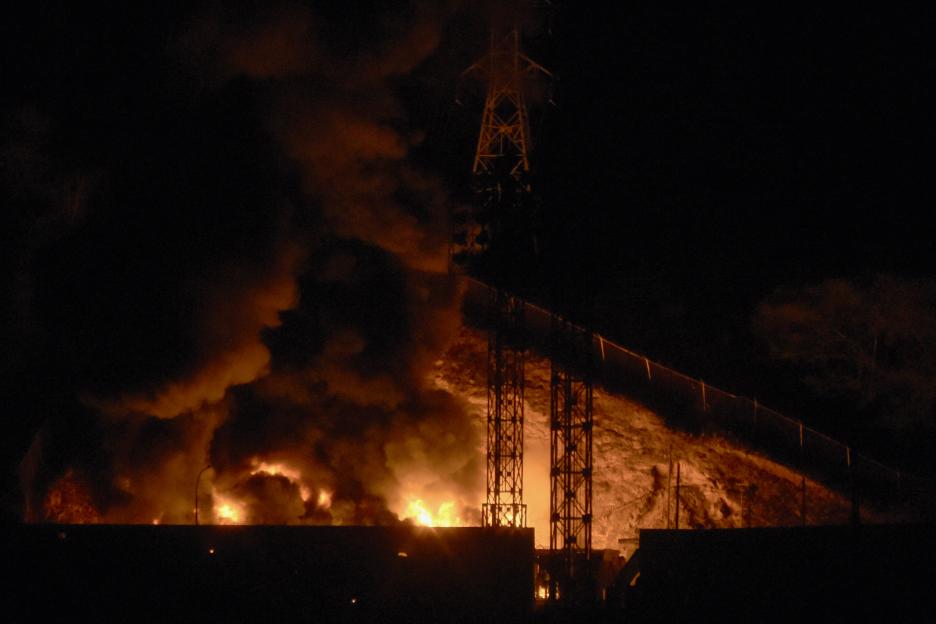 Explosions rocked Caracas when US forces invaded Venezuela Credit: AFP
Reaper drones and E-3 Poseidon spy planes are reportedly mapping out Cuban army communications and troop movements with surveillance flights.
US Army War College professor and senior Latin America specialist, Evan Ellis, told The Sun limited air strikes targeting key military “command nodes” could be launched in “two weeks”.
The mission would aim both to topple the Cuban regime and to extract Castro.
Hal said: “Going in to take Castro is very intelligence intensive.”
Ahead of the operation a joint planning team must assess an array of risks to ensure its success.
This includes the enemies location, preparation, military structure and command and control communications capability.
The terrain would also be considered to understand how US forces could operate in urban areas near the water as well as the threat of militia groups, Hal said.
These considerations will be put to president Trump for the final call.
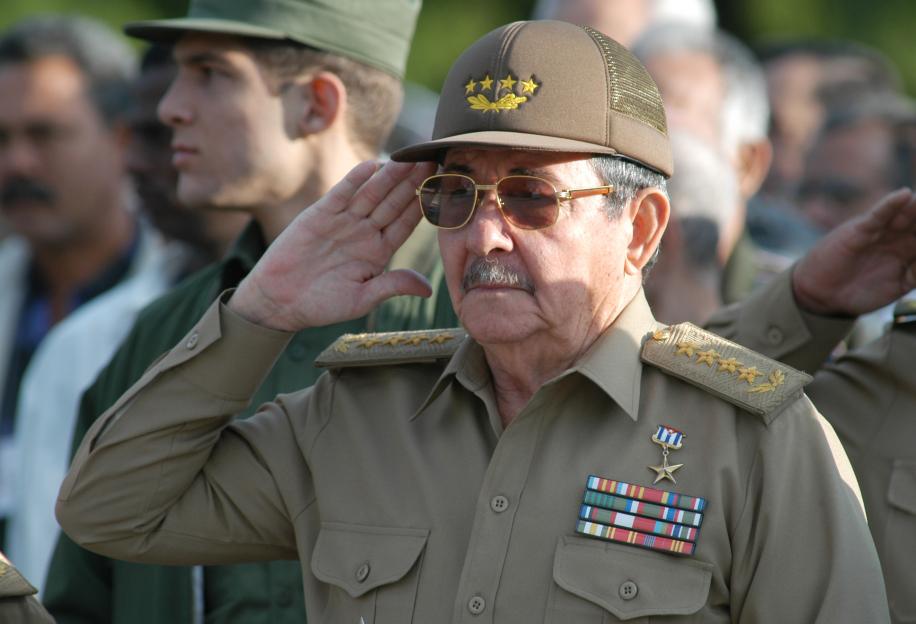 Raul Castro has been indicted by the US on charges of murder Credit: Shutterstock Editorial
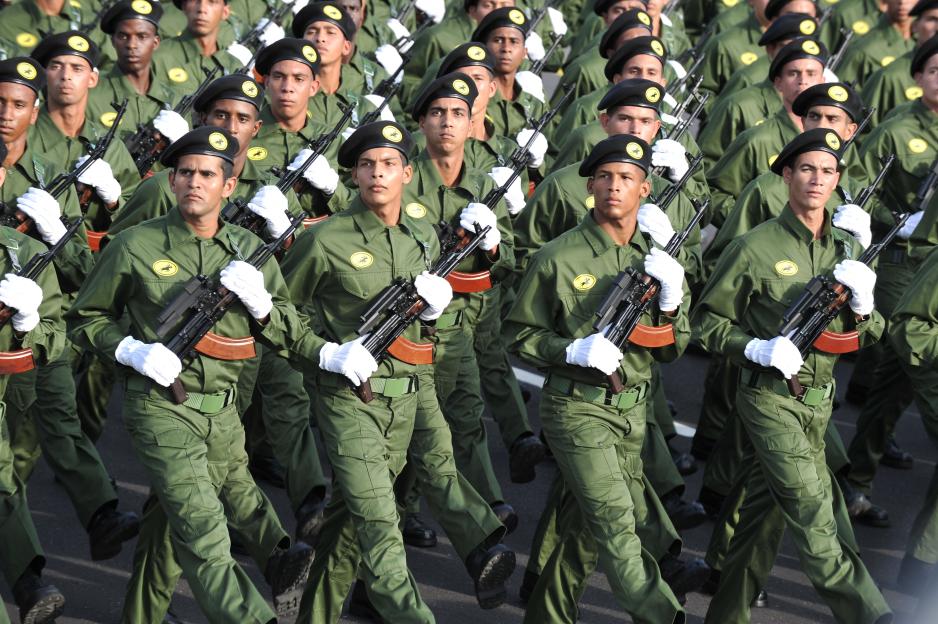 Cuban special forces march in Havana, during the military parade to commemorate the beginning of the Cuban Communist Party Credit: AFP
Cuba has long been on America’s watch list after its 1959 revolution – led by Fidel Castro – sparked a wave of communist revolts across the western hemisphere.
But the Trump administration officially declared the island a national security threat.
Just last week US Secretary of State Marco Rubio said: “Having a failed state 90 miles from our shores is a threat to the national security of the United States.”
The likelihood of a peaceful agreement is “not high”, he added.
For months the US has blocked oil from reaching the island, triggering a humanitarian crisis that threatens to collapse Cuban society.
Power cuts now stretch all day as state hospitals are left starved of many basic medicines.
The strategy echoes Trump’s January invasion of Venezuela – Cuba’s close ally – to extract president Nicholas Maduro.
Ahead of Operation Absolute Resolve, the US enforced an oil blockade against Caracas, stationed an armada in the Caribbean sea and indicted Maduro on drugs trafficking charges.
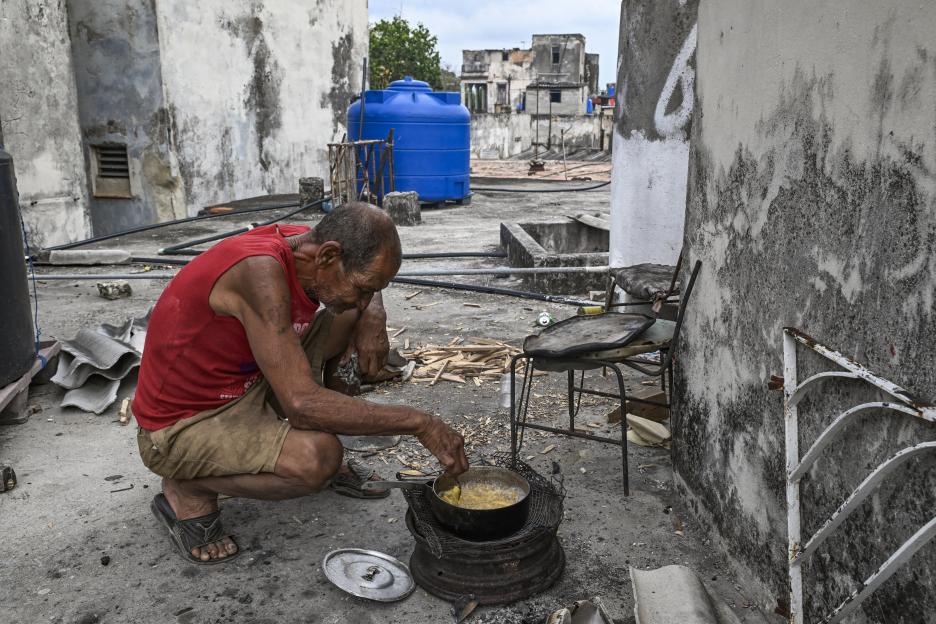 A man cooks with firewood during a blackout in Havana on May 13, 2026 Credit: AFP
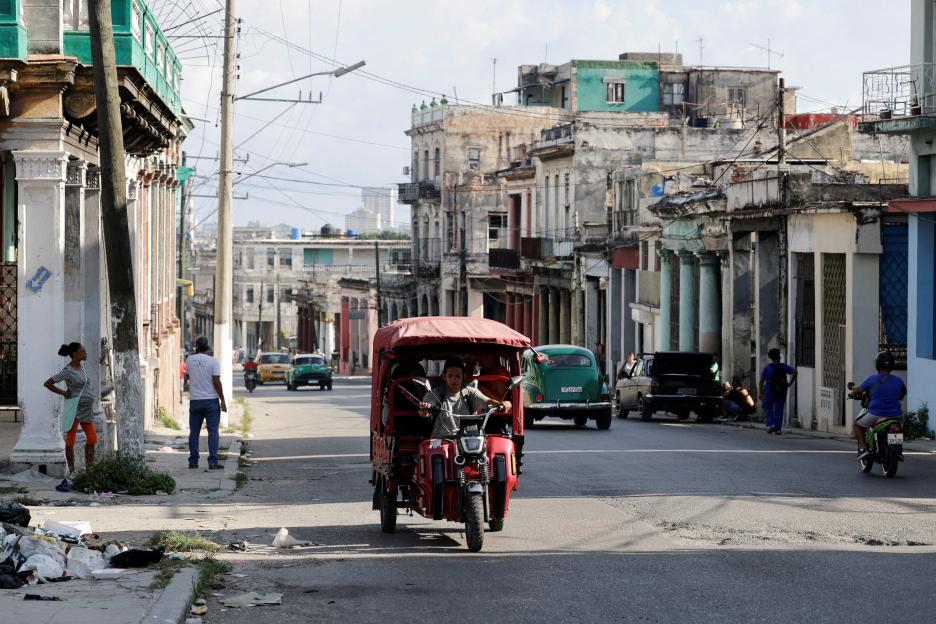 A man drives in Cuba after the electrical grid suffered a partial collapse Credit: Reuters
After months of threats, US forces and captured Maduro and his wife who were flown out of the country in an extraordinary overnight raid.
The US warrant out for Castro now gives Trump a “legal predicate” to snatch the former Cuban president in “much the same way” , Hal said.
“I have read some assessments where they say, within 48 to 72 hours we could essentially neutralize your [Cuba’s] Navy and Air Force.
“And could pretty much gut their command control communications capability.”
In the clearest sign yet that tensions are reaching critical mass, CIA Director John Ratcliffe’s visited to Havana earlier this month.
But a former Cuban military officer who served in Castro’s personal security team told The Sun the Cuban military will fight back hard.
“The Americans will never take Raul Castro alive”, Cuban army lieutenant Carlos Calvo said.
Casto is protected by 800 “highly armed and dedicated” Russian thugs from Cuba’s Black Wasp special forces, Carlos said.
Members of Castro’s “Point Zero” security team are all equipped with AK-103 automatic rifles and RPG-7 anti-tank rockets.
They guard entrances to Castro’s various bunkers and fortified homes which are connected by tunnels.
“Castro’s personal residence is surrounded by trees and mine fields. It would be impossible for helicopters to land there”, Carlos said.
“Cuba’s armed forces have been preparing to fight a US invasion for decades, using guerrilla tactics learned from North Vietnamese instructors”.
Cuba’s Foreign Minister Bruno Rodriguez has warned any military action would lead to a “bloodbath” in which thousands of Cubans and Americans would die.
Amid growing tensions Cuba’s Civil Defence has released a guide listing responsibilities of families in the case of US military action.
The guide builds off Cuba’s defence doctrine – War of All People – which envisions resisting invasion by mobilising its entire population through guerrilla warfare.
Meanwhile state-media has published images of civilians receiving military training.
Hal said: “Cuba is a big country. It’s regular active military is a little less than 50,000.
“But it’s got about a million people in its paramilitary forces. It’s a youth labour army. It’s a territorial militia
“Cuba could turn this into a massive insurgent force that would be fighting us if we were to move into the country.”