ELEVEN years after a pilot allegedly locked his captain out of the cockpit and flew a packed jet into a mountain, a chilling question remains: are we really safe?
stunned the world in March 2015 when an Airbus A320 crashed in the French Alps.
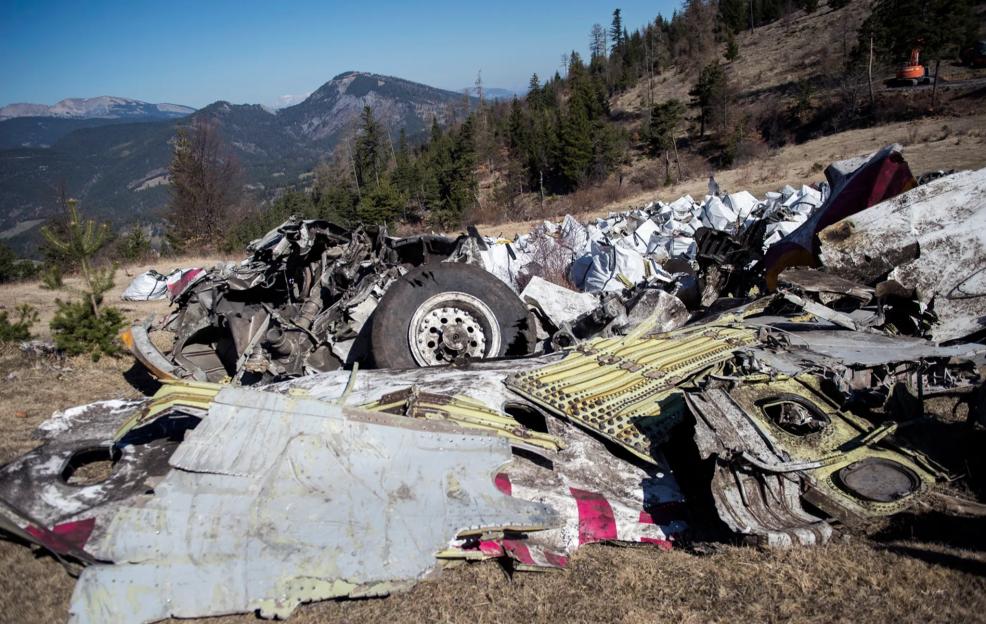 The wreckage collected from the crash site in Le Vernet, southern FranceCredit: AFP
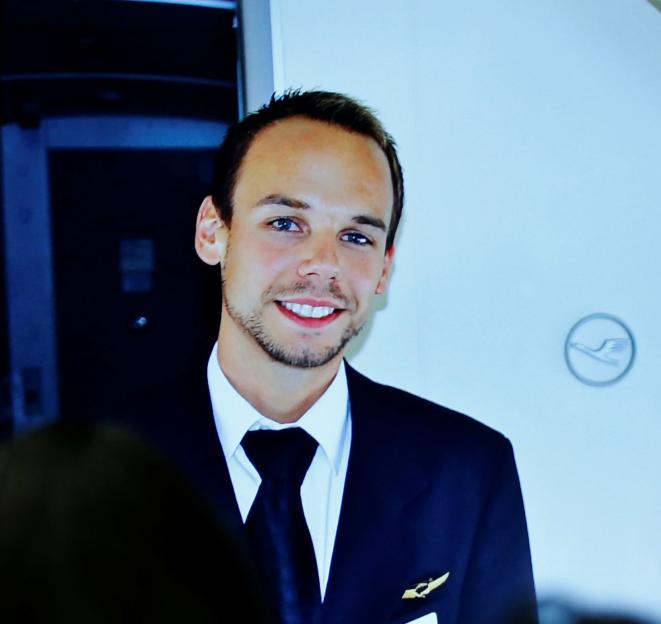 Co-pilot Andreas Lubitz was operating the plane when the crash happened in March 2015Credit: Reuters
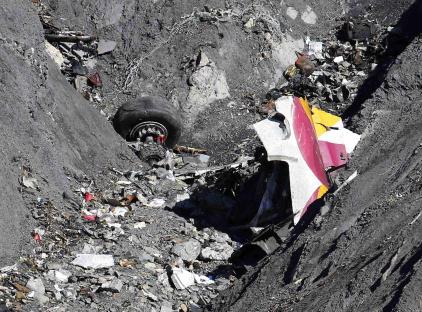 Horror pictures show the wreckage of the Airbus A320 is seen at the site of the crashCredit: Reuters
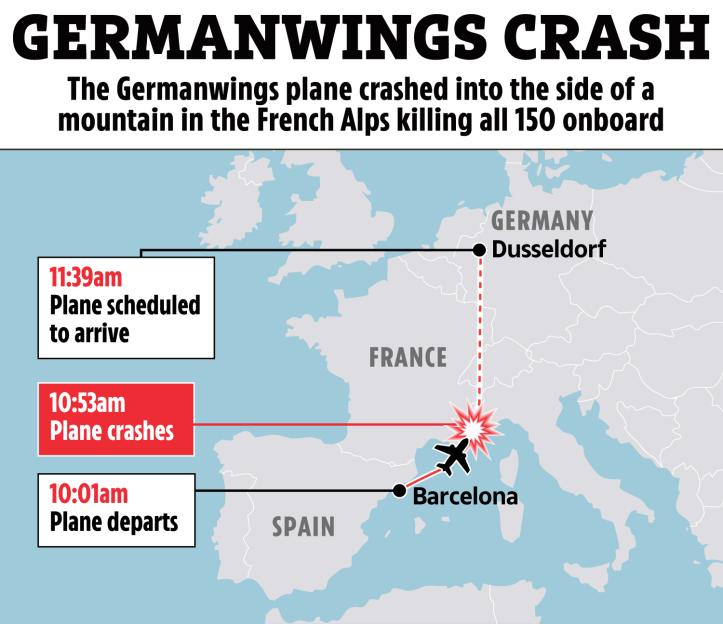
All 150 on board died – including 16 schoolchildren – as desperate cockpit recordings captured the captain screaming to “open the damn door” to co-pilot Andreas Lubitz while locked out.
Investigators later .
Now, more than a decade on, aviation expert Julian Bray has revealed the industry has tightened safety – and the disaster sparked a string of huge changes.
But he said the threat can never be fully eliminated.
He told The Sun: “It’s not a question of these tragedies becoming common. But when they do happen, they’re devastating.”
The horror unfolded mid-flight from to .
Lubitz waited until the captain left the cockpit and then used a security override to lock the reinforced door, investigators said.
As the jet dropped from 38,000 ft, desperate bangs echoed from outside.
Cockpit recordings captured the captain’s final pleas to “open the damn door” while the co-pilot sat in silence.
Moments later, the plane smashed into a mountainside at hundreds of miles an hour.
There were no survivors.
Investigators later uncovered that and he had even torn up a doctor’s note declaring him unfit to fly.
In the aftermath, global aviation was forced into a sweeping rethink.
Pilots now face far stricter medical scrutiny, especially around mental .
Bray explained: “A great deal has happened since the Germanwings events.
“What happens now is that pilots are put through very rigorous medicals, and the release of medical history is a lot easier now.
“There was an international backlash on it.”
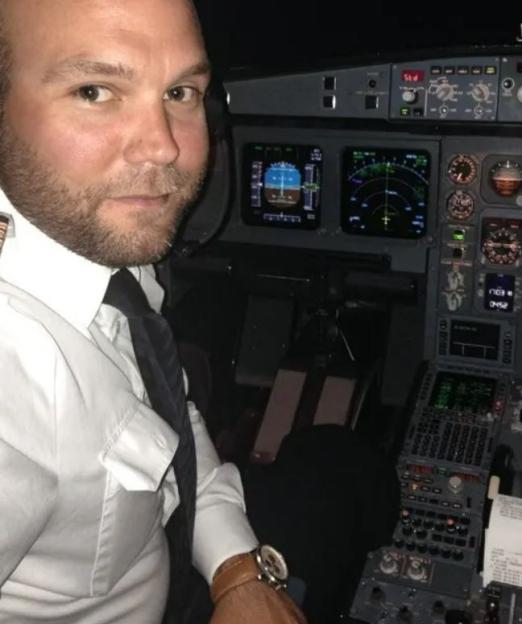 Captain Patrick Sondenheimer left the cockpitCredit: SONDE-STIFTUNGSFONDS.DE
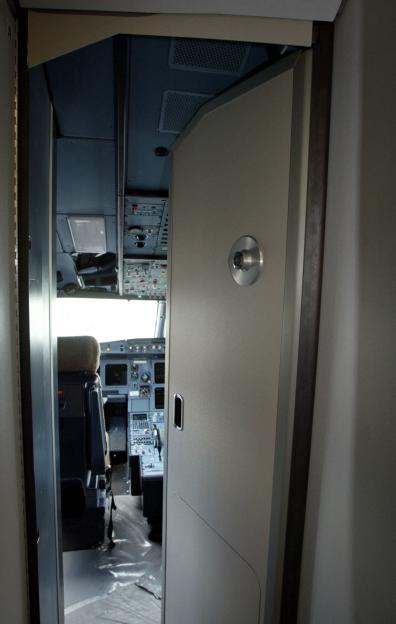 Reports say Lubitz was able to override the cockpit door similar to one picturedCredit: AFP
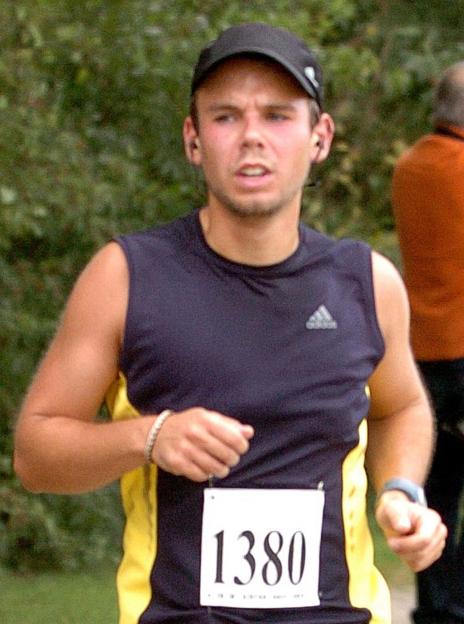 Lubitz had previously suffered with depression, his family saidCredit: EPA
Crucially, cockpit rules were overhauled. And inside the industry, a quiet culture shift has taken hold.
“It is also no longer possible to override the reinforced door lock from the inside and there are supposed to be two people on at any one time,” Bray said, in a direct response to the fatal moment Lubitz was left alone.
“Additionally, there is more reporting of colleagues’ behaviour between pilots.
“Pilots and the cabin crew must report anything they are unhappy with, and they have been assured they won’t get sanctioned or lose their for it.
“Every pilot is now a ‘policeman’ for the other pilot, so to speak.”
Despite the reforms, the nightmare scenario can never be ruled out completely.
Bray admitted: “From time to time, these incidents will happen, but it is still pretty rare.”
He pointed to other suspected incidents as grim reminders – , where critical systems were reportedly interfered with mid-flight.
And because of the scale of the devastation, every case sends shockwaves worldwide.
“Because we are all looking for it now, it gets extensive coverage and everyone wonders when and where the next one might occur,” Bray said.
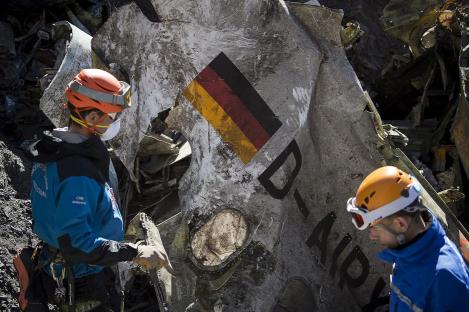 The plane was completely obliterated after the crashCredit: AFP
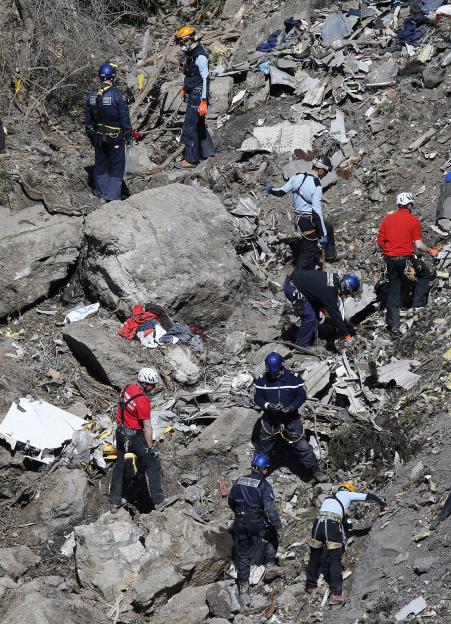 Search and rescue workers make their way through debris at the crash site of the Germanwings Airbus A320Credit: EPA
From the “two-person cockpit rule” to tougher medical checks and better data recording, the Germanwings crash triggered sweeping changes.
But it also exposed a brutal truth that a single individual, in the wrong state of mind, can still bring down an aircraft.
One of the biggest changes has been behind the scenes.
Pilots are now tested every six months – not just on flying, but on their psychological state.
According to Bray, assessments are deeper, more intrusive and far harder to hide behind.
He explained: “The six-monthly evaluation and retesting is far more centred on now.
“When they actually renew the certificate for the next six months, that psychological aspect is closely scrutinized.”
Today, has improved, systems are tighter, and oversight is stronger.
But human behaviour – the factor at the centre of the Germanwings disaster – remains unpredictable, Bray explained.
“Yes, we are safer because all the technology improves,” he said.
“But there is always room for improvement, so you cannot be complacent.”
“I think the most important consideration is not to be relaxed about reporting incidents or things that might affect the operation of the company.
“We must be vigilant, even more so now when there are bad actors around, and just be very aware.
“I would also say to passengers that they, too, should be aware and look around. This is a situation of mutual help where everyone looks after everyone else.”
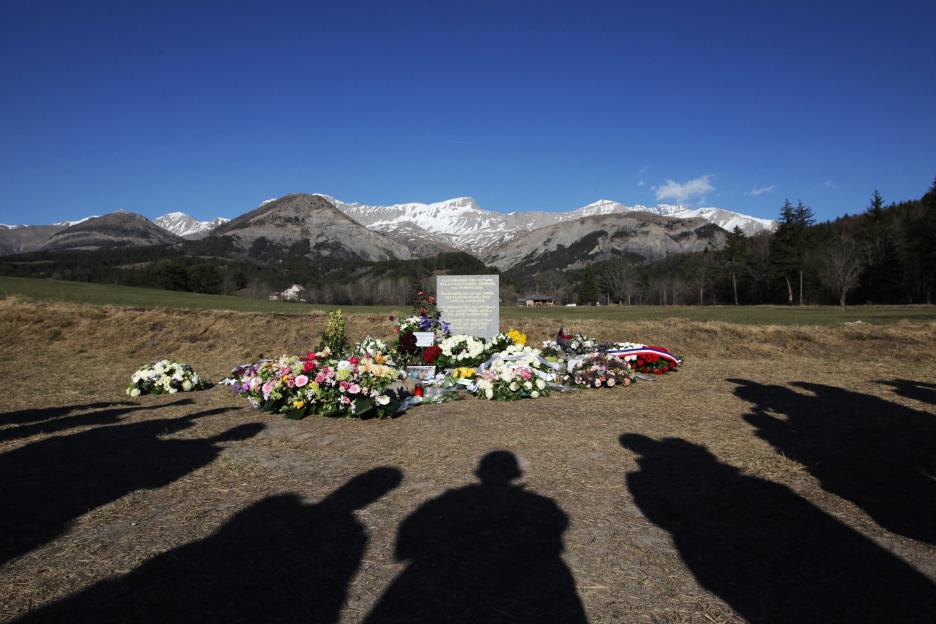 A memorial was made to the victims Germanwings Airbus A320 crash in the village of Le Vernet, southeastern FranceCredit: AFP
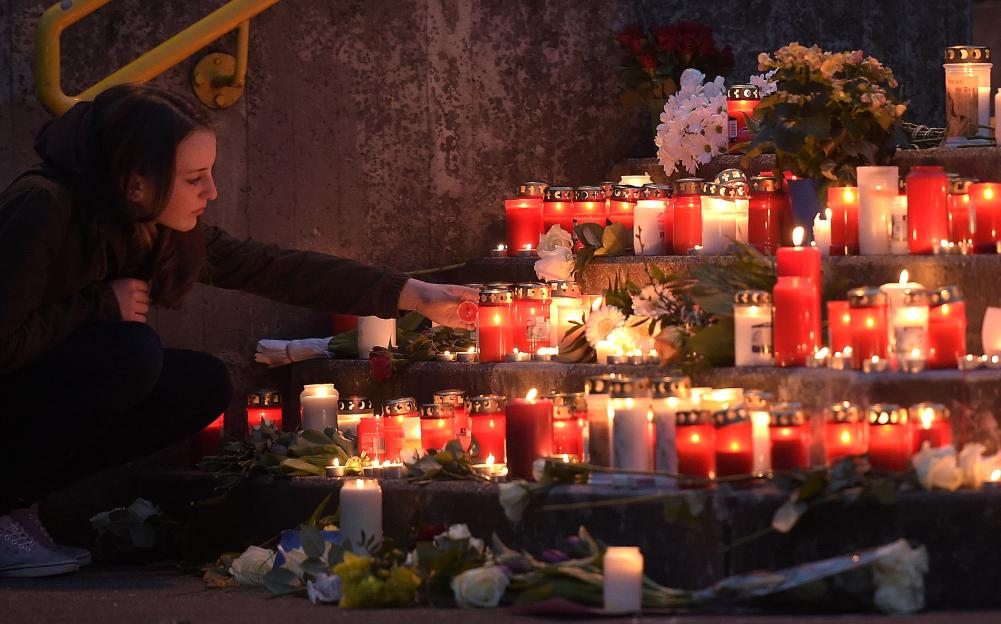 The horror crash left no survivorsCredit: AP:Associated Press