A RUSSIAN ship that sank off Spain was carrying two nuclear reactors bound for North Korea as the cause of the explosion remains a mystery.
The fate of the has been shrouded in secrecy since it sank in December 2024.
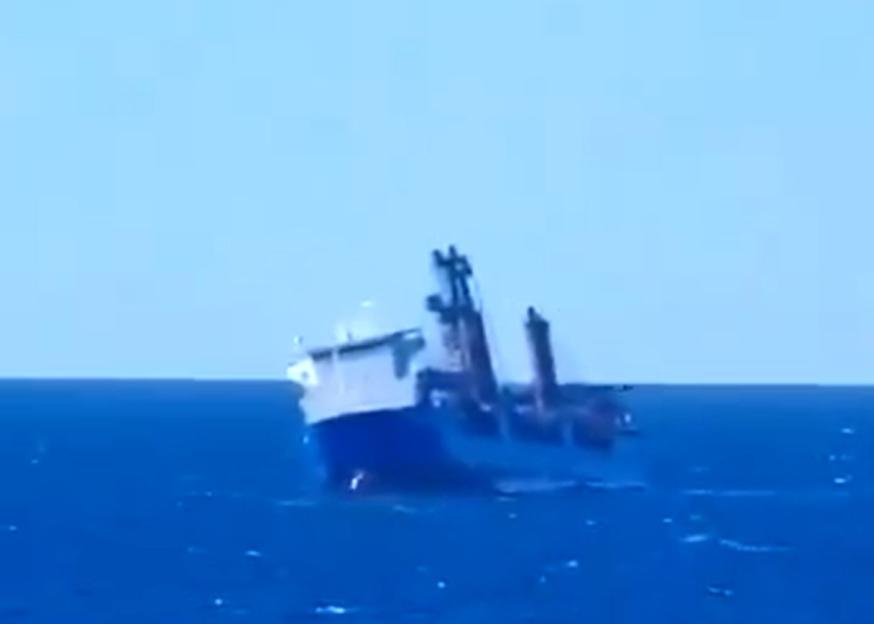 The Russian vessel was thought to be carrying two nuclear reactors Credit: x.com/@Capt_Navy
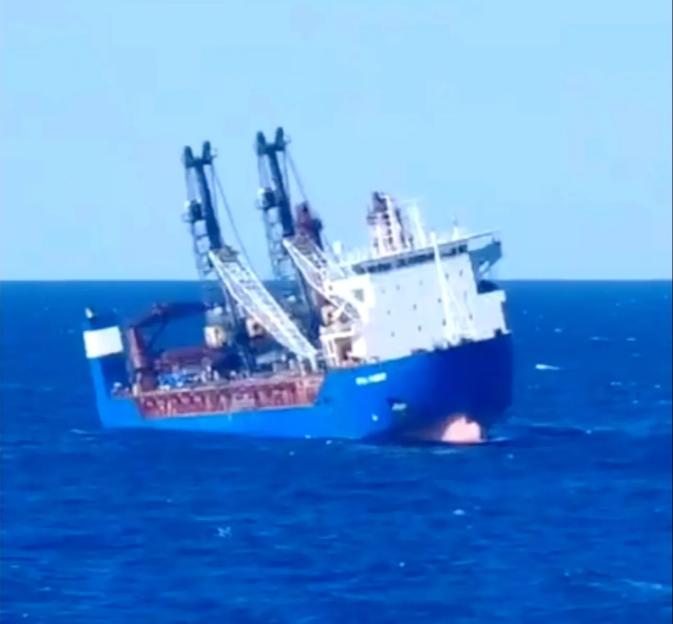 It was allegedly bound for North Korea
However, CNN reports it may have been a high-stakes intervention by Western powers to prevent from transferring nuclear technology to key ally .
The vessel set sail just two months after Kim Jong Un reportedly sent troops to support Vladimir Putin’s invasion of .
A recent flurry of military activity has only deepened the mystery surrounding the ship and its cargo.
US aircraft have reportedly flown over the sunken wreck twice in the past year, according to public flight data.
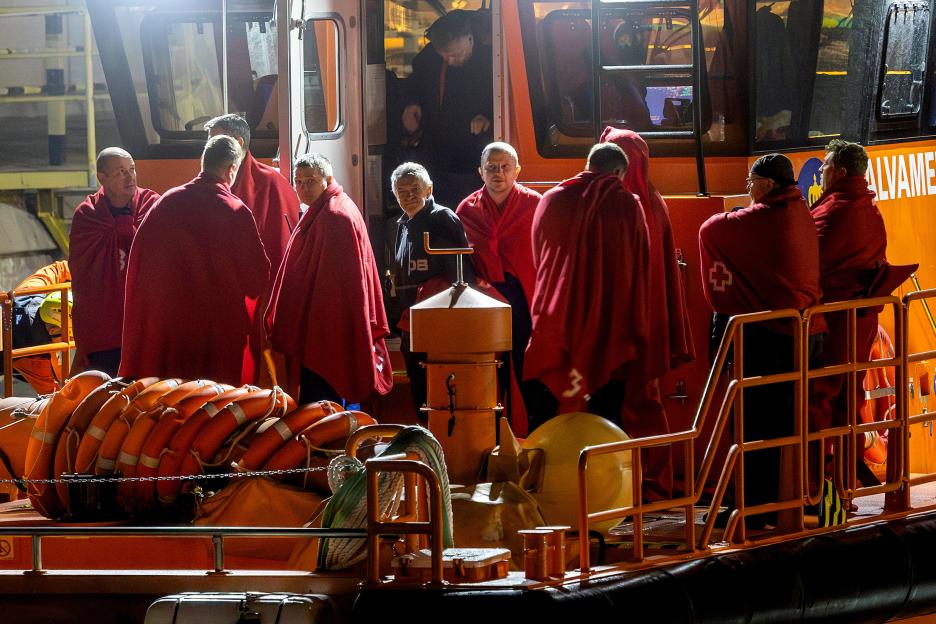 The crew were taken ashore by Spanish authorities Credit: Reuters
The wreck was also visited a week after it sank by a suspected Russian spy ship, which allegedly triggered four further explosions.
The Spanish government has released few details about the incident, though it confirmed the ship’s Russian captain told investigators it was carrying “components for two nuclear reactors similar to those used in submarines”.
He added that he was unsure whether they were loaded with nuclear fuel.
Investigators have suggested the chain of events leading to the sinking may have involved a rare type of torpedo breaching the vessel’s hull.
The incident took place during the final days of Joe Biden’s presidency, when the war in Ukraine was shifting in Moscow’s favour.
At the time, officials were reportedly keen to avoid any direct escalation with Russia.
On its final voyage, the ship’s manifest listed Vladivostok in Russia’s Far East as its destination.
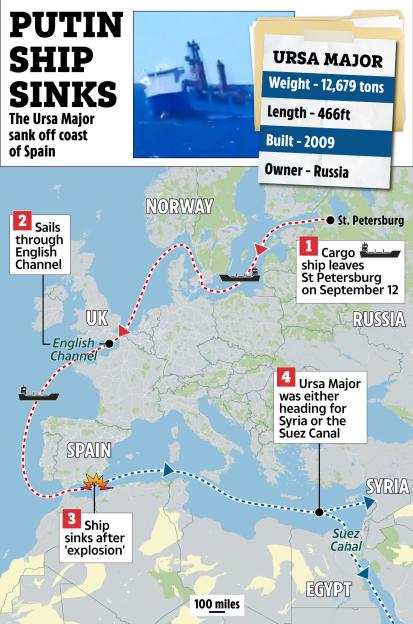
It departed St Petersburg on December 11, carrying two large “manhole covers”, two cranes and several empty containers.
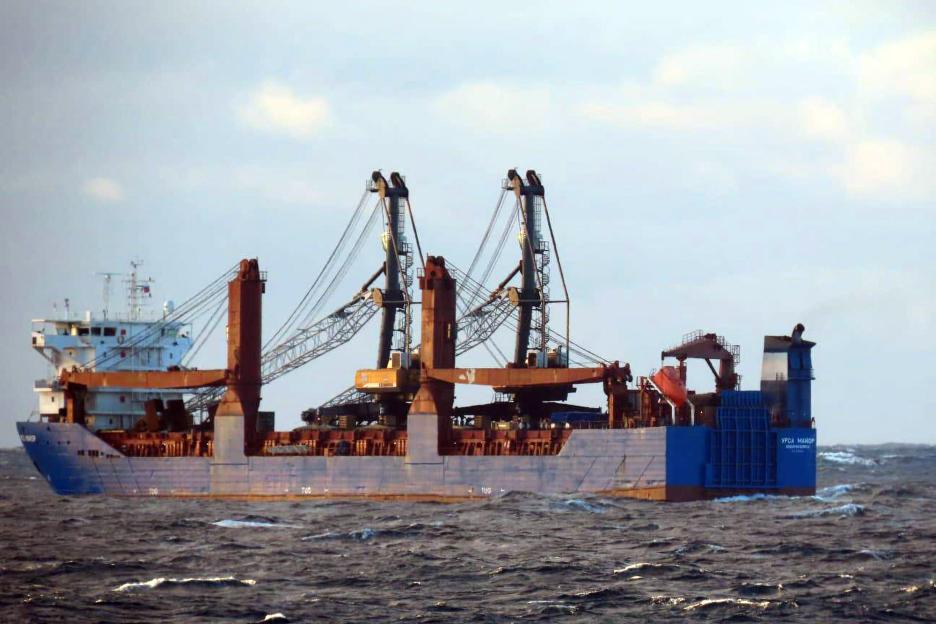 The ship remains sunk at the bottom of the ocean Credit: AFP
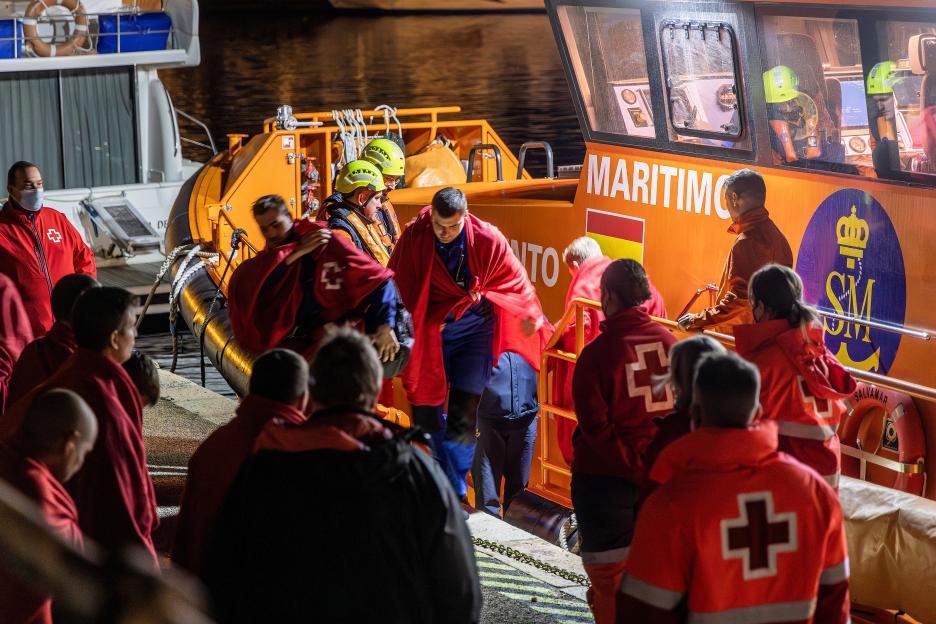 The ship’s crew were quickly whisked back to Russia Credit: Reuters
It was escorted by two Russian military vessels as it travelled down the French coast into Spanish waters.
The vessel suddenly began to slow dramatically, prompting the Spanish coastguard to check if it was in distress.
The crew insisted it was stable.
Around 24 hours later, the ship abruptly changed course and issued a distress call shortly before midnight, reporting three explosions on its starboard side that killed two crew members.
The 14 surviving crew were evacuated by lifeboat and brought ashore.
Shortly afterwards, one of the escorting Russian ships ordered Spanish authorities to stay away and demanded the crew be returned.
The Spanish coastguard refused and dispatched a helicopter to search for survivors.
At that stage, the vessel still appeared stable and not in immediate danger of sinking
However, the Russian escort reportedly fired signal flares and four further explosions followed, sending it to the bottom of the ocean.
Once on land, the crew and captain were questioned by Spanish authorities.
The captain reportedly came “under pressure to clarify what he meant by ‘manhole covers,’” and allegedly admitted they were components for two nuclear reactors.
He said he believed the shipment was ultimately destined for the North Korean port of Rason.
The crew were later returned to Russia.
Spanish authorities now estimate the wreck lies at a depth of around 8,200 ft.
They added that recovering any onboard data recorder “is not possible without significant technical resources and risks.”
For now, the answers to the mystery of the Russian ship remain deep at the bottom of the ocean.