
Keir Starmer Sidesteps Sleaze Investigation Linked to Mandelson Scandal, Averts Major Rebellion in Key Vote
SIR Keir Starmer swatted away a bid to drag him into a sleaze probe — but suffered fresh embarrassment as a handful of MPs broke ranks. The Commons rejected cal...
 Written byEze Chidiebere Paul
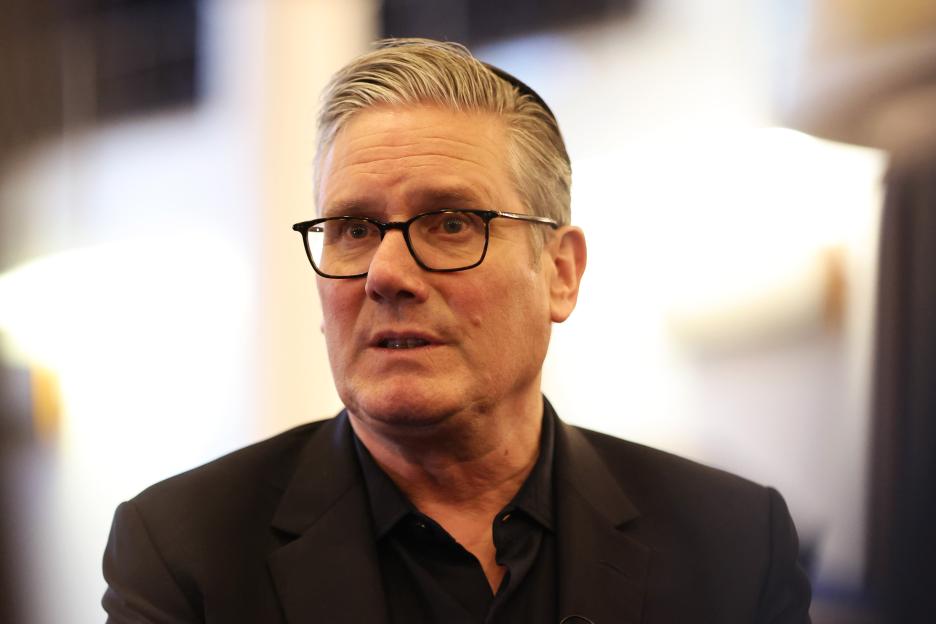
SIR Keir Starmer swatted away a bid to drag him into a sleaze probe — but suffered fresh embarrassment as a handful of MPs broke ranks.
The Commons rejected calls to refer the PM to the Privileges Committee over the vetting row – handing No10 a crucial win.
 Sir Keir Starmer faced a triple threat to his premiership as he scrambled to stop Labour rebels teaming up with the Tories Credit: PA
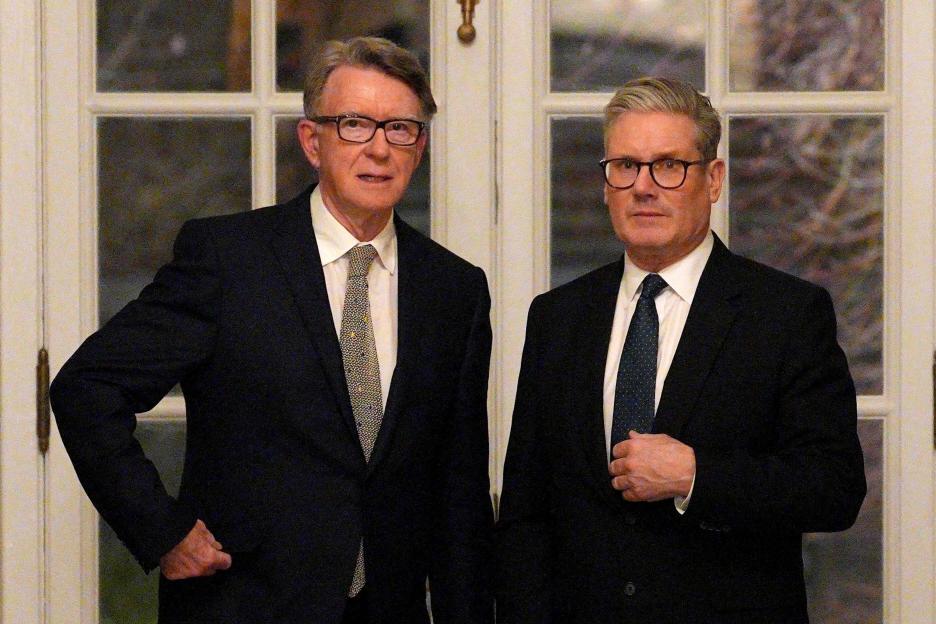 Former US Ambassador Peter Mandelson and Prime Minister Sir Keir Starmer Credit: Alamy
MPs voted 335 to 223, majority of 112, to vote down the Tory motion.
But the victory came at a cost as a few rebels are understood to have defied the whip, underlining the unease inside Labour ranks.
The PM remains under intense pressure over his decision to parachute Mandelson — a friend of paedophile — into the plum US ambassador job, with the row set to rumble on beyond the .
Opposition parties had accused Sir Keir of misleading over claims that “full due process” was followed and that “no pressure whatsoever” was applied during the appointment process.
Downing Street denies those claims and had urged MPs to reject what it branded a political stunt.
The crunch vote followed a bruising day of evidence from senior civil servants that kept the scandal alive in Westminster.
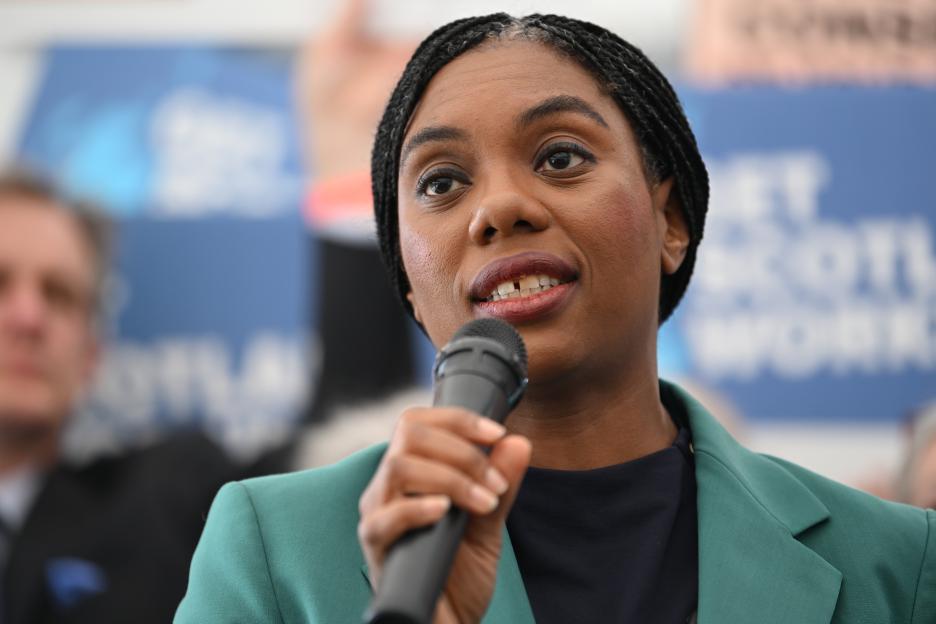 Tory leader Kemi Badenoch Credit: Euan Cherry/PA Wire
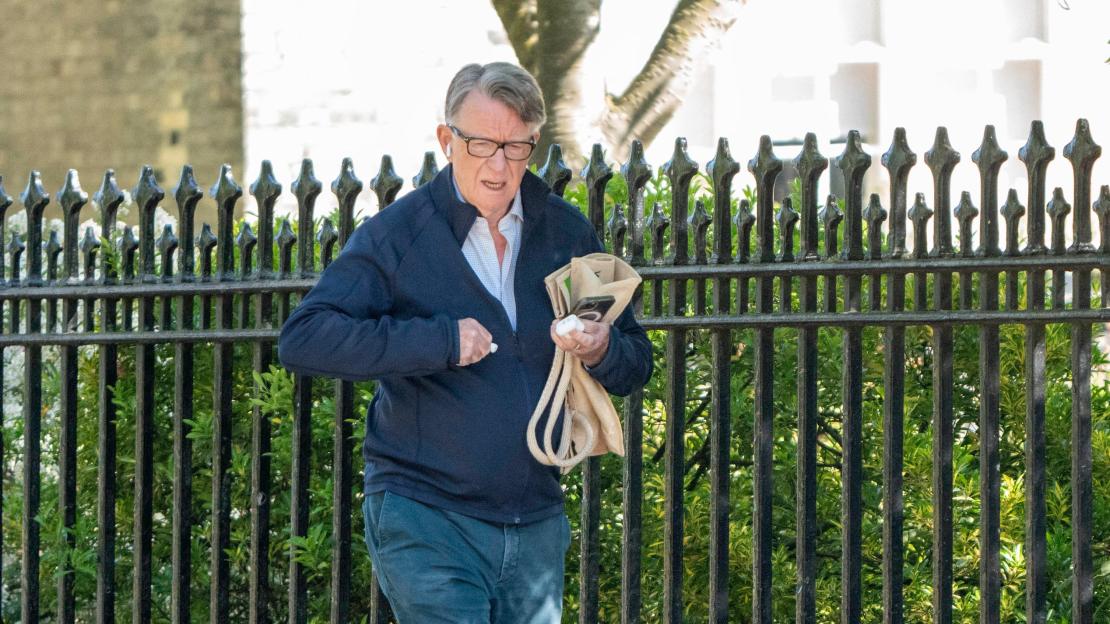 Former US Ambassador Peter Mandelson was sacked less than a year into the role after fresh revelations emerged about his links to Epstein Credit: Chris Eades
Morgan McSweeney – the PM’s former right-hand man – tried to absorb much of the criticism being levelled at Sir Keir for appointing the Labour peer.
He said subsequent revelations of Mandelson’s relationship with the paedophile were like a “knife through my soul”.
The political strategist also conceded he had made a “serious error of judgment” but insisted he never pushed officials to wave the appointment through “at all costs”.
He also revealed the decision to appoint Mandelson was taken after Donald Trump’s US election victory, amid hopes he could help secure a trade deal with the incoming administration.
Earlier, Philip Barton – the Foreign Office’s top civil servant at the time of the appointment – said he was “presented with a decision and told to get on with it”.
He made clear he was not consulted beforehand, adding there was “no space for dialogue” despite the sensitivity of the role.
Sir Philip also revealed the normal process had been flipped, with Mandelson’s appointment announced before full Developed Vetting had even begun.
He warned that an initial suggestion the peer might not need top-level clearance because he was a “fit and proper person” was “odd and insufficient”.
The Cabinet Office later reversed that position and agreed full vetting was required — but only after the public announcement had already been made.
Sir Philip said there was “absolutely” pressure to get the process done quickly — but stressed he was not aware of pressure on the “substance” of the vetting decision itself.
That evidence builds on earlier testimony from his successor in the Foreign Office Sir Olly Robbins, who warned of an “atmosphere of pressure” around the process.
Another senior official, Ian Collard, said he “felt pressure to deliver a rapid outcome” to the clearance decision.
Documents also show Mandelson was granted access to the Foreign Office building and sensitive briefings up to Secret level before full clearance, under special arrangements.
Mandelson was later sacked less than a year into the role after fresh revelations emerged about his links to Epstein, including past comments describing him as a “best pal”.
Continue reading
Fury as unions draw up ‘wish list for wrecking Britain’ with demands to tear up anti-strike laws
UNIONS are drawing up a “wish list” for wrecking Britain by demanding a new raft of new protections for workers, the Tories say. Pressure is being heaped on to...

Moment terrified passengers scream ‘we will die’ as flight hit by extreme turbulence & pilot fails to land 3 times
THIS is the terrifying moment screaming passengers feared for their lives as a pilot aborted three landing attempts in extreme turbulence. Heart-stopping video...

If you can chase Obi, chase bandits – VDM challenges Benue youths
Popular social media critic, VeryDarkMan, has challenged youths in Benue State to channel their ability to mobilise against political figures into fighting the...
Thug brothers attacked Uber Eats driver in ‘vicious’ assault after he took too long to deliver McDonald’s burgers
TWO brothers brutally attacked an Uber Eats driver after they thought he had taken too long to deliver their McDonald’s order. Charlie Campbell, 21, and Tyler C...