
College of Nursing Jalingo Refutes Tuition Hike Claims and Calls Protest Reports Inaccurate
The management of the College of Nursing, Jalingo, has dismissed reports alleging that students staged a protest over an increase in tuition fees, describing th...
 Written byEze Chidiebere Paul
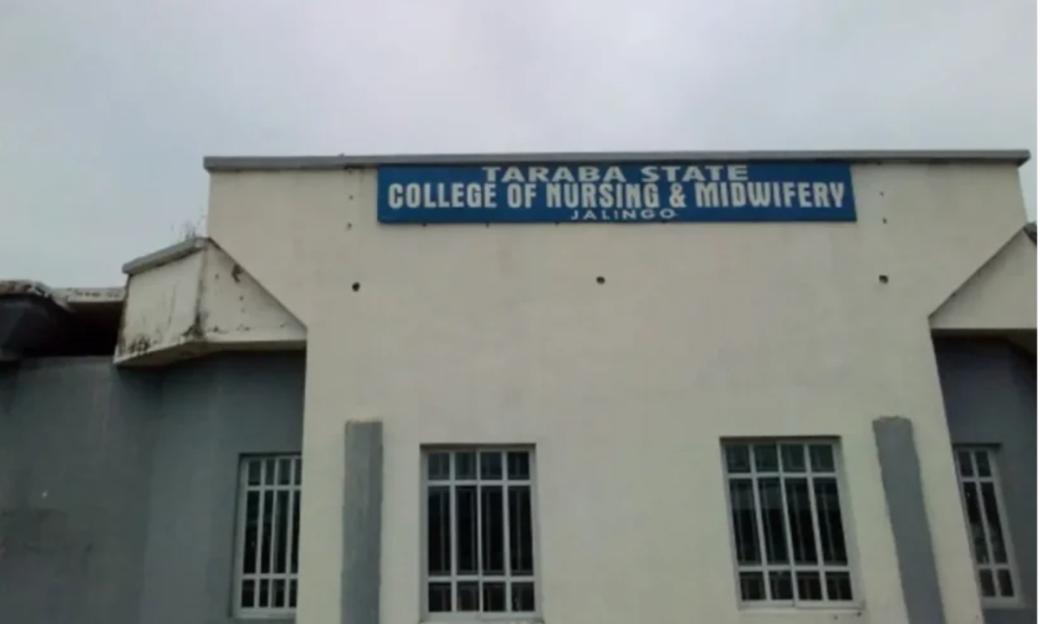
The management of the College of Nursing, Jalingo, has dismissed reports alleging that students staged a protest over an increase in tuition fees, describing the claims as false and misleading.
Reports recently circulating on social media claimed that the institution had reviewed its fee structure, sparking unrest among students.
However, the Provost of the College, Dr Dorcas Dugule, refuted the allegations, stating that the institution’s management had made no such decision.
“The information is a figment of the imagination of its publishers. At no point has the management initiated or even considered any increase in tuition fees, let alone a situation that could lead to a student protest,” she said.
Dr Dugule, who made the position of the school known on Tuesday in Jalingo, expressed concern over what she described as the rise of unverified and sensational reporting, warning that such practices misinform the public and damage the credibility of journalism.
“It is alarming that anyone claiming to operate under professional guidelines would publish such a damaging report without the most basic step of verification. This is not only reckless but also a disservice to the public and the institution involved,” she added.
She urged the public to disregard the reports, assuring that the college remains stable and focused on its academic mandate. According to her, since assuming office in late 2025, the administration has prioritised institutional development, discipline, and improved standards in both academic and infrastructural areas.
The Provost also commended the cooperation of the institution’s management team, noting that their efforts are aimed at positioning the college as a centre of excellence in nursing education.
Dr Dugule further called on the Nigerian Union of Journalists (NUJ) and other regulatory bodies to strengthen oversight within the profession, stressing the need to enforce ethical standards and hold accountable those who spread misinformation.
“The consequences of publishing unverified information are far-reaching. It can incite unnecessary panic, damage reputations, disrupt institutional harmony, and undermine public trust. Journalists must understand that credibility is their most valuable asset, and once lost, it is difficult to regain,” she said.
She urged media practitioners to prioritise accuracy, fairness and truth in their reporting, noting that the integrity of journalism depends on adherence to ethical standards.
Continue reading
Fury as unions draw up ‘wish list for wrecking Britain’ with demands to tear up anti-strike laws
UNIONS are drawing up a “wish list” for wrecking Britain by demanding a new raft of new protections for workers, the Tories say. Pressure is being heaped on to...
Moment terrified passengers scream ‘we will die’ as flight hit by extreme turbulence & pilot fails to land 3 times
THIS is the terrifying moment screaming passengers feared for their lives as a pilot aborted three landing attempts in extreme turbulence. Heart-stopping video...

If you can chase Obi, chase bandits – VDM challenges Benue youths
Popular social media critic, VeryDarkMan, has challenged youths in Benue State to channel their ability to mobilise against political figures into fighting the...
Thug brothers attacked Uber Eats driver in ‘vicious’ assault after he took too long to deliver McDonald’s burgers
TWO brothers brutally attacked an Uber Eats driver after they thought he had taken too long to deliver their McDonald’s order. Charlie Campbell, 21, and Tyler C...