
Heartbreaking Loss: We Couldn't See Our 9-Year-Old Dylan Shine as the Reindeer in His School Nativity Before His Untimely Passing from 'Flu'
A NINE year-old boy died from sepsis after a hospital discharged him with flu, ignoring the GP’s warning of appendicitis. Dylan Cope was sent to A&E for suspect...
 Written byEze Chidiebere Paul
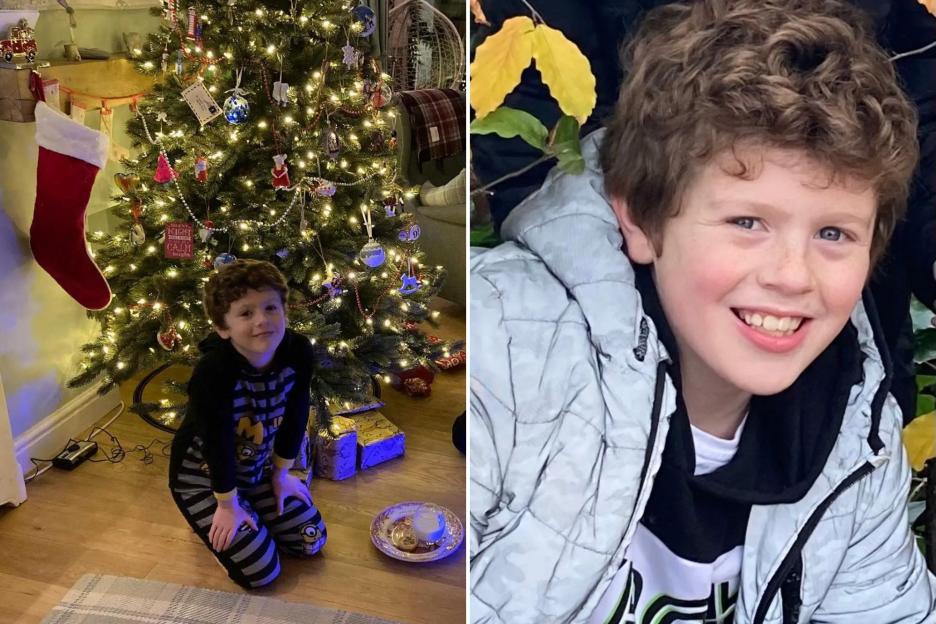
Table of Contents
A nine-year-old boy passed away from sepsis after being discharged from the hospital with a flu diagnosis, despite his GP's warning of potential appendicitis.
Dylan Cope was sent to A&E with suspected appendicitis, but he was diagnosed with influenza. Had Dylan undergone surgery to remove his burst appendix, “his death could have been prevented.”
 Dylan Cope, 9, died just days after being discharged from the hospital with a flu diagnosis.
Now, his mother expresses that she carries a “lifetime of pain” as she advocates for the distribution of informational leaflets to address the failures evident in her son's tragic situation.
Dylan, who lived in Newport, passed away on December 14, 2022, and an inquest in May 2024 concluded that multiple individual errors led to his wrongful discharge, culminating in “a gross failure of basic care.”
The “fit and healthy young boy” enjoyed life and loved baking with his mother and brother.
In a statement read by Ms. Saunders during the inquest, Dylan’s father remarked: “He was very loving, and nothing brought him greater joy than hearing over Alexa that free hugs were available in the lounge.”
He added: “While we should have been watching him perform as a reindeer in the school play, we were instead watching him die.”
Dylan was initially taken to the hospital with severe abdominal pain and was advised to go directly to Grange University Hospital in Cwmbran. The attending doctor alerted the hospital staff of her suspicion of appendicitis.
Dylan was seen by Samantha Hayden, a pediatric nurse practitioner, who failed to follow up on the GP's notes, which were provided by Dr. Amy Burton.
While she claimed that it was common practice not to consider the notes before conducting her own examination, she informed the coroner that it was an “exceptionally busy” day at the hospital.
An unidentified clinician subsequently examined the nine-year-old and “dismissed any concerns regarding Dylan’s appendix.” He was sent home with ibuprofen and a leaflet about “coughs and colds in children” after testing positive for flu.
Days went by without any improvement in Dylan’s condition, and the family experienced a two-hour wait for a callback during which Dylan’s legs began to show signs of mottling.
Dylan’s father rushed back to A&E at the Grange before Dylan was immediately transferred to the University Hospital, where it was determined that his appendix had ruptured.
“The doctors informed us that there was nothing more they could do for him; it was highly unlikely that Dylan would survive,” Mr. Cope stated. He was gradually withdrawn from care, and Dylan passed away on December 14.
The coroner concluded that Dylan would still be alive had he not been sent home from the hospital on December 6, attributing his death to “neglect.”
Corinne, Dylan’s mother, continues her campaign three years later, asserting: “Dylan and many others like him—whose lives and preventable deaths—should not be in vain. It can’t all be for nothing.”
She added that while campaigning feels like the right thing to do, it does not alleviate her grief: “The death of a child, especially when it is preventable, is incredibly complex… It’s a life sentence of pain and wonder that you wouldn’t wish on anyone.”
Knowing that her son’s death could have been avoided only “adds extra layers of complexity and difficulty to navigate,” she noted.
Corinne aims to introduce the “Spotting the Unwell Child” leaflet—widely utilized in other areas—in a joint campaign with the Sepsis UK Trust.
On the anniversary of her son’s tragic death, she told WalesOnline : “The only reason I’ve pursued this is that it didn’t already exist, and I felt insufficient action was being taken upon learning of the avoidable harm and deaths from sepsis—and the scale of it.”
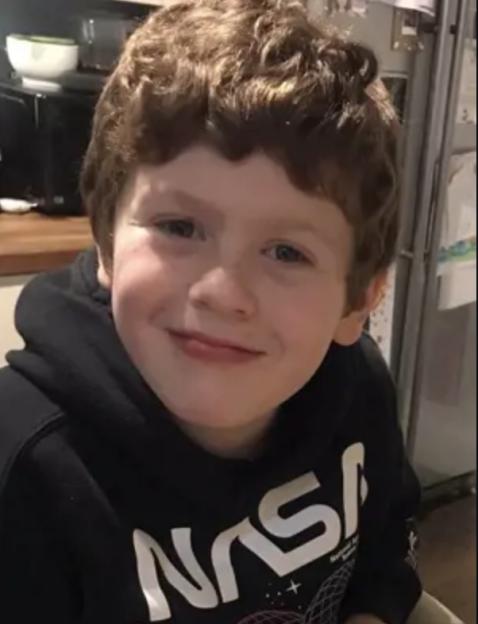 Dylan’s mother, Corinne, has been advocating for awareness since his death in 2022.Credit: WNS
The trust has been striving for years to get it adopted, she continued: “I thought I would do my part, following Dylan’s tragedy, to bring it back into focus.”
The repeated failures of hospitals indicate that there isn’t a “zero-tolerance approach to avoidable harm and death.”
She remarked: “I understand the constraints the NHS faces now more than ever. There are so many dedicated individuals doing remarkable work.”
“However, from my experience, I have painfully learned that our hospitals, particularly, are chronically unsafe, and there is a significant lack of robust safeguards in place.”
To address this, Corinne has campaigned for All-Wales safety-netting leaflets for both adults and children to be accessible across primary and secondary care.
The leaflets, now approved thanks to Corinne, include QR codes linking to NICE-endorsed, NHS-branded UK Sepsis Trust information and are designed
Continue reading

Should fried food and Coco Puffs be off the menu at schools? Two parents go head-to-head
SCHOOL kids’ traditional fish-and-chip Fridays could become a thing of the past. including fried eggs, pizzas, and Coco Pops, to make room for healthier alte...
Fat jabs have turned me from 22st binge-eater into a sex machine having 6-HOUR romps… what happened when I came off them
AT her lowest moment, Lizz Adair was eating herself into an “early grave” at 22 stone, scoffing takeaways for dinner followed up by a family-sized Galaxy bar or...

The 23p fruit you need to scatter over your lawn this winter to stop weeds growing on grass
NOW that we’re officially into autumn, it’s time to prepare our gardens for the colder months ahead. And the wet and icy seasons are the perfect time to tackle...

I had no idea an OTC COLD REMEDY could leave me in the grips of horror 10-year addiction… don’t make my, common, mistake
WHEN Louise Gough went into a chemist to find medicine for a cold at the age of 18, she didn’t imagine she’d still be using it ten years later. The 30-year-old...