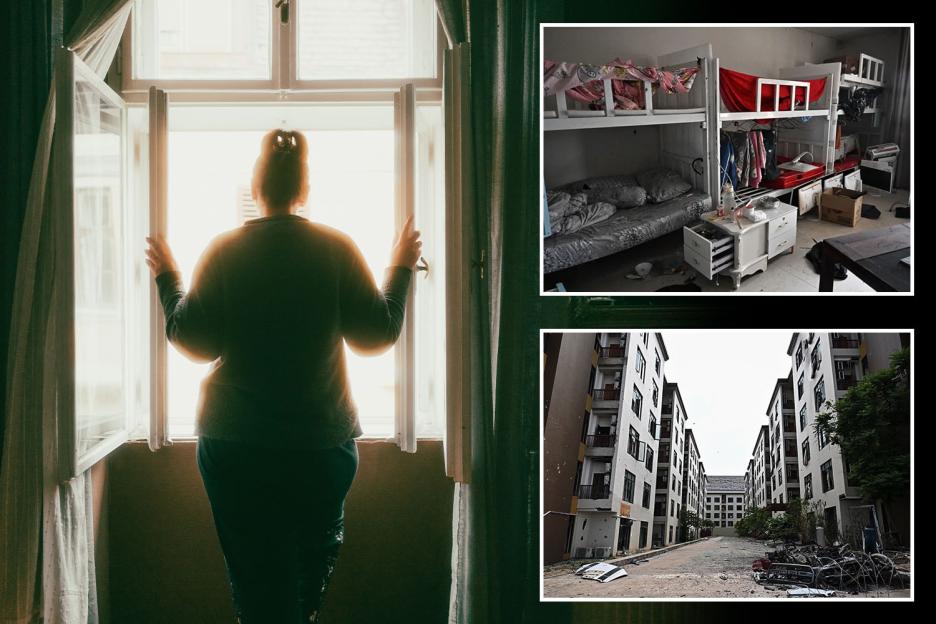
BEHIND barbed wire, terrified women wait to be taken from their dormitories by armed guards and led to a torture chamber known as the “dark room”.
There, they are repeatedly beaten and raped as a “prize” for scammers who have successfully conned victims out of their money.
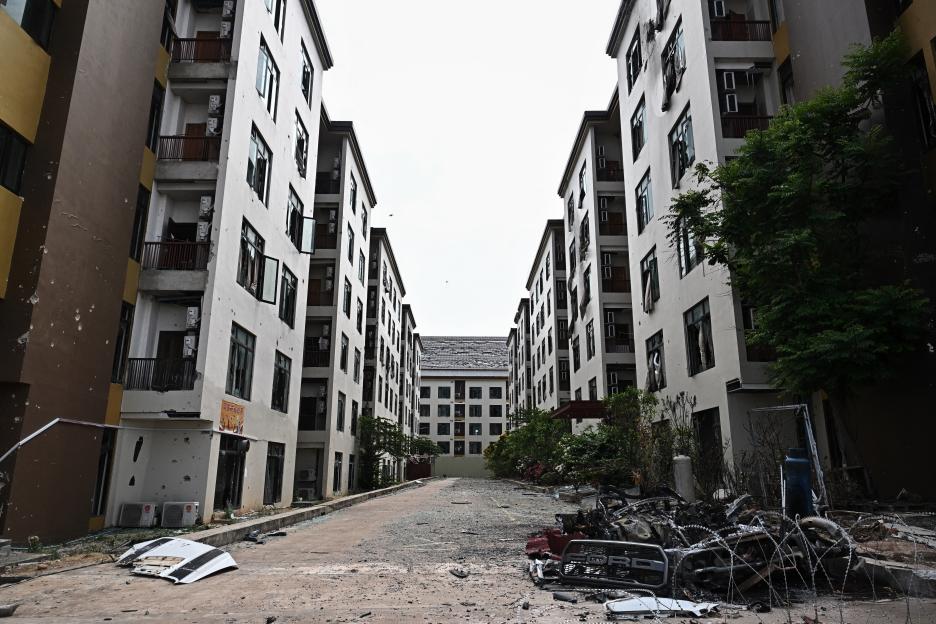 Buildings from the scam centres extend for several acres – creating veritable ‘scam cities’ Credit: AFP
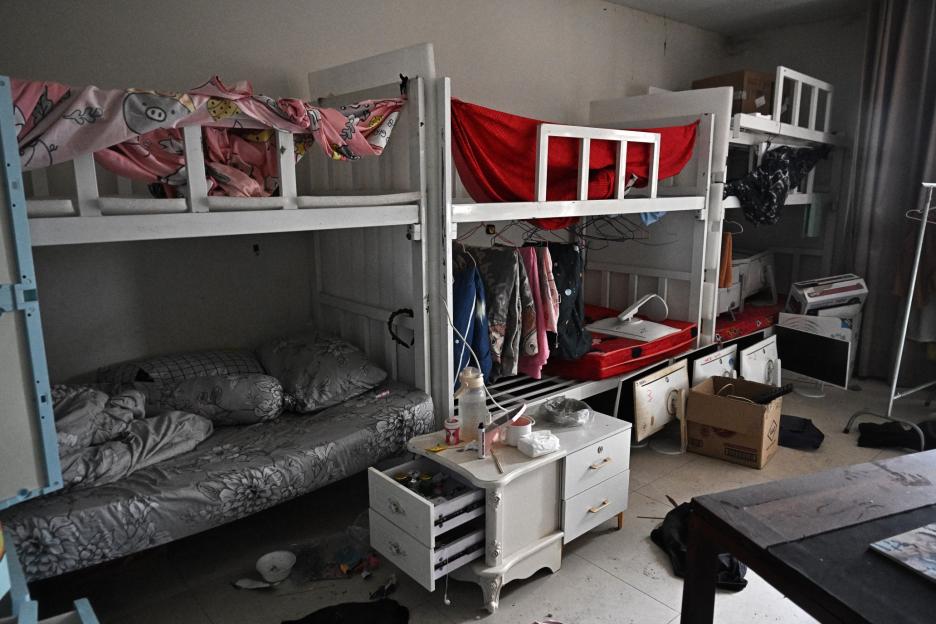 A dormitory inside a scam camp – for women they can be hubs of sexual abuse Credit: AFP via Getty Images
It is the brutal reality inside a vast “slavery empire” operating in near holiday hotspots across Southeast Asia – with unsuspecting UK victims unknowingly helping bankroll the gangsters behind it.
Gang bosses force workers to con international victims through cyber and romance scams.
More than 10,000 Brits lost an average of £9,500 each in romance scams last year, according to Report Fraud and one in five have lost money to finance and crypto fraud, says Citizens Advice.
But the scammers hunched behind glowing screens and stealing pensioners’ life savings may themselves be victims of a sick cycle of abuse.
Workers are given a choice: scam or be beaten with dumbbells and electric batons or sex trafficked between compounds.
In one sickening case, a Brazilian woman was raped as a reward for a “successful” scammer.
She says: “It was like a prize for good work. He said it was like ‘a present’… they raped me.”
She is just one of hundreds of women in one compound who have been the victim of terrifying sexual assault.
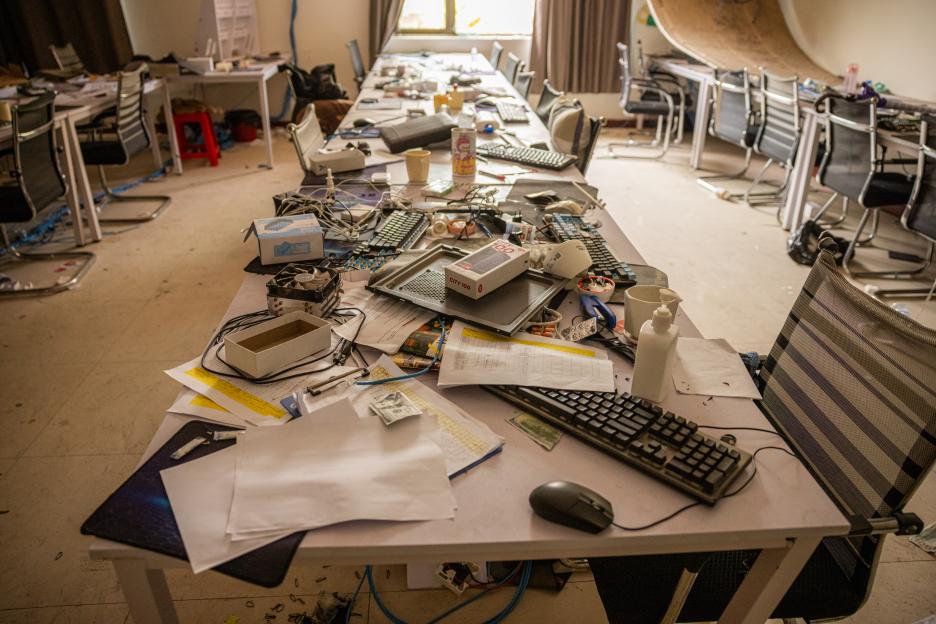 A tangle of laptops, romance scripts and keyboards used to con foreign nationals Credit: Getty
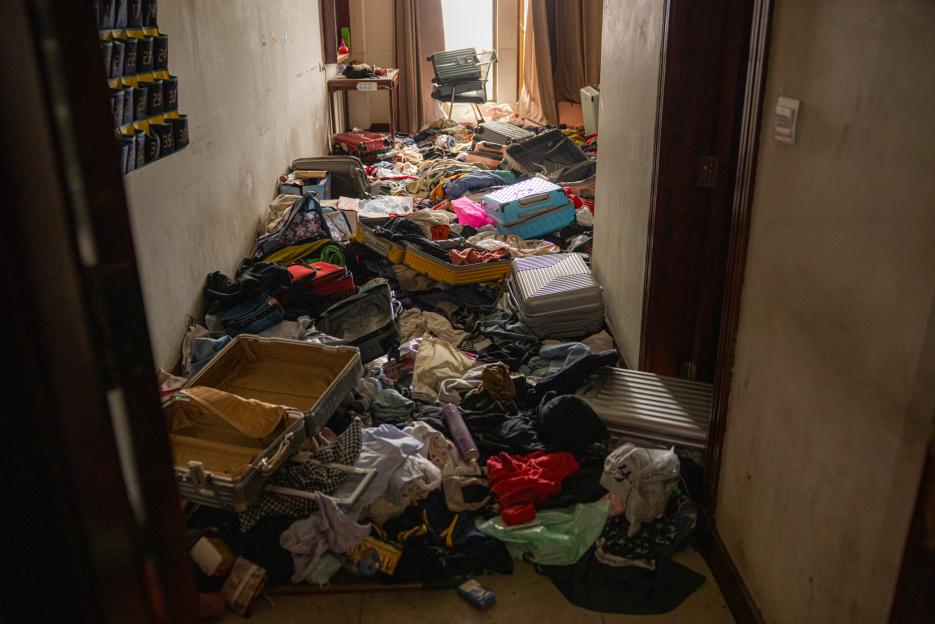 Abandoned clothes and suitcases of cyberscammers fleeing police after they raided a compound in O’Smach Credit: Getty
Many women fall pregnant as a result of rape and are forced to undergo dangerous abortions.
Others have become infected with diseases like HIV, which spread through the compound through further rape and sexual abuse.
Survivors say they have even witnessed workers dying after jumping from balconies in desperate attempts to flee.
According to Mark Wexler, CEO of anti-trafficking charity Not For Sale, one woman who refused to scam was told: “You have two options: transfer to a sex-trafficking outfit or we will take an organ.” Others are publicly tortured or kept on the brink of starvation.
Montse Ferrer, co-director for Southeast Asia at Amnesty, says workers are often taken to a “dark room” to be tortured.
She says: “The electric baton was the most common, but there are other forms of torture. There are some people who were asked to stand for 36 hours.”
The victims are usually lured into the compounds on the promise of work.
Montse says the majority of victims are over 18, but the youngest she has encountered was just 14 years old.
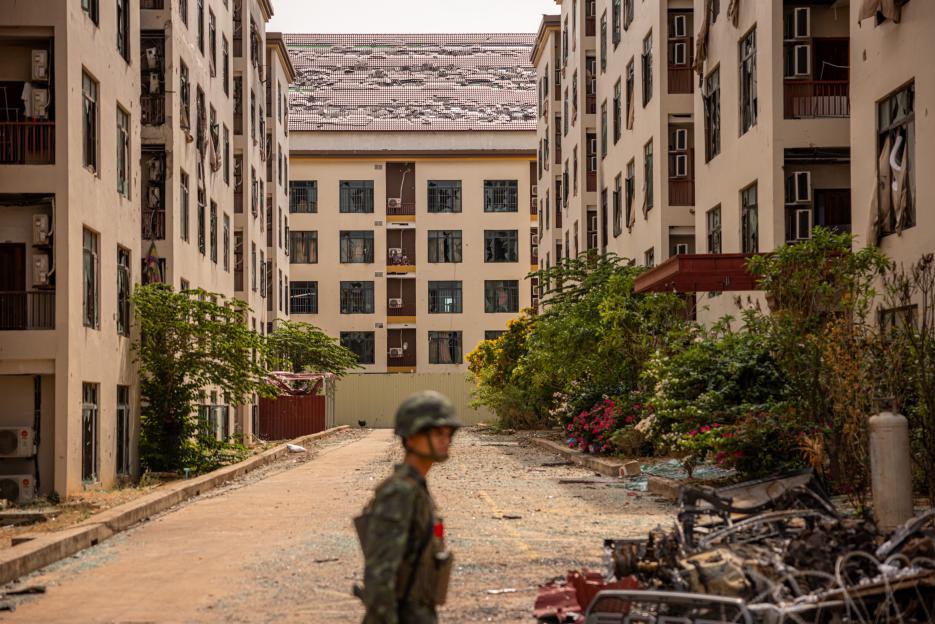 Office towers in a scam city in Cambodia Credit: Getty
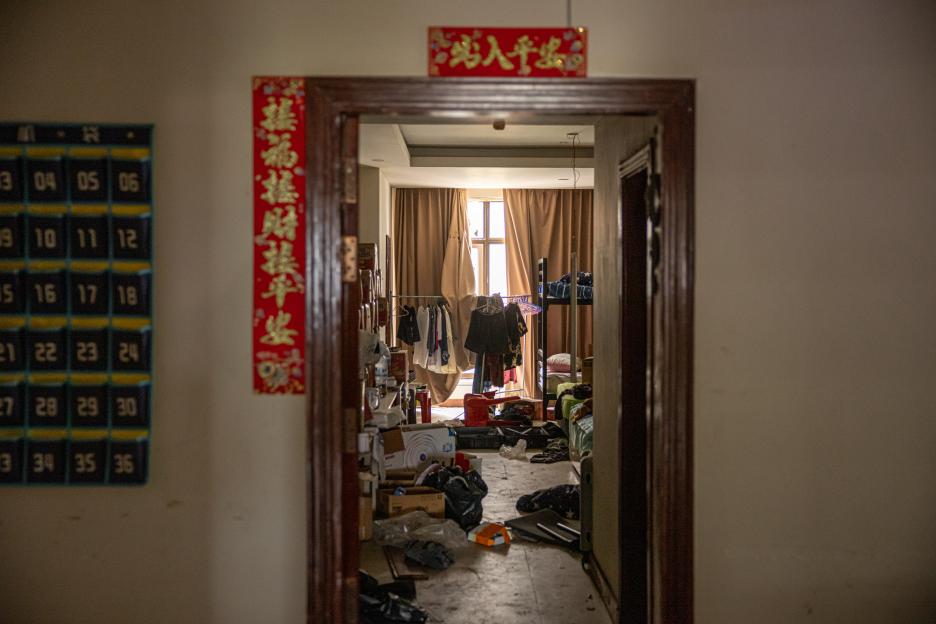 Scammers sleep in dormitories inside the scam city Credit: Getty
A Ugandan woman, 20, was promised a job to teach English, but was instead trafficked to a compound in Pailin, western Cambodia, where she was forced to model in romance scams.
At the compound, her Chinese boss would order guards to stand at the door before entering the room to rape her.
She said her friend, a mum-of-two from Kenya, had also been raped. Both women became pregnant and were forced to terminate their pregnancies with pills.
Later, the model saw her friend’s body covered in blood. The woman told Amnesty International that the man who had raped her said: “She’s dead, mind your own business.”
Montse says women are also “sold from compound to compound”.
“It is truly slavery,” she says, adding, “It is an extremely profitable industry, and we know… that there are people within the political and economic elites that have interests, direct interest in many of these compounds.”
One woman says she was sold between compounds after trying to avoid carrying out fraud.
“I knew it was illegal, so I played dumb and said that I didn’t know how to type,” she told investigators. “They assigned me to do cleaning and paperwork. Then they sold me again and again.
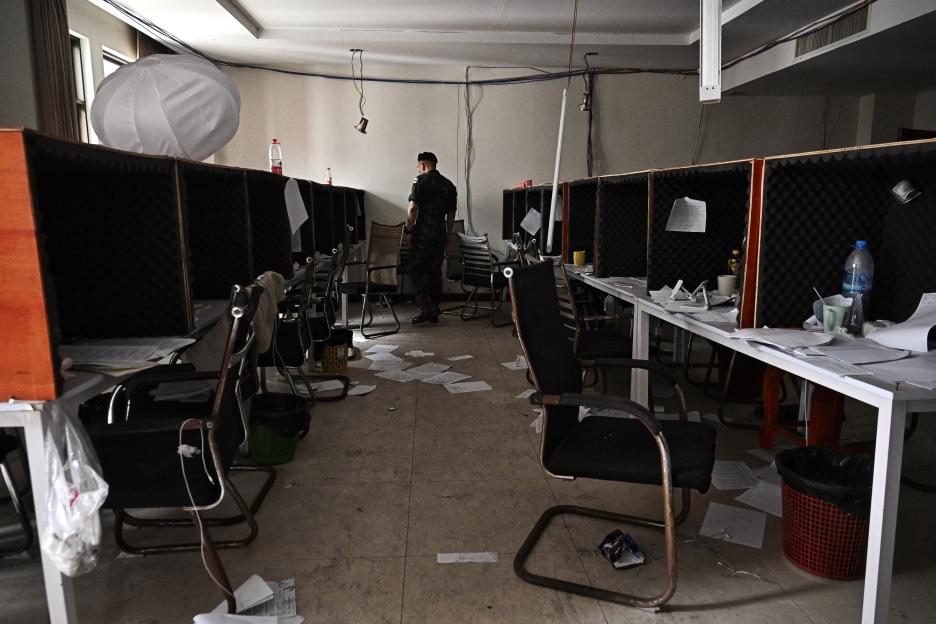 A Thai Army officer investigates the abandoned work booths of scammers in O’Smach, northwestern Cambodia Credit: AFP
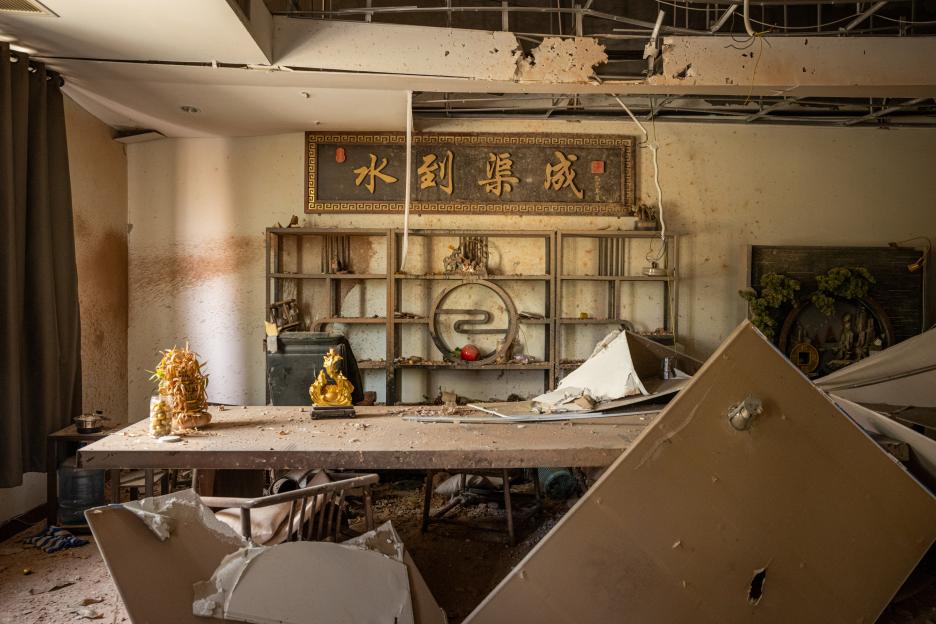 The smashed-up remains of a room believed to have housed managers in the compound Credit: Getty
“I was repeatedly raped and almost forced to work in a brothel-like clubhouse in the last company.”
She says her harrowing experience “can really happen to anyone”.
Experts say the billions generated by cyber and romance scams are lining the pockets of the Chinese mafia, which run many of Cambodia’s notorious scam compounds.
According to Mark, parts of Cambodia have gone from “jungle” to “an entire city that is all built around these illegal scams.” He claims the Chinese mafia has a 200-year lease on the land – given to them by the Cambodian government.
Tens of thousands of people from more than 66 countries are trapped in scam cities across Cambodia, many looking for a job or to improve their lives.
Asked whether workers might be lured from the US or Britain, Mark says: “I don’t know why they wouldn’t at some point – but we’re usually the targets.”
In a chilling twist, nearly three-quarters of people were tricked to scam inside the compounds by someone they knew personally.
More than half said they had had “complete trust” in the person who lured them to the compound – with 15 per cent having been persuaded by family members, according to the UN.
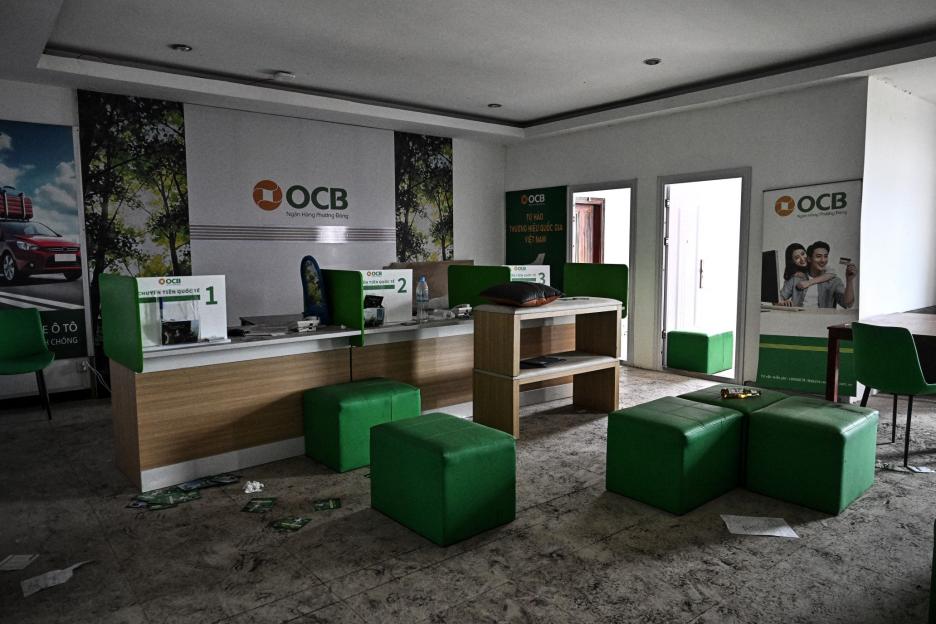 A room staged to look like a Vietnamese bank inside an abandoned scam centre Credit: AFP via Getty Images
 Fake $100 US dollar bills are scattered across the floor of a scam compound Credit: Getty
Others reply to job ads on Facebook and LinkedIn. Both companies insist they are vigilant in detecting and removing scam content.
A LinkedIn spokesperson says: “Over 98 per cent of detected spam and scam content, and over 99 per cent of detected fake accounts are stopped proactively, before being reported.
“We’ve built features to help members identify more trusted opportunities, including a range of free verification badges on identities, recruiter profiles, company pages and jobs – more than half of job views on LinkedIn are of verified jobs.”
Meanwhile a Facebook spokesperson says: “We regularly collaborate with global law enforcement partners to combat fraud.”
They pointed to a recent shutdown of more than 150,000 accounts linked to scam centres in Southeast Asia in March.
The Cambodian government said in April that it had raided more than 250 scam sites and deported more than 240,000 people suspected of being involved in the fraud camps.
But Amnesty International accuses officials of botching the numbers, saying they had only seen intervention at 24 of 86 identified compounds.
They added that there was “collusion” between compound bosses and local authorities.
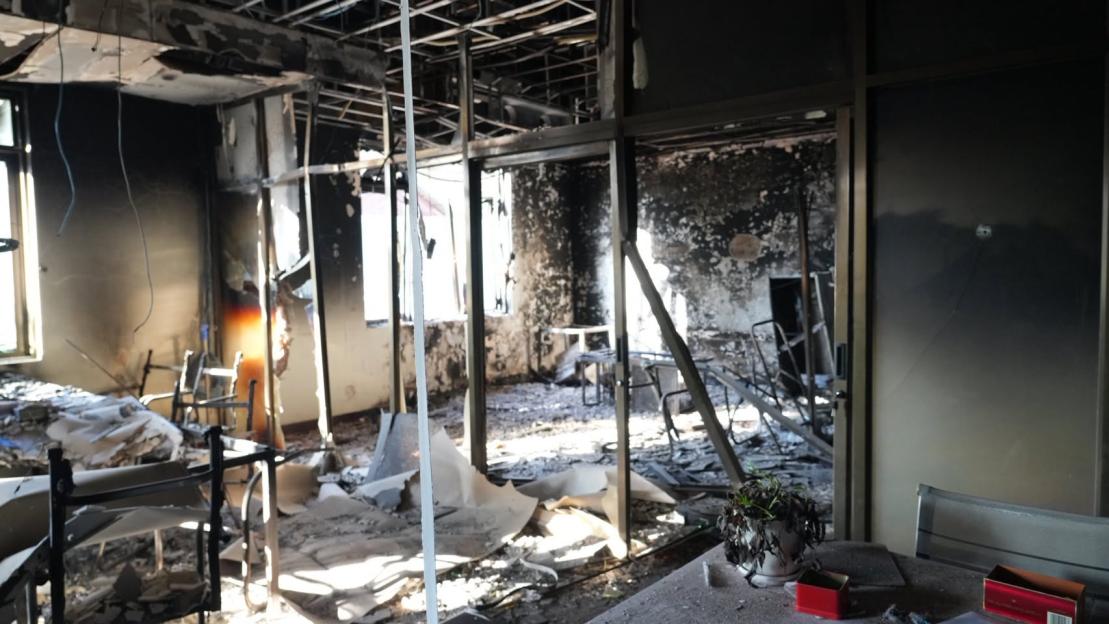 Nineteen different countries helped in a recent raid on a compound in Cambodia Credit: Facebook/PR Thai Government
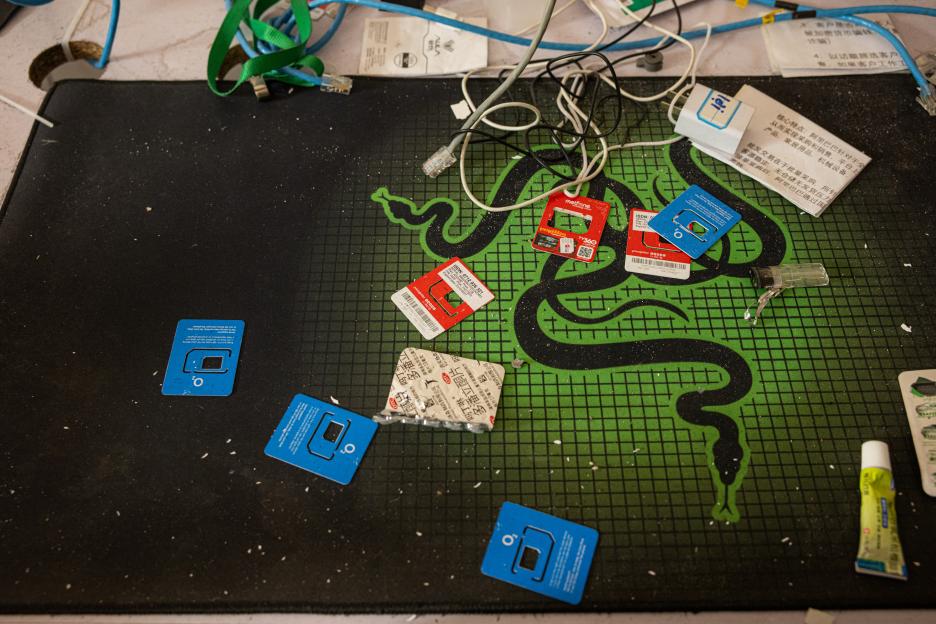 SIM cards and chargers for phones used to fool Brits and Americans into parting with their money Credit: Getty
Montse added that there is “a lot of low-level corruption”.
“Most of the police aren’t paid good salaries”, she said, saying that it’s “quite easy” to pay them bribes.
There is an “unwillingness” from the Cambodian government to shut down the scam camps – whose illicit profits generate around half of Cambodia’s GDP.
But increasing international pressure is forcing officials to crack down on the vile facilities – and free their thousands of victims.
How to spot scams
ONE in five Brits fell victim to finance scams in the last year - and cases are soaring with new uses of AI.
Citizens Advice suggests looking out for the following warning signs:
- Be wary if it seems too good to be true
- You’ve been pressured to transfer money quickly.
- You’ve been asked to pay in an unusual way – like using an iTunes voucher or a transfer service.
- You’ve been asked to give away personal information, such as passwords, PINs or verification codes.
- You spot signs that the organisation or person you are dealing with isn’t genuine – perhaps the email address doesn’t seem quite right. Always step back and double check if you have any doubts at all.
If you’ve been scammed:
- Talk to your bank or card company immediately if you’ve handed over any financial and/or sensitive information, or made a payment.
- Report the scam to Action Fraud on 0300 123 2040.