THE deadly hantavirus bug which has swept through a cruise ship also devastated an entire village nearly a decade ago.
Chilling memories of the haunt villagers as they still have to take drastic measures to contain the outbreak.
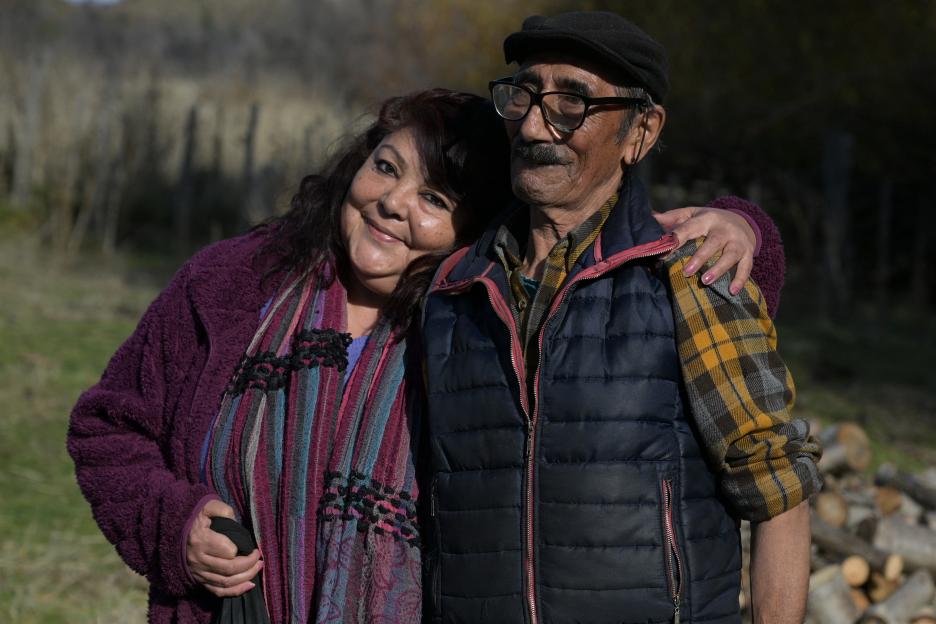 Local Victor Diaz, pictured with his daughter Isabel, was identified as patient zero after the Epuyén outbreak Credit: AFP
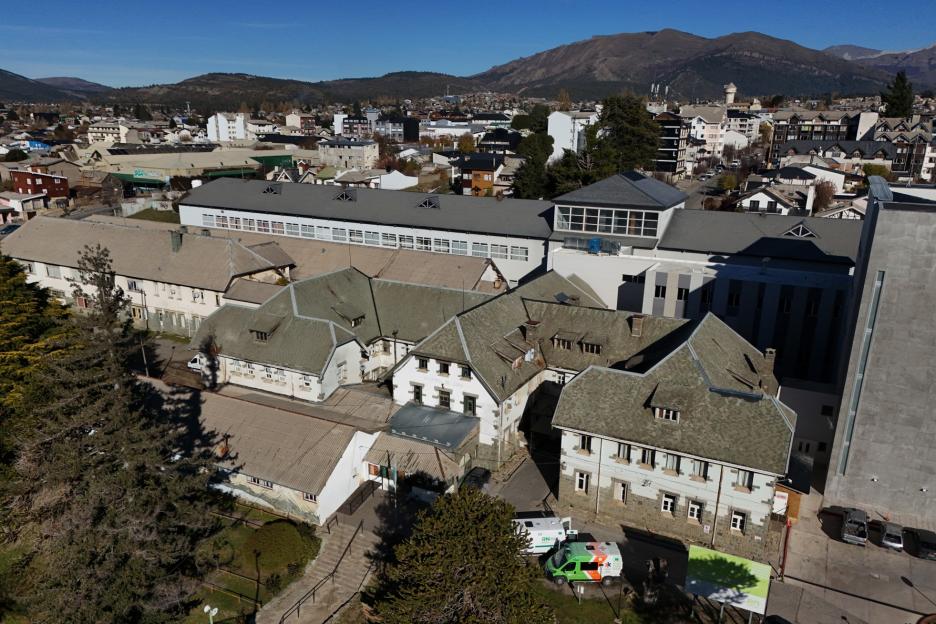 Four months from hell saw 11 people killed and hundreds forced to quarantine after hantavirus ran rampant through Epuyén Credit: AFP via Getty Images
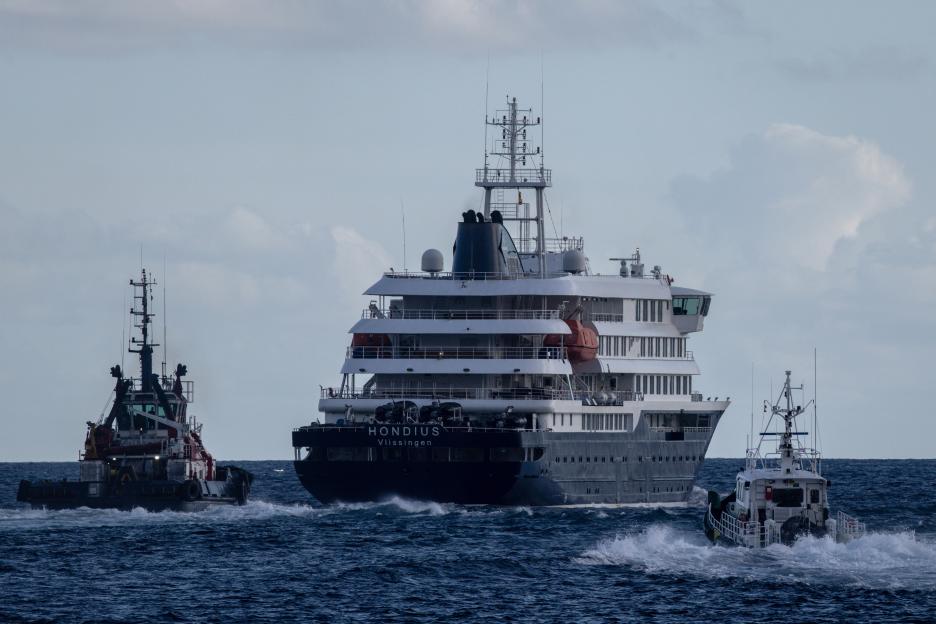 Three people have died so far from hantavirus after an outbreak broke out on the MV Hondius cruise Credit: Getty
Four months from hell saw 11 people killed and hundreds forced to quarantine for weeks after ran rampant through Epuyén, Argentina.
Around 100 people were at a birthday party in the picturesque village in November 2018, as the bug first broke out.
The bash would soon go on to become known as the village’s most deadly superspreader event.
One infected guest, who was showing symptoms of the virus, quickly transmitted the virus to several other partygoers seated around them.
It comes as…
- Officials causing outbreak
- Two new
- Brit cruise passengers and head to quarantine
- Army medics to treat suspected case
- Hantavirus patient zero
- Rat virus cruise passenger
Within days of the party a total of 34 people had been infected, according to a New England Journal of Medicine report.
Mailen Valle, 33, lost her dad Aldo and two sisters in the outbreak as well as contracting herself.
She told France 24 : “The person with the virus was just sitting at the same table as my dad.
“And at that table there were several people who got infected, and people died.”
 Isabel Diaz has been outspoken about her dad’s grief following the deaths – including that of his own family and friends – that came due to his appearance at the party Credit: AFP
 Mailen Valle, 33, lost her dad and two sisters in the outbreak as well as contracting hantavirus herself Credit: AFP
Mailen says one of her sisters died within hours of first showing symptoms with the virus spreading at Aldo’s wake.
“Nobody was prepared to see how, in a matter of days, a family table was left empty,” she tearfully added.
The number of deaths and panic over social gatherings also meant funerals and wakes had to be cancelled shortly after the Valles’ family tragedy.
Patient zero was later identified as Victor Diaz, a beloved husband and father to a young girl.
His wife would go on to contract and tragically die from hantavirus as the sixth victim.
Victor survived and is still alive and healthy today as a local farmer.
Daughter Isabel, 53, has been outspoken about her dad’s grief following the almost a dozen deaths – including that of his own family and friends – that came due to his appearance at the party.
She spoke with AFP saying: “People looked poorly at my father. It’s not his fault he got sick.
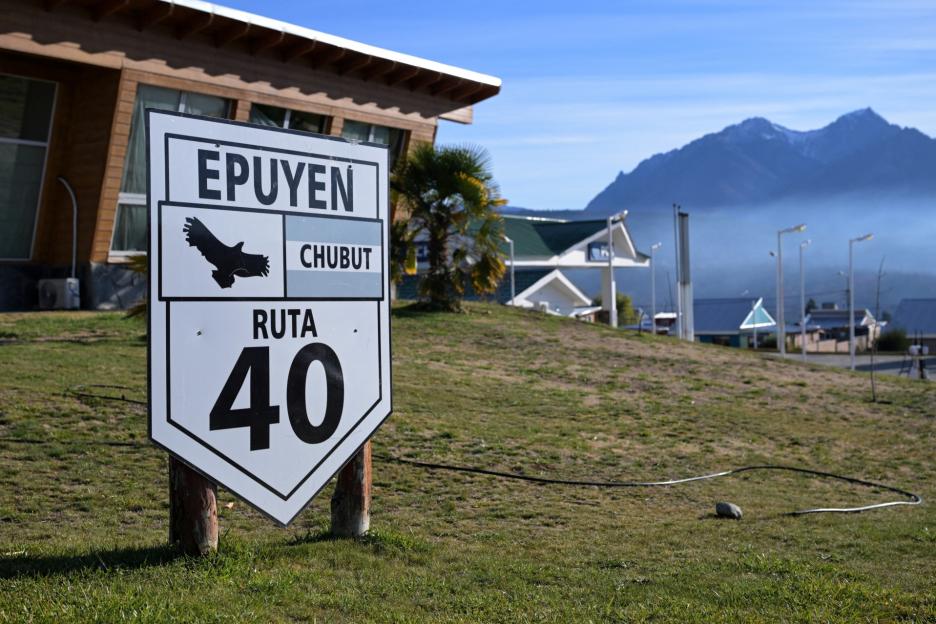 Chilling memories of the highly contagious virus lives on to this day for villagers in Argentina who still have to take drastic measures to contain the outbreak Credit: AFP via Getty Images
“Nobody chooses to get sick, much less infect others, much less lose a mother.”
Victor shared details of the debilitating virus as he said it caused his body to be riddled with aches and left a bitter taste in his mouth that caused even water to be undrinkable.
He added: “It started with a feeling of weakness. I didn’t feel like eating. And I started to get purple spots.
“That same day, I lost consciousness.”
What is hantavirus?
THE deadly virus that has ripped through Dutch cruise ship the MV Hondius, killing three, is usually transmitted via contact with rodent droppings.
But this particular strain, known as “the Andes virus” is an alarming exception.
Only found in the mountains of Argentina and Chile, the strain is the only hantavirus that has demonstrated the ability to spread between humans.
And the strain could have a terrifying mortality of up to 40 per cent, the WHO believe.
Passengers onboard the MV Hondius now face a weeks-long quarantine as officials scramble to contain the deadly outbreak.
Hantaviruses are spread by rats, through contact with their urine, droppings and saliva.
The World Health Organization (WHO) estimates there are 10,000 to 100,000 cases in humans every year across the world.
Symptoms range from a mild flu-like illness to major respiratory issues or internal bleeding.
Although uncommon, limited human to human transmission has been reported in previous outbreaks of Andes virus – a specific species of hantavirus.
The strain is found largely in Chile and Argentina – where the cruise ship started in March – is the only known variant that can spread through close, prolonged human-to-human contact.
The WHO confirmed on Wednesday that the outbreak on the cruise ship is the Andes hantavirus.
South African officials also confirmed the Andes strain had caused infections in two of the cruise passengers.
Eighteen reports of infections were made in the small village before strict isolation protocols were imposed by public officials.
Anyone suffering with symptoms had to immediately isolate and a major self-quarantine declaration was issued to anyone who came in contact with an infected local.
The Journal of Medicine praised the measures for “curtailing further spread” and said they halved the likely number of infections.
Epuyén locals now refer to the virus as “the hanta” with it becoming a cautionary tale among villagers.
 Victor feeds chicks and chickens at his farm in the La Rinconada area, near Epuyen Credit: AFP
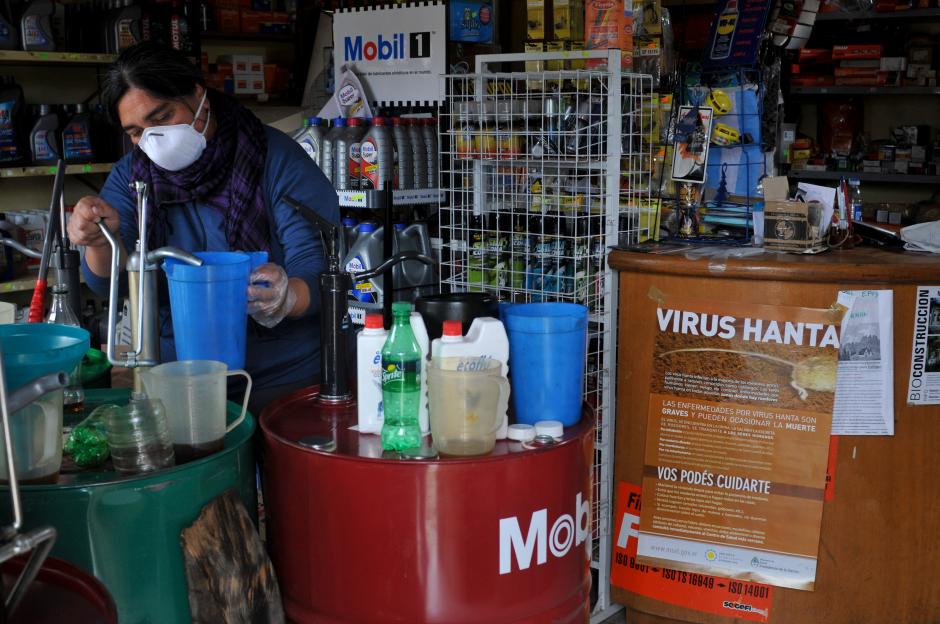 A woman wears a face mask as she works at her shop in Epuyen Credit: AP
Regular measures are still taken to this day to help mitigate future outbreaks.
This includes regularly airing out sheds or rooms with little ventilation and even scrubbing them with bleach to kill off any lurking infectious particles.
The variant of the hantavirus suspected in both the cruise and Epuyen outbreaks is transmitted through the droppings, saliva and urine of the Andean mouse.
The rodents are only found in rural areas of South America with this type of hantavirus being able to spread from human-to-human.
Timeline of rat virus outbreak
Ed Southgate, News Reporter in Tenerife
April 1 – Dutch-flagged cruise liner MV Hondius leaves Ushuaia in Argentina on 35-day Atlantic Odyssey
April 11 – First passenger, a 70-year-old Dutch man, dies
April 24 – His widow accompanies his body from the British Overseas Territory of St Helena to Johannesburg
April 25 – She boards KLM flight to Amsterdam but is refused permission to fly because of her deteriorating medical condition
April 26 – The 69-year-old woman is taken to hospital but dies
April 27 – British tourist, 69, evacuated from ship between St Helena and Ascension island and flown to Johannesburg where he remains in intensive care
May 2 – A German national dies from the virus on board the stricken vessel
May 3 – The Hondius arrives in Cape Verde but is refused permission to dock because of the outbreak
May 6 – Three people, including 56-year-old tour guide and wildlife photographer Martin Anstee, are evacuated and flown to the Netherlands for urgent medical care as ship sets sail for Canary Islands
May 7 – Frantic race against time launched to trace 29 passengers from at least 12 different countries who left the plague-ravaged cruise ship for all corners of the globe, including seven Brits. They are all later located.
May 8 – Protests erupt in Tenerife as ship prepares to dock – whilst third Brit on remote island of Tristan da Cunha tests positive for the virus.
May 10 – MV Hondius docks in Tenerife as passengers are brought ashore in hazmat suits and hosed down before evacuation flights. UK passengers will now quarantine for 45 days at a specialist hospital in the Wirral.
May 11 – Three new positive hantavirus cases detected in a French woman, a US national and a Spanish passenger.
May 11 – Cruise ship leaves Tenerife for the Netherlands with just crew on board.
A year later the Covid-19 pandemic would break out – sparking further isolations, deaths and years of pain.
It comes as 12 suspected hantavirus infections have now been recorded in relation to the cruise outbreak at the start of May.
Three people have died so far with two confirmed as having the virus.
An Italian man, 25, is the latest to be struck down with hantavirus symptoms after he took a flight alongside a woman who later died from the bug.
A French woman, US national and Spaniard have all also been infected by hantavirus in recent days as the virus spreads across the globe.
WHO director general Tedros Adhanom Ghebreyesus has said he expects there to be more cases of in the coming weeks.