STROLLING down the street, lawyer Jamie Townsend looks like any other woman on her way to work.
On the surface she has a pretty ordinary life – a home, good job and partner. But she is also hiding a dark secret.
 Jamie is a top lawyer… and also a psychopath Credit: Supplied
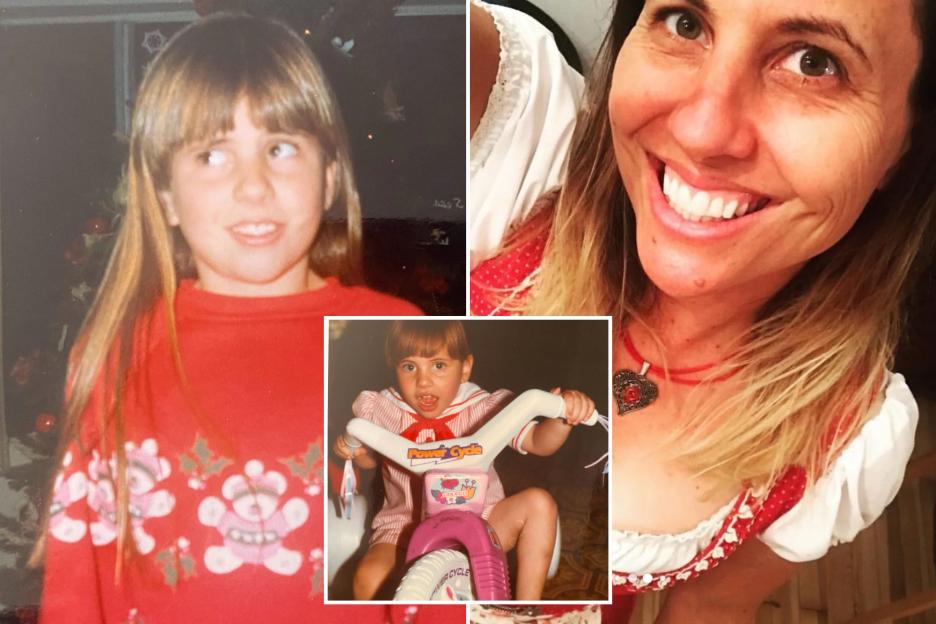
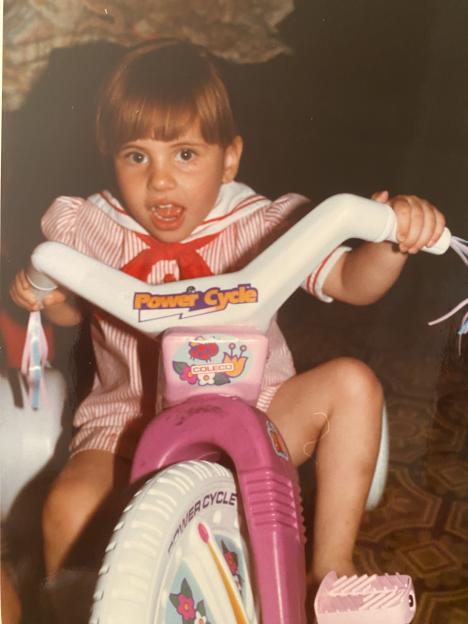 She says even as a child she knew things were different – she didn’t feel remorse Credit: Supplied
She’s a diagnosed psychopath.
“I’ll exploit and manipulate you,” says Jamie, 45, from , California. “But I’m not a monster.”
Jamie’s lack of empathy, fear and recklessness emerged as a child. “I didn’t care who was looking after me,” she says. “I never begged my parents to stay like other kids did when I was dropped at the childminders.”
She considers people “beneath her” – craving power above all else. “I’d hit other kids and didn’t understand why they didn’t like it,” she says. “Lying and stealing was second nature. I loved manipulating the other kids so they gave me their snacks, favourite toys and new pencils. I’d work out how to make other kids do what I wanted.”
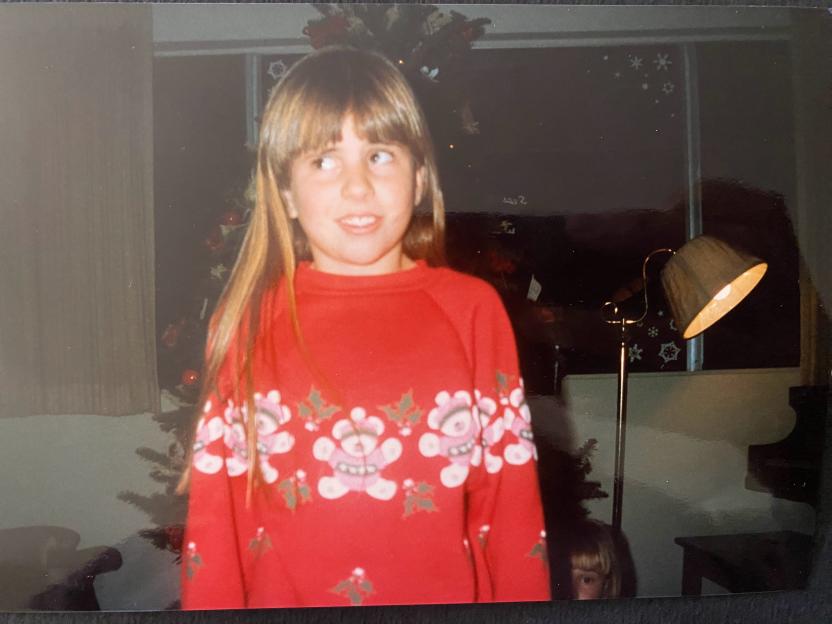 She was asked directly by someone ‘are you a psychopath’ so began investigating it Credit: Supplied
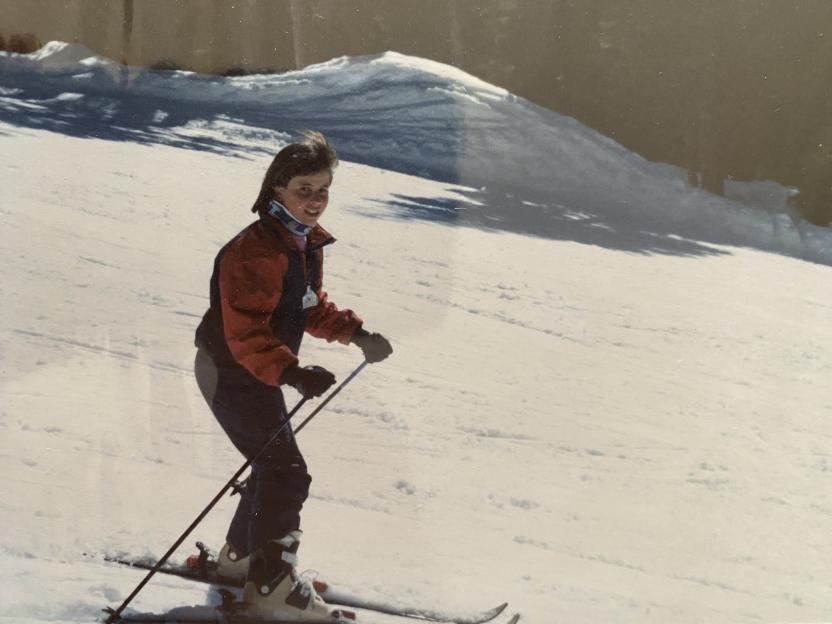 She loves going fast on ski slopes – she doesn’t experience fear like typical people Credit: Supplied
Getting Jamie to say sorry was almost impossible growing up. “If I got into trouble I never showed remorse. I didn’t know how. “I’d regularly get into trouble for not caring or ‘responding appropriately’ if someone was hurt or suffering.”
Jamie became even more impulsive as she aged.
She elaborates: “If we went boating or I’d demand to be pulled at a super-fast speed. If I got injured I’d get straight back up and demand to go even faster. I had no fear. In a crisis I was calm while everyone else was terrified.”
Shockingly she also watched a baby opossum – a little marsupial – drown. “Another person might have tried to help it,” she admits. “I didn’t feel sad or happy. I took no pleasure in its suffering. I simply didn’t care. I was concerned only for myself. I didn’t bother to save it because there was nothing in it for me.”
As the middle child of five, her siblings would plead with her to stop taking so many risks, but Jamie largely ignored them.
She says: “A favourite pastime was getting into a shopping trolley and being towed behind a car. The faster the better. I thought nothing of hitchhiking or getting into a stranger’s car to save walking a few blocks. I didn’t feel anxious.”
At university in Utah she ran a shoplifting scam.
She says: “I’d go to the lost and found and tell them I’d lost a textbook. They’d give me a book they assumed was mine. I’d go upstairs to the book store and sell it to the university and keep the cash. I’d steal other people’s bikes which had been left unlocked and use them. I never worried about being caught.”
In 2002 a friend suggested she might be a psychopath. Jamie immediately found a checklist for psychopathy – considered the gold standard. She ticked almost every box. “I wasn’t even amazed by the discovery, but it started me on the path to a formal diagnosis,” she says.
In 2010 she saw professor and leading psychopathy researcher Dr John Edens and underwent a series of rigorous evaluations using the Psychopathy Checklist (revised version) or PCL-RV.
Aged 30, while working as a lawyer, Jamie was diagnosed with psychopathic traits and Anti-Social Personality Disorder (ASPD).
According to a 2017 article by The Royal Society psychopathy’s defining feature is an extreme lack of empathy.
The article says: “Psychopaths may also be manipulative, charming and exploitative, and behave in an impulsive and risky manner. They may lack conscience or guilt, and refuse to accept responsibility for their actions.”
Other academic papers indicate around 1.2 per cent of the population could have psychopathy.
“My diagnosis made sense,” says Jamie. “I had a talent for manipulating people and situations, impulsiveness and lack of fear leading to dangerous thrill-seeking. I am not alone. Living with these traits is more common now than ever before.”
Jamie says the key to understanding psychopaths is “we only do things that benefit us, not things that make other people feel happy or comfortable.”
Writing a book about her experiences caused problems. “I hoped it would educate but people were shocked by it,” she says.
She was sacked from her job as a visiting law professor and another contract was cancelled.
She explains that it hit her hard, adding: “That’s the only time I feel real distress, when I’m personally affected by other people’s views.”
Relationships have not been straightforward either.
Jamie, who was raised in a traditional Mormon community, married in May 2014.
“Marriage is important to Mormon families,” she says. “But I couldn’t make being a dutiful wife work because I had to think about someone else.”
Her only lasted a year but soon after her Jamie met her current partner, a 36-year-old office manager who is also a diagnosed psychopath.
“Living with a psychopath is a huge relief,” she says. “We get each other. We don’t sit around trying to make small talk.
“We police each other’s psychopathic boundaries and we understand what the other is dealing with. We don’t worry about upsetting each other’s feelings.”
Jamie is speaking out now because she wants to break the stigma around psychopathy.
“Many with the disorder live so-called ‘normal lives’,” she says. “You probably work with some or know a few. I actually don’t care what people think or say about me. That’s part of being a psychopath.
“It doesn’t make me someone to be avoided. I come clean about my personality traits to educate people and make them aware not all psychopaths are serial killers. People associate psychopaths with serial killers, axe murderers and criminals. In some cases they are correct.
“But they can’t imagine there are living breathing psychopaths doing the shopping, commuting to work and raising families. It’s why I came clean about my personality traits.”
Therapy has helped Jamie understand what makes so called ‘normal’ people tick and how to respond appropriately if she needs to.
“There is no cure for being a psychopath,” she says. “But I have learnt about my own boundaries and how to respond to people when they feel sad or unhappy.
“I’ve learnt to control my trait of manipulating people by living 100 per cent authentically as myself and I make other people adjust to me rather than me adjusting to them.
Jamie runs the blog sociopathworld.com exploring her psychopathic traits and advocates for wwwpsychopathyis.org
Her book, Confessions of a Sociopath: A Life Spent Hiding in Plain Sight, is available on Amazon.