THE sensational breakdown of Britain’s two-party system leaves Labour facing a serious test at May’s crunch local elections.
Sir is under pressure from both left and right as Reform, the Greens and even the Lib Dems look to capitalise on the PM’s plummeting popularity.
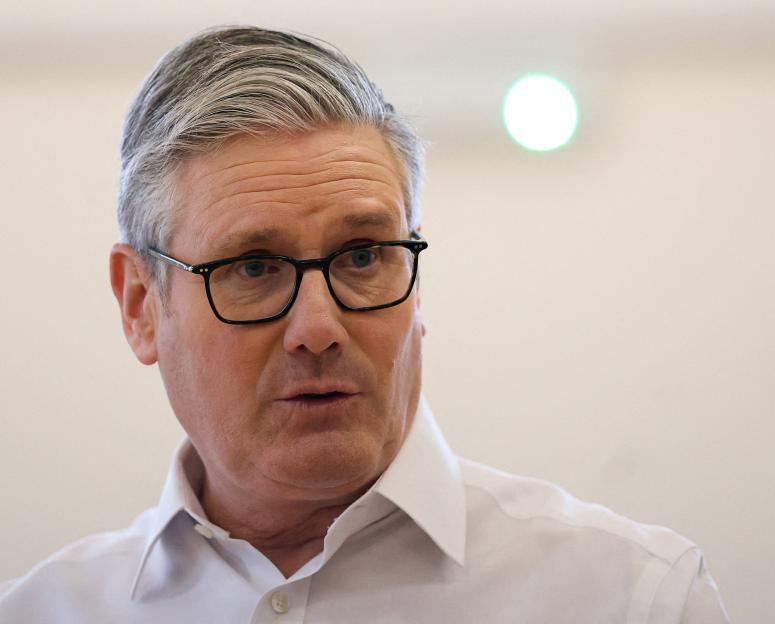 Prime Minister Keir Starmer is facing his biggest test yetCredit: Reuters
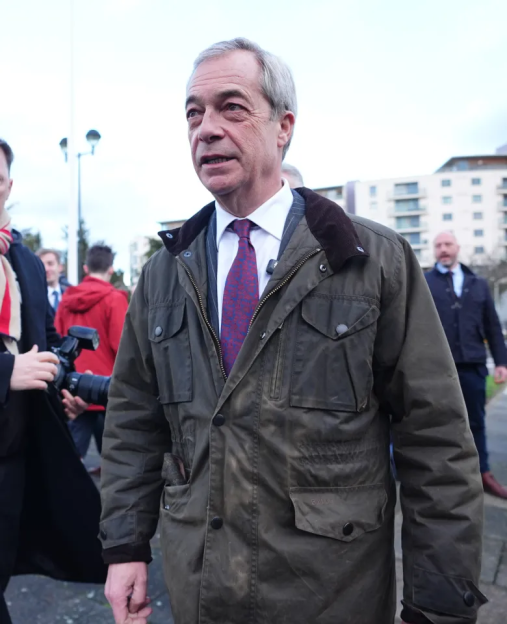 Nigel Farage and Reform are looking to capitalise on the PM’s plummeting popularity
Many Labour MPs are braced for heavy losses.
But the scale of those losses could matter far more than the fact of them, potentially determining whether a leadership challenge is launched against a vulnerable Sir Keir.
In , 136 local authorities, including all 32 London boroughs, will go to the polls.
Meanwhile, voters in and will elect 129 members of the Holyrood and 60 members of the Senedd.
In Essex and across the wider South East, the pressure for Labour comes from .
Reform has focused heavily on the commuter belt and Thames Estuary, seeking to convert frustration over small boats, legal migration, housing pressures and stretched public services into council gains.
In Thurrock, still reeling from financial collapse and steep rises, Reform sees an opportunity among voters disillusioned with both Labour and Conservative administrations.
Harlow and Basildon appear similarly vulnerable.
Reform will also seek to gain ground in the Red Wall – with West Lanacshire, Preston and Darwen particular targets.
In London boroughs such as Hackney, Lambeth and Southwark, where Labour majorities are comfortable but not ironclad, Sir Keir faces a growing challenge from the Greens, who are building support among younger, urban voters.
With every seat up for election, even a modest swing in progressive strongholds could cost Labour councillors in a capital it has long dominated.
Reform hits highest popularity
By
REFORM has hit its highest popularity since September following a wave of Tory defections, new polling shows.
Nigel Farage’s party now commands support from 31 per cent of Brits, ahead of Labour on 23 and the Tories on 19, according to a JL Partners survey.
It follows moves by former cabinet ministers including Robert Jenrick and Suella Braverman to join the club.
Reform’s vote has now doubled since the 2024 election, taking in a quarter of Tory and 16 per cent of Labour supporters from that year.
But the party’s strength continues to come from men more than women and concentrates most in the 55 to 64-year-old age bracket.
A spokesperson for JL Partners said: “Reform winning over Nadhim Zahawi, Rob Jenrick, and Suella Braverman – defection season – has led to a turnaround in the numbers for Reform UK.
“After a slow trending down, Reform is now at its highest rating since September.
“They are held back from growing further by the pensioner block – who still narrowly favour the Conservative Party.”
The polling comes ahead of Mr Farage today announcing the composure of a Reform “shadow cabinet”.
The party leader has previously avoided confirming who would hold top positions if he won a general election.
However, instability in Labour and the possibility of taking to the polls earlier than 2029 has sped up the process of solidifying roles among Reform’s MPs and high profile members.
The Greens have seized on left-wing discontent around issues including the cost of living, environment and Gaza war.
In Westminster the Tories could take back control thanks to a surge in support for the Greens splitting the left-wing vote.
In Scotland, the latest YouGov polling places the SNP on about 34 per cent of the constituency vote.
Reform are on roughly 20 per cent and Labour on around 15 per cent, a sobering picture for the PM.
The figures suggest Labour is squeezed not only by the SNP’s dominance in the central belt but also by Reform’s rise on the regional list.
Farage’s party are polling strongly enough to win seats at Labour’s expense.
There are also signs of strain within , with voters expressing unease about the party’s direction.
In , recent YouGov Senedd polling shows Plaid Cymru ahead, Reform in second place and Labour trailing on around 10 per cent, a seismic shift in a nation the party has governed for decades.
Sir Keir had performed yet another chaotic U-turn in Downing Street by abandoning controversial plans to delay dozens of council elections.
The PM backtracked after Reform UK challenged the decision to deprive 4.6million voters in 30 authorities of their May ballots.
Reform leader in this country” and set his sights on storming the council contests.
The Government faces the embarrassment of having to repeal legislation rammed through the Commons only months ago despite widespread opposition. Taxpayers are also on the hook for Reform’s legal fees, which could cost up to £100,000.
Just hours before scrapping the plans, Sir Keir had insisted there would be no more U-turns after 19 months of rethinks and rowbacks.
STARMER’S 15 U-TURNS IN 19 MONTHS
- Council election delay: Ministers tried to postpone 30 local elections – then abandoned the plan after legal advice warned it was unlawful, after a court challenge by Reform
- Social media ban: The PM had ruled out banning under-16s from social media until mounting pressure from MPs forced the Government to launch a consultation.
- Digital ID cards: Sir Keir Starmer said ‘no ID, no job’ but now ministers are “consulting” and backing away from making it mandatory.
- Pub tax hike: Huge business rates rises sparked fury – Treasury scrambled to offer pubs a rescue package.
- Tractor tax: After farmer protests and tractor convoys, ministers raised the inheritance tax threshold on farmland.
- Income tax rise: Rachel Reeves hinted at hiking income tax then ditched it after markets wobbled.
- National Insurance: Pledged no tax rise on working people then slapped a 2 per cent hike on employer NI.
- Day-one unfair dismissal rights: Promised protection from day one and then it was watered down to six months.
- WASPI women: Once called it an “injustice” – then twice refused compensation.
- Winter fuel payments: Cut millions of pensioners off – reinstated payments after a backlash.
- PIP benefits cuts: Planned £5bn welfare squeeze – pulled after 120 Labour MPs threatened revolt.
- Two-child benefit cap: Suspended MPs for opposing it – then scrapped the cap in the Budget.
- Grooming gangs inquiry: Dismissed calls for a national probe – later agreed to a statutory inquiry.
- Trans definition stance: Said “trans women are women” but then shifted position after Supreme Court ruling.
- Debt rules: Promised “iron-clad” fiscal rules – then loosened them to allow £50bn extra borrowing.
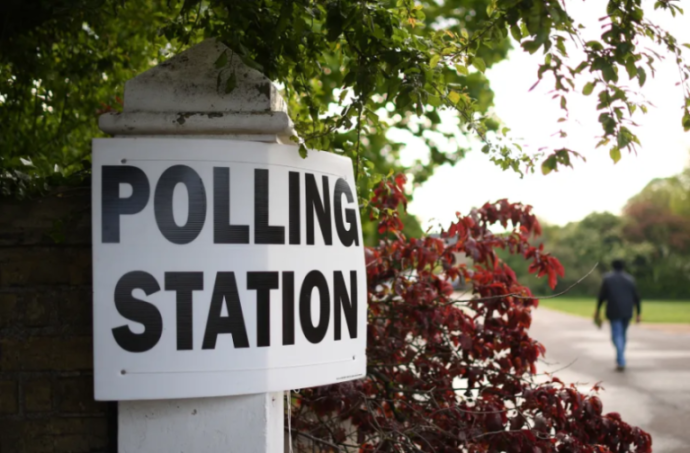 Labour faced anger after delaying elections for 4.6 million voters across 30 areasCredit: PA