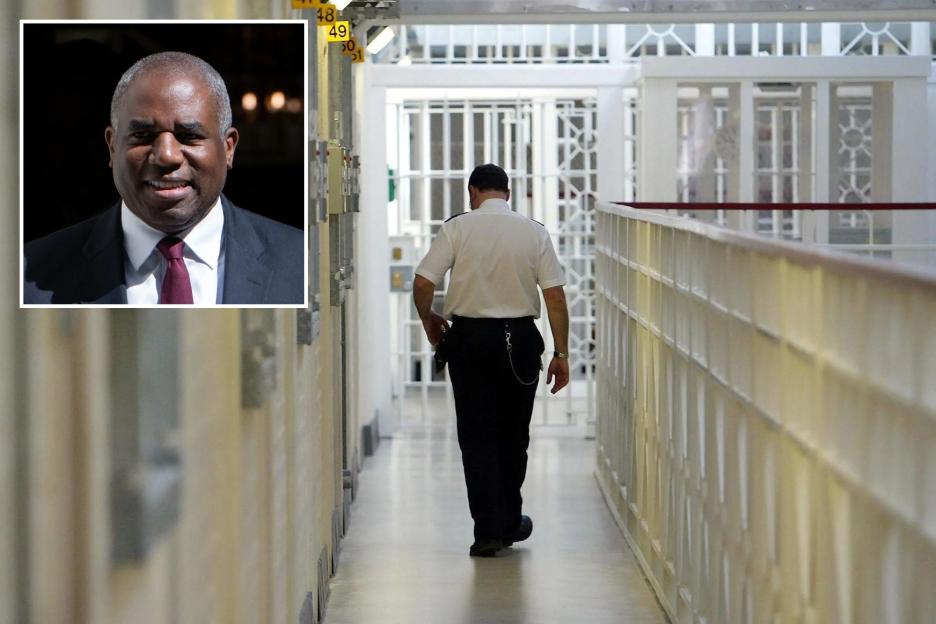
PARENTS could find themselves behind bars and steep fines if their children repeatedly break the law, as the government aims to crackdown on youth offenders.
Justice Secretary is looking at a number of reforms in a new Youth Justice White Paper published on Monday.
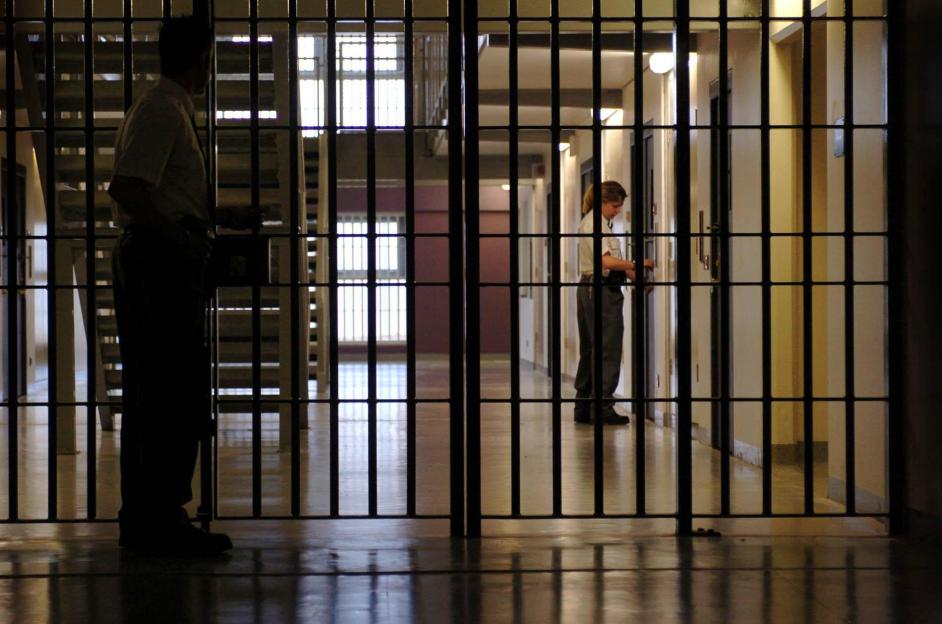 The new White Paper hopes to tackle the problem of youth offenders (file photo) Credit: PA
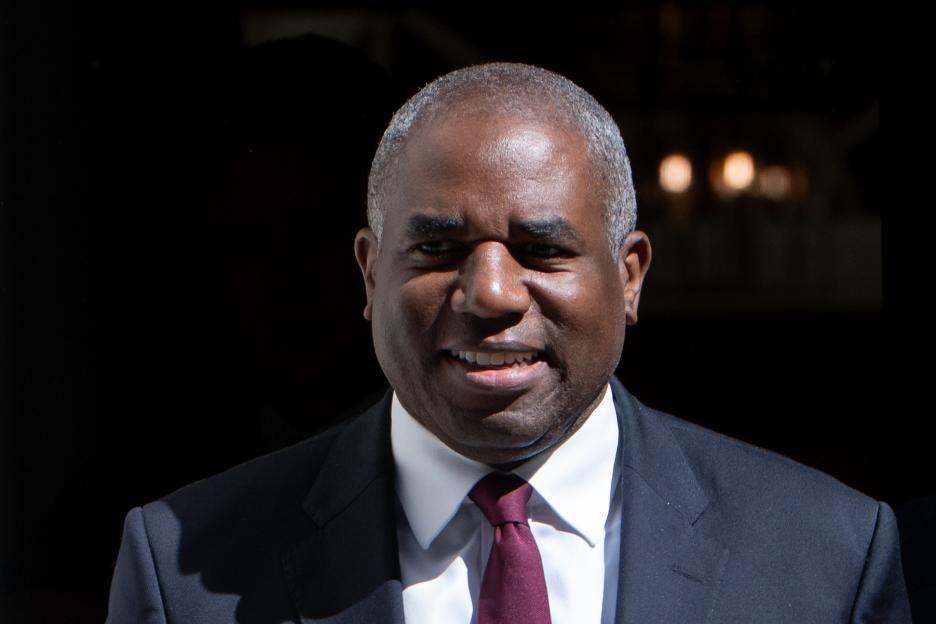 Justice Secretary David Lammy announced the measures in the Commons Credit: Getty
Mr Lammy hopes the measures will prevent kids from starting out on a life of .
for young yobs could also be brought back in a bid to reduce the number of young offenders sent to .
Children and young people will get earlier support to steer them away from crime under a major overhaul of the youth justice system.
- Landmark reforms will intervene earlier and stop more young people falling into crime.
- Parents and carers to face tougher accountability when children offend.
- New youth intervention courts to tackle repeat offenders.
- Part of Government action to cut crime and create safer streets.
The White Paper provides the blueprint for earlier intervention, more targeted support, and tackling the root causes of youth crime to create safer communities and fewer victims.
The announcement comes as figures show eight out of ten prolific offenders committed their first crime as a child, while two-thirds of those released from custody reoffend within a year.
New measures announced today include piloting new Youth Intervention , which will for the first time bring together judges, youth justice services and specialist support to tackle the drivers of offending and keep young people on track.
The courts will also provide intensive supervision and tailored interventions, including or educational requirements, while closely monitoring compliance to break cycles of repeat reoffending.
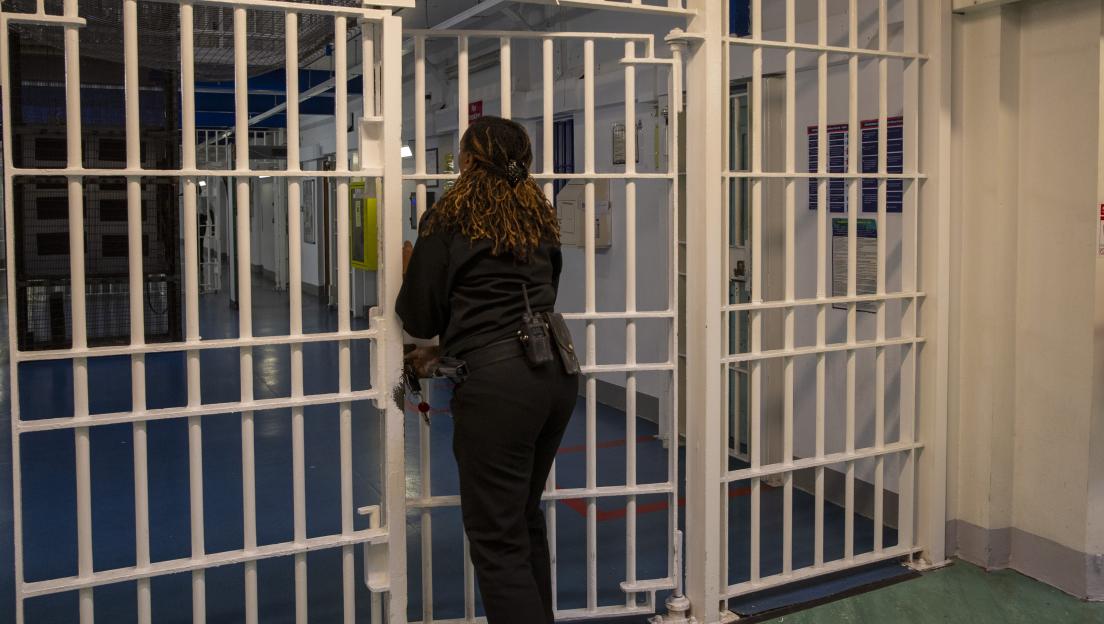
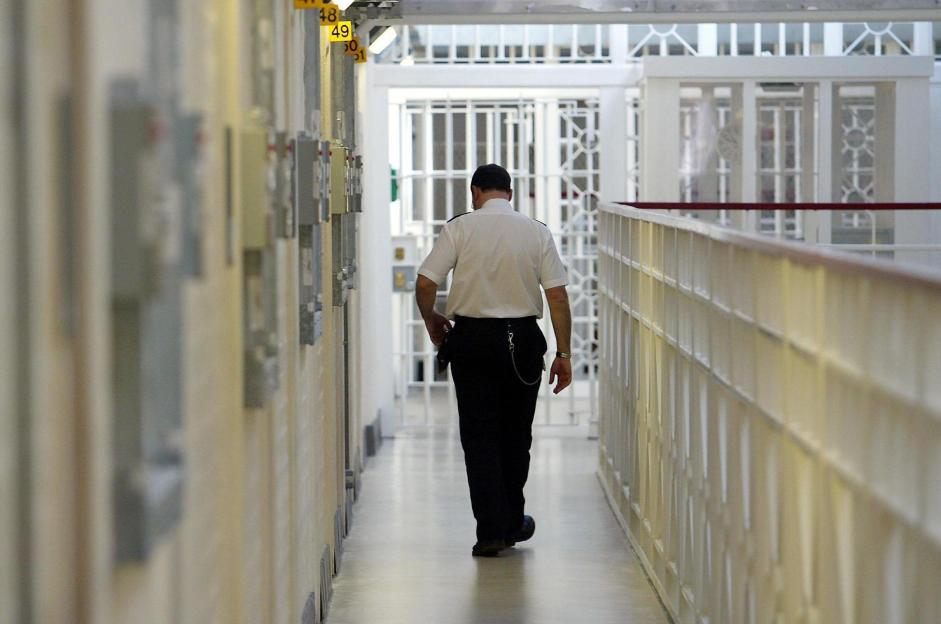 Borstal-style camps could be brought back under the proposals as a way to reduce the number of young offenders going to prison (file photo) Credit: Alamy
 The Government hopes to strengthen and expand Parenting Orders (file photo) Credit: Getty
Parents and carers will also face greater responsibility for children who commit crime or cause anti-social behaviour, recognising the vital role families play in reducing reoffending.
The Government will strengthen and expand Parenting Orders, which can compel parents or guardians to address their child’s behaviour – including attending counselling or guidance sessions – or face penalties such as fines.
The move comes after the use of declined dramatically, from more than 1,000 in 2009/10 to just 33 in 2022/23.
There will also be a greater emphasis on addressing children who present the highest risk of committing the most serious and violent offences.
Ministers will explore strengthening Youth Rehabilitation Orders with intensive supervision and surveillance, allowing electronic monitoring to track their whereabouts alongside robust rehabilitation activity to keep the public safe.
However, the Government is clear custody will always remain essential for the most dangerous offenders.
Crucially, the reforms look to modernise the youth justice system, ensuring it keeps pace with new and emerging risks faced by today’s children including online harms, exploitation and rising vulnerability.
Further measures set out in the White Paper include:
- An extra £15.4 million per year investment in the Government’s flagship Turnaround programme to help a further 12,000 children at risk of entering the youth justice system, over the next three years. As of December 2024, just 7% of children who had completed Turnaround interventions had gone on to receive a sentence or caution.
- Fundamental reform of the youth out-of-court resolution framework, setting out our proposals in autumn 2026.
- Taking a fundamental look at the function and purpose of criminal courts for child defendants, reporting by August 2027.
- A commitment to end unnecessary custodial remand for children – slashing its use by 25% this Parliament to ensure children awaiting trial or sentencing are not held unless public protection requires it, backed by £5 million for robust community alternatives.
- Widening the range of tough community sentences available to the courts and reducing ineffective short custodial sentences – which combined with remand reforms could reduce the youth custodial population by 20%.
- Consulting on childhood criminal records reform by the end of the year. This will consider potentially ending lifelong disclosure requirements for childhood offences so people aren’t forever held back by mistakes made as children. Delivering on the commitment to create a new child criminal exploitation offence – going after the adults who prey on children and draw them into offending.
Mr Lammy said: “Too many young people are being drawn into crime, with devastating consequences for victims, communities and their own futures.
“These reforms lay the foundation to intervene far earlier, support families, and tackle the drivers of offending so fewer young people become trapped in cycles of crime, creating safer streets and fewer victims.”
Minister for Sentencing and Youth Justice, Jake Richards, said: “Put simply, the youth justice system is not working – not for children, victims and communities blighted by crime.
“These reforms will modernise the system, keep pace with emerging risks and ensure young offenders get the support they need to turn their lives around, while improving public safety.”
The reforms announced today are backed by figures which show more than two-thirds of children released from custody reoffend within a year, but just over one-third of children sentenced to community sentences reoffended.