
"WHO Issues Urgent Travel Warning as Deadly Bat Virus with 75% Mortality Risk Could Spread Worldwide"
A BRAIN-SWELLING bat virus that has left people in India with “neurological complications” could spread globally, world health chiefs have warned. Two cases of...
 Written byEze Chidiebere Paul
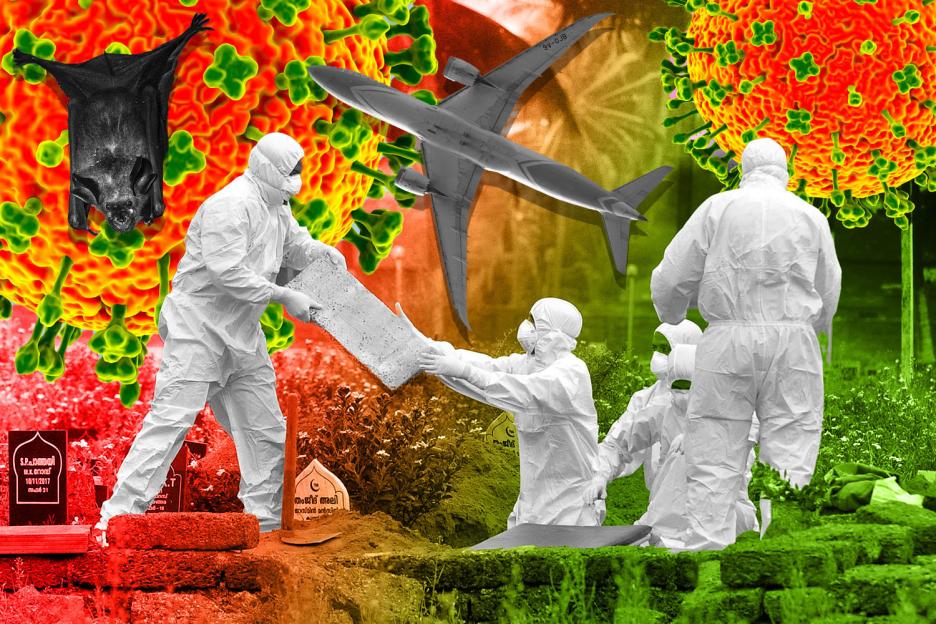
A BRAIN-SWELLING bat virus that has left people in India with “neurological complications” could spread globally, world health chiefs have warned.
Two cases of , which has no cure and can kill up to 75 per cent of those it infects, have been detected in the country’s West Bengal state and could travel further, fuelled by the passenger surge.
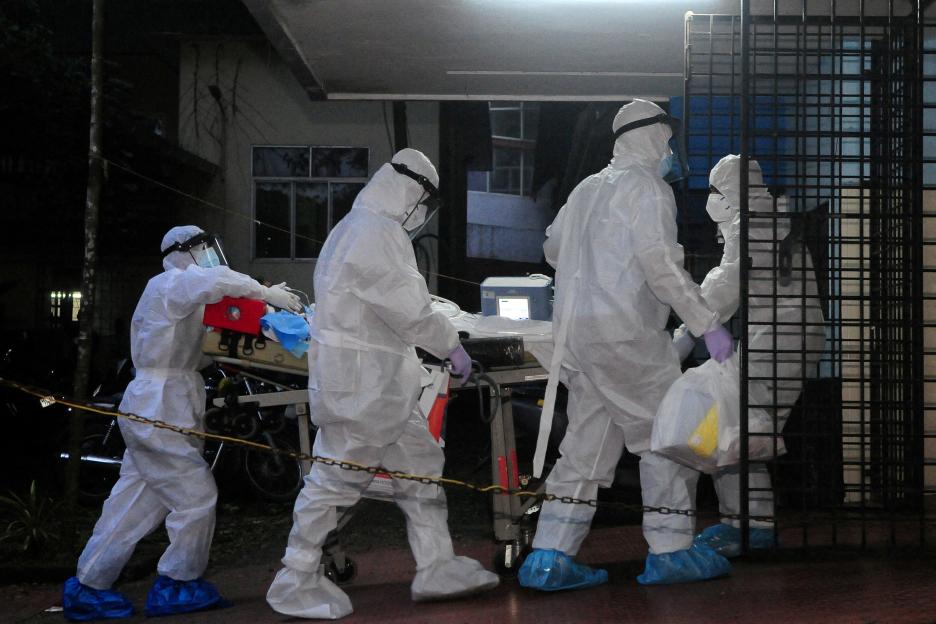 A Nipah ‘outbreak’ in India could spread globallyCredit: Reuters
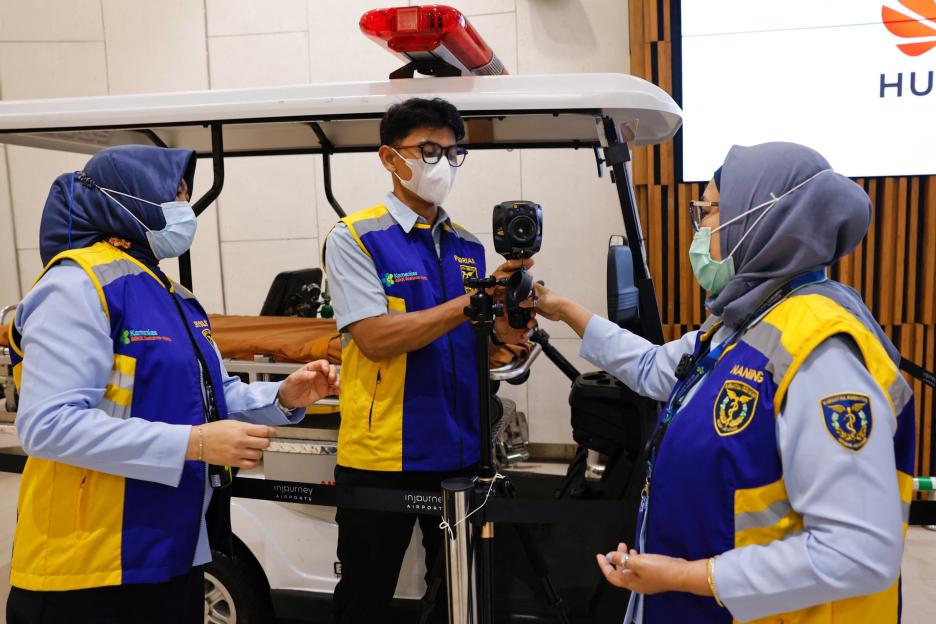 Airport health authorities in Indonesia have introduced Covid-style airport screeningsCredit: Reuters
Millions of people flying to and from Asia for New Year celebrations could potentially trigger a spike in cases, one expert has warned.
While public health officials stress the risk of global spread remains low, mass travel during the Lunar New Year in 2020 did help accelerate the spread of .
Both Nipah patients are 25-year-old nurses – a man and a woman – who work at the same private hospital in Barasat, according to a release from the United Nations India.
They first fell ill in late December 2025, with undisclosed symptoms which “progressed rapidly to neurological complications”, it said.
As of 21 January, the male patient is recovering, while the female patient remains in critical condition.
Dr Katherine O’Reilly, regional medical director of the security and health services company, International SOS said: “The Spring Festival (Lunar New Year) period is expected to drive significant travel activity both within China and across Asia.
“Increased travel naturally raises exposure to potentially infected individuals, particularly with respiratory illnesses, as crowded transport hubs and close contact can facilitate the spread of viruses.”
Several nearby Asian countries, including Thailand and Malaysia have introduced in an attempt to curb the spread.
“Current assessments indicate that Nipah is unlikely to spread to other countries; the outbreak remains limited to one area, and health authorities across Asia have strong screening protocols in place to prevent imported infections,” she told the Daily Mail .
The UK has said it is also “closely monitoring” the situation, with the UK Health Security Agency (UKHSA) having urged Brits planning to travel to affected regions to be and how the virus spreads.
 Mass travel during the Lunar New Year in 2020 did help accelerate the spread of Covid-19Credit: Getty
 The 40-day Lunar New Year travel season begins on February 2 this year and runs until March 13.Credit: AFP
Today, the World Health Organization (WHO) has warned there is a low risk of the deadly Nipah virus spreading from India.
“The WHO considers the risk of further spread of infection from these two cases is low,” the agency told Reuters in an email on Friday.
The 40-day Lunar New Year travel season begins on February 2 this year and runs until March 13.
Cvete Koneska, global security director at International SOS, said: “As the Lunar New Year ushers in the world’s largest annual human migration, the travel risk environment becomes uniquely challenging for organisations.’
She warns of “exceptionally high travel volumes, extensive cross-regional movement and crowded transport hubs.”
The UN body added that India had the capacity to contain such outbreaks.
Is Nipah virus a threat to the UK?
By Paul Hunter, professor of medicine at the University of East Anglia
Nipah virus is a nasty disease.
Although everything is possible in the world of infectious diseases. The threat of a global Nipah virus pandemic is not high on the list of the things that keep we awake at night.
Firstly, the primary host species are Pteropodidae bats, fruit bats or a flying fox.
Humans usually catch the infection from an infected animal, either the fruit bats themselves or from intermediate animals such as pigs. Contaminated food can also be a cause.
The pigs catch the infection from the fruit bats. Pteropodidae bats are not found in Europe -see figure below.
Secondly, person to person transmission does occur but it is not very efficient.
The R-value is below 1.0, around 0.33, so you would not get sustained person-to-person transmission unless there was some pretty impressive evolution, not impossible but very unlikely.
I guess there could be a risk of introduction into the UK from contaminated food, probably meat illegally brought into the country.
However, any subsequent illnesses would not spread far.
Of course with climate change the distribution of species may change over the next century and who knows what the risk may be in 50 or 100 years from now.
Local health authorities have already identified, traced, monitored and tested 196 people who came into contact with the confirmed cases.
All contacts have so far remained symptom-free and tested negative for the Nipah virus, UN India said.
“There is no evidence yet of increased human-to-human transmission,” the WHO added.
But it did not rule out further exposure to the virus, which circulates in the bat population in parts of India and neighbouring Bangladesh.
And the source of this particular outbreak infection was not yet fully understood, said the WHO.
The virus, which inspired the thriller “Contagion” featuring , is transmitted from animals to humans – often from bats and pigs – and can also be .
Last year, the UK Health Security Agency (UKHSA) included the virus in its considered the greatest threats to public health.
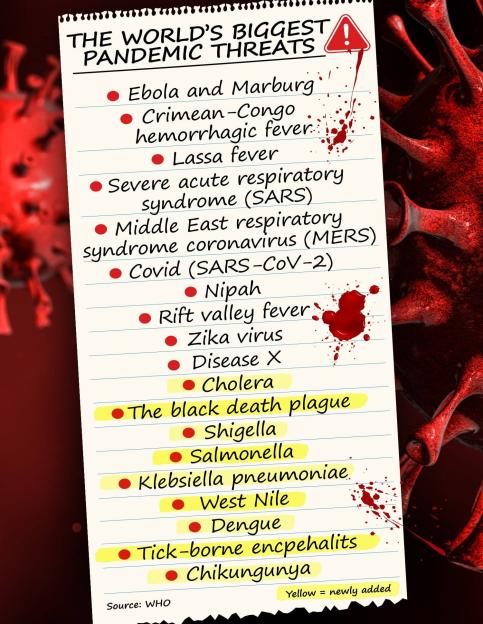
Nipah has a high fatality rate of 40 per cent to 75 per cent, far deadlier than Covid-19.
Despite this, it’s very unlikely it will lead to a global emergency.
Professor Paul Hunter, an expert at the University of East Anglia, said the Nipah virus cases are “unlikely to pose a significant risk of global spread” though countries should remain vigilant.
Detecting Nipah at borders can be difficult owing to the length of time it takes for people to develop symptoms after catching the virus, he added.
Prof Hunter said: “Although Nipah is a very serious infection, it is unlikely to pose a significant risk of global spread as the risk of person-to-person transmission is low.
“The R0 (the number of people that one infected person will pass on a virus to) is less than 1.0.
“Nevertheless, we cannot be complacent as we have seen recently, some viruses can mutate to increased infectivity.
“Also the long incubation period makes detection at borders very difficult.”
that Nipah could “absolutely be the cause of a new pandemic”.
It is spread by fruit bats who can transmit the virus to people via contact with infected bodily fluids like saliva or urine left on fruit.
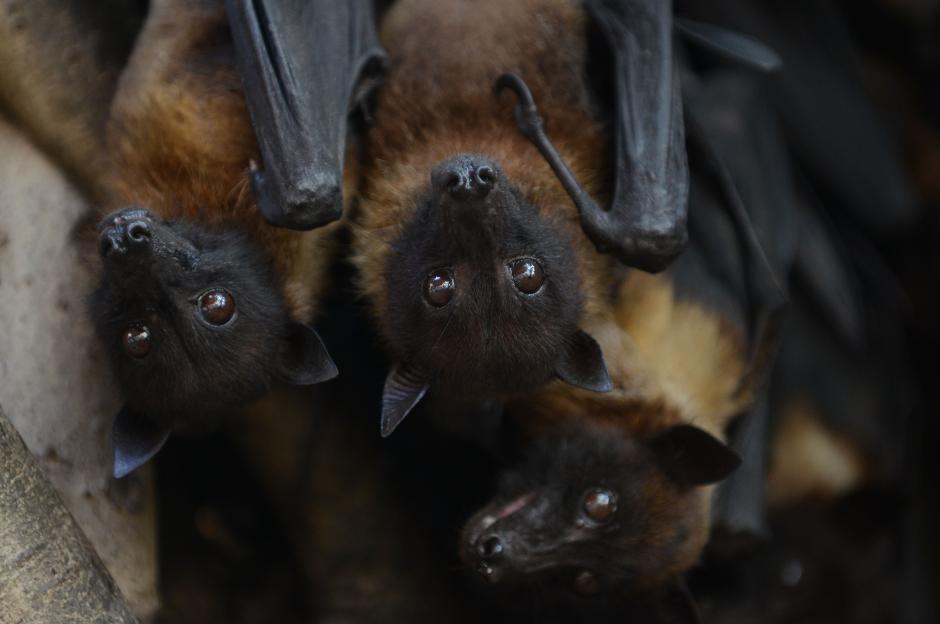 The virus spreads via batsCredit: AFP or licensors
These people can then go on to infect others by close contact including potential airborne transmission through coughing and sneezing.
Nipah can kill by causing both severe respiratory problems and fatal brain swelling.
No vaccine or medication work against the virus, with treatment focussed on helping patients survive the symptoms while the body fights off the infection.
No cases of Nipah virus have ever been recorded in the UK.
However, the virus has a typical incubation period of between four and 14 days, meaning it is theoretically possible for a case to be imported into the UK.
India has since the virus was first detected there in 2001.
Outbreaks were reported in West Bengal in 2001 and 2007.
More recently, the southern state of Kerala has been a Nipah hotspot.
In 2018, 19 cases were reported of which 17 were fatal and in 2023, two out of six confirmed cases later died.
Nipah was after an outbreak among pig farmers in Malaysia.
It has since been regularly found in Bangladesh, where it causes near annual outbreaks.
Experts believe there have been a rise in cases due to animals living in closer proximity to humans because of habitat loss.
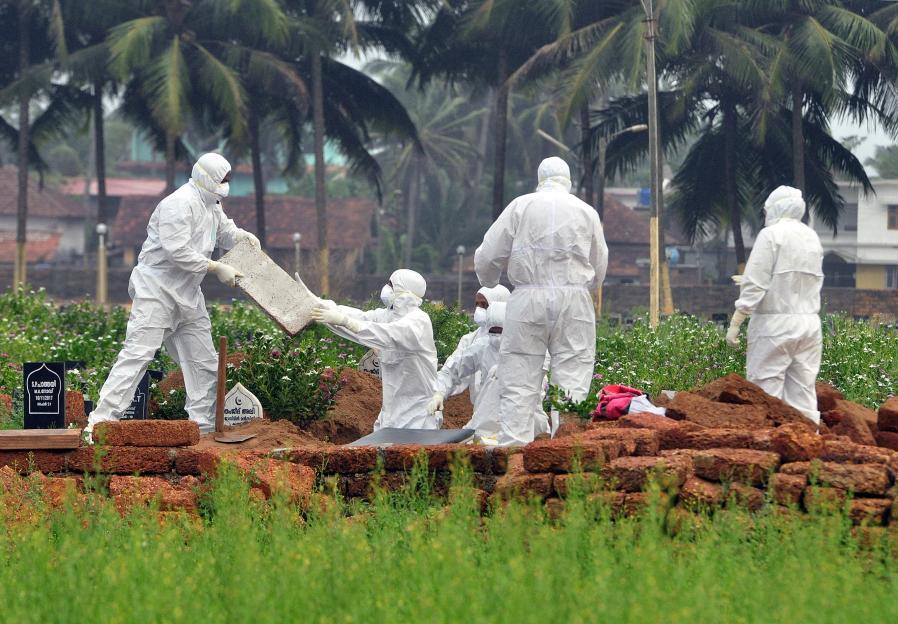 Doctors and relatives digging a grave to bury the body of a victim, who lost his battle against the brain-damaging Nipah virus, in Kerala, in 2018Credit: Reuters
What are the symptoms?
Initial signs of infection are subtle, making the virus difficult to contain, according to the WHO.
First symptoms of Nipah infection include fever, headaches, pain, vomiting and a sore throat.
This is followed by dizziness, drowsiness, altered consciousness and dangerous brain swelling and sometimes severe respiratory problems.
The most serious complication is (inflammation of the brain) or , which typically develops three to 21 days after infection, the UKHSA said.
“This is the hallmark of Nipah infection and is associated with a very high mortality rate,” the health watchdog added.
Nipah belongs to a family of viruses called paramyxoviruses, a group that includes pathogens like .
THE 24 'PRIORITY PATHOGENS'
THE UK Health Security Agency has issued a list of the 24 viruses and bacteria that its experts believe pose the biggest threat to people in the UK.
Each one is a scientific family, meaning it is an umbrella term that includes a number of more specific – and usually better known – infections.
VIRUSES
- Adenoviruses (mostly cause the common cold)
- Arenaviruses (e.g. Lassa fever)
- Calciviruses (e.g. norovirus)
- Coronaviruses (e.g. Covid-19)
- Filoviruses (e.g. Ebola, Marburg, Sudan virus)
- Flaviviruses (e.g. dengue, zika, hepatitis C)
- Hantaviruses (can cause hantavirus pulmonary syndrome)
- Nairoviruses (e.g. Crimean-Congo Haemorrhagic fever)
- Orthomyxoviruses (e.g. flu)
- Paramyxoviruses (e.g. Nipah virus)
- Peribunyaviruses (e.g. oropouche fever)
- Phenuviruses (e.g. Rift Valley fever)
- Picornaviruses (e.g. polio)
- Pneumoviruses (e.g. human metapneumovirus/hMPV)
- Poxviruses (e.g. mpox)
- Togaviruses (e.g. Chikungunya)
BACTERIA
- Bacillaceae (e.g. anthrax)
- Coxiellaceae (e.g. Q fever)
- Enterobacteria (e.g. plague)
- Francisellacae (e.g. tularaemia)
- Moraxellaceae (can cause pneumonia and UTIs)
- Neisseriaceae (e.g. gonorrhoea)
- Staphylococcaceae (cause cellulitis, pneumonia)
- Streptococcaceae (cause meningitis, scarlet fever, septicaemia)
Continue reading

GBBO finalist Ruby Bhogal’s bakes are our fave showstoppers right now
Credit: Matt Russell WITH a new series of about to begin, what better way to celebrate than with a selection of recipes from 2018 finalist Ruby Bhogal? Around T...

I was raped 15 times by Mohamed Al Fayed when I worked at Harrods – he had ‘favourite girls’ and made us have STI tests
SARA Blackiston remembers being thrilled when she secured a job as a hosiery assistant at Harrods as a young woman – and even more elated when she was quickly s...

UK’s biggest toy chain is hit by asbestos recall alert as wooden games are pulled from shelves
THE UK’s biggest toy chain has pulled a wooden game from shelves over fears it contains asbestos. Shoppers have been urged to stop using the product immediately...
Middle-age disease ‘silently’ affecting one in FIVE Brits and fuelling deadly cancer – are you at risk?
LATE-stage diagnoses of deadly liver disease are surging because it develops so “silently”, concerning research suggests. Around 1.3billion people worldwide are...