NICOTINE pouches pose a significant risk to teenagers’ brain development and heart health, with candy-like packaging making them enticing to youngsters, a World Health Organization (WHO) report has found.
But some experts have condemned the report as “dangerous misinformation that could cost lives”, arguing that nicotine pouches are still “dramatically less harmful” than cigarettes.
Published today, the report said that nicotine pouches are becoming “increasingly popular” – particularly among young people – raising “urgent public concern that demands coordinated, urgent, decisive action”.
The pouches contain nicotine that is usually extracted from tobacco, along with flavorings and sweeteners that “increase the proportion of nicotine available for absorption”.
They are designed to be placed between your lip and gum, where they then slowly release nicotine that is absorbed into the bloodstream.
The nicotine pouches are not to be confused with , Scandinavian sachets filled with tobacco that are banned across the EU and UK.
They are marketed as “tobacco free”, making them supposedly less harmful than , but the WHO warns that this claim could be misleading with the pouches still containing “trace contaminants”.
The report raises concerns about the “systematic targeting of young people” through the flavouring and promotion of nicotine pouches, arguing this positions them as lifestyle products rather than
“addictive and harmful”.
It said: “Rapid expansion of nicotine pouches is not merely a market trend, it is a public health challenge with long term implications.
“Nicotine is highly addictive, increases cardiovascular risk and can harm brain development. Initiation during youth increases the likelihood of sustained addiction… and future transition to other tobacco products.
“Without robust regulatory oversight, the proliferation of these products threatens to undermine decades of progress in tobacco control.”
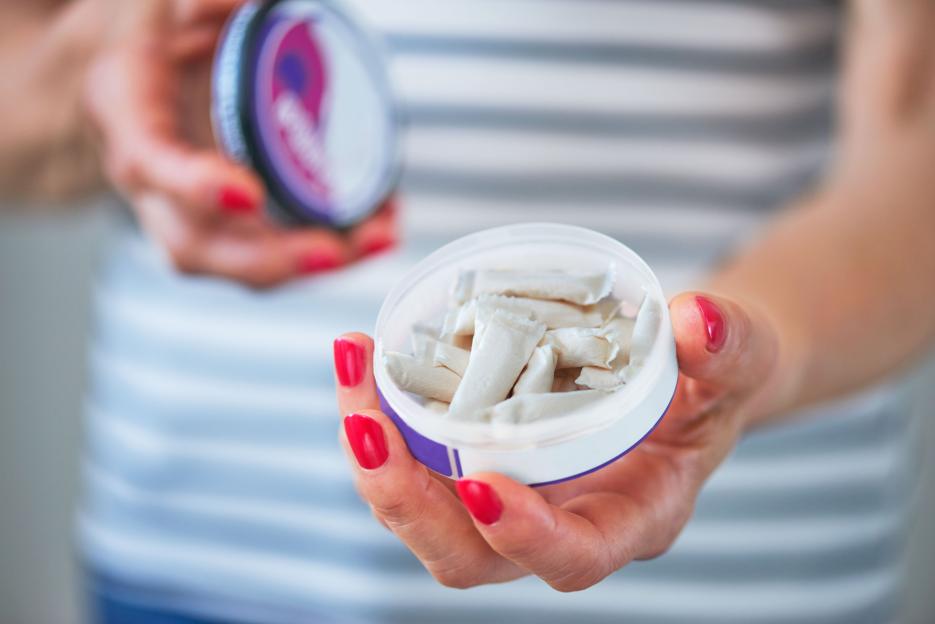 The WHO’s report warned that nicotine pouches are becoming particularly popular among young people Credit: Getty
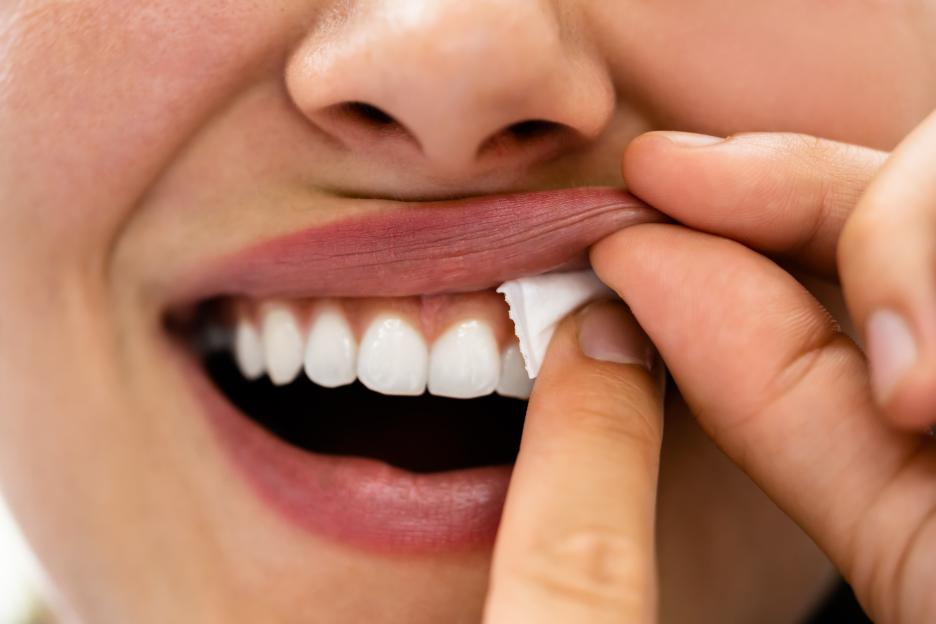 They said urgent action is needed to regulate marketing and advertising around these products Credit: Getty
But harm reduction campaigners have strongly criticised the report, with Richard Crosby, Director of Considerate Pouchers UK , arguing that the WHO “appears unable or unwilling to communicate relative risk”.
He said: “That matters because when public health bodies imply all nicotine products are equally dangerous, many smokers simply continue smoking – which is by far the worst outcome.
“One produces smoke, tar and combustion toxins. The other does not. There is dangerous misinformation in this report that frankly, could cost lives.”
The WHO report found that nicotine pouches are “aggressively marketed” to young people – they’re “heavily advertised” on , including through the use of .
It said: “In 2021, a large multinational tobacco company reportedly paid 77 influencers to promote its nicotine pouches to a potential global audience of 537 million”.
The report said nicotine pouches are often promoted for “discreet” or stealthy use, making it difficult for parents or teachers to detect.
It argued that slogans like “No smoke, no vapour” and “More convenient, less noticeable” undermine regulations prohibiting smoking and attempts to reduce nicotine usage.
The WHO also said that the pouches often contain “various youth-appealing candy-like flavours such as cherry punch and frosted apple, which are “particularly attractive to children”.
It added: “Flavours in tobacco and related products enhance their attractiveness and appeal, especially to young people, contributing to experimentation, initiation and sustained tobacco and nicotine use.”
What’s more, the nicotine content of the pouches can be as high as 120mg so if they are ingested by children, they can “pose a lethal risk”.
 The WHO has criticised the candy-like flavours that are used in some nicotine pouches Credit: Not known, clear with picture desk
 Smoking vs. vaping
VAPING has been touted as an effective tool to help people quit smoking.
Though vaping is substantially less harmful than smoking, the habit isn’t completely harmless and comes with its own set of risks.
The NHS only recommends it for adult smokers, to support quitting smoking.
GP and author Dr Philippa Kaye explained to The Sun that the differences between vaping and smoking – and whether one is better than the other – is “complicated”.
“In a nutshell, vaping is better than smoking, but breathing air is better than vaping at all.”
Vaping exposes users to far fewer toxins – and at lower levels – than smoking cigarettes.
Switching to vaping significantly reduces your exposure to toxins that can cause cancer, lung disease, and diseases of the heart and circulation like heart attack and stroke.
These diseases are not caused by nicotine, which is relatively harmless to health. But research has still linked vaping to a higher risk of failure and lung disease.
Health risks of cigarettes
- Smokers are more likely than nonsmokers to develop heart disease, stroke, and lung cancer
- Smokers are at greater risk for diseases that affect the heart and blood vessels
- Smoking can cause lung disease by damaging your airways and the small air sacs
- Smoking can cause cancer almost anywhere in your body
- It affects overall health too, such as your mouth, eyes, immune system and fertility
Health risks of vaping
- They can cause side effects such as throat and mouth irritation, headache, cough and feeling sick
- They could lead to tooth decay
- They could damage heart health
- They could cause lung disease
- They could slow brain development
Read more on how vaping can affect your health .
Sources: NHS, CDC
In reports to US poison centres, approximately 70 per cent of cases of
exposure to nicotine pouches were in children under five years of age, the WHO said.
It continued: “Labelling of the nicotine content of nicotine pouches on tins
can be confusing and misleading” and is “notably inconsistent”.
The WHO stressed that nicotine is particularly harmful to adolescent brain development and increases their cardiovascular risk.
According to data released from the Tobacco Epidemic Evaluation Network Study in the in September 2025, nicotine pouch use in young people has surged in recent years.
Use among youth and young adults nearly quadrupled between 2022 and 2025, the report said.
The WHO says there is “insufficient national action” – nicotine pouches were introduced after most tobacco control regulatory frameworks had been adopted and are therefore not always covered by regulations or other laws.
So, what is it calling for? It wants a “comprehensive approach” to tobacco control, covering the full spectrum of tobacco and related products, including nicotine pouches, and for “regulatory loopholes” to be closed.
This includes:
- Banning flavours
- Banning all forms of advertisement, promotion and sponsorship (including on
- Digital media, influencers and “brand ambassadors”
- Banning unapproved and unsubstantiated claims that a product is “safe”, “safer”,
- Less toxic or reduces harm
- Restricting access of young people by enforcing minimum age laws
But critics are not happy with the WHO’s publication.
Mr Crosby said the report attacks slogans such as “no smoke, no smell, no hassle” – statements which are “objectively true”.
He claimed: “This report is not evidence-based public health – it
forms part of a broad, aggressive anti-nicotine ideology.”
Considerate Pouchers UK pointed to independent analyses that increasingly place pouches among the lowest-risk nicotine products available
They agreed that youth marketing restrictions should be strictly enforced – but accused the WHO of using those concerns to justify “demonising” nicotine itself.
It comes as Mark Oates, founder of consumer advocacy group We Vape, previously told : “The real public health priority remains smoking. In , where safer nicotine alternatives such as pouches and vapes are widely used, smoking rates are among the lowest in , alongside very low rates of lung and oral cancers.
“Harm reduction works when it helps smokers switch.”
Dr Sofina Ahmed, at Viva Dental , told , however, that : “We are starting to see more mouth and gum issues linked to these pouches.”
“Patients are now coming in with redness, soreness and tenderness in the exact spot where they place the pouch.”
And Dr Nyree Whitley, chief clinical officer at mydentist said: “The reported rise in popularity of nicotine pouches among younger age groups is alarming.“