Trendy fake stone worktops linked to dozens of deaths have finally been banned as new rules are introduced to keep workers safe.
Young stonemasons will no longer be allowed to dry cut q in order to prevent the deadly dust destroying their lungs, the Health and Safety Executive (HSE) has announced.
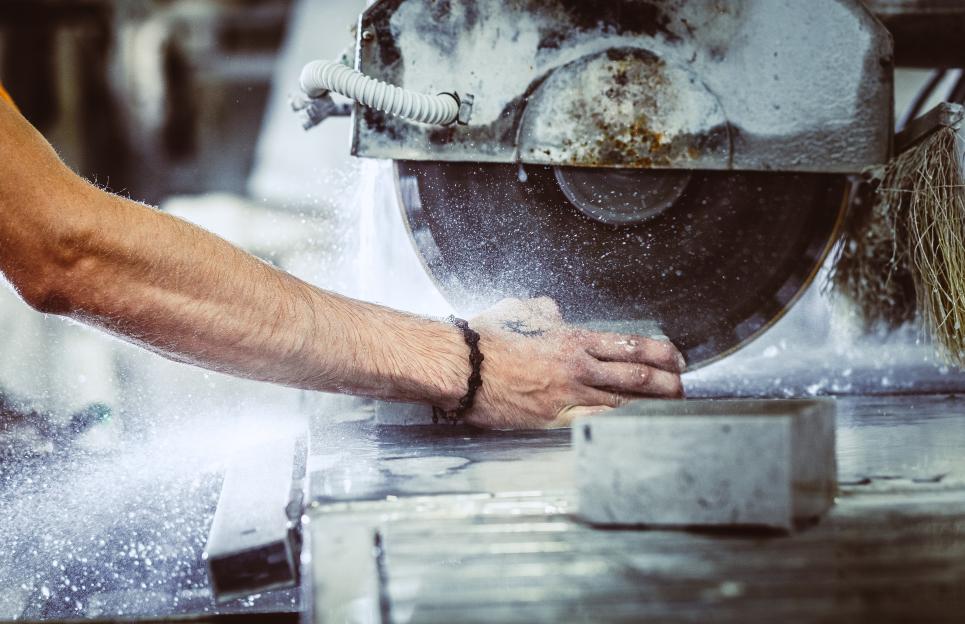 A ban on dry cutting quartz kitchen worktops has been introduced to protect workers’ lungs
 Cutting the artificial stone produces a deadly dust that can destroy stonemasons’ lungs Credit: Getty
Cutting or polishing quartz – an artificial stone – releases fine clouds of , which is dubbed the next asbestos.
If there is a lack of proper ventilation and protection, the particles are easily inhaled, and leading people to develop the disease silicosis.
This can cause permanent scarring and breathlessness in workers and can develop into massive fibrosis – a painful, often fatal condition.
The decision to ban the dry cutting of engineered stones, such as quartz, will save lives as four men have died from the disease.
More than 50 stonemasons, many in their twenties and thirties, have been diagnosed with silicosis since the first cases emerged in mid-2023.
Some are even in urgent need of lung transplants after being struck by the progressive lung disease.
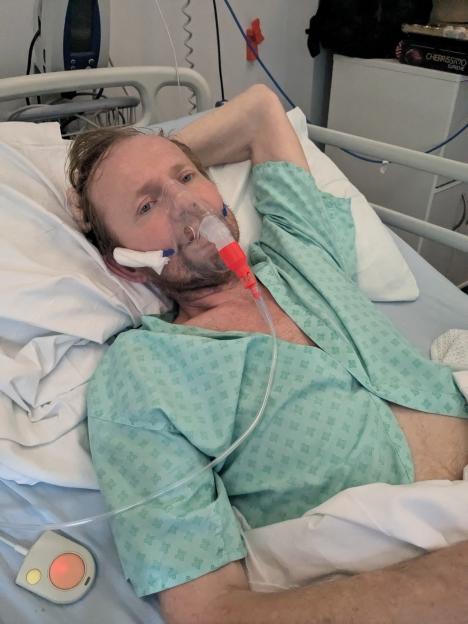 Stonemason Marek Marzec died after months of end-of-life care for silicosis Credit: SWNS
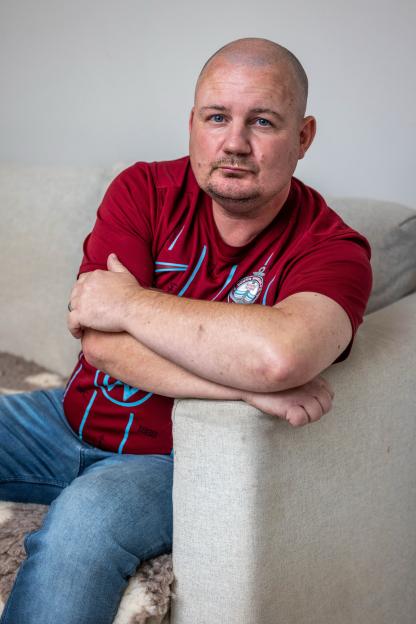 Former tradesman Gareth Burns, 46, is struggling to breathe after being diagnosed with silicosisCredit: Refer to source
Cases of quartz-induced silicosis have shown that engineered stone dust can cause illness in an incredibly short time frame – sometimes after as little as a year’s exposure.
The i Paper revealed this week that under the new HSE rules, employers have a legal requirement to use water suppression tools when cutting quartz to control the silica dust.
They must also provide workers with appropriate respiratory protective equipment and carry out regular health surveillance of their staff.
The HSE will also carry out 1,000 inspections of workplaces nationwide over the next 12 months with the first inspections already underway.
It says that enforcement action will be taken against anyone failing to meet these new standards and protect stonemasons from the deadly dust.
The body carried out two years of research into the risk from engineered stone and found dry cutting creates exposure to lethal silica dust.
Mike Calcutt, deputy director in HSE’s engagement and policy division, said: “Today’s guidance marks our most significant intervention in the engineered stone sector to date, and not without good reason.
“Silicosis is incurable, but it is entirely preventable. No worker should lose their life to a lung disease caused by their job, and that is why we have taken this action.”
He continued: “What we found was stark. Many businesses are not putting the right controls in place; they are still using engineered stone with high silica content and dry cutting, which must stop.”
Mr Calcutt stressed that employers who are “cutting corners” are putting their workers at risk, adding that “our inspectors are coming”.
Epidemics of silicosis in workers cutting engineered stone have broken out in countries including Spain and Australia, which have both seen over 1,000 cases.
In 2024, Australia became the first country in the world to ban engineered stone, while in California, more than 550 tradesmen have been diagnosed, 30 of whom have died since 2018.
Sian Elliot, director of organising at the Trade Unions Congress (TUC), said: “Steps to strengthen protections and reduce exposure are welcome, but the most effective way to prevent deaths and diseases is to remove the hazard altogether.
 As part of the ban, inspections will be carried out over the next year to ensure employers are following the new rules Credit: Getty
 WHAT IS SILICOSIS?
SILICOSIS is a serious lung disease that involves scarring and swelling inside the breathing tubes.
It is caused by regularly inhaling silica dust over years or decades.
Silica is a mineral made up of the elements silicon and oxygen and it is found under the ground in the form of quartz crystals, rocks and sand.
It is mined for use as gemstones or in masonry, electronics and pottery.
Cutting and working with silica can produce a lot of dust, which is harmful if breathed in.
The dust is made of hard silica crystals that damage the delicate lining of the lungs, causing swelling and scarring that build up over time.
As swelling and scarring get worse, they destroy parts of the lungs that soak up oxygen and reduce the organs’ function.
Symptoms may take years to develop but include a long-term cough, shortness of breath and weakness and tiredness.
The condition gets worse over time and may increase the risk of chest infections, high blood pressure, heart failure, chronic obstructive pulmonary disease (COPD) and lung cancer.
There is no cure for the illness because lung damage cannot be reversed, so doctors focus on treating the symptoms and improving oxygen flow.
Source: NHS
“Britain should follow Australia’s lead, where the supply and cutting of engineered stone has been banned.”
Meanwhile, Sir Stephen Timms, Minister for Social Security and Disability, said: “Every worker deserves to come home safe, without fear of losing their life to a preventable, deadly lung disease caused by their job.
“This new guidance gives businesses clear, unambiguous instructions on what the law requires”.
It comes as a doctor warned earlier this year that cases of quartz silicosis have in just a year.
Dr Jo Feary – a consultant at London’s Royal Brompton Hospital, where most of the UK’s more than 50 quartz silicosis patients are being treated – warned in January that UK cases have jumped from eight to 45 in just over a year, a rise of 462 per cent.