WEIGHT loss jab Mounjaro has set a new NHS spending record after doctors splurged half a billion pounds on prescriptions last year.
Figures from the NHS Business Services Authority show supplying the blockbuster medicine in England cost £574,302,390 in the last financial year, 2025-26.
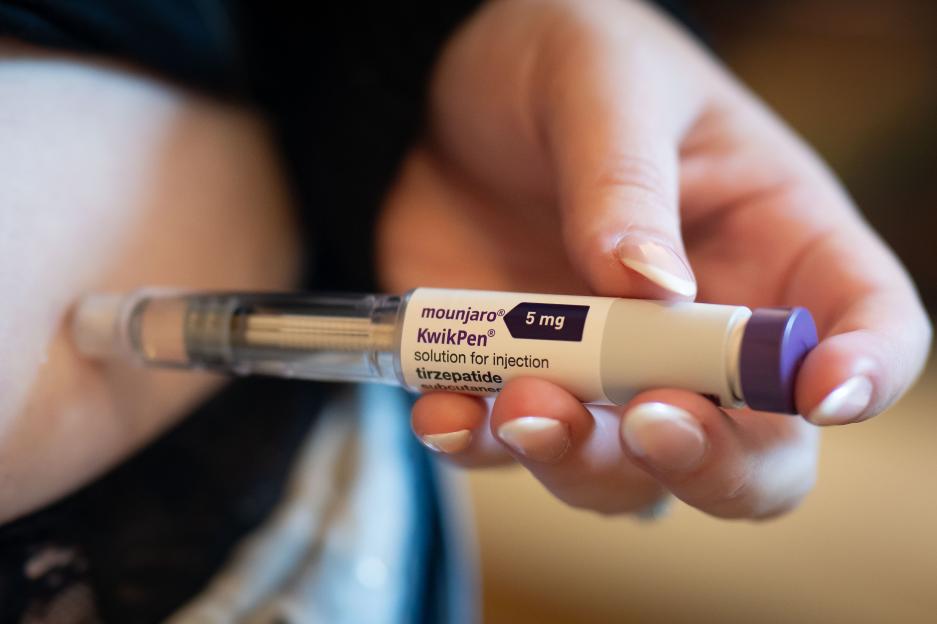 NHS spending is the tip of the iceberg as most prescriptions are private (stock image) Credit: Getty
Sun analysis of more than 20 years of data reveals this is more than the health service has ever spent on one medicine in a single year.
Mounjaro, also known as tirzepatide, surged from tenth place to first as costs climbed five-fold from £120m the year before.
have skyrocketed from just 3,279 in 2023 when it launched to 3million in 2025-26.
However it does not rank in the top 20 most commonly prescribed, with that list topped by cholesterol-lowering atorvastatin, at 78million.
That drug costs just 94p per pack, compared to an average .
Rival jab Wegovy, known as semaglutide, ranked as the 10th biggest spend at £137.8m as prescriptions fell from 1.6m to 1.55m.
Both medicines can be prescribed for either type 2 diabetes treatment or .
Dr Leyla Hannbeck, chief of the Independent Association, said: “Weight-loss jabs are in a class of their own and their effectiveness and life-changing impact for patients has led to unprecedented demand.
“Pharmacies have never seen anything like it.
“Yet despite this ballooning bill, only one per cent of those eligible for weight-loss jabs can get them on the NHS.”
The mammoth NHS spend on Mounjaro is just a fraction of the cash being made in Britain by its manufacturer, Eli Lilly and Company.
Around nine in ten people who take the medicine buy it privately where the criteria are less strict.
NHS GPs only for weight loss in the summer of 2025 and it is set to take 12 years just to roll it out to the most in-need.
At least 1.5million Brits are estimated to be using the jabs, with .
Former Health Secretary wanted them dished out faster as research shows it has numerous benefits on top of weight loss.
First invented to treat type 2 diabetes, studies now suggest it reduces heart disease danger and even .
Dr Charlotte Refsum, of the Tony Blair Institute for Global Change, said: “The fact that an anti-obesity medicine has become the NHS’s biggest annual drug spend is unprecedented.
“It underlines the transformational impact these treatments are already having.
“Far from being a cost story alone, it is proof of the enormous demand for effective treatment and the huge, still largely untapped, potential of these medicines to improve public health.
“The opportunity now is to ensure they are deployed at scale and as part of a broader strategy to reduce obesity-related disease, improve population health and ease long-term pressure on the NHS.”
Helen Kirrane, head of policy at Diabetes UK, added: “Tirzepatide can transform people’s health and quality of life, and is a cost-effective option for the NHS.
“NHS England began rolling it out last year in stages, prioritising those with the greatest clinical need, which has led to an increase in NHS prescriptions.
“Diabetes UK would like to see more people who are eligible prescribed tirzepatide without delay, alongside the important wraparound support on the NHS.”
WEIGHT LOSS JABS 'COULD FIGHT CANCER'
WEIGHT loss jabs could soon be used to fight cancer as research suggests they can prevent and treat the disease.
A number of new studies found -proofing effects of trendy injections like Wegovy and Mounjaro.
Burning off flab boosts health but the also appear to work in other ways such as reducing harmful inflammation and controlling hormones.
More than half a dozen studies at a meeting of the American Society of Clinical Oncology in Chicago found cancer-busting effects of the jabs.
One by the University of Pennsylvania showed a 30 per cent lower risk of in women who used them.
Another report by the Dino Amadori Romagna Institute for Tumour Research in Italy found patients who already had breast cancer were 30 per cent less likely to die within 18 months if taking the jabs alongside their treatment.
And the Cleveland Clinic in Ohio showed that jab users with lung, breast, or liver cancer were up to 50 per cent less likely to progress to incurable stage four than people not on the injections.
In other studies, users appeared less likely to develop lung or pancreatic cancers or leukaemia.