MOUNJARO pens will be shrunk from April to try and stop patients squeezing out a “golden” fifth dose after the four prescribed shots.
Users of the weight loss jab have for months been injecting left-over liquid from their supply to try and boost fat burning.
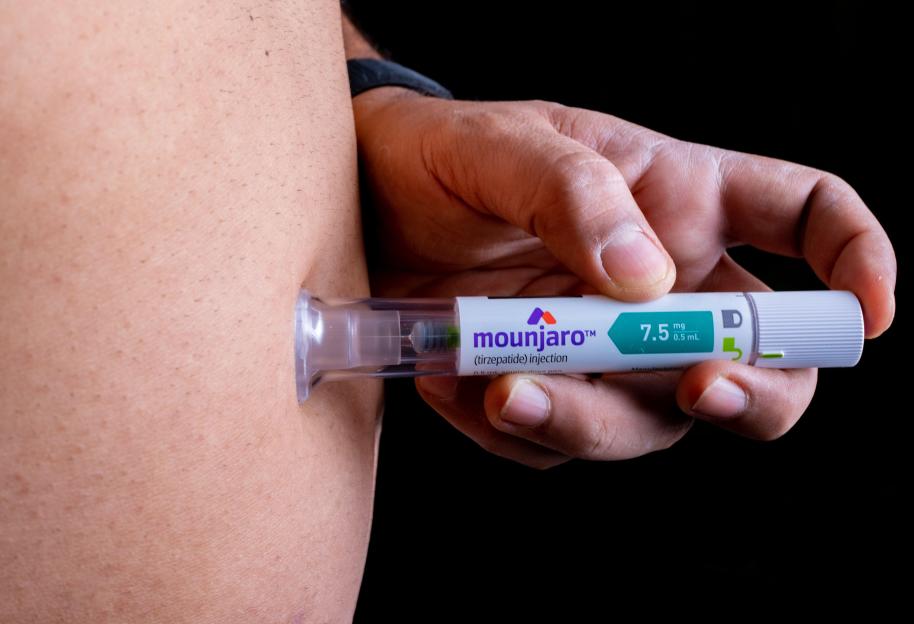 2RD5P46 photo of Mounjaro Weight Loss PenCredit: Alamy
From April, manufacturer Eli Lilly will only sell its redesigned Kwikpen injector to prevent this.
More than a million Brits are estimated to use the medication, the most popular , with almost all buying it privately from online pharmacies.
The jab contains extra liquid to account for spillage when the pen is primed for each new shot, as it must squirt some out to remove air bubbles from the needle.
The amount of extra liquid will now be reduced to stop people trying to .
Some patients even break open the pens or use their own needles to extract the surplus fluid.
This is a safety risk as taking too much of the can be harmful, and exposing it to the open air or other needles or syringes raises the chance of infection.
Mounjaro pens will still contain four full doses and will not change, with costs between £130 and £300 depending on the strength.
The change will affect all doses as they all come in the same size pen with the same amount of fluid, with only the drug concentration changing as the dose increases.
A Lilly spokesperson said: “The Mounjaro KwikPen device has been modified to reduce leftover medicine and make it easier to track that the has been administered, indicating that the pen is ready to be discarded.
“In accordance with the instructions for use, the KwikPen should be disposed of after four doses, and the low amount of residual medicine should not be used.”
The company said the new injector will be widespread after April once ’ current stock runs out.
Everything you need to know about fat jabs
Weight loss jabs are all the rage as studies and patient stories reveal they help people shed flab at almost unbelievable rates, as well as appearing to reduce the risk of serious diseases.
Wegovy – a modified version of type 2 diabetes drug Ozempic – and Mounjaro are the leading weight loss injections used in the UK.
Wegovy, real name semaglutide, has been used on the NHS for years while Mounjaro (tirzepatide) is a newer and more powerful addition to the market.
Mounjaro accounts for most private prescriptions for weight loss.
How do they work?
The jabs work by suppressing your appetite, making you eat less so your body burns fat for energy instead and you lose weight.
They do this my mimicking a hormone called GLP-1, which signals to the brain when the stomach is full, so the drugs are officially called GLP-1 receptor agonists.
They slow down digestion and increase insulin production, lowering blood sugar, which is why they were first developed to treat type 2 diabetes in which patients’ sugar levels are too high.
Can I get them?
NHS prescriptions of Wegovy is controlled through specialist weight loss clinics, while Mounjaro is available from GPs but only for the highest risk patients.
For Wegovy, a patient will typically have to have a body mass index (BMI) of 30 or higher, classifying them as medically obese, and also have a weight-related health condition such as high blood pressure. They will be expected to have tried diet and exercise already.
Mounjaro is available from NHS GPs for weight loss but only to a tiny group of patients, with the rollout starting with those with a BMI higher than 40 and with four weight-related health conditions.
Private prescribers offer the jabs, most commonly Mounjaro, to anyone who is obese (BMI of 30+) or overweight (BMI 25-30) with a weight-related health risk.
Private pharmacies have been rapped for handing them out too easily and video calls or face-to-face appointments are now mandatory to check a patient is being truthful about their size and health.
Are there any risks?
Yes – side effects are common but most are relatively mild.
Around half of people taking the drug experience gut issues, including sickness, bloating, acid reflux, constipation and diarrhoea.
Dr Sarah Jarvis, GP and clinical consultant at patient.info, said: “One of the more uncommon side effects is severe acute pancreatitis, which is extremely painful and happens to one in 500 people.”
Other uncommon side effects include altered taste, kidney problems, allergic reactions, gallbladder problems and hypoglycemia.
Evidence has so far been inconclusive about whether the injections are damaging to patients’ mental health.