EATING foods like crisps, biscuits or even a ham sandwich significantly increases your risk of developing dementia, a study has shown.
Harvard University found that people who eat every day had a 58 per cent increased chance of developing the syndrome.
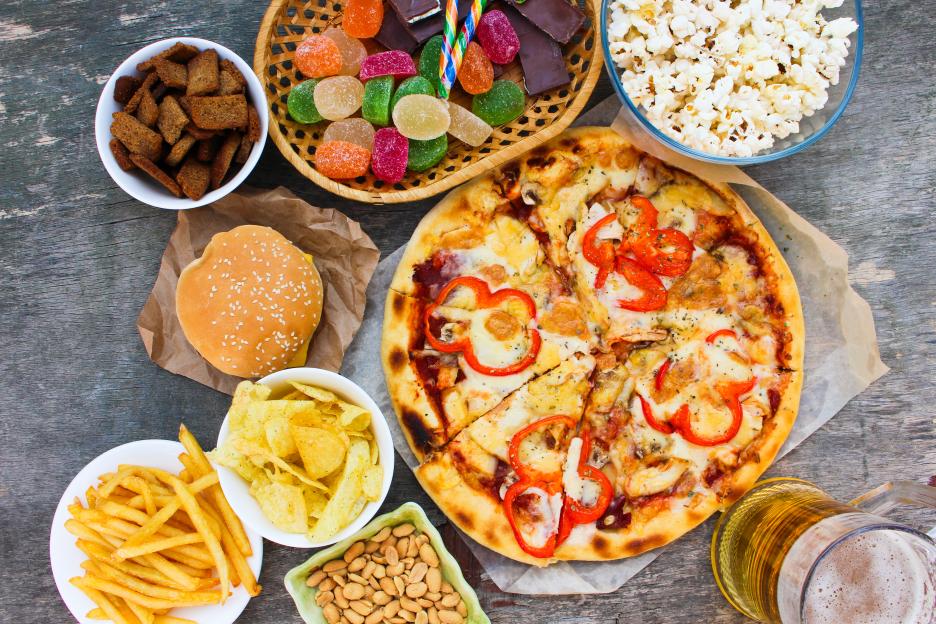 People who eat ultraprocessed foods every day, from crisps to bacon and ham, have a significantly increased risk of developing dementia Credit: Getty
 Processed meats, a popular everyday sandwich filling, were found to contribute most to people’s dementia risk Credit: Getty
Processed meats, such as bacon, hot dogs and even sliced ham – a popular filling for sandwiches across the nation – were found to contribute most to people’s risk.
Researchers followed more than 5,300 Americans for 10 years and found that those eating junk foods also had a 46 per cent higher risk of developing mild cognitive impairment.
Commenting on the study, Professor Cindy Leung, associate professor of public nutrition at Harvard T.H. Chan School of Public Health and a study co-author, said: “Just to say, ‘well, I don’t eat all my calories from ultraprocessed foods, I’m safe.’ It really shows there may not be a safe level.”
But she highlighted the study also found that “those who ate the most minimally processed whole foods… were 41 per cent less likely to develop dementia.”
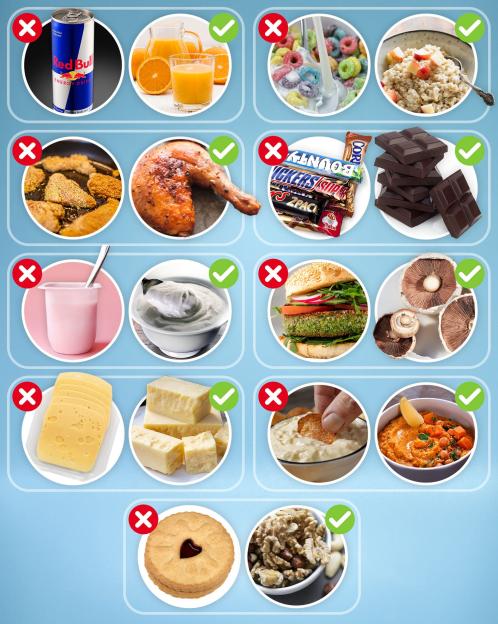 Here are some easy switches you can do to reduce your daily consumption of ultraprocessed foods
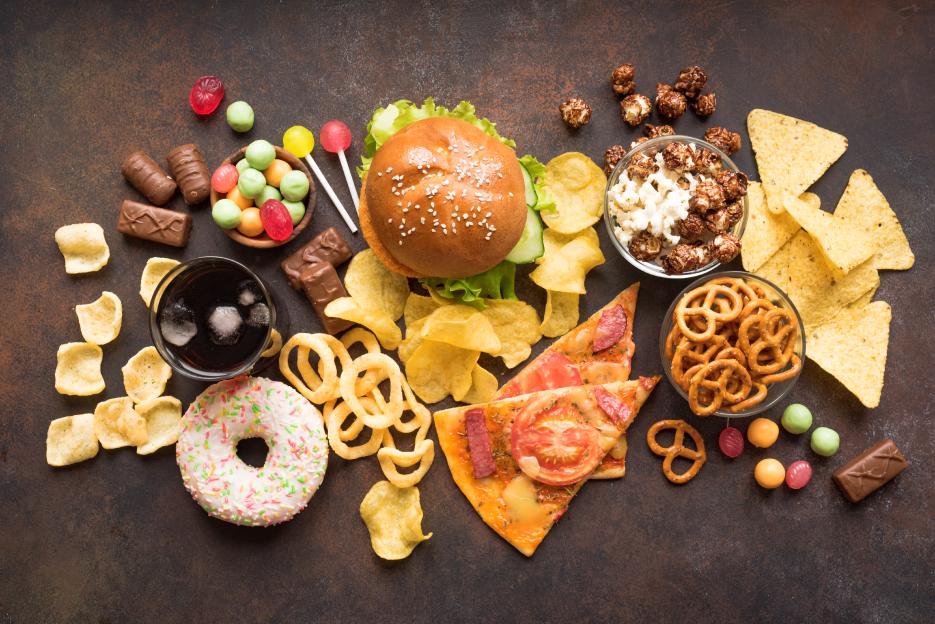 The study did, however, find that those who ate the least processed foods were 41 per cent less likely to develop dementia Credit: Getty
typically tend to have more than one ingredient that you very rarely find in your kitchen, the British Heart Foundation says.
They also tend to include many additives and ingredients that are not typically used in home , such as preservatives, emulsifiers, sweeteners, and artificial colours and flavours.
As a rule of thumb, these foods tend to have a long shelf-life.
Common ultraprocessed foods include ham and sausages, mass-produced cereals, breakfast cereals, instant soups, crisps, biscuits, ice cream, fruit-flavoured yoghurts and fizzy drinks.
Many ultraprocessed foods are unhealthy because they are high in added sugars, sodium and saturated fat and it is suggested that additives in them could be responsible for negative health effects.
Published in the American Journal of Public Health this week, the study found people who eat over two pounds – under 0.5kgs – of ultraprocessed foods a day were the most at risk of dementia.
While researchers said they couldn’t prove these were driving dementia, they noted that it was “biologically plausible” and fitted with growing scientific evidence that ultraprocessed foods impact brain function.
What’s more, ultraprocessed foods are also tied to risk factors for dementia.
Dr Alex Henney, an endocrinologist at the University of , said that junk foods may drive , Type 2 and cardiovascular disease, all of which raise the risk of dementia.
Additives such as emulsifiers and preservatives may also drive inflammation, which has also been implicated in dementia.
 As a rule of thumb, foods that tend to have a long shelf-life, like processed meats, are ultraprocessed Credit: Getty
 What you should know about ultraprocessed food:
Ultra processed foods (UPFs) were defined by Brazilian researchers who made the NOVA classification system. It breaks foods into groups depending on how processed they are. The most natural foods are in group 1, while the most processed are in group 4.
The groups do not entirely indicate how healthy a food is. However, it does indicate how processed it is – and studies have linked UPFs to a number of diseases.
How does your kitchen compare to the following groups?
Unprocessed or minimally processed foods (group 1)
- vegetables and fruits (fresh or frozen)
- dried fruits with no added sugar, honey, or oil
- grains and legumes (chickpeas, lentils)
- meat, poultry, fish, seafood, eggs
- milk without added sugar
- plain yogurt with no added sugar
- nuts and seeds
- spices and herbs
- tea, coffee, water
Processed culinary ingredients (group 2)
- iodized salt
- salted butter
- sugar and molasses from cane or beet
- honey extracted from combs
- syrup from maple trees
- vegetable oils crushed from olives or seeds
- butter and lard from milk and pork
- starches extracted from corn and other plants
- vegetable oils with added anti-oxidants
- vinegar with added preservatives
Processed foods (group 3)
- canned vegetables, fruits, and legumes
- fruits in syrup
- salted or sugared nuts and seeds
- salted cured or smoked meats
- canned fish
- artisanal breads and cheese
Ultra-processed foods (group 4)
- pop and fruit drinks
- sweetened yogurt
- sweet or savoury packaged snacks (e.g., cookies)
- candies and cake mixes
- mass-produced packaged breads and buns
- margarines and spreads
- breakfast cereals
- cereal and energy bars
- energy drinks
- instant soups, sauces, and noodles
- poultry and fish nuggets, hot dogs
- many ready-to-heat products: pre-prepared pies, pasta, and pizza dishes
We probably all eat ultra-processed foods on a daily basis.
Some of the most common in British diets include:
- Ice cream
- Ham
- Sausages
- Crisps
- Mass-produced bread
- Breakfast cereals
- Biscuits
- Carbonated drinks
- Fruit-flavoured yogurts
- Instant soups
- Some alcoholic drinks including whisky, gin, and rum
Source: British Heart Foundation
Dementia is a term used to describe the symptoms that occur when there’s a decline in brain function.
Research shows there are more than 944,000 people in the UK who have dementia, the NHS says.
One in 11 people over the age of 65 have dementia in the UK and that number is increasing as people are now living longer.
It is estimated that by 2030, the number of people with dementia in the UK will be more than one million.
The study, however, wasn’t all bad .
Professor Leung said: “The good news is we also found the opposite effect for minimally processed food.
“Those who ate the most minimally processed whole foods, like fruits and vegetables, whole grains, and unprocessed meats, were 41 per cent less likely to develop dementia.
“This gives us optimism for clear and actionable next steps.
“Our study shows that eating healthy whole foods is an important behaviour that can protect our minds as we age.”