THE construction of a gigantic “mega shed” warehouse is almost finished, leaving furious villagers living in its shadow.
The colossal structure, dubbed a “monstrosity” by locals, has sprung up in Pilning, , without residents ever being consulted, thanks to a controversial planning rule dating back to the 1950s.
 Residents claim the building blocks out sunlightCredit: SWNS
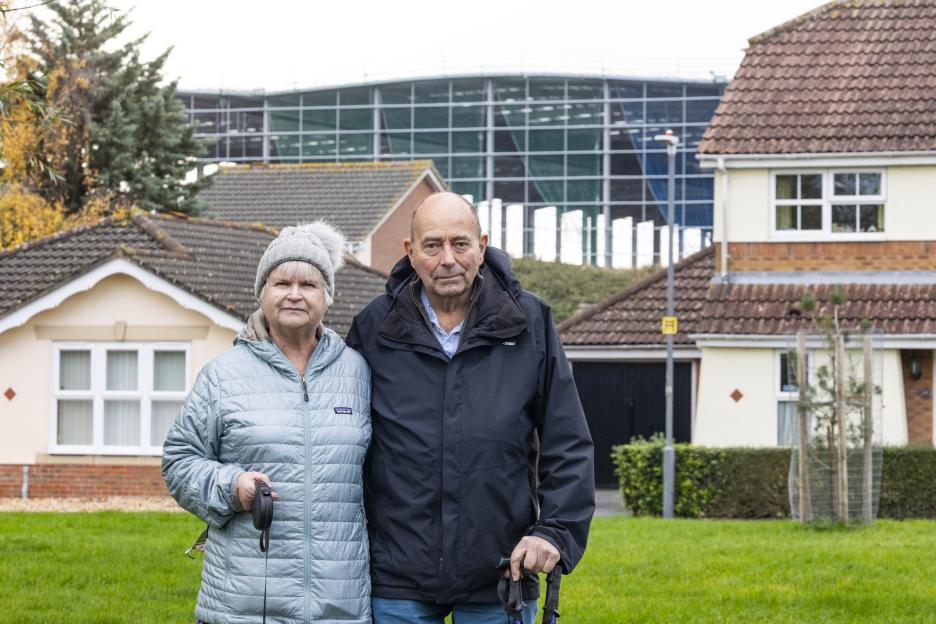 Locals Christine and Paul Selby say the development has ‘destroyed the area’Credit: SWNS
Locals say the “stadium-sized” building is looming over their homes and blocking out daylight.
Residents previously claimed estate agents told them their have been slashed in value by as much as 10 per cent because of the development.
The warehouse, which is 20m (65ft) high, is edging towards its planned completion in April.
Residents say the 500,000 sq ft industrial unit looks more like a “large ” or something out of “War of the Worlds”
claim the massive distribution hub blights the countryside, steals their privacy and is floodlit throughout the night.
People say they had no say over the project because developers relied on a historic planning consent granted nearly 70 years ago.
The 1957 scheme was designed to boost development in the chemical, storage, and distribution industries post-war, but villagers say it is now totally outdated.
Crucially, the consent means councillors are barred from properly considering the objections raised by residents.
Councillor Simon Johnson said: “It goes back to a historic planning consent in the 1950s.
“After the there was a rebuilding mission under way.
“But what we’re seeing now, built under these blanket consents, is no longer fit for purpose.
“This should not have been built at this height or with this level of impact on local residents.”
One disgruntled local, Sue Jones, 67, a retired veteran, went on holiday and when came back after two weeks the “monster-shed” had appeared.
“I was disgusted when I saw it,” she said. “They managed to get it so close to the houses.
 Residents claim a new warehouse has devalued their homesCredit: SWNS
 Local resident Sue Jones said she is disgusted by the developmentCredit: SWNS
“And what about the flood plan? Where is all the water going to go?
“When it is completed it is going to be like living next to a large prison.”
Fellow residents, Christine, 68, and Paul Selby, 71 believe the warehouse will be a 24/7 operation.
Christine said: “I feel annoyed and powerless to say the least. It has destroyed the area.
“They are doing this relying on the old planning permission. They have not envisioned flooding and the consequences.
Paul added: “It is going to alter the area completely. There has been no consideration given and no questions asked to residents.”
Claire Young MP, for Pilning and Yate, has raised the issue in the , calling for a debate.
She said: “Historic consents need to be looked at and we need legislation to introduce modern conditions on them, so we don’t have this situation where people’s very reasonable concerns can’t be taken into consideration.
South Gloucestershire Council admitted it has limited powers to stop the project.
A spokesperson said: “Much of the new development at Severnside is governed by a planning permission granted in 1957, pre-dating both South Gloucestershire Council and probably the arrival of many local residents in Easter Compton.
“This permission gives wide ranging powers for development with limited remaining control for the council to exercise.”
The “1957/58 Severnside Consent” covers a vast area of land and remains legally valid today.
It allows industrial, storage and distribution developments to go ahead without the same modern flood or environmental safeguards required under today’s planning laws.
The rule has been criticised for creating planning and environmental problems for local authorities, and neglecting the objections of locals.
A Government spokesperson said: “We’re taking decisive action to update the planning system and get Britain building, while ensuring communities are engaged with developers’ plans.
“ are ultimately responsible for reviewing old permissions if the development is no longer suitable and deciding whether action is necessary.”
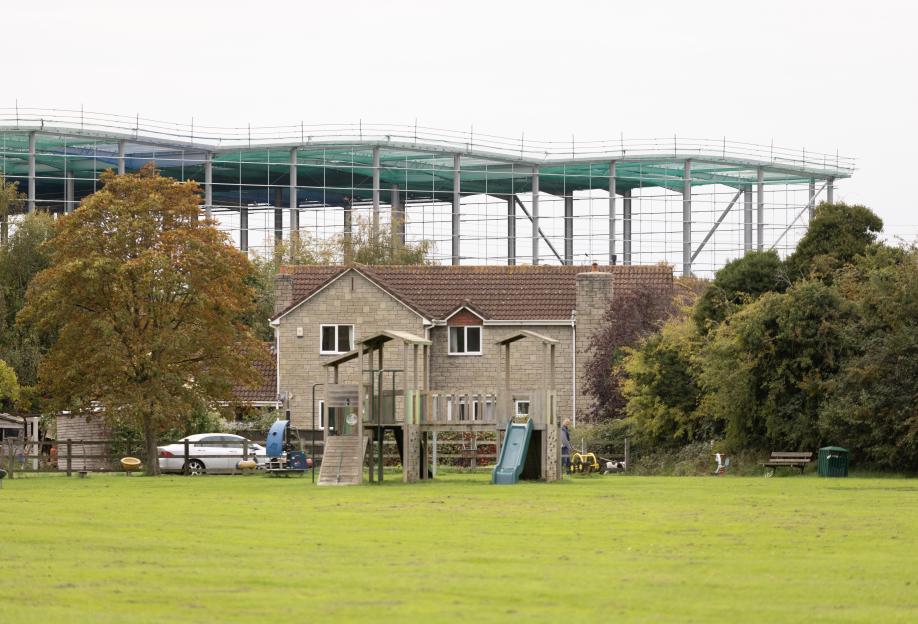 The project is now approaching its completion in AprilCredit: Jon Rowley
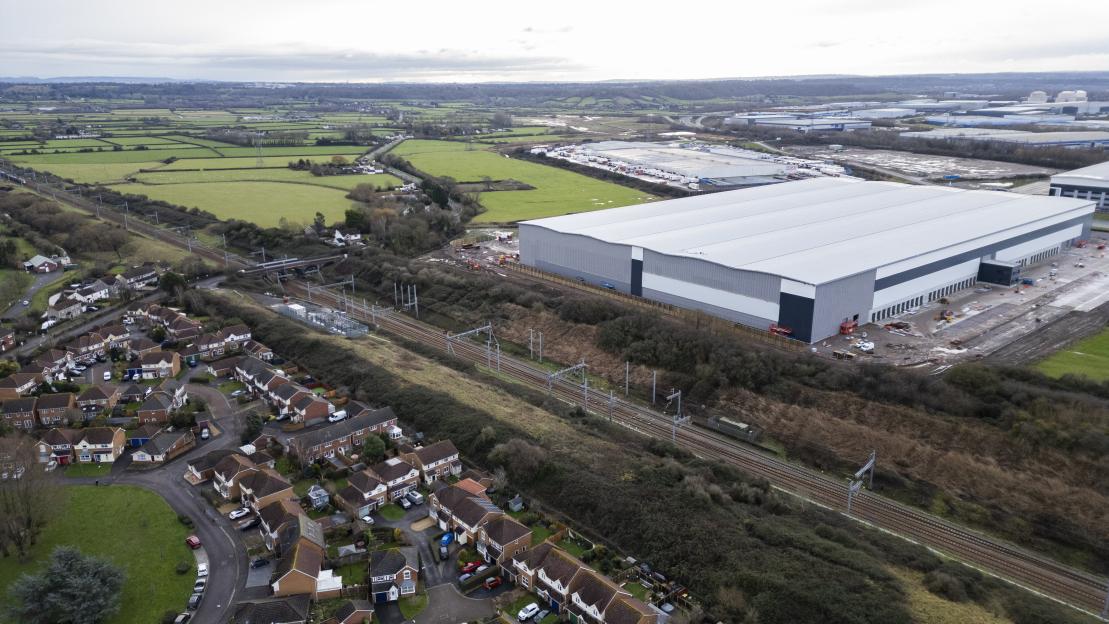 Developers relied on a planning consent dating back to the 1950sCredit: SWNS