A REFORM MP was booted out of the Commons today for accusing Sir Keir Starmer of “lying”.
blasted theof appointing Peter Mandelsonas US Ambassador, warning “no one believes him”.
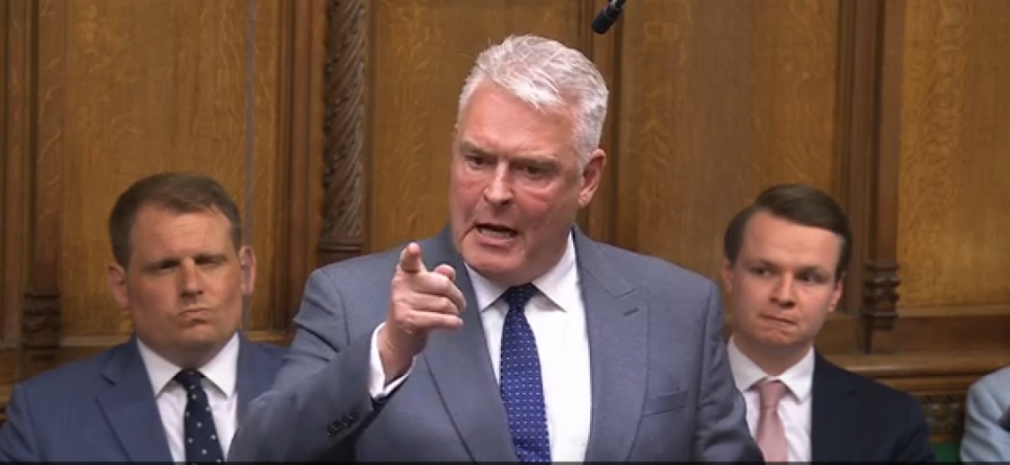 Lee Anderson was kicked out of the Commons today for calling Sir Keir Starmer a liar
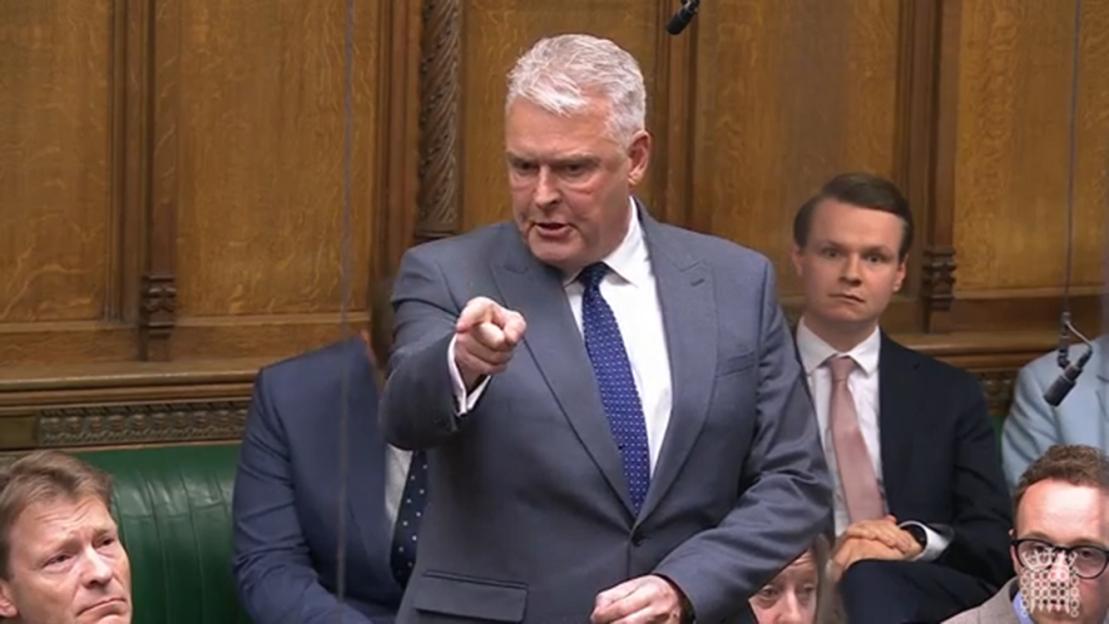 The Reform MP was asked to leave the Commons due to the comment Credit: House of Commons
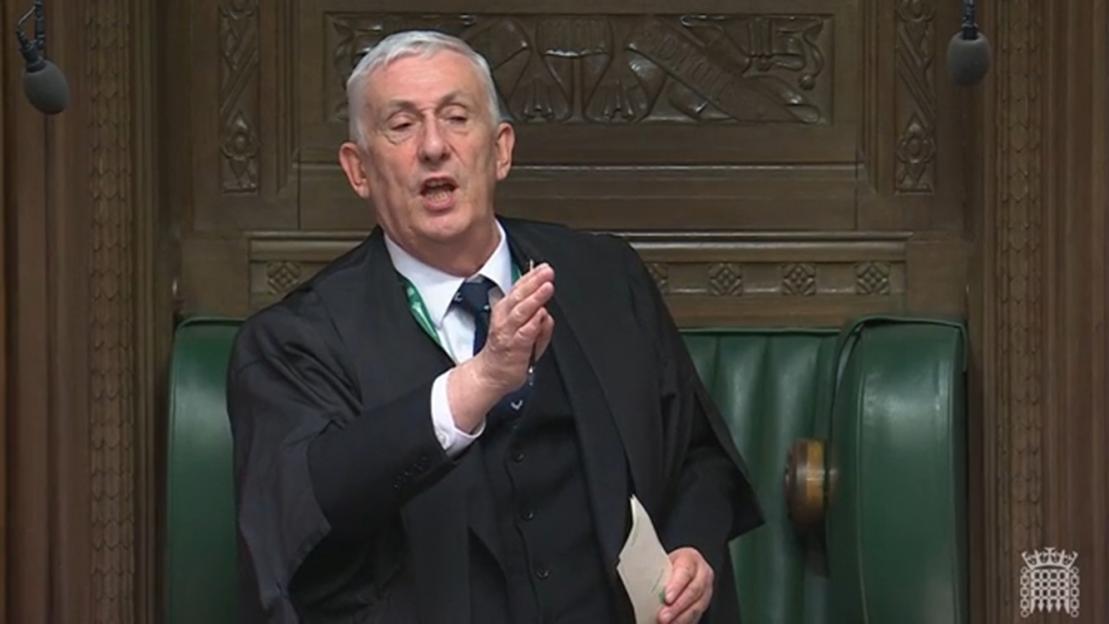 He was told off by Speaker Sir Lindsay Hoyle Credit: House of Commons
In a question to Sir Keir, the outspoken politician blasted: “The public doesn’t believe him, the MPs on this side of the House don’t believe him, his own gullible backbenchers don’t believe him, so does the PM agree with me he’s been lying?”
Mr Anderson was told off by Commons Speaker Sir .
Under archaic parliamentary rules MPs cannot be accused of lying.
But after being told to withdraw his comment, Mr Anderson responded: “I will not withdraw – that man couldn’t lie straight in bed.”
He was subsequently ordered to leave the chamber.
It comes as Sir Keir today admitted it was “staggering” he was never told Mandelson had failed top-level security vetting – as he scrambled to contain the deepening row.
The PM insisted officials granted Mandelson clearance despite a formal recommendation it should be denied and did not tell him, the or even the Cabinet Secretary.
He also confirmed the Foreign Office’s to overrule vetting decisions has now been suspended, and a fresh probe into the system launched.
The crisis erupted after The Guardian revealed Mandelson had failed security vetting last week, triggering the sacking of senior official Sir Olly Robbins.
Addressing the Commons today, Sir Keir pointed the finger at Foreign Office officials, accusing them of failing to “sensibly flag” the recommendation before Mandelson took up the role.
The PM said there was “no law” preventing civil servants from warning ministers about vetting concerns while protecting sensitive details.
He told MPs: “The recommendation in the Peter Mandelson case could and should have been shared with me before he took up his post,..
“If I had known before he took up his post, the UKSV (United Kingdom Security Vetting ) recommendation was that developed vetting clearance would be denied, I would not have gone ahead with the appointment.”
The PM said he found it “astonishing” and “staggering” that not only was he kept in the dark — but the then Cabinet Secretary was also not told during a formal review of the appointment.
He went on: “I know many members across the House will find these facts to be incredible, and to that I can only say that they are right. It beggars belief that throughout the whole timeline of events, officials in the Foreign Office saw fit to withhold this information from the most senior ministers in our system of government.
“That is not how the vast majority of people in this country expects politics, government or accountability to work, and I do not think it’s how most public servants think it should work.”
The row comes after Sir Keir insisted three times at PMQs — just a day before Mandelson was sacked — that “full due process” had been followed.
Ministers are expected to correct the record swiftly if they mislead Parliament, even inadvertently.
But the Tories say the PM has failed to do so, despite being told last Tuesday that Mandelson had failed vetting.
Tory leader Kemi Badenoch accused the Prime Minister of breaching the ministerial code by waiting nearly a week to come to the Commons.
She said: “His reputation is at stake. Everyone is watching. It is finally time for the truth.”
Arguing that Sir Keir Starmer inadvertently misled the House, she said: “I will remind him that, under the ministerial code, he has a duty to correct the record at the earliest opportunity.
“The Prime Minister says he only found out on Tuesday that Peter Mandelson failed the security vetting. The earliest opportunity to correct the record was Prime Minister’s Questions on Wednesday, almost a week ago. This is a breach of the ministerial code.”
Responding, Sir Keir said: “When I found out what had happened on Tuesday evening last, I wanted to have answers to the question: who made the decision to recommend to give clearance on developed vetting, contrary to the advice, why that was done and who knew about it, so I could provide the information to the House.
“That is the exercise that’s been conducted since Tuesday evening and today, so that I could come here today to give the full account to the House, which I’ve just set out.”
Fresh documents published hours before today’s Commons statement also show Sir Keir was warned to wait for checks to be completed before confirming the appointment.
Ahead of hiring the Labour peer, then Cabinet Secretary Lord Case told the PM: “You should give us the name of the person you would like to appoint and we will develop a plan for them to acquire the necessary security clearances and do due diligence on any potential Conflicts of Interest or other issues of which you should be aware before confirming your choice.”
It raises questions over why Sir Keir did not wait for the vetting to be done before announcing Lord Mandelson to the public as his man in Washington.
The axed Foreign Office chief will give his own evidence to MPs tomorrow to set out his version of events.
Sir Keir is under huge pressure over a slew of , dismal poll ratings and calls for him to resign — but allies have told wannabe leadership challengers to put the country first.
Senior government sources have claimed it was that led to a recommendation against his appointment, rather than his friendship with paedophile financier .
was sacked last year less than 12 months after he was appointed when details emerged of his ties with Epstein.
It was revealed last week that he was not granted developed vetting status during the appointment process but this was overturned by Sir Olly, who did not tell No 10.
However, No 10 believes he had the opportunity to raise the report on four different occasions.
It says it could have been disclosed when he saw the advice or when Mandelson was sacked.
Insiders revealed he could have also raised the issue when was forced to release material on the appointment and also when ministers said they would review security vetting last month.
But he was not stopped by from “sensibly flagging” recommendations from the vetting body regarding Mandelson’s appointment, a Government document reveals.
Paperwork released last night says there is “nothing in the guidance” that prevented details being shared in the Mandelson scenario.
The law states that civil servants make decisions on vetting and clearance but they can raise recommendations to ministers to make judgments, appointments or even explaining matters to .
It states that this could have been done in a “proportionate and necessary way” if in line with the appropriate steps.