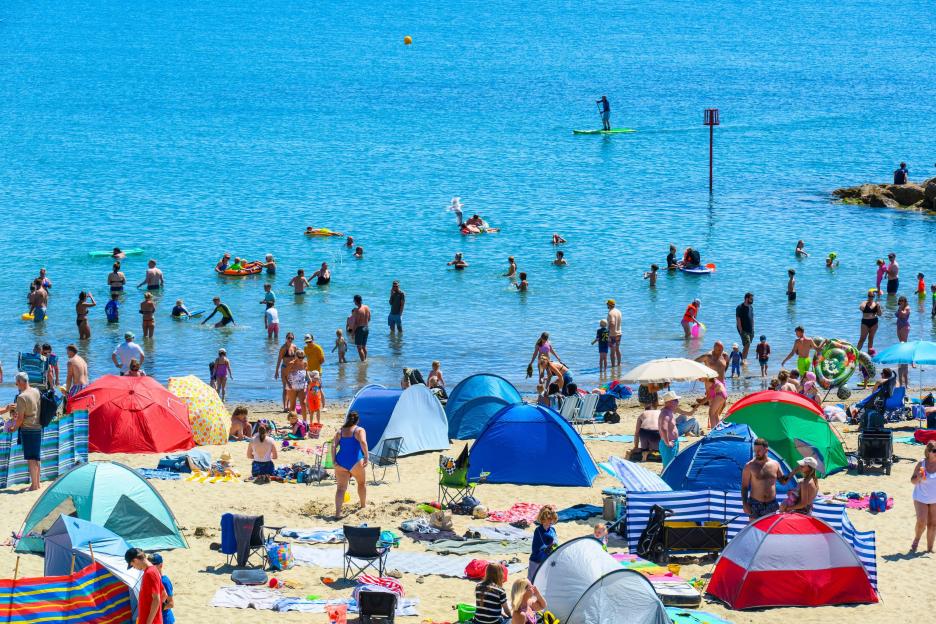
BRITS are soaking up the sun as the UK officially enters its third heatwave of the year but storms could hit before the week is out.
After three days of temperatures above 28C, swathes of England are officially in a heatwave with highs of 35C forecast for later in the week.
 People cover up with umbrellas as they enjoy the warm weather while on the River Cam in Cambridge Credit: PA
 London is expected to heat up as southern England enters a third heatwave Credit: EPA
However, as humidity increases so does the chance of thunderstorms, forecasters have warned.
The Met Office said that this spell will be less humid than June’s – meaning fewer tropical nights – but Brits can still expect wall-to-wall sunshine.
Temperatures will climb throughout the week but won’t hit last month’s record- breaking highs with southern England expected to reach 34-35C on Friday.
Met Office Deputy Chief Forecaster Steven Keates said: “Parts of the UK are entering heatwave conditions: the third heatwave in the UK so far this year.
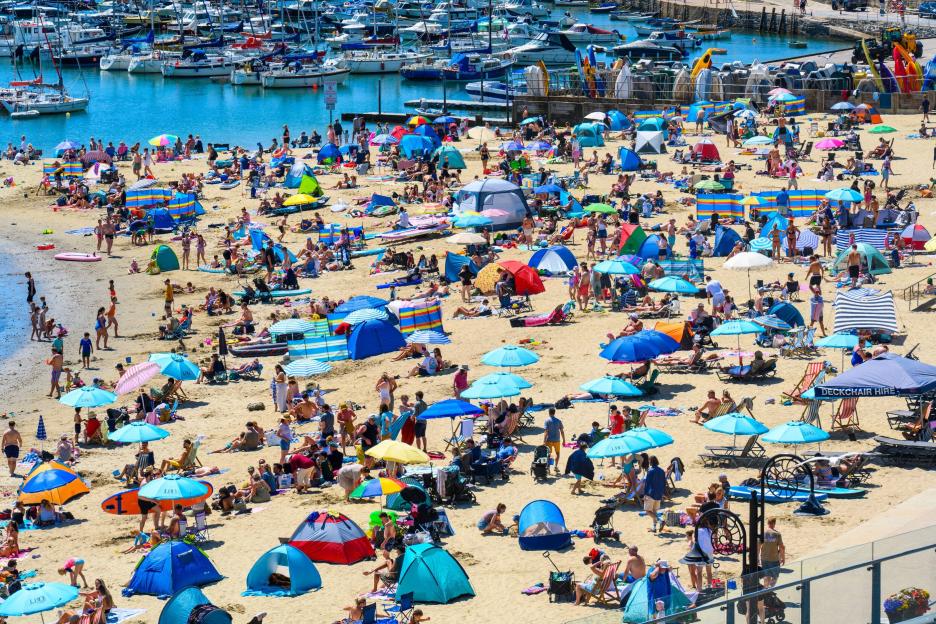 Brits will be soaking up the sun as temperatures are forecast to hit 35C this weekend Credit: Alamy
 People sitting in the warm sunshine on a parched Wimbledon Common Credit: Shutterstock Editorial
“However, unlike the May and June heatwaves, we are not expecting this heatwave to be record-breaking.
“Temperatures this week are not expected to reach the highs we witnessed last month, though parts of southern England in particular are likely to see several days in the low 30s Celsius, and a few places could reach 34-35°C later this week.”
While the south will stay dry, hot and sunny, northern England and Scotland will see cloudy skies and outbreaks of rain today.
Despite a cooler start to the week, warmer weather is forecast for the region this weekend.
Thankfully Mr Keates said: “Night-time temperatures again will not be as high as what we experienced in June, though some larger urban areas are likely to remain in the high teens Celsius overnight, especially later in the week, and there is a chance that a tropical night (where temperatures do not fall below 20°C) may be recorded in a few places.”