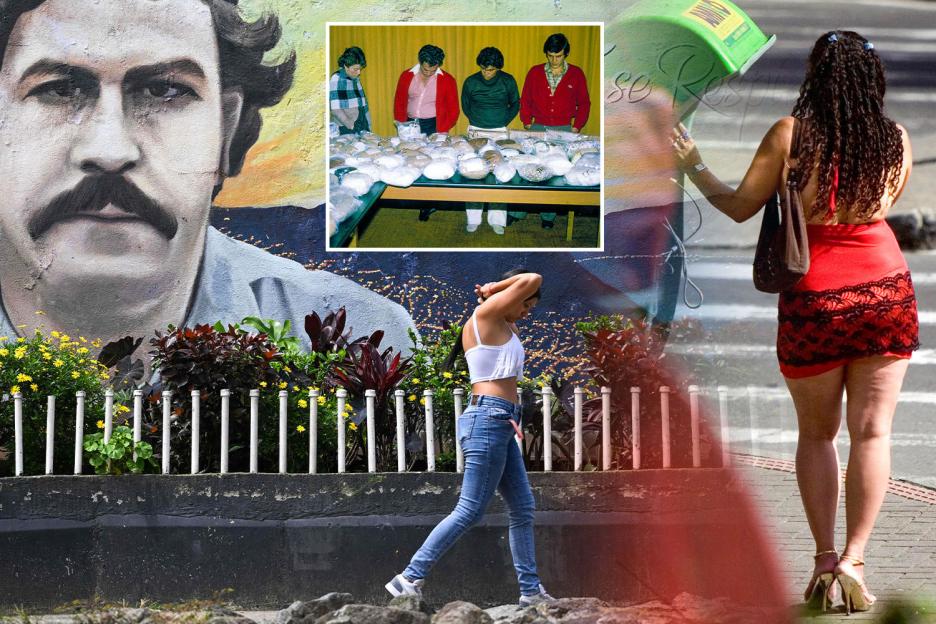
THE SUN has barely set and dealers are already working the tree-lined avenues, offering wraps of coke for as little as 5,000 pesos, the equivalent of £1.
– a potent mix of ketamine and MDMA powder – is being touted in what has been dubbed the ‘largest open air brothel in the world’, while the shadow of the world’s most infamous drug lord looms large.
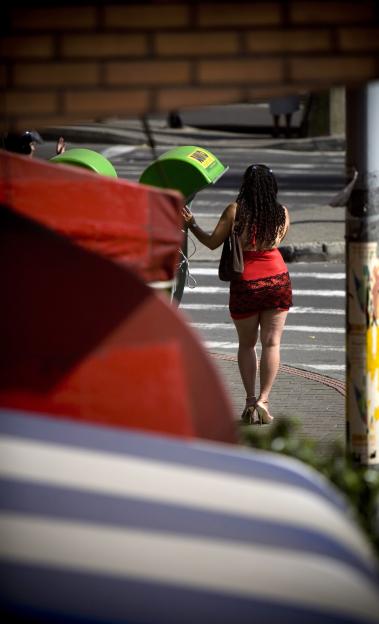 The streets of Medellin have been dubbed the ‘largest open air brothel in the world’Credit: Getty
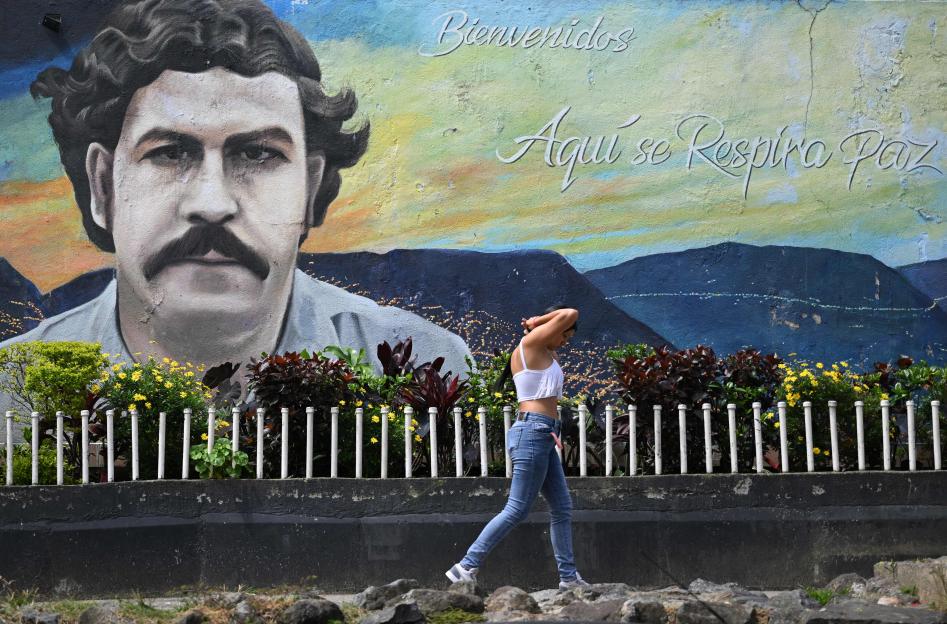 The memory of drug-lord Pablo Escobar still looms heavy over the cityCredit: AFP
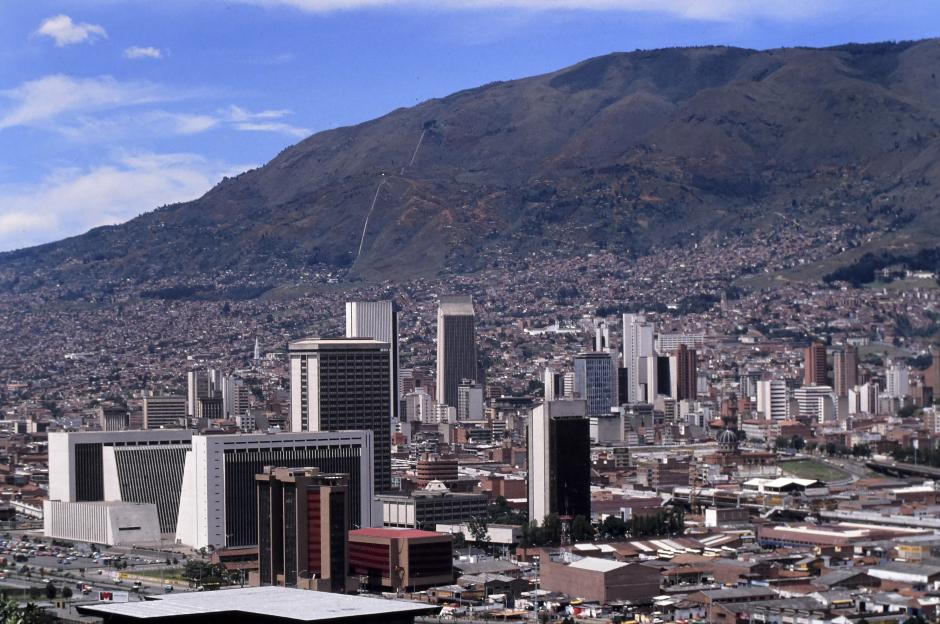 Tourists frequent the city for cheap drugs and prostitutionCredit: Getty
The Sun found that as a gringo navigating the neon glow of the El Poblado party district, it’s impossible to avoid the young peddlers hissing: “Hey mister, what do you want? You want cocaine? I’ve got everything, man.”
This is modern-day Medellin, a place that was home to ruthless cartel boss and which today is still struggling to shake off its shady image and blood-soaked past, with so-called ‘danger tourists’ drawn to the twisted allure of a narco Disneyland.
We can reveal that – a decade after , which dramatized Escobar’s ruthless reign, became a hit – Mayor Federico Gutiérrez is fighting a losing battle against so-called narco tourism.
Our guide during our time in the city, who asked not to be named, explained: “Tourists come here for cheap hookers and cheap drugs. It’s that simple.
“Cocaine and prostitutes are easy to find in Medellin – you don’t even have to go looking for them, they come to you – and you can party all night for a fraction of the price back home.
“A gram of pure cocaine costs 50,000 pesos, but you can buy a lower quality bag for just 5,000 pesos (£1) if you know where to look.
“Pink cocaine is really popular here too.
“Most of the visitors are from the States but we have a fair number of Brits. The association with Escobar has put Medellin on the map for all the wrong reasons.”
However, the city has an even darker side that can prove deadly for foreign visitors determined NOT to keep their noses clean.
Last year, a Channel 4 documentary claimed that since Escobar’s death in 1993, when he was shot dead by Colombian special forces backed by DEA agents, criminal gangs have as well as drugs.
The result is that Medellin has become the “largest open-air brothel in the world,” according to the station’s Latin American correspondent Guillermo Galdos.
He reports that most foreign visitors are male and that young women – some of them underage – have become a gold mine for gangs, who are making millions pimping them out.
Zombie drug
Disturbingly for anyone thinking of spending their holiday in Colombia, Galdos states that 80 foreigners were killed in the previous three years: “Many of them drugged and robbed after meeting women for dates.”
The reporter added that a number of the deaths are blamed on prostitutes drugging clients with scopolamine medication, nicknamed Devil’s Breath and derived from the Borrachero tree. He said: “This year alone, there has been a tourist death every six days on average.”
Once used as a truth serum by the CIA, Devil’s Breath features in the , when actor Tom Hiddleston’s character Jonathan Pine is spiked by a Colombian arms dealer who suspects he is a double agent.
In real life, it is completely odourless and leaves victims in a zombie-like state that means they are powerless to fight back.
 Behind the neon lights of bars lies a dark underworld of crimeCredit: AFP
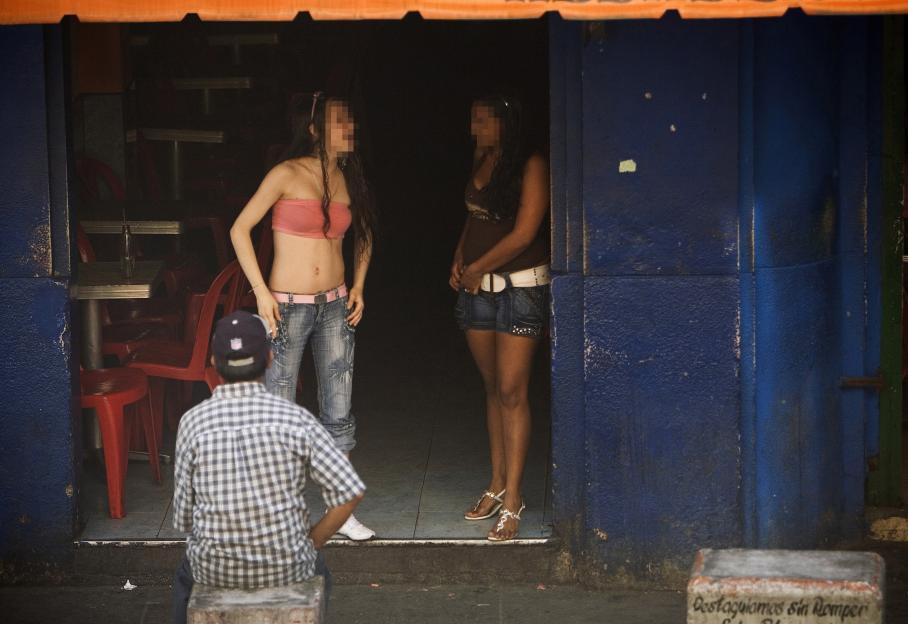 Prostitution is rife in the city’s party district
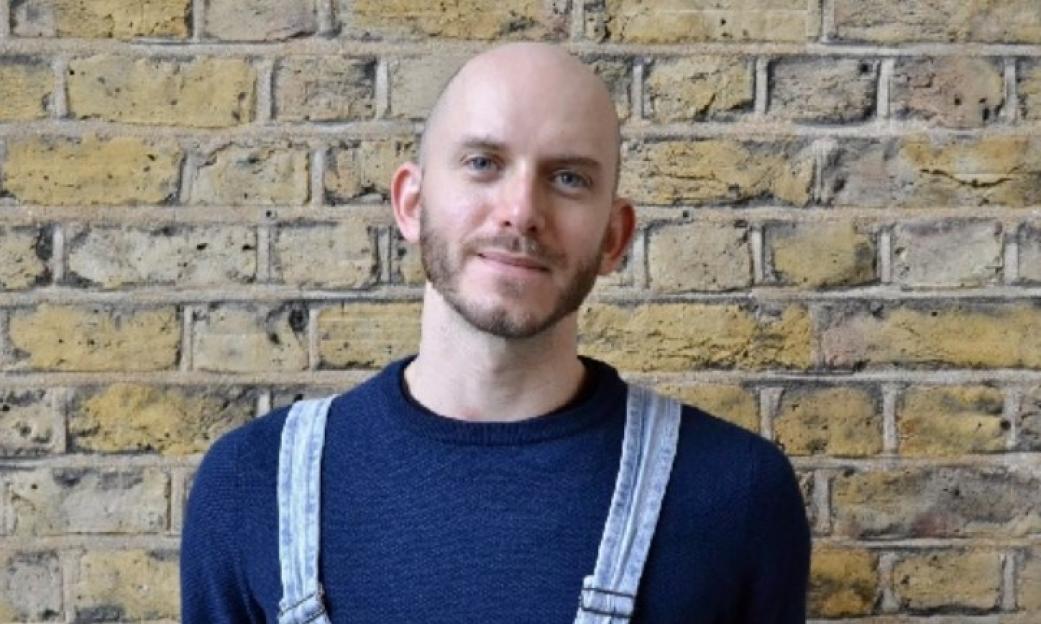 Scientist Alessandro Coatti was murdered and his body dismembered by gangsCredit: rsb.org
In Medellin there has been a spate of cases of American tourists being robbed after meeting women and men on dating apps like Tinder, who then slipped the drug into their drink or concealed it on a piece of chewing gum.
Just a 10mg dose can lead to paralysis and death and this may well have been the fate of Italian tourist Alessandro Coatti, 38, then stuffed into numerous bags and suitcases scattered across the coastal city of Santa Marta.
Medellin’s mayor says he is doing his best to crack down on the scourge, and told the documentary: “There are still many problems in many areas, I’m not going to deny that. We are fighting it of course but it’s an issue and especially in these areas where people go looking for things they should not be looking for.”
But when The Sun visited Medellin, we saw that scores of women and transexual prostitutes continue to walk the streets of the El Poblado district, offering sex for as little as 40,000 pesos (£8).
Another problem for Mayor Gutiérrez – we can reveal – is that Escobar’s brother Roberto Escobar is continuing to run his glamorising his sibling as a modern day Robin Hood, despite repeated efforts to shut it down.
Last month, authorities had another stab at eradicating the tourist attraction when they won a temporary closure order and issued a fine for not having the correct permit to serve coffee.
It doesn’t matter how many times they close it, I will open it back up again
Roberto
But weeks later he was back hosting tourists in a cramped flat above a shop in a leafy suburb of Medellin.
Defiant as ever, Roberto, 78, told our reporter: “They keep wanting to shut down the museum because they want to erase history.
“But I don’t care. This is the only genuine museum telling the real story and it doesn’t matter how many times they close it, I will open it back up again.”
Narco-land
The museum is receiving up to 30 visitors a day, most of them fans of the Narcos TV series, which first aired in August 2015 with actor Wagner Moura playing Escobar and Paulina Gaitán playing Roberto.
Our museum guide boasted: “We have people from all over the world coming here – Britain, Japan, Australia, you name it.
“Tourists love coming here because they want to learn the truth about what happened and this is the only place you’ll find it.”
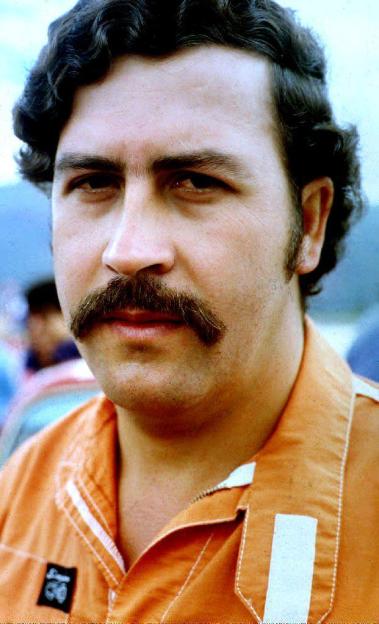 Escobar died in 1993 after a gunfight with the authoritiesCredit: Getty
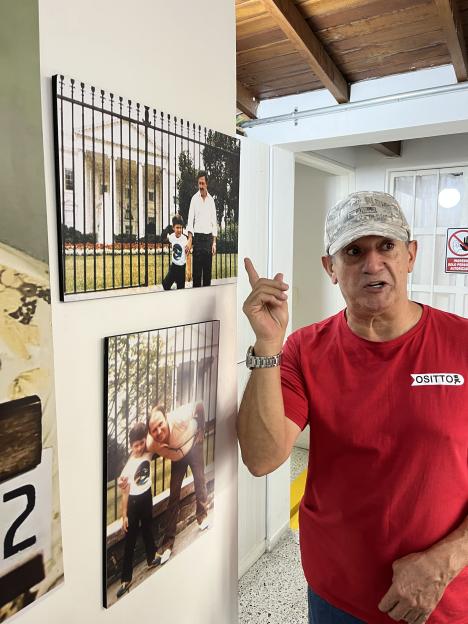 Escobar’s brother Roberto runs a museum in his brother’s honour, but his ill health means it is now largely run by his guide, picturedCredit: My Story Media
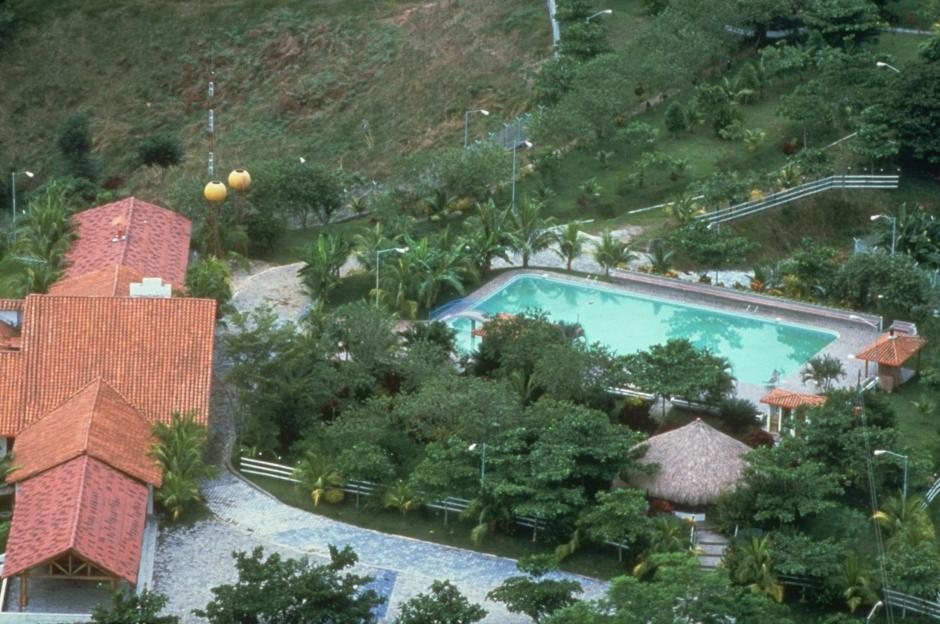 Escobar lived in lush estates while technically under the control of the authoritiesCredit: Getty
Roberto and his cronies insist that Narcos is a “fantasy’ as he refused to co-operate with producers, however we found the old crone might face similar accusations.
His previous home was a £1.5million villa that once served as a hideout for the cartel and from which Escobar could watch his drug smuggling planes take off from a clandestine airstrip in the Loma del Indio area of the city.
Tourists visiting the original museum could see photos, paintings, a handgun and Pablo’s bullet-strewn Land Cruiser.
However, the two years ago and most of the exhibits seized, so the new attraction has none of this.
Two vintage Harley Davidsons and a 1970s jet ski from Pablo’s favourite James Bond movie are all that remains, unless you count Roberto’s old bike from his competitive cycling days.
Another genuine artefact is ailing Roberto himself who was given the affectionate nickname El Osito – Little Bear – when he ran the cartel’s accounts and our tour package promised a talk during which he would ‘tell his version of the story.’
Who was 'Cocaine King' Pablo Escobar?
BORN on December 1, 1949 in Colombia, Pablo Escobar, the “King of Cocaine”, was the third of seven children and his parents were a farmer and primary school teacher.
He grew up in Rionegro, known as the Cradle of Democracy to Colombians for its importance in its battle for independence.
His notorious cocaine smuggling operation began in 1975, when he’d fly the drugs between Colombia, Panama and into the US.
By the time he was 35, Escobar was one of the world’s wealthiest men, making an estimated $420million a week in the mid-1980s: nearly $22billion a year.
He infamously spent $2,500 on rubber bands each month just to tie up his cash.
Escobar made the Forbes list of international billionaires for seven years straight, from 1987 until 1993.
By the end of the 1980s, he supplied 80 per cent of the world’s cocaine.
In 1991, he cut a deal with the Colombian government to be imprisoned in his self-designed private prison, “La Catedral”.
It boasted a football field, barbecue pit and a personal compound for his family nearby.
The Colombian authorities were not allowed within three miles of it.
Escobar gave out rewards to hitmen who killed policemen, and says he killed around 300 people himself.
He is thought to have coordinated the murders of over 3,000 people – most of them civilians.
But once we arrived, we were informed he is now so unwell following a 1993 prison letter bomb attack by the Los Pepes gang, which left him partially deaf and blind, he would not be able to say more than a few words.
Instead, it was left to our rasping guide to provide a rose-tinted retelling of Escobar’s rise from impoverished farmer’s son to the richest drug smuggler in the world, responsible for 80 per cent of the cocaine imported into the USA.
We were invited to play with fake stacks of cash and a replica satellite phone during our three-hour tour before being ushered into a brightly lit room where we were encouraged to buy narco tat including Escobar t-shirts, mugs and shot glasses.
Before we left, Roberto happily posed for photos and stamped his fingerprint in a notebook costing 80,000 Colombian pesos (£16) – the same method he and his brother used to authenticate documents when they were running the cartel.
But as the next tour group was ushered inside, he appeared lost in his own world. It was hard to escape the impression that he would soon press his grubby fingerprint onto a fresh page for the final time, even if the stain left proved impossible to erase.
Additional reporting by Mat di Salvo
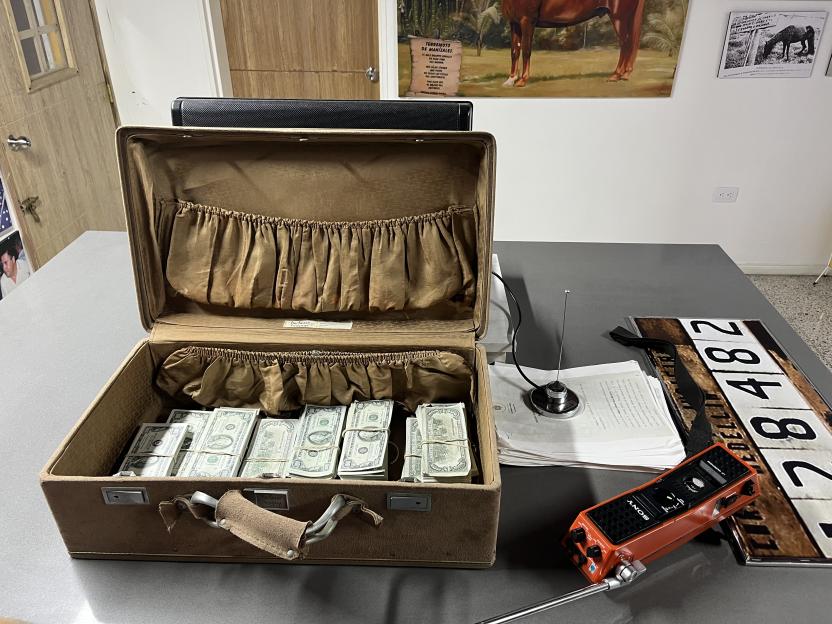 Fake stacks of cash and a satellite phone are provided for tour guestsCredit: My Story Media
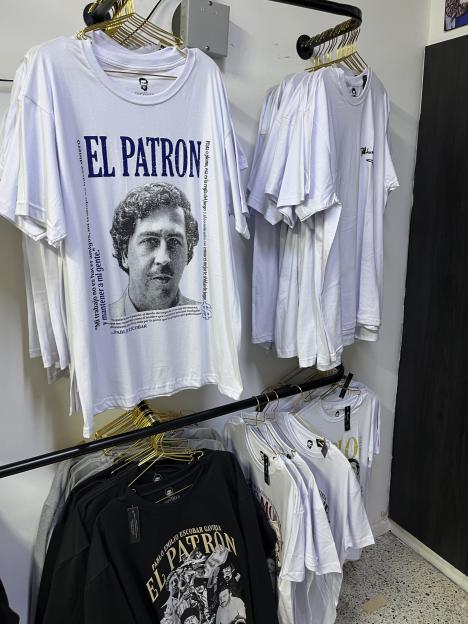 Tourists are also flogged tacky T-shirts and memorabilia at the museumCredit: My Story Media