THE number of kids referred for gaming addiction treatment on the NHS has increased by 500 per cent in just six years.
A staggering 121 children were sent to a dedicated unit for in 2024/25 – with over half of them receiving treatment.
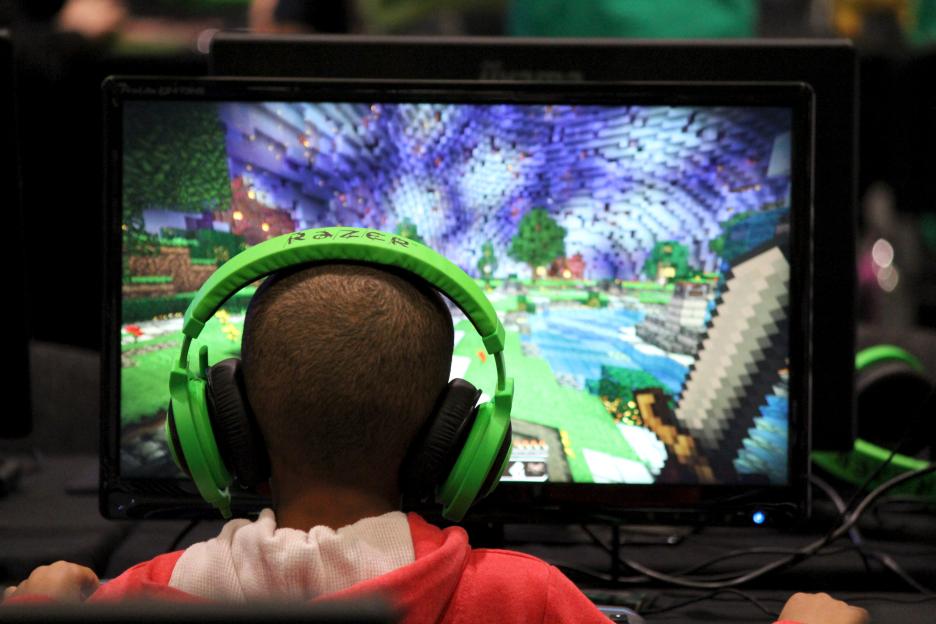 The number of kids referred for gaming addiction treatment on the NHS has increased by 500 per cent in just six yearsCredit: Reuters
Almost two thirds of those referred for at the National Centre for Gaming Disorders in London’s Earls Court were aged between 13 and 15.
Last year’s figures are more than five times higher than 2019/20 which saw just 20 referrals in total, according to data obtained through laws.
Nine kids referred last year were hooked on the fantasy video game .
Six were addicted to multiplayer battle , five were obsessed with sandbox game , and five couldn’t stop playing the .
Central and North West London Foundation Trust, which runs the clinic, said most patients are referred as a result of “harming gaming behaviour due to multiple games”.
was officially included on the International Classification of Diseases in 2018.
The defines it as “impaired control over gaming” and “increasing priority given to gaming over other activities…despite the occurrence of negative consequences”.
To be diagnosed, a patient has to exhibit signs of “significant impairment in personal, family, social, education, occupational or other important areas of functioning” for more than 12 months.
Professor Mark Griffiths, Behavioural Addiction expert at Nottingham Trent University, said the increasing numbers reflect “greater recognition” of gaming addiction as an official condition.
The Chartered Psychologist said the number of people diagnosed still remains “very, very small” but that figures have increased since the 2010s due to the increase in technology.
He told The Sun: “I do believe that the number of people with problematic gaming has increased over the years and that technology has played a role in that, because if you’ve got those vulnerabilities and susceptibilities, you can be online all the time now.”
And he is concerned numbers will continue to rise as more games become more monetised with the addition of in-app purchases, subscriptions, and the sale of virtual goods or currency.
He said: “The reason why gambling is such a destructive behavioural addiction is because if you spend 12 hours gambling, you’re going to be out of pocket by a lot of money, and you’re probably going to resort to criminal activity to fund your gambling behaviour…
“When you monetise something and you start spending a lot of money on that activity, then that’s when problems can start to occur. And that is beginning to happen with video games.”
Professor Griffiths, who is also director of the International Gaming Research Unit, said a gaming disorder “like any addiction…is not easy to treat”.
He added: “Classic signs are that it compromises your relationships, compromises your education or occupation, that you get withdrawal symptoms if you’re unable to engage in gaming…I mean genuine withdrawal symptoms like drug addicts would get when they’re unable to get their drug of choice.”
He said these can include increased irritability, frustration, and anxiety, as well as physical symptoms like hand sweats, nausea, stomach cramps.
The National Centre for Gaming Disorders, which opened in 2019, offers therapeutic treatment focused on controlled levels of gaming and increasing other activities.
Consultant psychiatrists and psychologists at the clinic lead individual and group sessions and , as well as parent workshops and family therapy.