THERE was a night in Saudi Arabia in 2023 when it all seemed unstoppable.
scored for Al-Nassr, Jon Rahm and Bryson DeChambeau drew big crowds on the LIV Golf circuit.
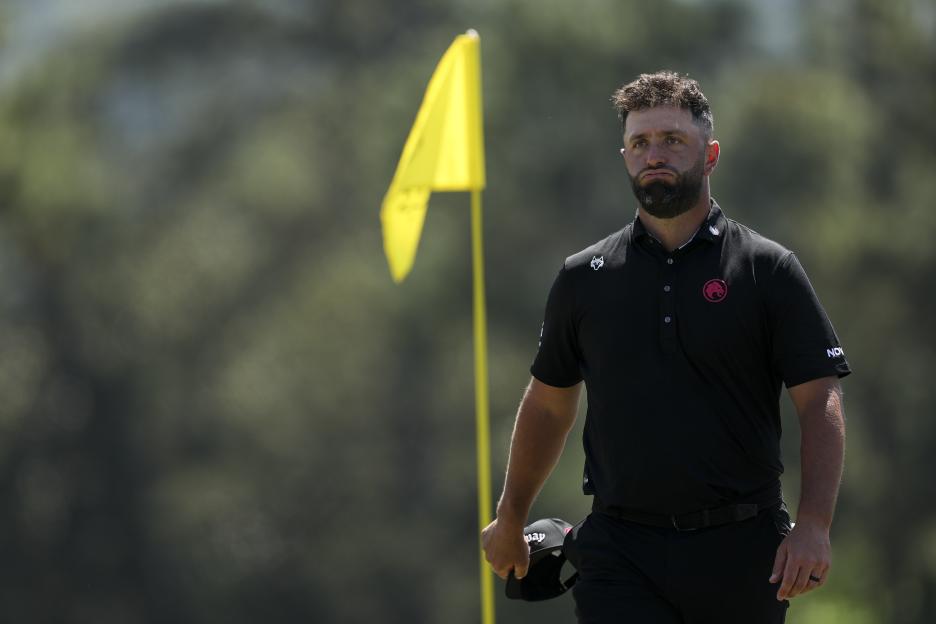 Jon Rahm was among the big names to switch to LIV Golf Credit: Getty
 Cristiano Ronaldo has been scoring goals for fun in Saudi Arabia Credit: Getty
cars raced through Jeddah under lights.
Sport’s biggest names, biggest noise, biggest cheques — all pointing in one direction. None of it was accidental. None of it was subtle, either.
For more than a decade, Saudi embarked on the most aggressive investment in global sport ever seen.
, golf, boxing, F1 — if it mattered, they were in. If it didn’t matter, they would make it matter.
And, yes, money talked. It always does. It said things most athletes had never heard before.
But, now, the volume has dropped. The great Saudi sports surge enters a new phase. Not collapse, not retreat, but recalibration.
That matters because when a state-backed project of this scale changes direction, the ripple is felt everywhere.
Why now? Well, even Saudi Arabia has to do the maths eventually.
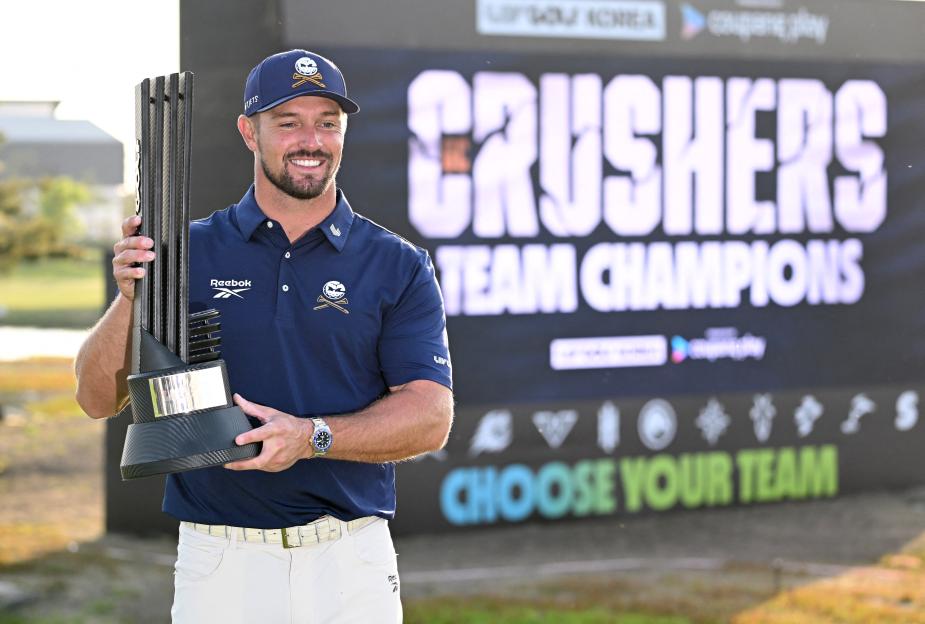 Bryson DeChambeau faces an uncertain future after funding of LIV Golf is being pulled Credit: AFP
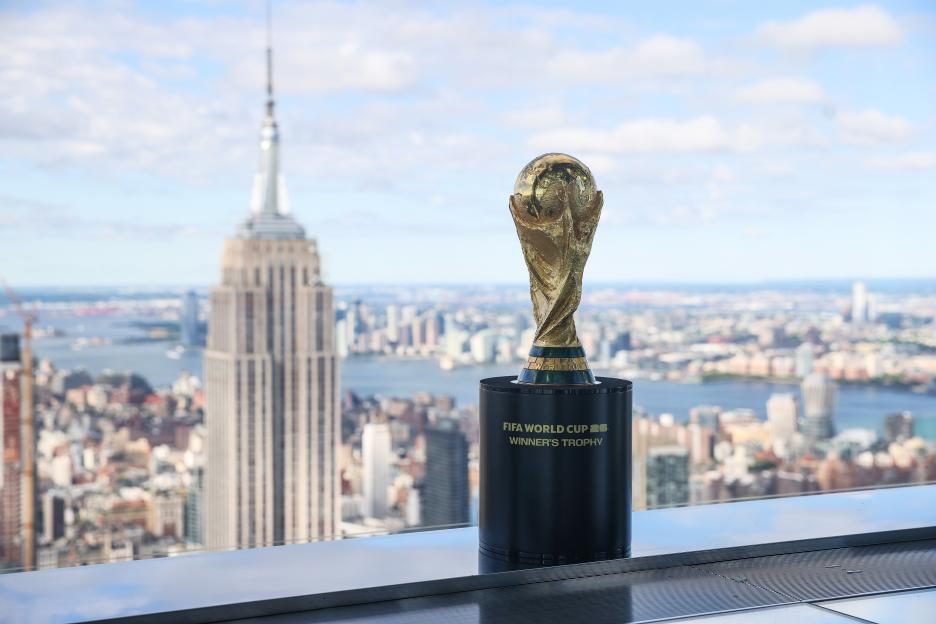 Saudi Arabia will host the World Cup in 2034 Credit: Getty
A decade of spending, patchy returns and a to fund would be enough on their own.
Add in wider economic pressures of regional tension — including the cost and uncertainty that comes with conflict involving Iran — and the era of limitless chequebooks starts to look less convincing.
It hasn’t caused the shift on its own but certainly accelerated it.
The numbers are eye-watering. Estimates suggest tens of billions have been committed to sport through the Public Investment Fund.
It bought clubs, created competitions, shifted markets. disrupted an entire eco-system. Football wages didn’t just rise — they lurched.
LIV burned through cash without anything like a traditional return.
And football has found assembling talent is easier than building a culture, a competition or even an audience that truly travels.
Now the focus appears to be shifting. Saudi has bigger prizes ahead — not least the .
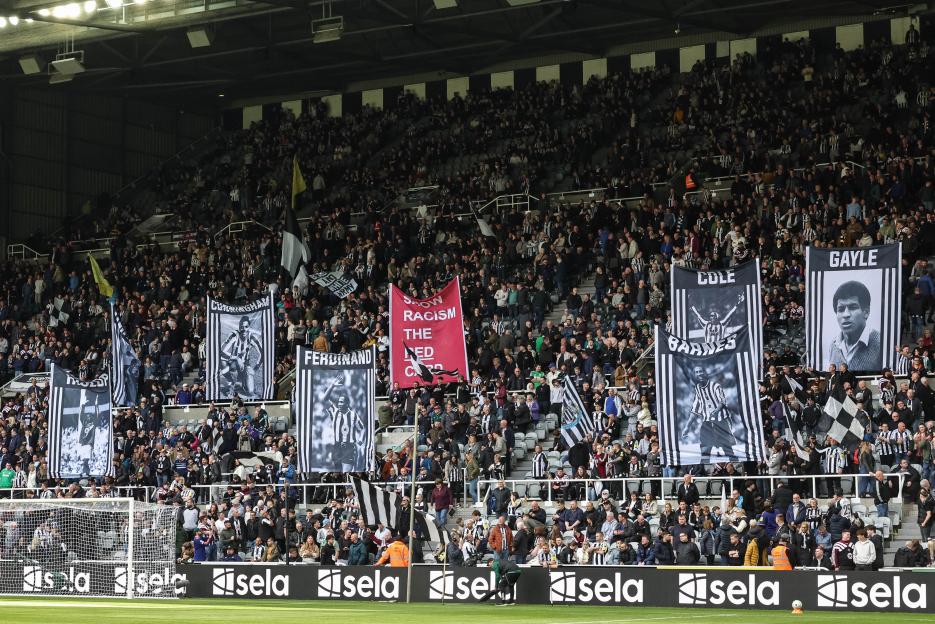 The Public Investment Fund is still the majority owner of Newcastle Credit: Shutterstock Editorial
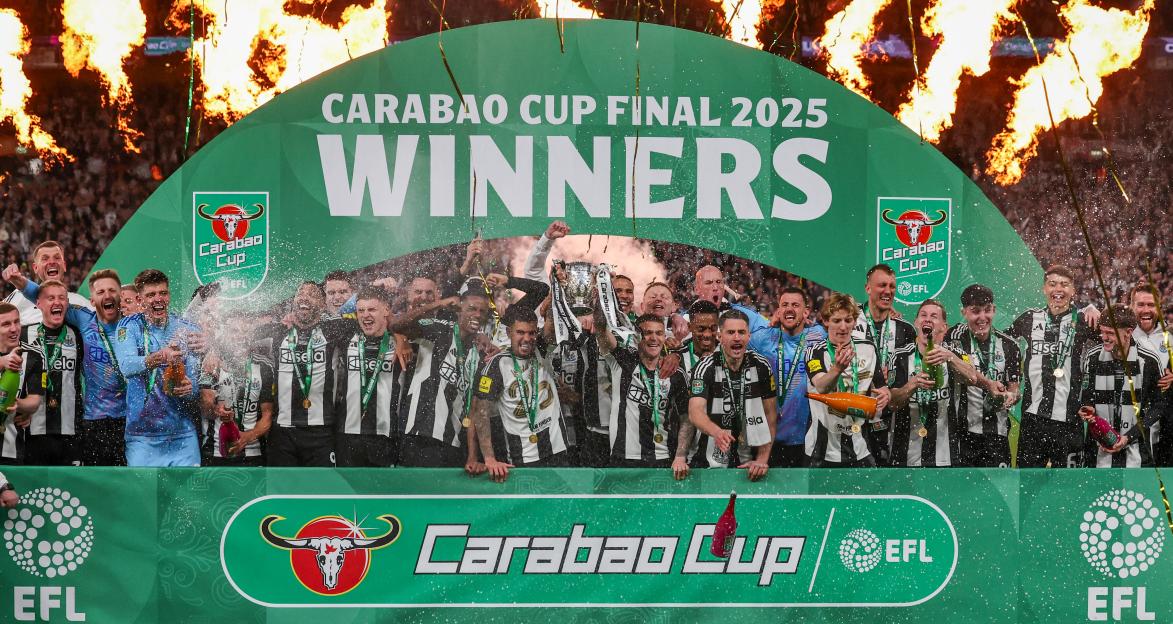 The Magpies ended their wait for silverware following the takeover Credit: Getty
Hosting is not just about stadiums, but infrastructure, image and long-term positioning. It demands discipline as much as ambition.
So the taps may not be turning off but they are no longer fully open.
That brings consequences.
At Newcastle, where the , assurances will be given. Of course they will.
It would be wrong to assume a swift change in direction. Yet the days of limitless expectation should probably be tempered by reality.
For fans, there is already a sense of tension between promise and pace.
When the five years ago, the message was clear enough: Newcastle would be competing with the elite by 2030.
A first domestic trophy in 70 years has been delivered but they are still some way from that stated ambition.
Plenty of football fans will quietly welcome the idea that the Saudi ‘experiment’ may be cooling.
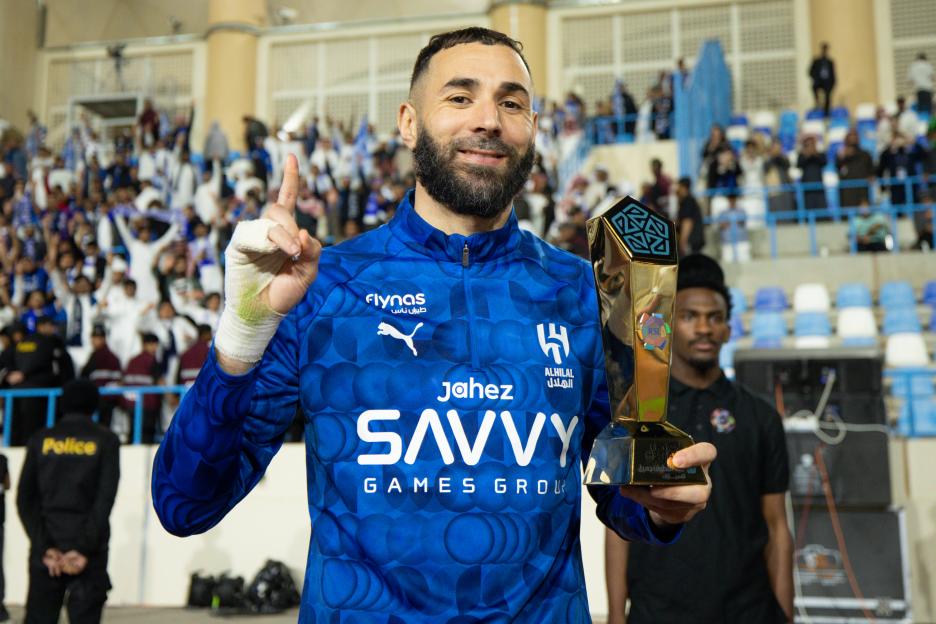 Karim Benzema is raking in cash in the Saudi Pro League Credit: Getty
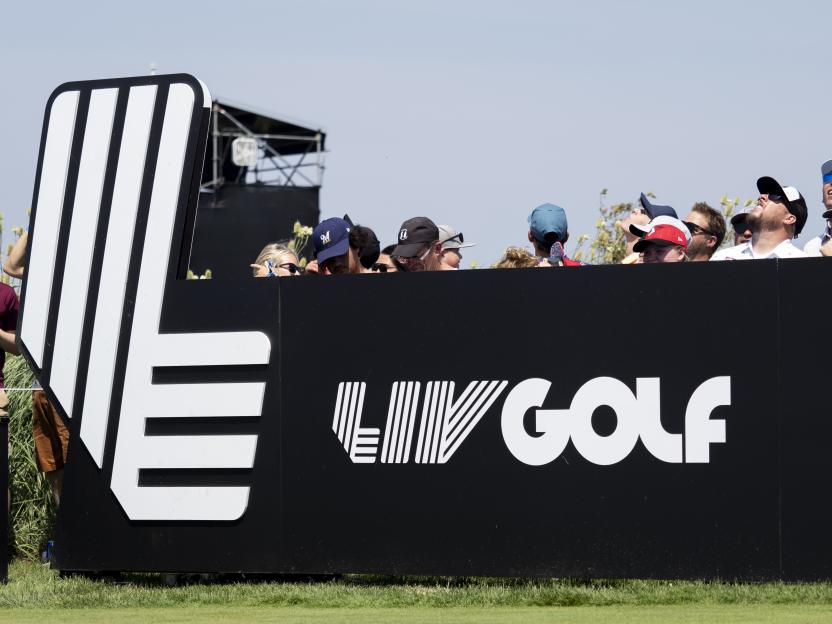 But there are doubts over the future of LIV Golf Credit: Getty
Wages across the game have spiralled since the league was rebooted, with stars such as Ronaldo, Neymar and Karim Benzema lured by rewards on a scale European football could not — or would not — match.
Ronaldo is at Al-Nassr, in a league where average attendances remain below 8,000.
The knock-on effect in Europe has been obvious with wage structures distorted beyond recognition.
If that pressure now eases, even slightly, it may bring something the modern game rarely enjoys — a moment to breathe.
Of course, there will remain those who question the motivations behind Saudi’s involvement in sport… and those arguments are not going away. Nor should they.
Yet purely in sporting terms, what we may be witnessing is not an ending but an adjustment. A move from shock and awe to something more measured.
And perhaps that is no bad thing. Because while sport thrives on investment, it rarely benefits from excess without purpose.
For a while there, this felt very close to that.
Now, finally, there are signs the balance may be returning.