IRAN has unveiled plans to impose fees on ships passing through the Strait of Hormuz – further straining the fragile ceasefire with the US.
This comes after president Donald Trump boldly insisted the US does not need any help reopening the hotly-contested shipping lane.
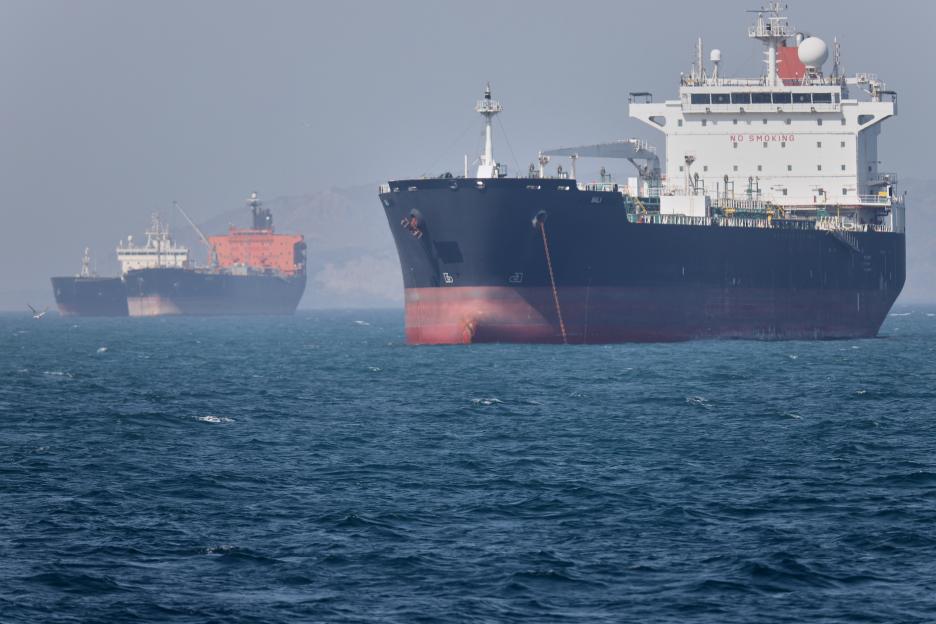 Iran has said it plans to impose fees on ships passing through the Strait of Hormuz Credit: AP
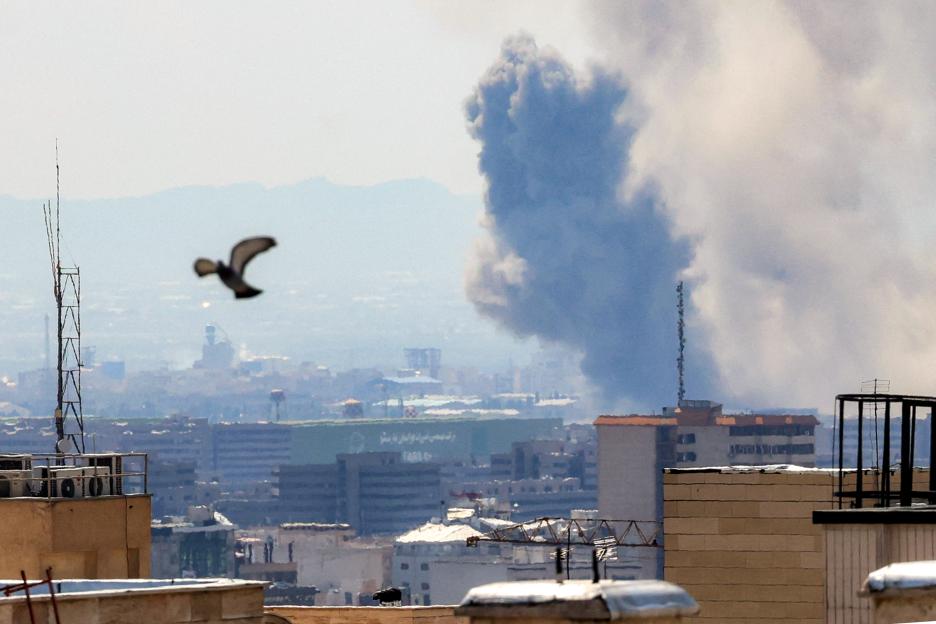 This announcement put further pressure on an already strained ceasefire with the US Credit: AFP
Head of the Iranian parliament’s national security committee Ebrahim Azizi announced the mechanism to regulate traffic through the vital shipping lane on Saturday.
Under proposed plans, vessels would be charged “fees for specialized services” provided under the new system.
Azizi said: “In this process, only commercial vessels and parties cooperating with will benefit from it.”
He added that further details would be released in due course.

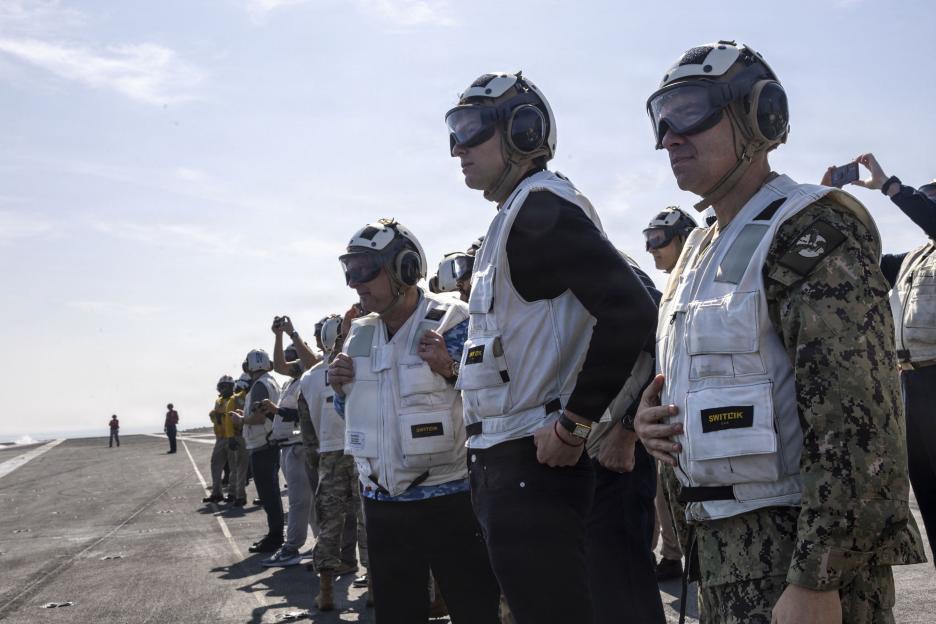 The US military are now considering renaming the war ‘Operation Sledgehammer’ Credit: AFP
“The route will remain closed to the operators of so-called ‘freedom project’,” he said.
The Strait of Hormuz has effectively been effectively shut by Iran since the war began on February 28.
The disruption has sent shockwaves through global markets, raising fears over supply and price stability.
A ceasefire came into effect on April 8 following Pakistani mediation, but subsequent talks in Islamabad failed to secure a lasting agreement.
Since April 13, the US has enforced a naval blockade targeting Iranian maritime traffic in the Strait of Hormuz.
Donald Trump also announced “Project Freedom” in May, pledging to escort commercial vessels through the strait despite Iran’s insistence that all passage requires prior approval.
However, the president later announced a pause to the initiative.
This latest development comes after , saying the US would “finish the job.”
“We have Iran very much under control,” he told reporters before travelling to for high-stakes talks with President .
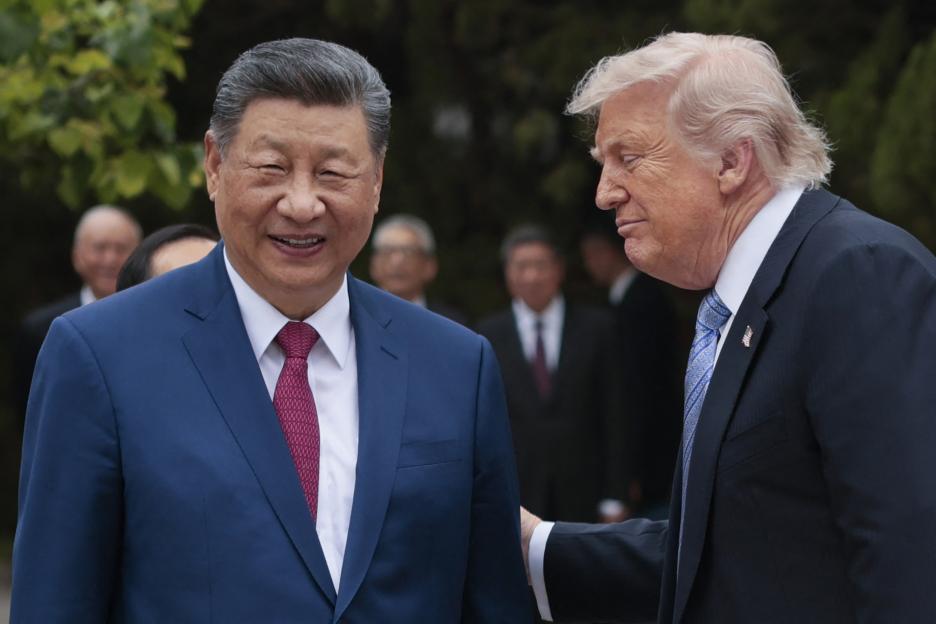 Donald Trump travelled to China to meet with Xi Jinping earlier this week Credit: AFP
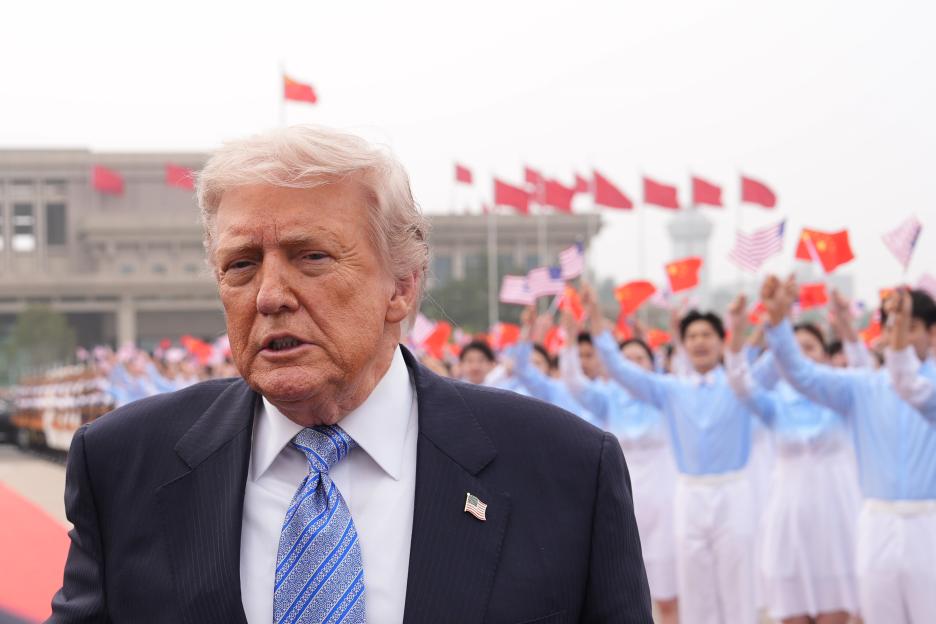 It is thought Trump left the summit without any breakthrough on Iran Credit: AP
The Trump administration’s latest proposal addressed a deal to end the war, reopen the Strait of Hormuz, and roll back Iran’s nuclear program.
Tehran responded with a counter-offer over the weekend.
Trump dismissed Tehran’s response as “completely unacceptable,” warning that the ceasefire is now “on life support.”
Iran fired back, saying its “armed forces are ready to respond and to teach a lesson for any aggression.”
In another chilling warning, Iran’s national security spokesperson said the regime could move its uranium enrichment to weapons-grade levels.
Ebrahim Rezaei said on X: “One of Iran’s options in the event of another attack could be 90% enrichment.”
Iran’s enriched uranium stockpiles remain a sticking point in stalled negotiations.
Last June, claimed Iran’s nuclear facilities were “obliterated” by US and Israeli strikes during a 12-day war, significantly reducing its enrichment capability.
However, the status of around 400kg of uranium enriched to 60% remains unclear.
As talks falter over the Strait of Hormuz standoff, global oil markets have surged, with Brent crude futures climbing to around $104 a barrel.
Warnings have also emerged from a UN task force, which said prolonged closure of the key shipping route could trigger widespread global food shortages.
Despite the growing economic pressure, Trump insisted US measures are “working perfectly”.
Speaking on Tuesday, he said: “I think about one thing — we cannot let Iran have a nuclear weapon.”
The US president was expected to hold a “long talk” with China’s President about the escalating crisis.
China is a key ally of Iran and the biggest buyer of Iranian oil.
However, Trump is understood to have left the high-stakes summit in Beijing without securing any meaningful breakthrough on the Iran war.