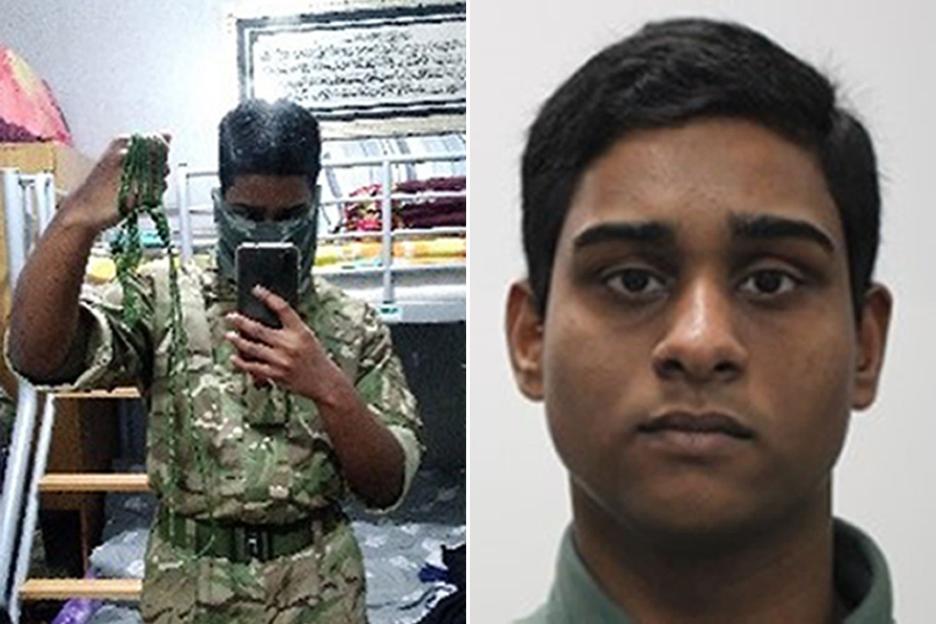
A FORMER Army cadet has been locked up after plotting a horrific mass shooting at his school prom after a girl rejected him.
Dihan Rahman, now aged 19, made a Nazi salute and held a rope noose in selfies and posted the personal details of two girls and a teacher during an online stalking campaign.
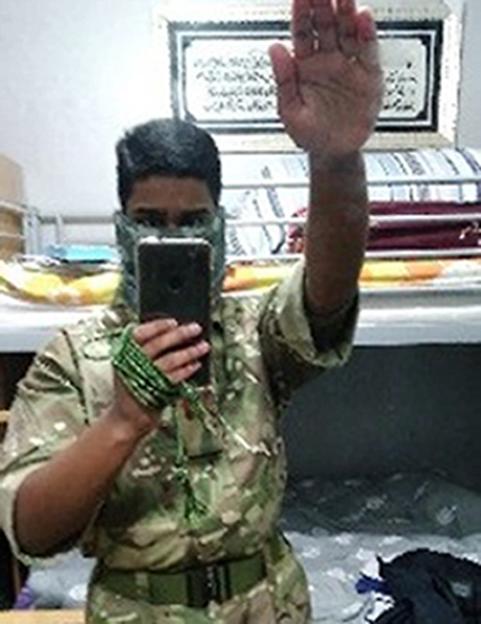 A former Army cadet has been jailed after plotting a school shooting after a girl rejected him Credit: PA
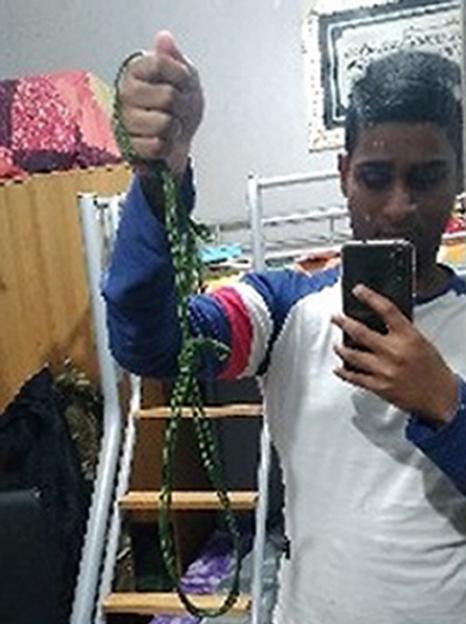 He also posted the personal details of two girls and a teacher during an online stalking campaign Credit: PA
On Wednesday, the teenager was sentenced at the Old Bailey to four-and-a half-years in with an extended licence period of three years.
Previously, the court heard how problems began in 2023 after Rahman attended a new school and an cadet programme.
When one of the girls rejected Rahman’s advances, he began sending them both abusive messages, jurors were told.
One of the girls became aware that he was taking pictures of her and her female friends and he began “spamming” her accounts.
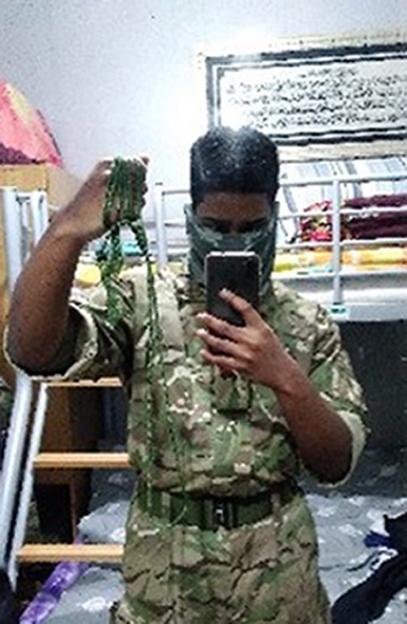 Jurors were shown pictures of Dihan Rahman in military fatigues giving a Nazi salute and holding a green cord tied in a noose Credit: PA
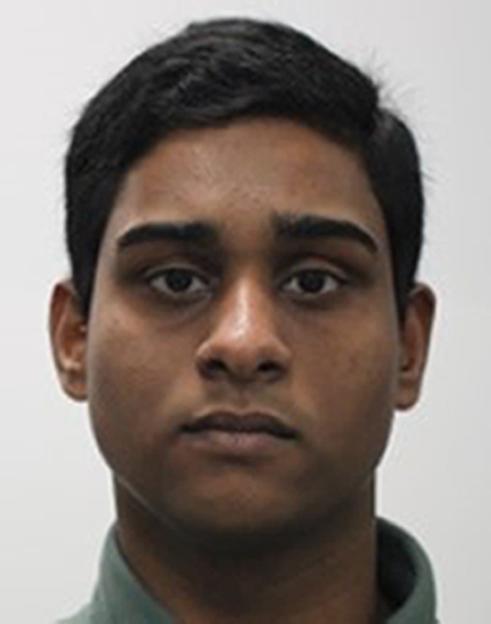 Rahman, now aged 19, was sentenced to four-and-a-half years in prison Credit: PA
After he was banned from the cadet base, Rahman posted on and that he planned to “ruin prom”, forcing organisers to change the venue twice.
Rahman’s friendship with the second girl was said to have deteriorated in early 2024 when he criticised her weight on Snapchat.
The girl, who was involved in organising the prom, told an adult and Rahman was given a two-day school suspension, the was told.
The female teacher said she had no problems with him until he started sending the two girls Snapchat messages in January 2024.
The teacher seized his phone after he was reported for taking photographs of girls at school.
She saw a photograph of the defendant in cadet uniform holding a noose and caught him deleting images after she briefly left the room.
As she confiscated the device, she viewed a picture of Rahman with a headscarf around his face with an image saying “Who’s in for a Valentines school shooting”.
Another picture showed Rahman in Army uniform with the words “kill yourself”, images of Adolf Hitler, Saddam Hussein, beheadings and dead bodies, as well as depictions of violence against women.
Jurors were shown pictures of Rahman in military fatigues, giving a Nazi salute and holding a green cord tied in a noose.
He was arrested at his home on March 15, 2024 and given police bail on condition he stay away from the girls, which he failed to do.
In November 2025, Rahman was arrested again and an examination of his laptop revealed he had made 83 searches for the first girl that month – he was remanded in custody.
Further investigations revealed that documents about both girls had been released online with details about their and social media accounts and saying they were a “danger to males”, jurors were told.
Prosecutor Serena Gates KC told jurors this was “doxxing” – an online practice of exposing personal information about others to encourage online trolls to harass them.
She went on to describe how Rahman had made official complaints against the teacher, pretending to be his own father.
Rahman had initially denied having documents useful for terrorism, claiming he had them for “research”.
Ms Gates said the defendant’s electronic devices and notes revealed a “mixed” ideology touching on the extreme right-wing, Islamic State, Incel and hatred of women.
She told the court: “The common ground is the hatred of Jews and there is also material on how women are treated within those ideologies.”
Rahman had also been a “trusted” administrator of an extreme right-wing network on Telegram having pretended to be a white youth, the court heard.
He pleaded guilty to three counts of stalking and three counts of possession of indecent images.
On the second day of his trial, Rahman, from west , admitted three charges of possessing documents useful for .
They included a pipebomb tutorial and a video on how to make TATP explosives.
On Wednesday, Judge Simon Mayo KC sentenced him at the Old Bailey to four-and-a half-years in with an extended licence period of three years.
He told Rahman: “This is not a case of a single lapse or a moment of poor judgment.
“Much of the behaviour was planned, concealed, and persistent. It occurred over a prolonged period and, significantly, it continued even after the became involved and you were subject to bail conditions.”
His stalking, which included making malicious professional complaints against the teacher, was “persistent, calculated and highly intrusive”, he said.
Judge Mayo added: “The impact of your stalking was severe and enduring. The two young women lived in constant fear, altered daily routines, withdrew socially and restricted online activity.
“Their education suffered, a school prom was relocated twice with additional security, and one of the young women ultimately changed colleges. Both continue to experience anxiety and loss of confidence.
“No sentence I can pass will remove the anxiety, fear, and psychological harm which you caused your victims.”
The judge noted the defendant’s autism spectrum disorder, emotional immaturity and social isolation, but said none of these factors excused his behaviour.
The two girls Rahman stalked attended his sentencing and made victim impact statements from behind a screen in court with one saying she is now “cautious about the friends I have” and used to have a “large social circle”.
Bethan David, head of counter terrorism for the , said: “Today’s sentencing reflects the seriousness of his crimes, and I hope can bring some closure to his victims, my thoughts remain with them.”
Commander Helen Flanagan, head of Counter Terrorism Policing London, said: “This case is yet another example of a growing and concerning trend of young people being drawn into extremist, violent and terrorist ideologies – principally from what they are exposed to and consuming online.
“Rahman’s actions towards his victims – two of whom were teenage girls – were completely unacceptable and I want to praise their incredible courage and resilience throughout this whole ordeal.
“I would also like to praise the actions of Rahman’s teachers who contacted police with their concerns, which enabled us to intervene and investigate when we did.”