A MAJOR hospital in Kent has declared a critical incident after being overwhelmed by virus patients, with every bed now full.
The move comes as cases of – known as the winter vomiting bug – and have surged in recent weeks.
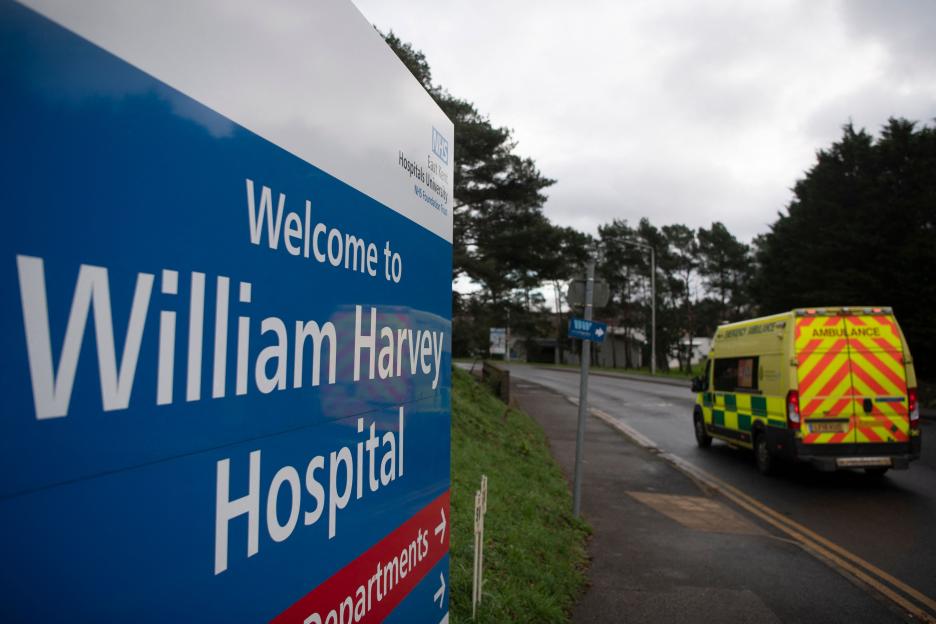 William Harvey Hospital is overwhelmed by winter illness patientsCredit: AFP
East Kent Hospitals NHS Trust, serving around 700,000 people, said its William Harvey Hospital is overwhelmed by patients, with beds full across all its sites.
It said the number of people going to was “extremely high”.
The trust warned it has “limited capacity” to admit more patients needing urgent hospital care.
Members of the public are being urged to attend A&E only for life-threatening conditions.
While families are asked to collect relatives who are ready for discharge as soon as possible to help free up beds.
Chief nursing and midwifery officer Sarah Hayes said staff were working flat out in extremely busy conditions.
“The pressure on our urgent and emergency services remains extremely high, and we are focused on supporting patients who need us most,” she said.
Under procedures, teams are prioritising the safe discharge of patients who no longer need hospital care and working to reduce avoidable admissions.
Declaring a critical incident allows the trust to draw on additional support from across the wider health system.
The trust warned people with non-life-threatening conditions may face extremely long waits at emergency departments.
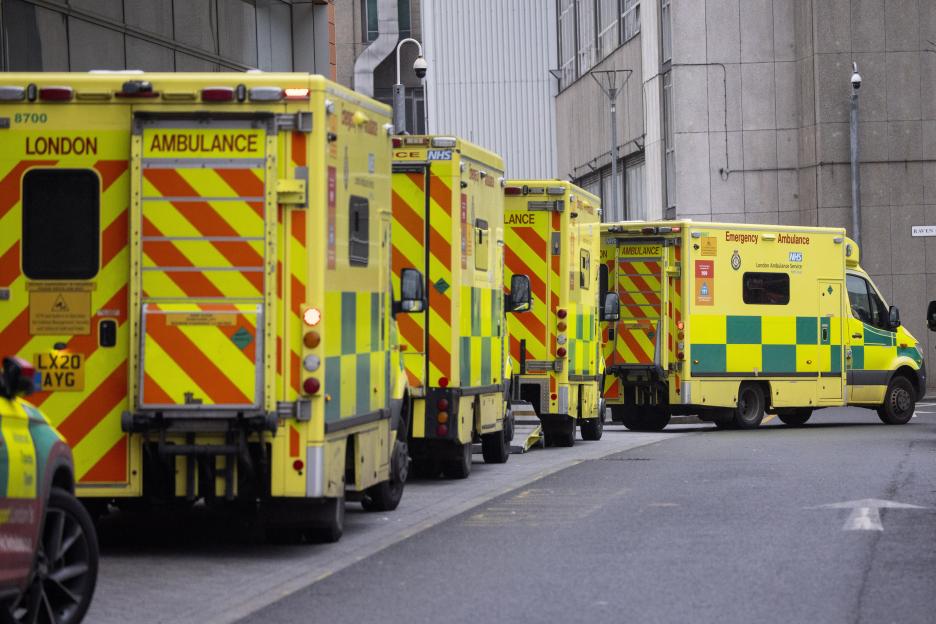 A&E departments are buckling under winter pressuresCredit: EPA
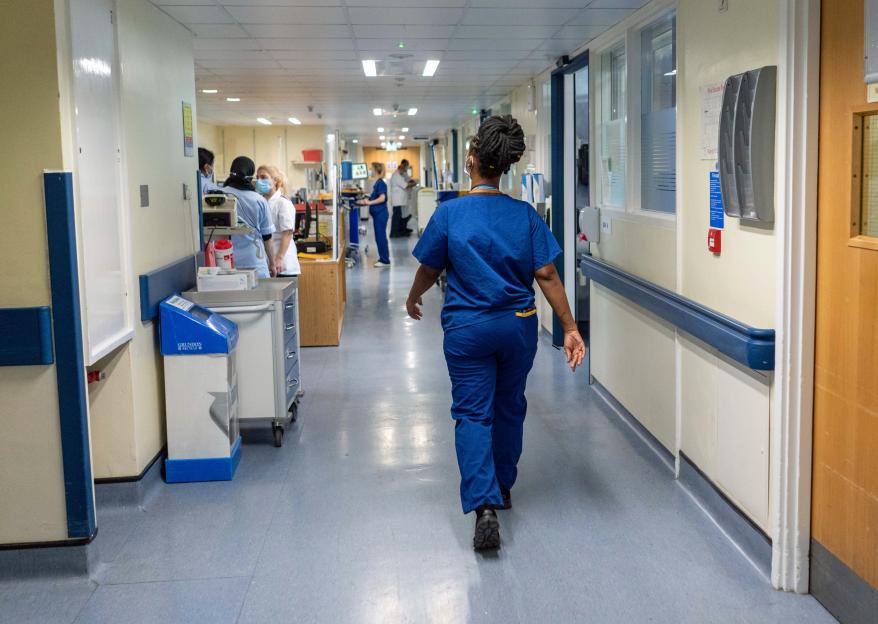 Staff are working flat out in extremely busy conditions, a chief nursing officer saysCredit: PA
Patients are being encouraged to use NHS 111, their GP, local pharmacy or an urgent treatment centre instead.
Planned procedures and appointments are being reviewed, but patients are being told they should assume they are going ahead unless contacted, the trust says.
Anyone with winter viruses is being urged to stay at home, rest, drink fluids and use over-the-counter medicines such as paracetamol or ibuprofen to manage symptoms.
Those needing urgent care should still come forward, using 999 for life-threatening emergencies and NHS 111 for other urgent issues.
The winter vomiting bug, dubbed the “”, has surged 15 per cent in a week, fresh figures suggest.
Hospitals in the North have been particularly badly hit, with norovirus admissions rising for the fourth week in a row.
At least 950 people were admitted to hospital with norovirus last week — the highest number recorded so far this winter.
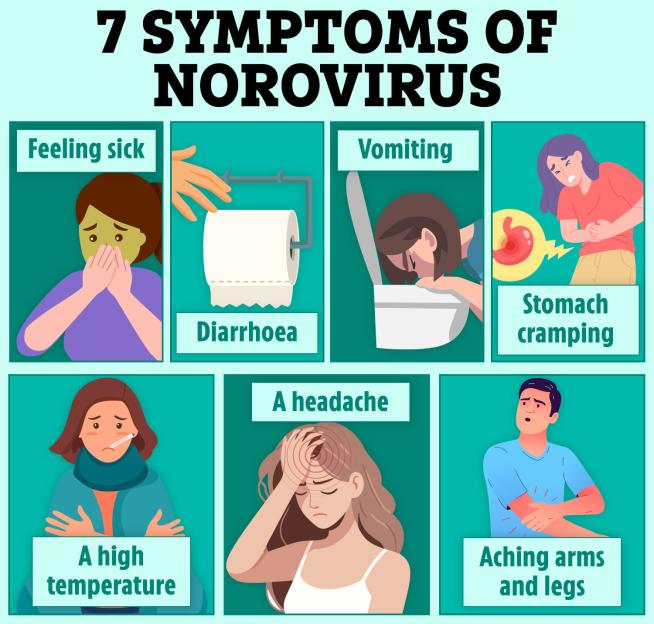
That is up from 823 beds the previous week and higher than the same period last year, when 898 patients were hospitalised.
The surge in norovirus, alongside a resurgence in flu, has already forced more than a dozen NHS trusts in England to declare critical incidents last month.
However, flu rates have begun to ease.
An average of 1,912 patients were in hospital with flu last week — down 21 per cent from 2,437 the week before.
When to call 111 and 999 for norovirus
NOROVIRUS usually goes away on its own after a couple of days and doesn't require medical attention.
But you might need to speak to a doctor if:
- You’re worried about your baby, who is younger than 12 months old.
- Your child stops breast or bottle feeding while they’re ill
- You think your child under five might be dehydrated – signs could include fewer wet nappies.
- You’ve used rehydration sachets but still have signs of dehydration
- You or your child keep being sick and can’t keep fluids down.
- You or your child have bloody diarrhoea or start bleeding from the bottom.
- You or your child have diarrhoea for more than seven days or are vomiting for more than two days.
And if you spot any of the following signs, it’s vital to seek urgent care:
- Blood in your vomit
- Vomit that looks like ground coffee
- Green vomit (adults) or yellow-green vomit (children)
- A stiff neck
- Pain when looking at bright lights
- A sudden, severe headache or stomach ache
Source: NHS