SOARING summer temperatures have brought on the inevitable return of the dreaded hosepipe ban.
With water suppliers across the country , millions of Brits face £1,000 fines for watering their lawns or – but some groups might be legally exempt.
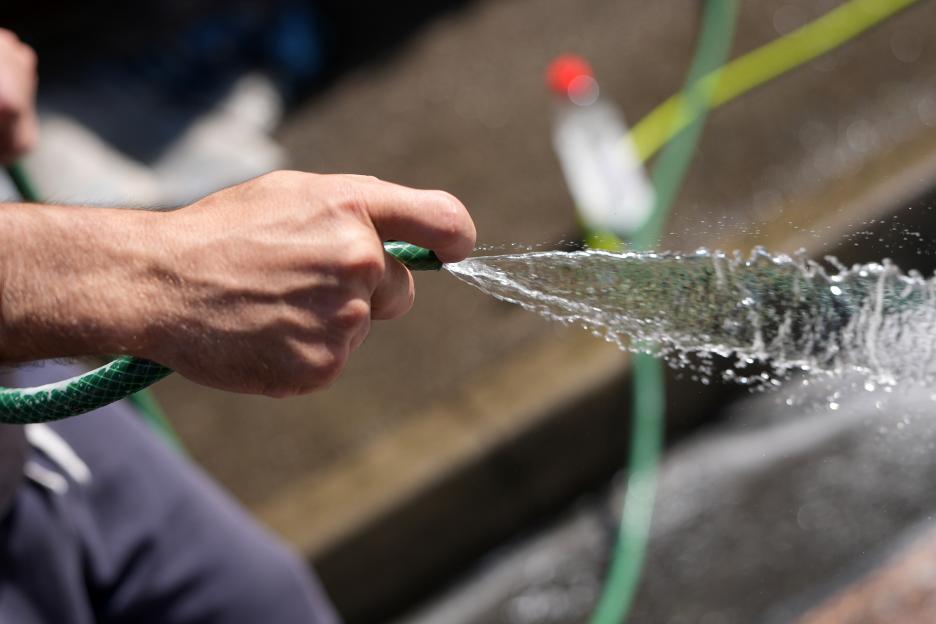 Some groups of people may be legally exempt from the restrictions Credit: Getty
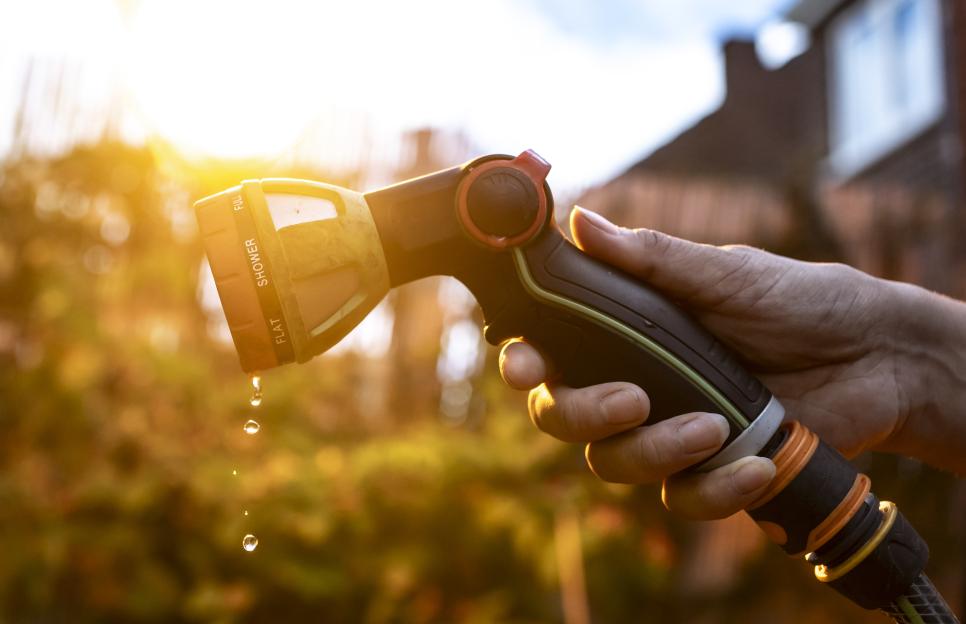 Exemptions are in place to protect those who rely on water for health, safety, and basic welfare Credit: PA
Who is exempt from hosepipe ban rules?
Exemptions are in place to protect groups of people who rely on water for health, safety, and basic welfare.
For example, Blue Badge Holders and the mobility impaired are generally permitted to use a hosepipe if they have severe mobility issues.
Some firms allow exemptions for individuals with a severe who find it physically painful or difficult to carry a heavy watering can.
Families on the government’s WaterSure scheme are also widely exempted by suppliers.
To qualify, households must receive certain and have an essential need for high water use, either due to a medical condition or because they have three or more children under the age of 19.
You are also legally allowed to use a hosepipe if it is required to protect the health and welfare of animals.
This includes filling water troughs for livestock, maintaining garden fish ponds, and keeping pets cool.
Customers registered on their water firm’s Priority Services Register (PSR) – for example those who are elderly, have a chronic illness, or use a medical dialyser at home – often receive exemptions.
People on PSR can also receive priority updates during a supply interruption, and free bottled water delivered to the door if their mains water goes off.
Do all water firms offer hosepipe ban exemptions?
Because water companies operate regionally, the rules can vary – while some may opt for blanket exemptions, other suppliers have specific criteria in place.
For example, Cambridge Water say only those with a severe who struggle to use a watering can difficult are allowed – rather than a blanket exemption.
To find out the guidelines for your area, head to your firm’s dedicated “” or “Temporary Use Ban (TUB)” section of its website.
Every firm publishes a list of who can and cannot use a hosepipe during a restriction period.
How can you continue tending to your garden?
If you don’t qualify for an exemption, you can still keep your garden thriving without breaking the law or risking a fine.
Hosepipe bans target hoses and sprinklers, so you are completely free to use a traditional watering can as much as you like.
A good tip is to recycle your ‘greywater’ – like bathwater or washing-up water.
Don’t let it go down the drain (as long as it doesn’t contain harsh chemicals); it’s perfect for keeping plants and lawns hydrated.
You can also set a water butt up under your gutter downpipe to capture every drop of rainfall.
And when you do get the watering can out, water your garden early in the morning or late in the evening.
This ensures the water sinks into the soil rather than evaporating instantly in the midday sun.