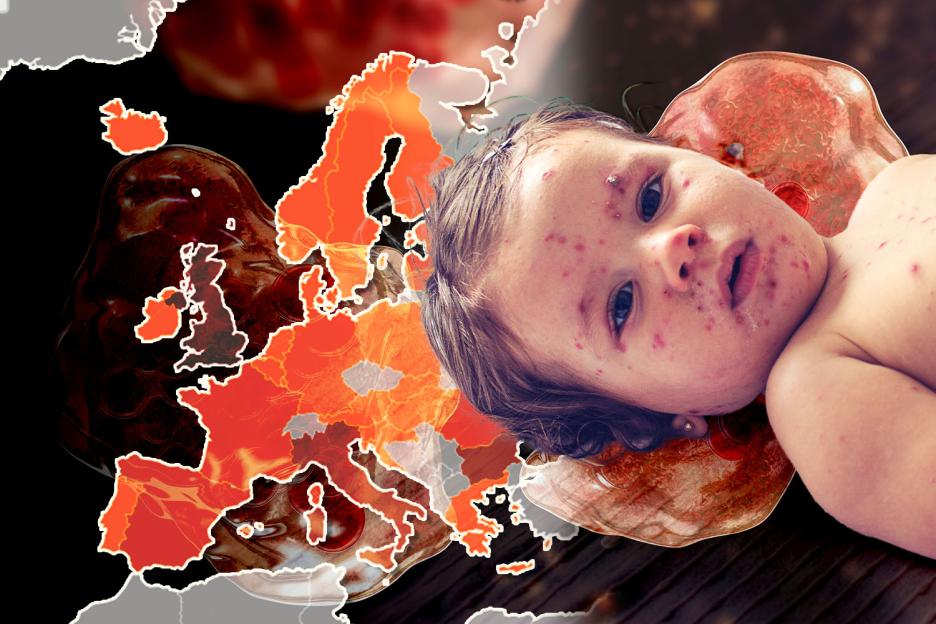
BRITS jetting off to Europe for their summer holidays have been warned as cases of measles in more than six countries surge.
Measles is highly contagious and is considered to be one of the in the world.
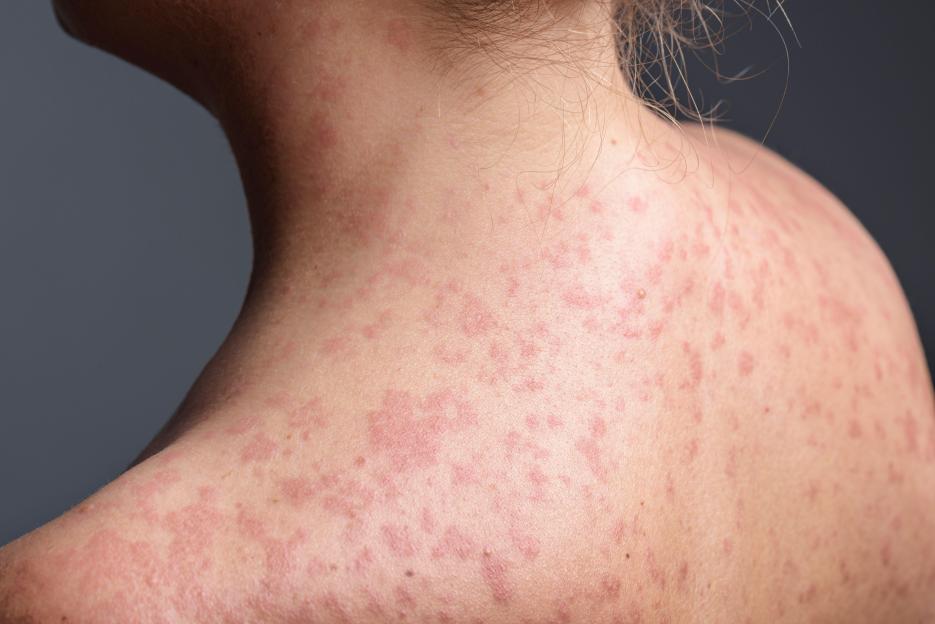 Measles usually starts with cold-like symptoms, followed by a rash a few days later Credit: Alamy
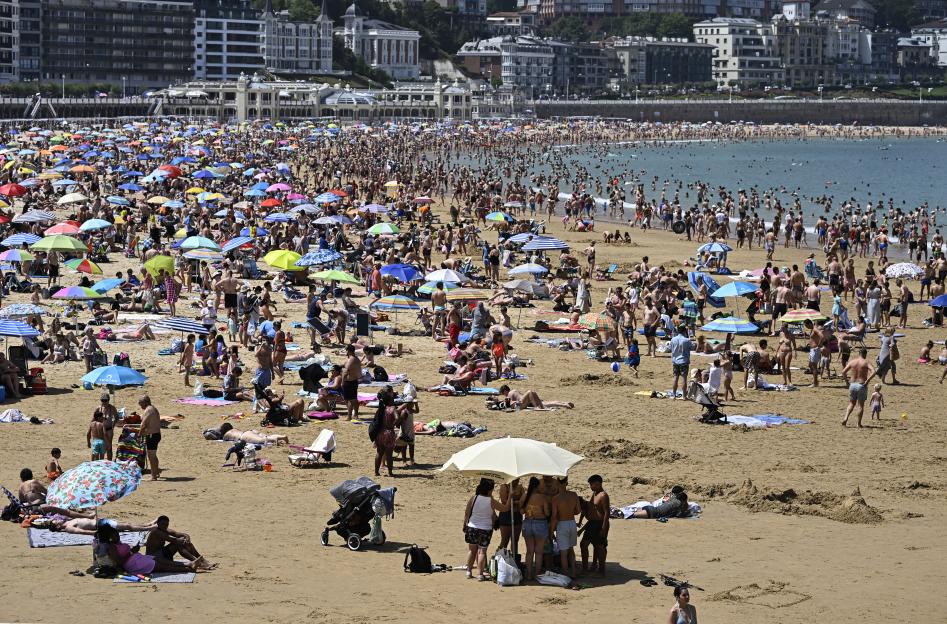 As Brits head to Europe on their summer holidays, they should be aware of measles cases across the continent Credit: AFP
With school fast approaching, families heading to , , , , or Bulgaria must be aware of the risks.
Large gatherings of people at beaches and other holiday hotspots could put Brits at risk of either catching the lethal disease or bringing it back to the UK.
In May 2026, 28 countries in Europe reported measles data, according to the European Centre for Disease Control and Prevention (ECDC) .
Case numbers have spiked since January and despite decreasing slightly in May, compared to the previous month, experts are still warning people to be aware.
It comes after the UK earlier this year with experts warning children are now facing a real and growing threat from the virus.
Countries are only labelled “measles-free” by global health officials if cases are rare, imported from abroad and quickly brought under control, a threshold the UK .

Rates of the measles, mumps and rubella () jab have fallen to just 84 per cent, the lowest level since 2010.
Measles is an incredibly contagious viral infection, but it can be prevented by getting a vaccine.
Two doses of the MMR vaccine offer up to 99 per cent protection against the illnesses, which can lead to hearing loss and problems during pregnancy.
Without it, just one measles infection can spread the virus to 9 out of 10 unvaccinated people nearby.
At least 95 per cent of the population needs to be vaccinated to prevent outbreaks, under public guidance.
So, what does the situation in Europe currently look like?
The highest case counts in May were reported by Bulgaria (122), Italy (74), France (24), (17) and (eight), ECDC data shows.
In Italy, there have been 435 reported measles cases since the year began, with numbers rising by almost 78 per cent between January and April.

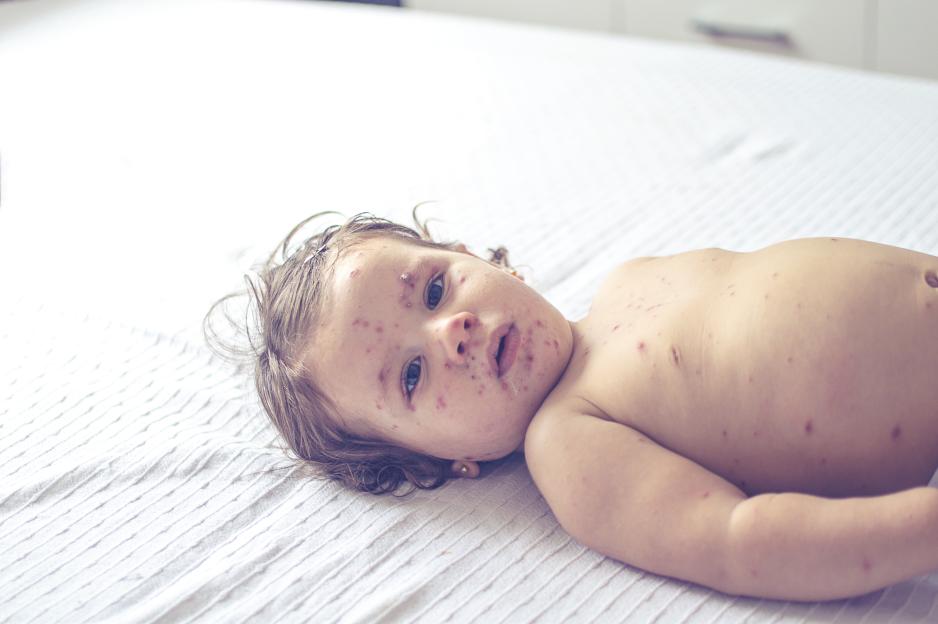 Measles mostly produces flu-like symptoms and can cause serious and even fatal health complications Credit: Getty
And while cases dropped noticeably from 158 in April to 74 in May, Italy still had the second highest number of measles cases in Europe that month, behind Bulgaria.
In January, Bulgaria reported zero cases of the infectious disease, but this number had jumped to 163 by the end of April.
Again, numbers fell slightly to 122 in May, but that was still the highest in Europe that month.
According to the ECDC figures, Spain has seen 138 cases of measles since January and France has recorded 103 cases since the start of the year.
In other parts of Europe, Romania has recorded 85 measles cases and Germany 52 in 2026 so far.
By comparison, England saw 754 cases of measles between January and May 2026, and this figure rose to 801 by June 22, according to data from the UK Health Security Agency (UKHSA).
The ECDC reiterated the importance for families to get vaccinated to protect both adults and children from the disease, particularly if they are travelling this summer.
The agency said: “It is vital to ensure first and second dose vaccinations are administered on time, in accordance with national schedules, among children.
 You can get the MMR jab to prevent getting measles and it is offered to all young children in the UK Credit: Getty
 The main symptoms of measles
Measles is highly contagious and can cause serious problems in some people.
The infection usually starts with cold-like symptoms, followed by a rash a few days later. Some people may also get small spots in their mouth.
The eight signs to watch out for are:
- Watery, red, swollen eyes
- A high temperature
- Cold-like symptoms – a runny or blocked nose, sneezing
- Fatigue
- A barky cough
- Small, greyish-white spots in the mouth
- Loss of appetite
- Muscle pain
Small white spots may then appear inside the cheeks and on the back of the lips a few days later.
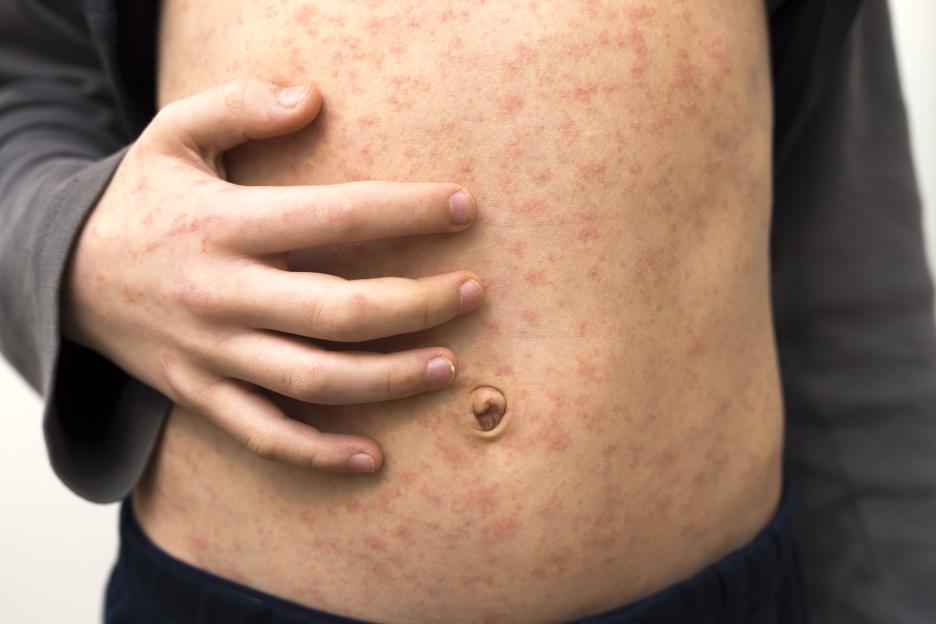
A rash tends to come next. This usually starts on the face and behind the ears before spreading to the rest of the body.
The spots are sometimes raised and join together to form blotchy patches. They are not normally itchy.
The rash looks brown or red on white skin. It may be harder to see on darker skin.
Complications are rare, but measles can lead to pneumonia, meningitis, blindness, seizures, and sometimes death.
Source: NHS
“It is also important to identify and vaccinate eligible individuals (for example, non-immune adolescents and young adults) in immunisation catch-up programmes.”
Measles, which mostly , can cause very serious and even fatal health complications if it spreads to the lungs or the brain.
It tends to infect the respiratory tract before spreading throughout the body, causing a high temperature, , and .
One in five children who get infected will be hospitalised, according to estimates, with one in 15 developing serious complications like or .
Last year, 7,655 cases of the were recorded in the EU, eight of which proved fatal.
Meanwhile, the UKHSA confirmed that in this year with infections soaring by a fifth in a week.