SOUTH Korea has introduced new number plate rotation rules in a bid to keep drivers off the road amid fuel shortages.
It comes as less than 24 hours after it was reopened.
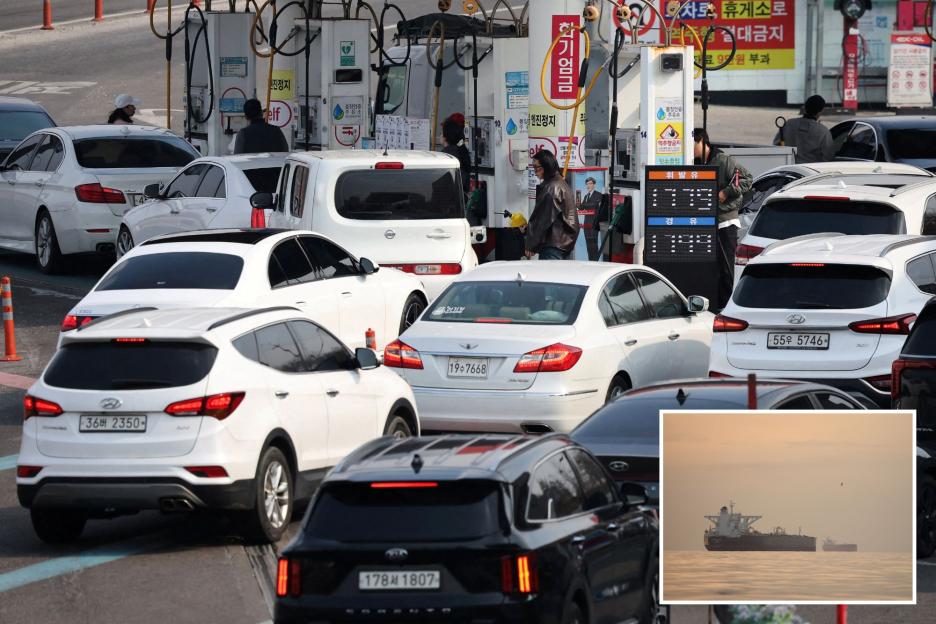
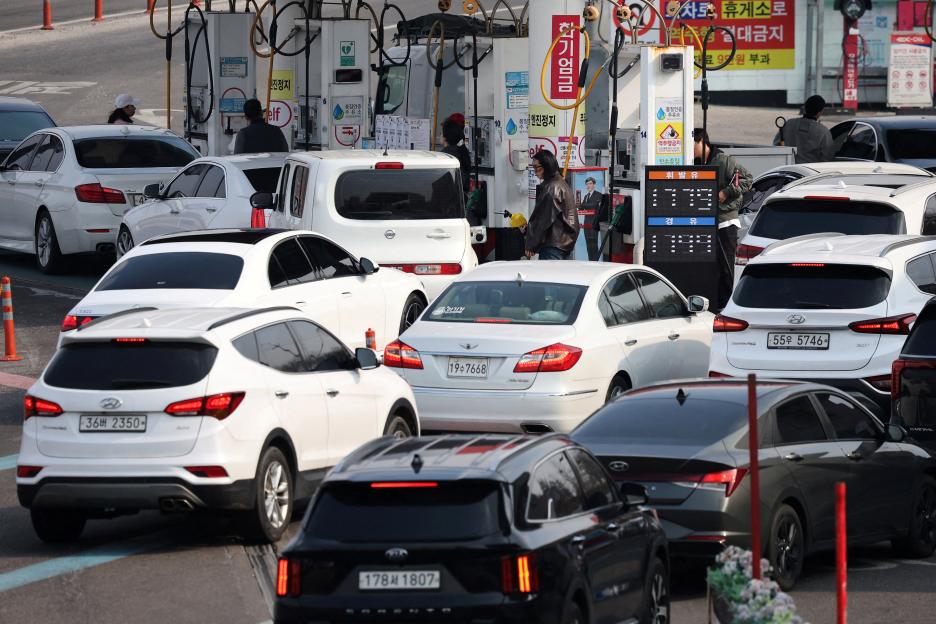 Cars at a gas station in Seoul, South Korea Credit: Reuters
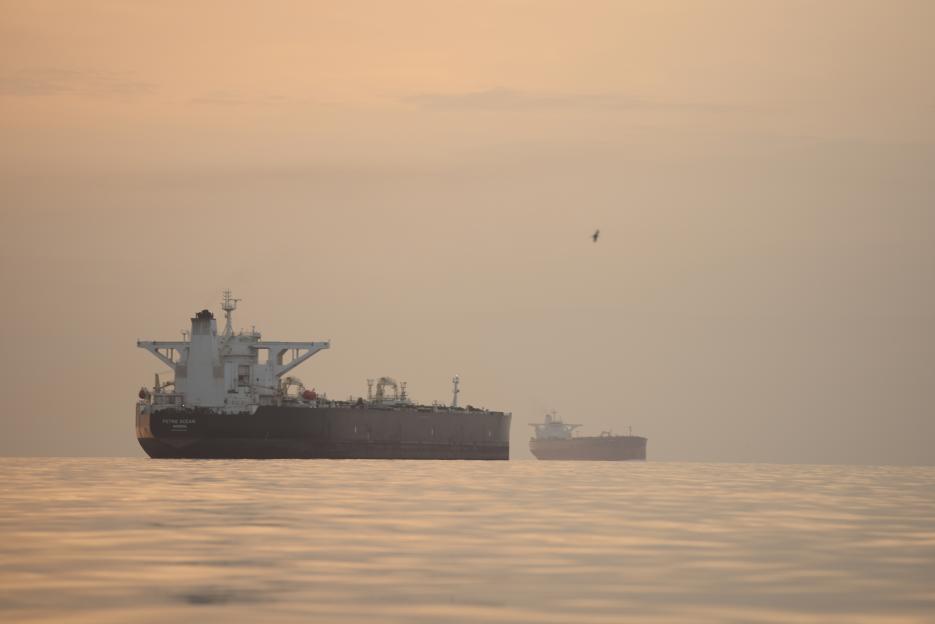 Tankers anchored in the Strait of Hormuz off the coast of Qeshm Island, Iran Credit: AP
The since the seven weeks ago, strangling the world’s oil supplies and
South Korea’s president, Lee Jae-myung, said the crisis had plunged the country into a “war-like situation”.
“This is a massive storm of uncertain duration,” he said and urged the public to “save every drop of fuel”.
imports 98 per cent of its fossil fuel consumption – around one billion barrels of crude oil each year.
Between 60 and 70 per cent of its total crude oil imports must .
In response to the crisis, South Korea’s government has introduced a new policy for drivers, according to The Times .
The advisory, introduced on April 8, cautioned the public to drive every other day.
Vehicles with number plates ending in odd numbers are permitted on odd-numbered dates, while those ending in even numbers are allowed on even-numbered days.
The new regulations are mandatory for state officials and public-sector workers, but currently recommended for civilians.
Finance Minister Koo Yun-cheol previously said the restrictions could be enforced nation-wide if crude prices rise to around $120–$130 (£88-£96) a barrel, up from the current $100–$110 (£73-£81) range.
Traffic has already begun to drop across the country as a result of the measures.
Those travelling the 37-mile trip between Inchon International Airport and the city centre say their journey time has been more than halved.
“Many people in Seoul are not driving their cars. It’s much quieter,” local tour guide Shin Myoungok told the outlet.
The government intervention has reportedly shielded drivers from the crisis, with no queues at petrol stations or panic buying.
South Korea introduced a similar 10-day vehicle rotation system to conserve energy during the 1991 Gulf War.
Fuel tax cuts have also been expanded, from 7 per cent to 15 per cent on petrol and 10 per cent to 25 per cent on diesel to protect against price rises.
South Korea is one of the biggest exporters of jet fuel in the world. The US relies on it for 70 per cent of its total jet fuel imports.
While there are no official reports of limitations on its exports, figures from April suggest shipments are currently on hold.
It comes as airlines across Europe are grinding to a standstill amid jet fuel shortages.
The International Energy Agency has warned airlines have just six weeks left of fuel as vital supplies remain blocked by the conflict in the Middle East.
IEA Executive Director Fatih Birol said mass flight cancellations will begin “soon” if the Strait of Hormuz remains closed.
It comes as a former government advisor warned Brits should be preparing for World War Two-style food rationing with shortages of as well as expected.
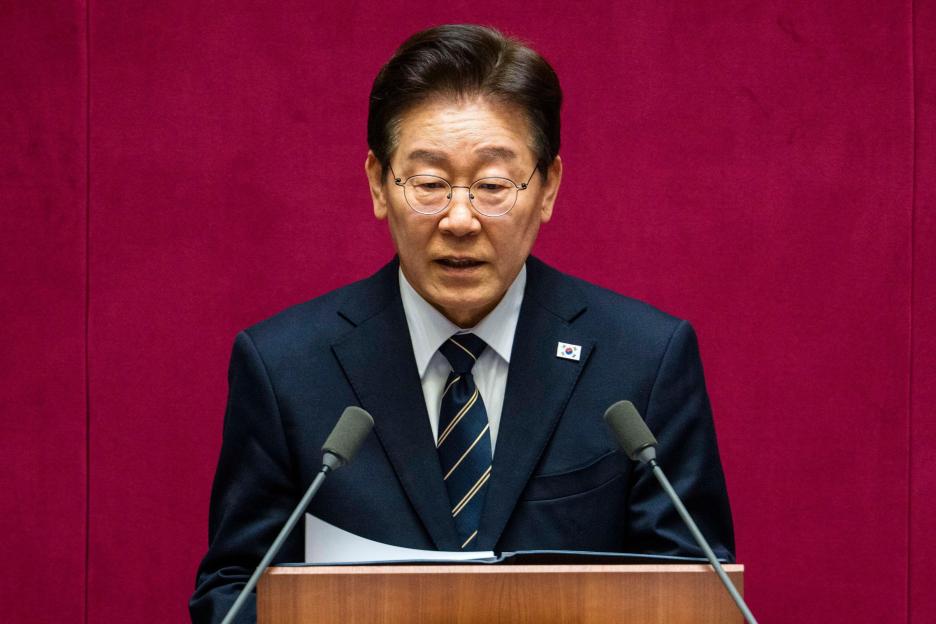 South Korea’s president Lee Jae-myung said the crisis plunged the country into a ‘war-like situation’ Credit: Alamy
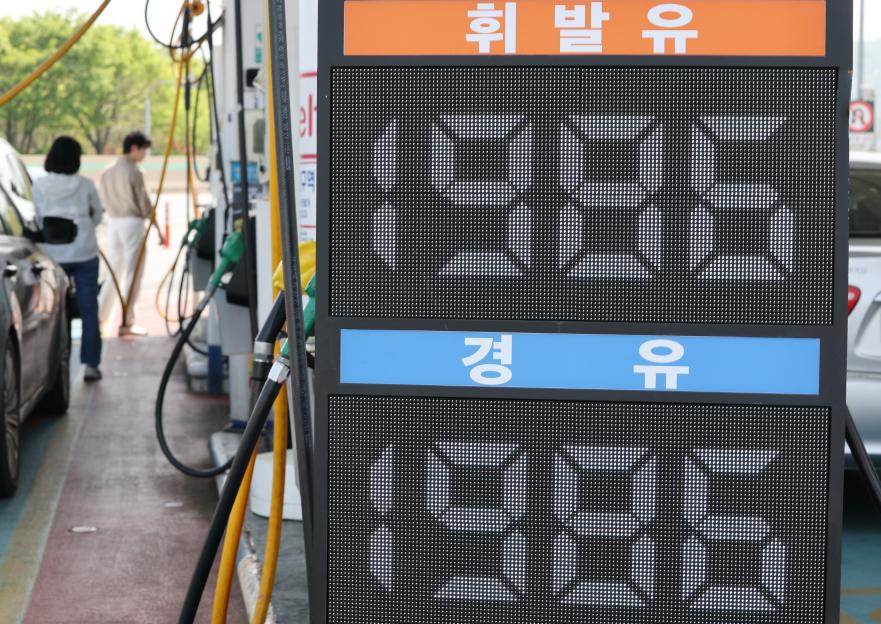 The regulations may become mandatory for everyone in South Korea if fuel prices continue to rise Credit: EPA