
Flu Warning: ‘B’ Strain Expected to Hit Children This New Year Following Unprecedented Surge of ‘K’ Flu
FLU and NHS misery will drag on well into the new year as a separate virus strain might still surge in children, experts warn. Scientists said young people are...
 Written byEze Chidiebere Paul
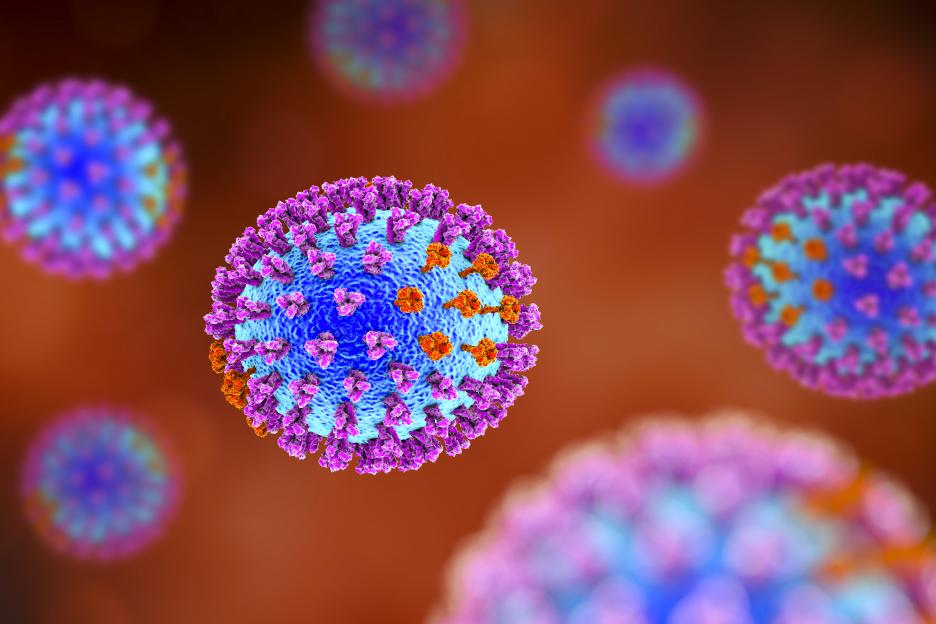
FLU and NHS misery will drag on well into the new year as a separate virus strain might still surge in children, experts warn.
Scientists said young people are usually hit by a flu type that increases later in the season.
Scientists said there is more than one strain of flu circulating at once (stock image)Credit: Getty
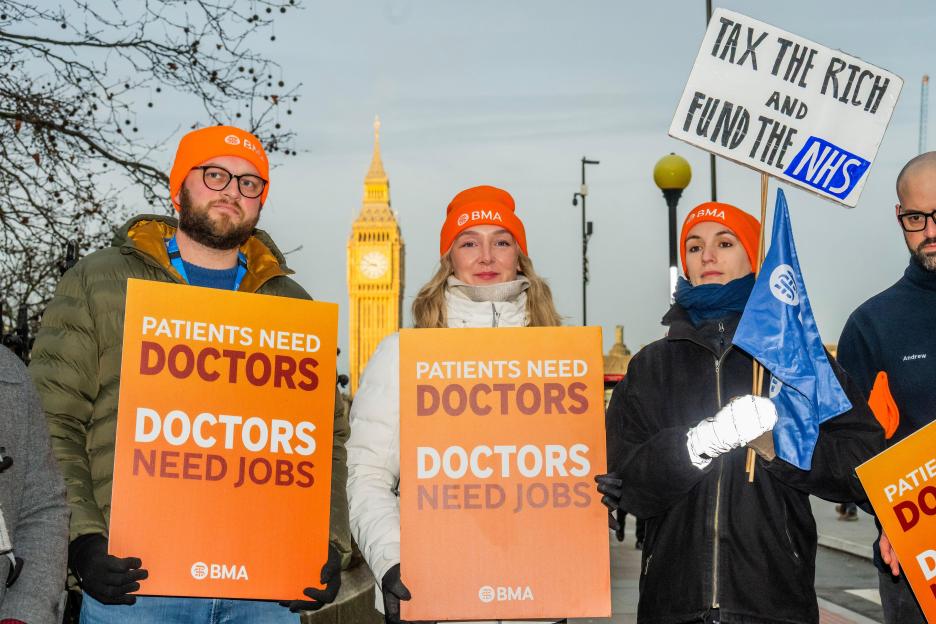 Doctors picket outside St Thomas’ Hospital in London on WednesdayCredit: Alamy
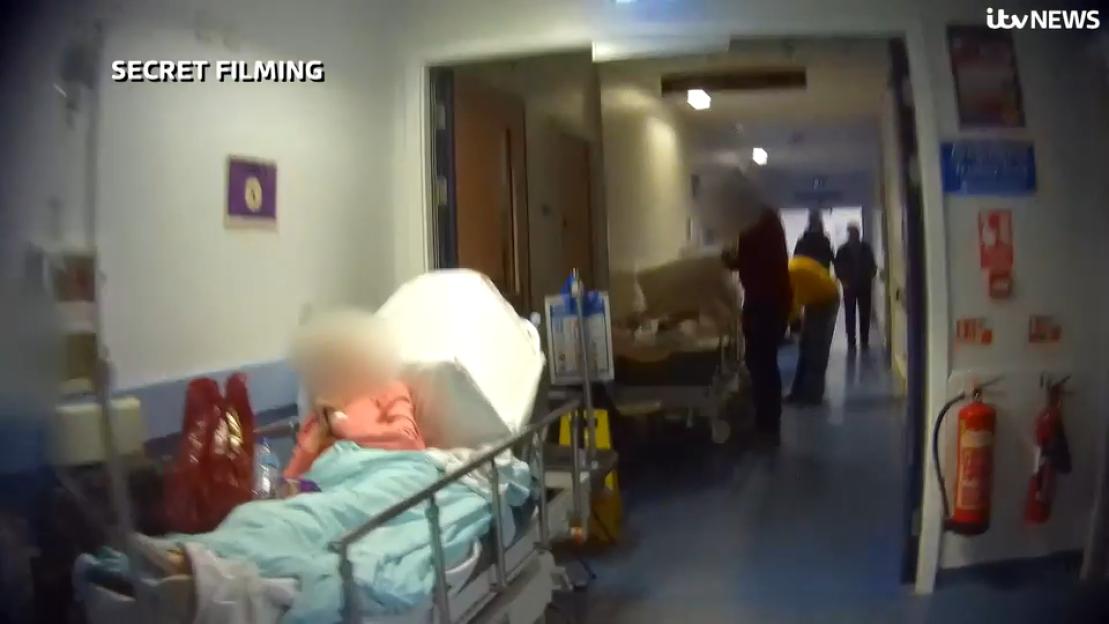 ITV News footage revealed patients being treated in corridors at a hospital in Blackpool this weekCredit: ITV
And health chiefs say hospitals will feel the impact of doctors’ strikes that began today into February.
Britain has been hit early by what England called an “unprecedented wave of superflu”.
Sir Keir Starmer branded the British Medical Association’s walkout during the crisis “” and said: “My message to resident doctors is don’t abandon patients, work with us to improve conditions and rebuild the NHS.”
The early outbreak has been driven by a of the virus and scientists say another strain, known as “B”, could come through later in the winter.
Professor Antonia Ho, from the University of Glasgow, said: “We tend to see flu B later on in the flu season and we see that more in children compared to adults.
“But I’m not expecting a double peak.”
Prof Nicola Lewis, of the Francis Crick Institute, added: “We should remember that it’s not one virus that’s out there.
“There’s a pool of H3 viruses that co-circulate together, then a pool of H1 viruses that circulate together, and then we mustn’t forget about the B lineage viruses because they’re particularly impactful on children.”
This is going to be a challenging five days and a really challenging few weeks
Wes Streeting, Secretary of State for Health and Social Care
The latest NHS figures show there were 2,889 patients in hospital with in England on December 7, with new statistics tomorrow expected to show another rise.
The outbreak means patients will feel the impact of this week’s doctors’ strike more than previous ones, health bosses warned.
And they said the delays it causes will drag on for weeks or even months afterwards.
Health Secretary told MPs on the Commons Health Committee that he held five hours of talks with the BMA on Tuesday but failed to get them to call off the strike.
He said: “I’m probably just as, if not more, worried about the weeks that follow.
“The consultants who are getting us through the next five days are going to be knackered.
“It is dicey – we’re off to a decent start but this is going to be a challenging five days and a really challenging few weeks.”
Dr Layla McCay, of NHS Confederation on behalf of health service managers, added: “The disruption that is being caused this week will be felt all the way into January and beyond.”
Former MP and health minister Edwina Currie told Times Radio: “Those who have voted for it and those who are out on strike today should be absolutely ashamed of themselves. “They’re out on strike because they want another whacking great pay rise.”
'SUPERFLU' Q&A
WHY is flu so bad this year?
This year’s flu, which has been named H3N2 is a different virus strain from usual.
Our immune systems remember strains we have caught before and are better at fighting them off, meaning we get less ill.
H3N2 has not been around for a number of years, meaning our natural immunity to this version of the virus is low.
More people are getting heavy symptoms — which in turn means it spreads faster, including to high-risk groups such as babies and the elderly who can become severely ill.
What are the symptoms?
The same as regular flu. Most people will feel achy, sore and tired, and may develop a high temperature or a cough.
Other signs of flu can include a dry throat, upset stomach, headaches, difficulty sleeping or a loss of appetite.
What should I do if I get the flu?
Most people can manage at home and will start to recover after a few days with plenty of sleep, rest and drinking lots of fluids.
Take painkillers such as paracetamol or ibuprofen to reduce symptoms, but do not take antibiotics as they work only for bacterial infections and flu is viral.
Call 111 or your GP practice if you are elderly or have a serious health condition and are worried about your symptoms.
Do the same if you are worried about a baby or child’s symptoms. Call 999 or go to A&E if you begin to cough up blood, have sudden chest pain or cannot breathe.
Is the vaccine effective?
Yes. Scientists say the vaccine is a close enough match to the virus for it to reduce the risk of serious illness.
There were some concerns that the virus had mutated and rendered the jab less effective, but our natural protection against this strain is so low that the vaccine will still give the immune system a strong boost.
This is particularly important for high-risk groups, including over-65s, pregnant women, cancer patients and babies and children, who are eligible for free jabs on the NHS.
Why are hospitals struggling?
Hospitals are nearly full almost all of the time, so they have no room for a sudden surge in new patients.
This year has seen the highest demand for services such as A&E and ambulances on record, even before the flu outbreak began.
Clinics are also trying to crush through a massive backlog of non-urgent patients.
Long-term problems with discharging patients mean many beds are blocked by elderly people who cannot safely be sent home.
Continue reading
GBBO finalist Ruby Bhogal’s bakes are our fave showstoppers right now
Credit: Matt Russell WITH a new series of about to begin, what better way to celebrate than with a selection of recipes from 2018 finalist Ruby Bhogal? Around T...

I was raped 15 times by Mohamed Al Fayed when I worked at Harrods – he had ‘favourite girls’ and made us have STI tests
SARA Blackiston remembers being thrilled when she secured a job as a hosiery assistant at Harrods as a young woman – and even more elated when she was quickly s...
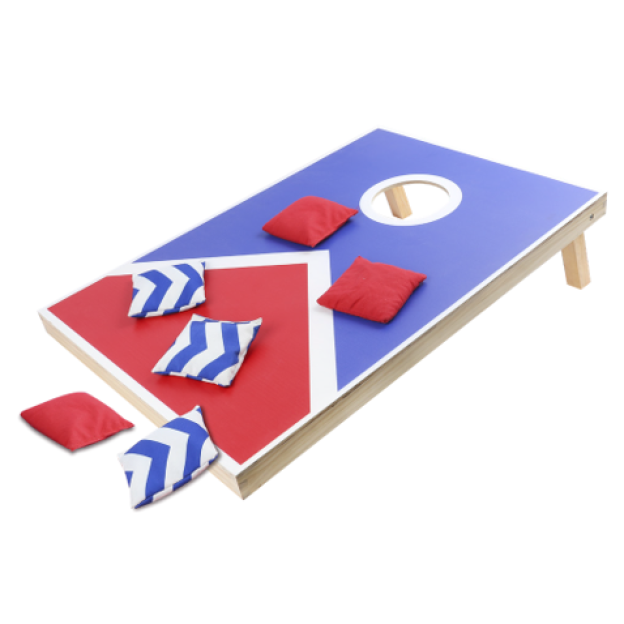
UK’s biggest toy chain is hit by asbestos recall alert as wooden games are pulled from shelves
THE UK’s biggest toy chain has pulled a wooden game from shelves over fears it contains asbestos. Shoppers have been urged to stop using the product immediately...
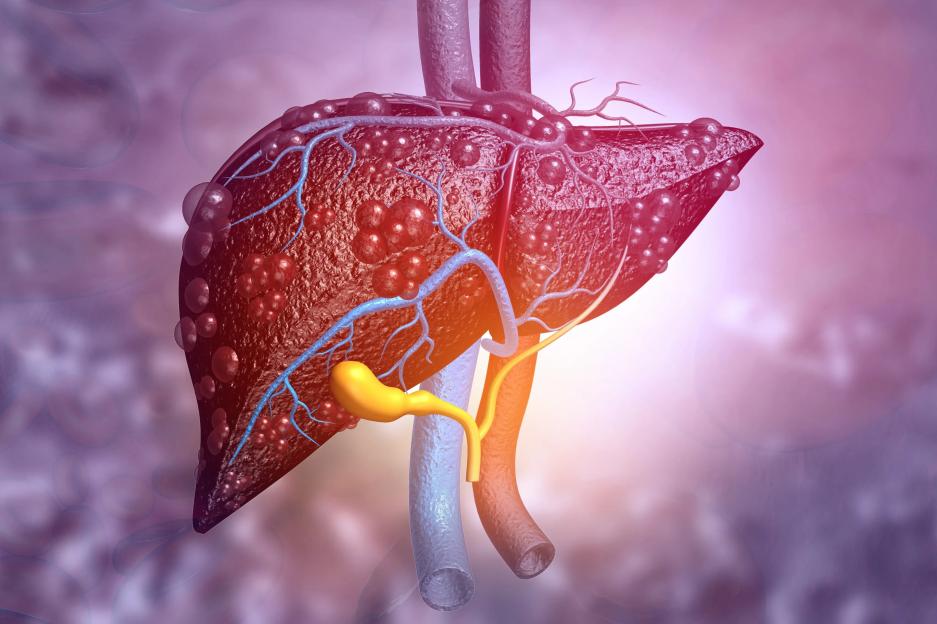
Middle-age disease ‘silently’ affecting one in FIVE Brits and fuelling deadly cancer – are you at risk?
LATE-stage diagnoses of deadly liver disease are surging because it develops so “silently”, concerning research suggests. Around 1.3billion people worldwide are...