
Urgent Efforts Underway to Contain Deadly Meningitis Outbreak Spreading Beyond Kent in the UK
HEALTH officials are battling to stop deadly meningitis spreading across the country with fears the bug is already outside Kent. Two people have tragically died...
 Written byEze Chidiebere Paul

HEALTH officials are battling to stop deadly meningitis spreading across the country with fears the bug is already outside Kent.
Two people have tragically died and 11 remain “seriously ill” in hospital following an in Canterbury, .
Students queuing for antibiotics outside a building at the University of Kent in CanterburyCredit: Gareth Fuller/PA Wire
 18-year-old Juliette, a sixth form student, tragically died after contracting meningitisCredit: SUPPLIED
 Huge queues have been spotted as students wait for antibioticsCredit: PA
Juliette, 18, died on Saturday surrounded by her devastated family after falling victim to the deadly bug sweeping through parts of Kent.
A 21-year-old student from the University of Kent has also died after contracting the disease.
Anyone who visited Club Chemistry in Canterbury on March 5, 6 or 7 was already asked to “come forward for preventative antibiotic treatment as a precautionary measure”, said the UK Health Security Agency.
Now, emergency measures are being taken across Kent to contain the infection before young people go home for Easter.
But officials reportedly fear the outbreak has already spread beyond the county after the UK Health Security Agency (UKHSA) admitted it knew of a cluster of cases a full day before telling the public on Sunday, according to the Telegraph.
A health source told the outlet it was already becoming clear the infection had spread outside Canterbury with cases reported in the neighbouring towns of Ashford and Whitstable.
Thousands of young people may have been unknowingly carrying the infection as they packed into parties and nightclubs over the weekend, before heading home to see family for Mother’s Day.
Many students are from Kent, but large numbers also travel in from London.
Officials are now racing to get a grip on the spread, with NHS bosses and local health chiefs holding an emergency meeting on Monday to hammer out a plan and “tackle the confusion”.
Warnings have been sent to 16,000 staff and students at the University of Kent.
Close contacts of confirmed cases are being urged to come forward for treatment – even if they have no symptoms such as vomiting, a high fever, a severe headache or a rash that doesn’t fade when a glass is pressed against it.
The strain is understood to be a type of meningitis B.
Hundreds of students have received precautionary antibiotics after the two tragic deaths.
At least 11 people, all thought to be aged between 17 and 21, are seriously ill in hospital with the disease, which causes inflammation of the brain and spinal cord.
One victim is believed to be in a coma.
Three schools and the university have confirmed cases, with in-person exams and assessments cancelled at the university.
NHS Inform says meningitis can be spread by “sharing utensils, cutlery and toothbrushes” as well as via sneezing, coughing and kissing
What is meningitis and what are the symptoms?
MENINGITIS is an infection of the protective membranes that surround the brain and spinal cord – called the meninges.
It can be very serious if not treated quickly – it can cause life-threatening sepsis and result in permanent damage to the brain or nerves.
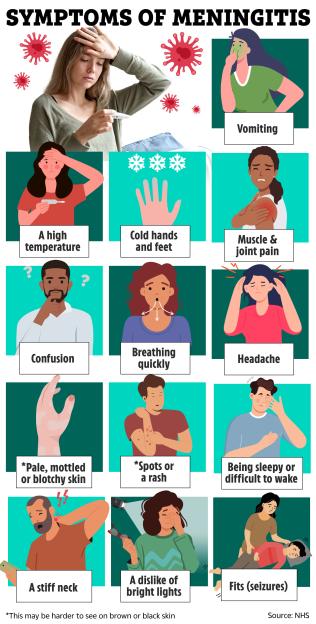
Symptoms include:
- A high temperature (fever)
- Being sick
- A headache
- A rash that does not fade when a glass is rolled over it (but a rash will not always develop)
- A stiff neck
- A dislike of bright lights
- Drowsiness or unresponsiveness
- Seizures (fits)
Call 999 for an ambulance or go to your nearest A&E immediately if you think you or someone you look after could have meningitis or sepsis.
Meningitis is usually caused by a bacterial or viral infection.
Bacterial meningitis is rarer but more serious than viral meningitis.
Vaccinations offer some protection against certain causes of meningitis.
These include the:
- MenB vaccine – offered to babies aged 8 weeks, followed by a second dose at 16 weeks and a booster at 1 year
- 6-in-1 vaccine – offered to babies at 8, 12 and 16 weeks of age
- pneumococcal vaccine – 2 doses offered to babies at 12 weeks and 1 year, and a single dose offered to adults aged 65 or over
- Hib/MenC vaccine – offered to babies at 1 year of age
- MMR vaccine – offered to babies at 1 year and a second dose at 3 years and 4 months
- MenACWY vaccine – offered to teenagers, sixth formers and “fresher” students going to university for the first time
Source:
is not a transmission route of meningitis listed by health bodies.
But Prof Andrew Preston, Professor of Microbial Pathogenicity at University of , said it could spread in the same way that it would if two people shared utensils or cups.
It is also spread by sneezing, coughing and kissing.
Not everyone who carries the virus or bacteria that cause meningitis in their throat are showing symptoms or sick.
The bug has to cross the blood-brain barrier into the mengines – the protective membranes that surround the brain – in order to cause disease.
A mum-of-six from Herne Bay, told Sun Health her daughter, Keeleigh, 21, was rushed to A&E on Saturday night just before midnight.
The mother fears Keeleigh caught it from sharing a vape at nightclub Club Chemistry just days before.
Public health teams have already swung into action, with UKHSA specialists interviewing affected individuals and their families to help identify all close contacts and arrange antibiotics to limit spread.
Trish Mannes, UKHSA’s regional deputy director for the south-east, said: “Students and staff will understandably be feeling worried about the risk of further cases.
“However, we would like to reassure them that close contacts of cases have been given antibiotics as a precautionary measure.
“Advice and support is being offered to the wider student community, and to local hospitals and NHS 111, and we’re monitoring the situation closely.”
The UKHSA has urged anyone who thinks they, or someone they care for, could have meningitis, septicaemia or sepsis, should call 999 or go to their nearest A&E.
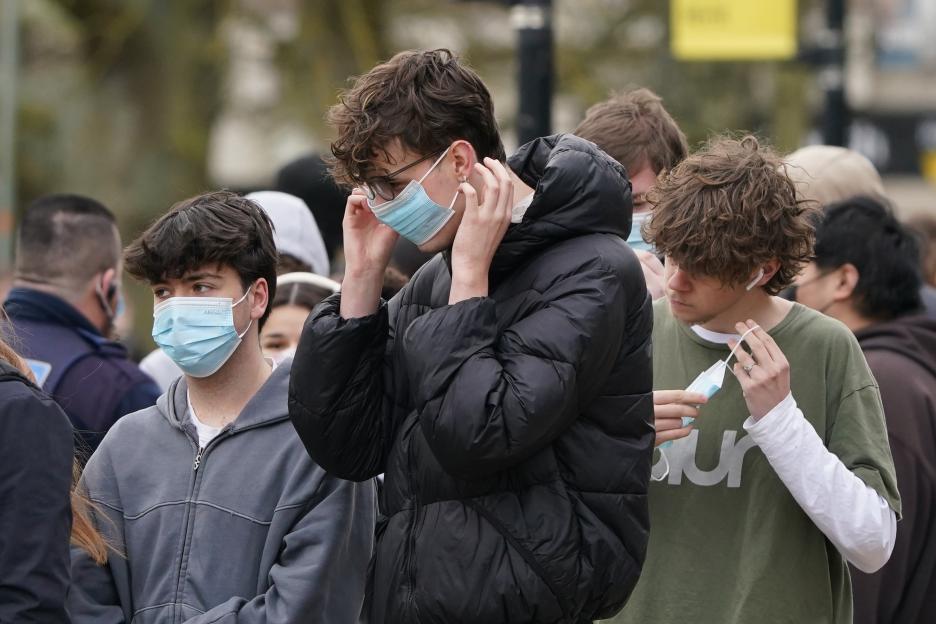 Students queuing for antibiotics outside a building at the University of Kent in CanterburyCredit: PA
 The number of confirmed cases remains at 13, according to the updateCredit: PA
Continue reading

GBBO finalist Ruby Bhogal’s bakes are our fave showstoppers right now
Credit: Matt Russell WITH a new series of about to begin, what better way to celebrate than with a selection of recipes from 2018 finalist Ruby Bhogal? Around T...

I was raped 15 times by Mohamed Al Fayed when I worked at Harrods – he had ‘favourite girls’ and made us have STI tests
SARA Blackiston remembers being thrilled when she secured a job as a hosiery assistant at Harrods as a young woman – and even more elated when she was quickly s...

UK’s biggest toy chain is hit by asbestos recall alert as wooden games are pulled from shelves
THE UK’s biggest toy chain has pulled a wooden game from shelves over fears it contains asbestos. Shoppers have been urged to stop using the product immediately...

Middle-age disease ‘silently’ affecting one in FIVE Brits and fuelling deadly cancer – are you at risk?
LATE-stage diagnoses of deadly liver disease are surging because it develops so “silently”, concerning research suggests. Around 1.3billion people worldwide are...