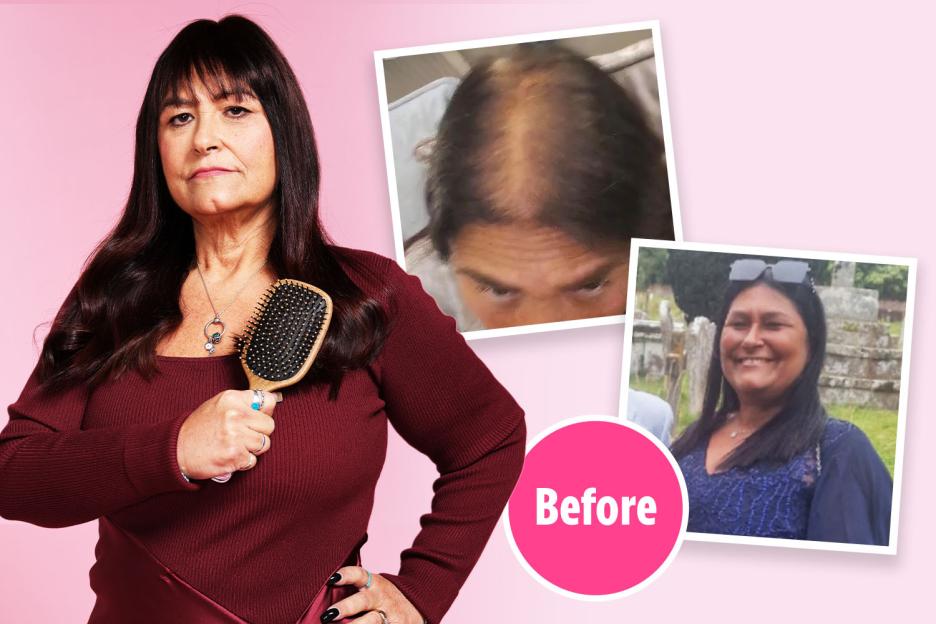
AFTER slimming down dramatically on weight loss jabs, mum-of-two Nicki Hari, 58, was left with a shocking side effect.
As more and more women report shedding due to skinny jabs, Nicki says a drastic measure may be the only fix.
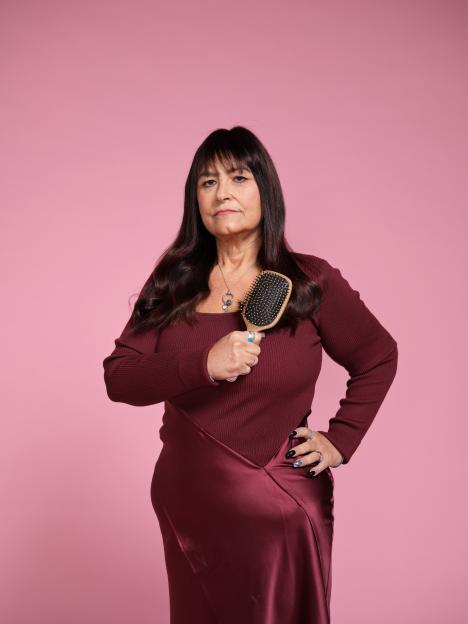 Nicki Hari, 58, lost 4st thanks to weight loss jabs but it came at a devastating cost
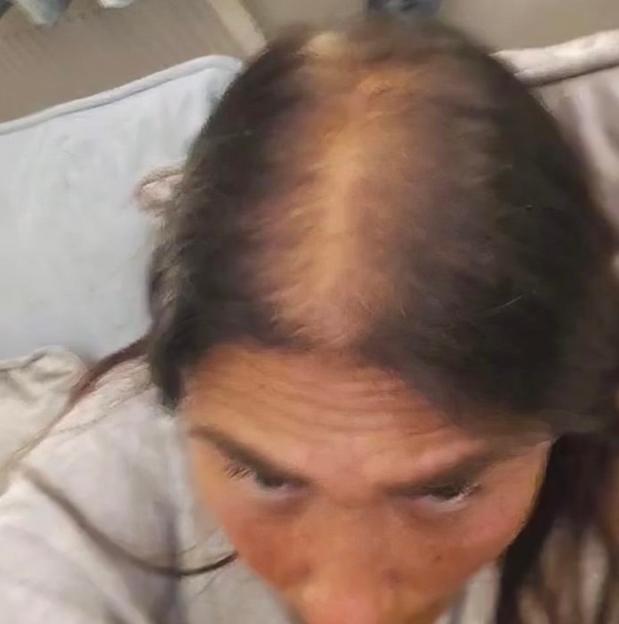 Nicki’s hair suddenly started falling out after she started taking MounjaroCredit: Supplied
 Nicki had battled food addiction for almost 30 years before going on the jabsCredit: Supplied by Nicki Hari
TEARS prick Nicki Hari’s eyes as she gently clips the cheap, synthetic wig into place.
After losing 4st thanks to , she should be bursting with confidence, but Nicki’s slimline physique has come at a devastating cost.
The mum-of-two, 58, has been forced to wear a black ‘hair topper’ after her own beloved locks suddenly fell out after she started taking the weight loss drug .
She is the latest victim of the shocking, but increasingly widespread side effect of so-called fat jabs – now taken by an estimated 1.6 million Brits.
In fact, recent research shows that up to one in 10 GLP-1 drug users – the blanket term for medication including , Mounjaro and – report suffering hair loss.
More worrying still, women are significantly more affected than men. According to figures by Verywell Health, 7.1 per cent of female Mounjaro users reported hair loss, compared to just 0.5 per cent of males.
“I lost 4st on the skinny jab, but I am also losing my hair at an alarming rate,” says Nicki, a rehab admin staffer.
“Within six weeks of using Mounjaro, I started losing clumps of hair in the shower.
“Now, large sections of my crown are bald and it is worse around my parting. Every time I wash or brush it, clumps fall out.
“I never thought would also mean losing my hair. It’s embarrassing and humiliating, and I’m more self-conscious than ever.”
Nicki, who says her long, silky locks were once her crowning glory, adds: “I feel less attractive and I know people point and giggle behind my back.
“I hated people staring at me when I was overweight, but now I’m thin, people are looking at me because of my bald spots. It puts me off going out.”
Nicki, 58, from Borehamwood, north , is suffering from telogen effluvium, a common form of hair loss which can be triggered by pregnancy, stress, hormonal changes… and extreme weight loss.
But it is not Ozempic or Mounjaro itself which causes users’ hair to fall out. Rather, it is the resulting weight loss, which shocks the body into believing nutrients are in short supply – so it diverts resources away from non-essential functions like hair growth.
Trichologist Krysia West has seen an 80 per cent rise in women experiencing GLP-1-linked hair shedding.
I hated people staring at me when I was overweight, but now I’m thin, people are looking at me because of my bald spots
Nicki Hari
“It’s a huge and widespread increase,” she says.
“It’s critical that women, in particular, support their bodies with the right vitamins and minerals while using injectables. If you don’t put back the nutrients your hair needs, regrowth will be slowed or may not happen at all until the injections stop.”
Hairdressers across Britain are now offering treatments for ‘Ozempic hair’, while specialist supplements like Glowwa Hair Food are selling in record numbers.
Some salons even offer GLP-1 scalp massages to boost hair capillary blood flow, while microneedling to stimulate scalps is also on the rise.
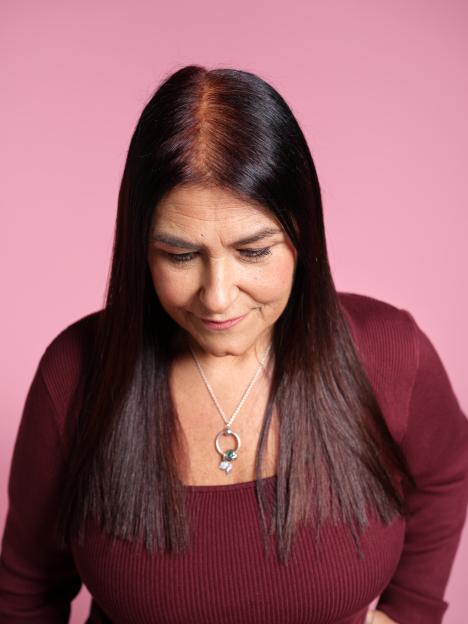 I hated people staring at me when I was overweight, but now I’m thin, people are looking at me because of my bald spots, says the mum
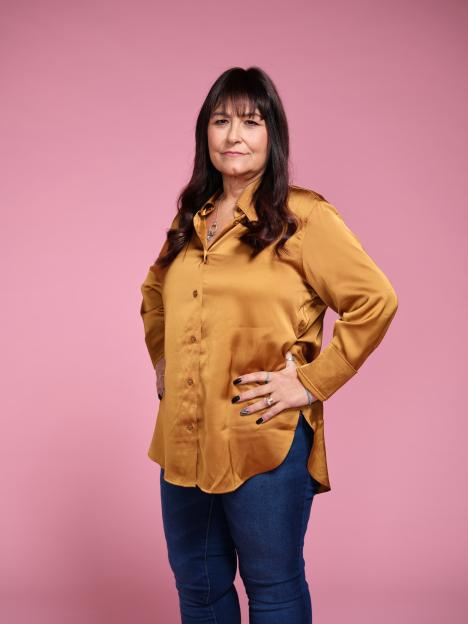 Nicki’s hair loss has now become so noticeable, she has resorted to trying different hairpieces and temporary wigs
Prior to taking weight loss jabs, Nicki, who lives with her fiancé, postman Stuart Permutte, 62, had battled food addiction for almost 30 years.
“I have yo-yo since my teens and after having my two children, I could not shift the baby weight,” she says.
“My GP warned me that if I did not lose weight I would face serious health issues, but I could not stop the food noise.
“It was overwhelming and destroying my self esteem.”
Nicki has spent a staggering £25,000 trying to slim down. In 2010, weighing 20st 1lb and at a dress size 22, she had a fitted privately at a cost of £12,000.
To her delight, she dropped to 12st 5lb and a svelte size 12, but over time the band stretched and by 2015 she’d gone up to 16st and a size 18.
“I suffered weight recidivism, which happens in up to 50 per cent of weight loss patients. It was soul destroying,” she says.
‘Soul destroying’
In 2018 she opted for conversion surgery at a cost of £10,000 to change the band to a gastric bypass.
But the surgery failed due to a build up of scar tissue which meant her weight loss plateaued.
In 2022, weighing 15st 5lb, Nicki began taking Saxenda, a daily weight loss injection costing £220 a month. After five months paying for it privately, she got an prescription.
But after stopping the medication the following year having lost 2st, she was consumed by “food noise” and her weight shot back up to almost 16st.
In January 2025 Nicki began taking Mounjaro, determined to give weight loss jabs one last go. She lost nearly 4st, dropping from 16st 1lb to 11st 3lb, and shrinking from a size 16–18 to a 10–12.
“In 11 months I lowered my risk of type 2 , or coronary – all thanks to Mounjaro,” says Nicki, who is 5ft 2in tall.
“But my hair moulted everywhere. It was on my clothes, the sofa, my pillow and my car seat.”
Last September, after US manufacturer Eli Lilly upped the price of Mounjaro – causing Nikki’s 12.5mg dose to jump from £180 to £330 a month – she switched to Retatrutide, an experimental weight loss drug not yet licensed in Britain.
“I know there is a risk, but I am willing to take it,” says Nicki, who paid £150 for a 20mg dose on the ‘grey market’. “I know it is about to be approved for use in the and Britain and I plan to stay on retatrutide.
“As I don’t meet the strict guidelines for NHS-prescribed Mounjaro, this is the only option for me.”
Nicki’s hair loss has now become so noticeable, she has resorted to trying different hairpieces and temporary wigs.
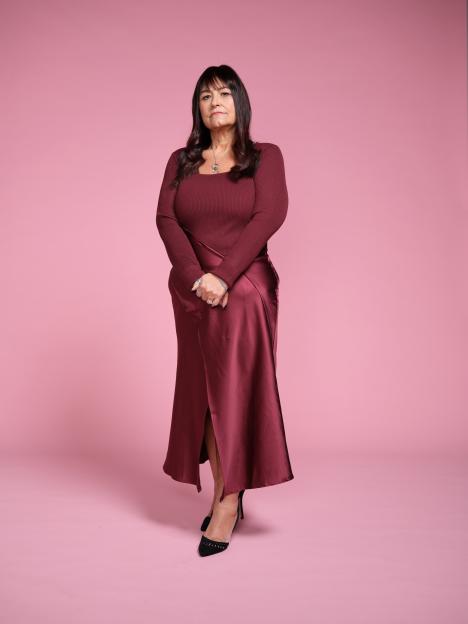 Nicki now also uses backcombing and a coloured hairspray to disguise her bald patches
 She is now hoping to travel to Turkey later this year for a £1,500 sectional hair transplantCredit: Supplied by Nicki Hari
She says: “If you take the time to brush them in, they look realistic.
“But because they clip on, they rely on the surrounding hair being strong. Mine is weak because of the skinny jabs, so my mini wig often falls off.
“The only one that looks even semi-natural is a £9.99 solution from Amazon, with bangs [a fringe]. The other clip-in hair pieces looked ridiculous and like I was wearing an ill-fitting toupée.”
Hair accessories aside, Nicki uses backcombing and a coloured hairspray to disguise her bald patches.
She has also been taking vitamin supplements and various topical treatments to encourage regrowth, following advice from her hairdresser.
She says: “The cheapest solution for under a fiver is massaging castor oil into the affected area. It contains ricinoleic acid, which has anti-inflammatory properties and coats the hair shaft, preventing breakage.”
Living with my Mounjaro hair is something I must adapt to
Nicki Hari
Nicki also swears by rosemary oil, as it naturally mimics Minoxidil, a chemical treatment used to combat severe hair loss. Her diet is also geared around preventing further hair loss.
“I am eating lots of proteins, including chicken and turkey, and pulses like chickpeas and lentils, which are all said to help hair growth,” she says. “I am trying to refuel my body with the vitamins I have lost, which caused the hair shedding.”
Desperate for a speedier solution, Nicki is now hoping to travel to Turkey later this year for a £1,500 sectional hair transplant. This will see hair taken from the back of her head implanted into other areas of her scalp.
Turkey-based cosmetic surgery company Magic Touch say they have seen a 100 per cent increase in women inquiring about sectional transplants due to fat jab-related hair loss – a statistic that doesn’t surprise Nicki.
“Living with my Mounjaro hair is something I must adapt to,” she says.
“I spent tens of thousands battling and it’s tragic that when I have finally slimmed down, I have to lose my hair. But I refuse to lose this battle and won’t give up. My hair will be returned to its full glory.”
Hair re-growth FAQs
Anabel Kingsley, Consultant Trichologist and Brand President at Philip Kingsley spoke exclusively to Fabulous.
How long does it take for hair to grow back?
Hair grows, on average, half an inch a month. You cannot speed this up.
Do rosemary oil and scalp massages work?
Oils do not promote hair growth. In terms of rosemary oil, the current trend stems from one small study carried out on 50 men in 2015. No women were involved, and the study compared the effects of 2 per cent minoxidil to Rosemary oil. 2 per cent minoxidil doesn’t do much for
male pattern hair loss anyway, so the results were not very impressive. Oils do serve a purpose in conditioning hair treatments though. They help add shine and smooth the hair cuticle to lock-in moisture and improve combability. Scalp massages alone won’t cure hair loss, but it can help relax you, aid in lymphatic drainage, exfoliate and help topicals penetrate.
Are there any products or foods/vitamins you recommend someone using or eating to help with hair regrowth?
To support healthy hair regrowth, if you are experiencing hair thinning we’d recommend our Density Preserving Scalp Drops clinically proven to help slow hair loss with continued daily use within three months.
Telogen effluvium (hair shedding) due to nutritional deficiencies can often be simply treated with changes to your diet, and nutritional supplements such as our specially formulated Density Healthy Hair Complex and Density Amino Acid Booster.
Iron and Ferritin (stored iron) in red meat, dried apricots and dark, leafy greens. Vitamin B12 in animal products and fortified plant-based foods. Protein from oily fish, lean meat, cottage cheese, tofu, nuts, chickpeas, and beans.
However, there may be an underlying cause for their hair loss and rather than this being masked by using an off-the-shelf product, they should be encouraged to seek the advice of a specialist such as a Trichologist.