DISABLED and trans people could clash over toilet access under the new single-sex spaces rules, say ministers.
“Tension” might arise as disabled toilets could become “third spaces” for trans people, an equality assessment reveals.
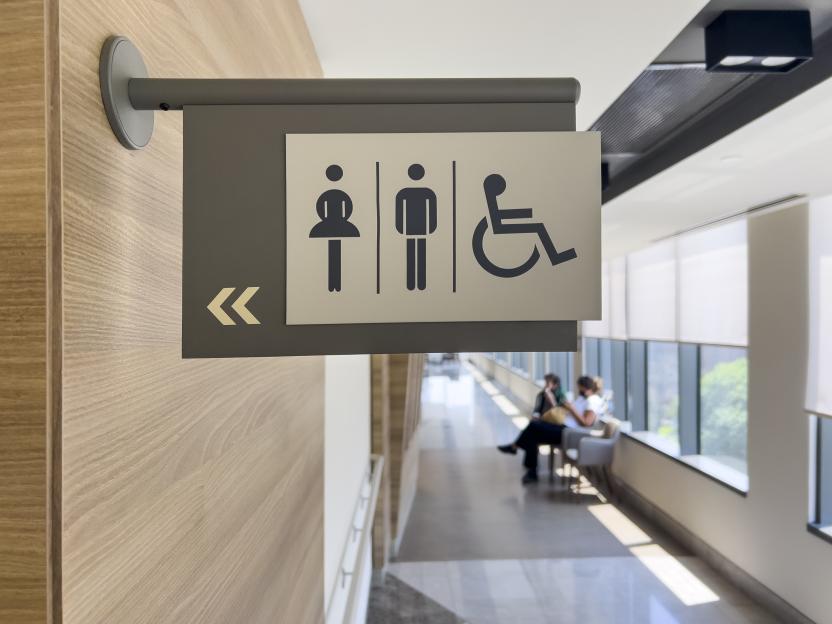 Ministers have warned disabled and trans people could clash over toilet access Credit: Getty
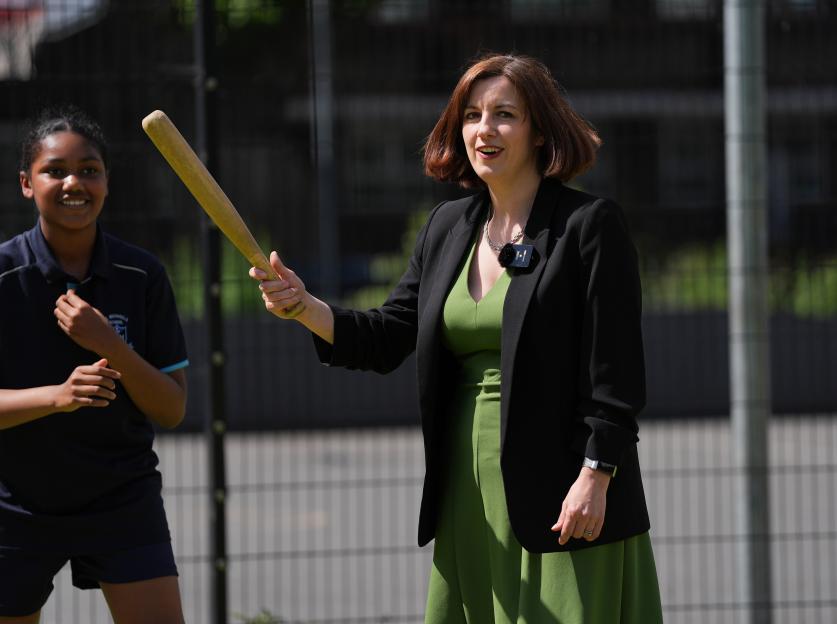 Bridget Phillipson believes in protecting single-sex spaces for women while also treating trans people with ‘dignity and respect’, said a source Credit: Yui Mok/PA Wire
It formed part of the guidance outlined for bosses yesterday after the ruled last year that , not gender identity.
The new guidance states “single-sex” services must operate on the basis of biological sex.
, hospitals, gyms, councils and workplaces are now expected to run single-sex spaces on the basis of whether someone is biologically male or female.
The publication risks reopening Labour’s long-running civil war over gender and trans rights.
It comes as Labour women called on Andy Burnham, who is fighting the Makerfield by-election and hopes to replace Sir , to clarify his stance on issues.
The Greater Manchester Mayor once dismissed single-sex spaces as a “minority view” and called for transgender women to be
Ministers insisted the changes were about giving organisations “clear, workable guidance” for everyday situations such as loos and changing rooms.
A source close to Women and Equalities Minister said she believed firmly in protecting single-sex spaces for women while also treating trans people with “dignity and respect”.
They added: “Bridget has ignored the frothing on both sides of the culture war and encouraged the to focus on what matters: the dignity of everyone in our country.
“She will take no lectures on the rights of women just as she will never will punch down on any minority.”
The guidance says it would be “very unlikely” for a trans person to be left with no toilet facilities at all.
But it also says providers may, in limited circumstances, ask someone to confirm their sex if concerns are raised about access to a single-sex space.
Officials stressed this should be done “sensitively” and that it would usually be inappropriate in ordinary public loos.