Table of Contents
- Food Safety Tips for Christmas
- Defrosting Meat
- Use-by Dates
- Checking Allergies
- Leftovers
- Partially Cooked Food
- Pink Meat
- Unwashed Utensils
- Check Your Fridge
- FAQs
Every year, Brits preparing meals during the Christmas season take kitchen shortcuts that can have potentially dangerous consequences.
The Food Standards Agency (FSA) surveyed over 2,100 adults to uncover the top 12 most common food mistakes.
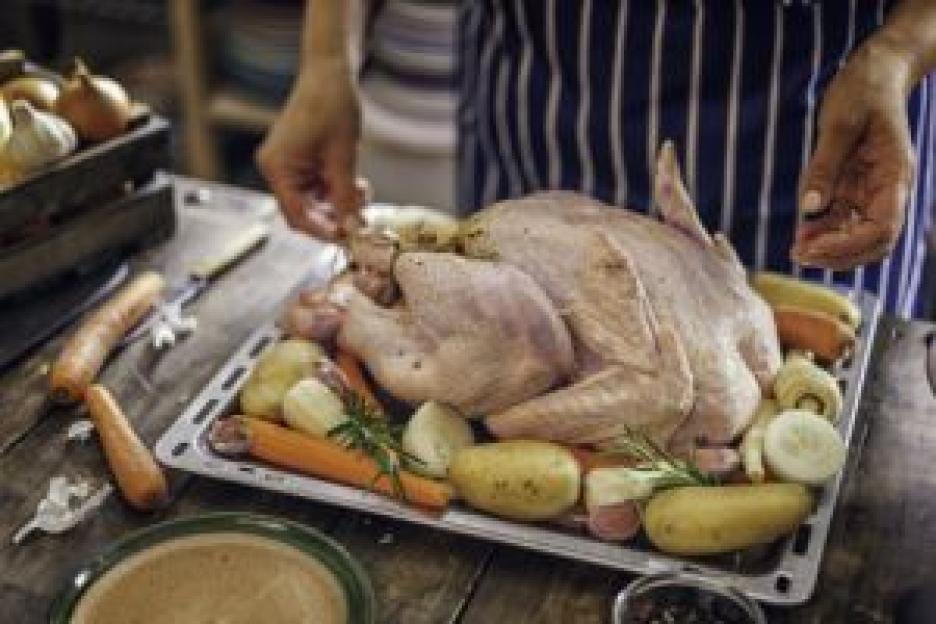 The FSA has released tips on how to avoid festive food failsCredit: Getty Images
 Food poisoning can cause stomach crampsCredit: Getty
To prevent serving any festive food fails to your guests, the FSA has launched a campaign to assist cooks in preparing safe and delicious meals.
From double-checking use-by dates to thoroughly cooking your meat, the FSA offers a variety of tips to ensure that you and your friends won’t end up feeling unwell this Christmas.
Campylobacter bacteria is the most common cause of food poisoning, which can, in some cases, be fatal.
If meat isn't cooked adequately at the correct temperature, or if food preparation areas aren't kept clean to prevent cross-contamination, this bacteria can contaminate your food.
While most individuals will experience symptoms like nausea, vomiting,
diarrhea, and stomach cramps for one to two days, those with weakened immune systems may suffer more severely.
Young children, older adults, and individuals with underlying health conditions (such as cancer, diabetes, liver, and kidney disease) have lower immunity, making it harder for them to combat food poisoning bacteria.
Cooks are advised to exercise extra care when preparing and storing food for themselves or those in these vulnerable groups.
Rebecca Sudworth, Director of Policy at the Food Standards Agency, stated: “Don’t let poor kitchen habits ruin Christmas."
“These common mistakes can lead to food poisoning, which can be serious for children, pregnant women, elderly individuals, and anyone with a weakened immune system.
“The good news? A few simple food safety steps will keep everyone safe and allow you to enjoy the festivities.”
Defrosting Meat
If you’re among the 62 percent who defrost their meat on the kitchen counter, the FSA has some crucial advice.
Leaving meat to defrost at room temperature for more than four hours can lead to harmful bacteria developing in your food.
So think twice before leaving your turkey out, and ensure it’s fully defrosted before cooking.
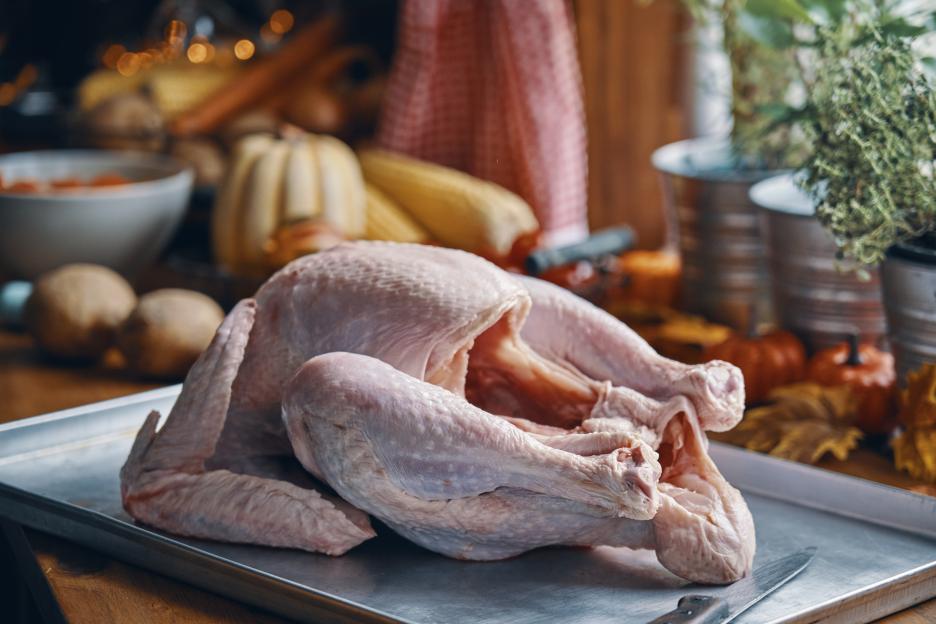 Think twice before leaving your turkey out to defrostCredit: Getty
Use-by Dates
More than 50 percent of Brits admitted to checking food safety by looking, smelling, or even tasting foods, which the FSA warns is a gamble with your health.
Consuming dairy products such as cream, cheese, or desserts past their use-by dates can lead to severe food poisoning, so it’s vital to check this before consumption.
The same applies to smoked fish and cold meats like ham and salami.
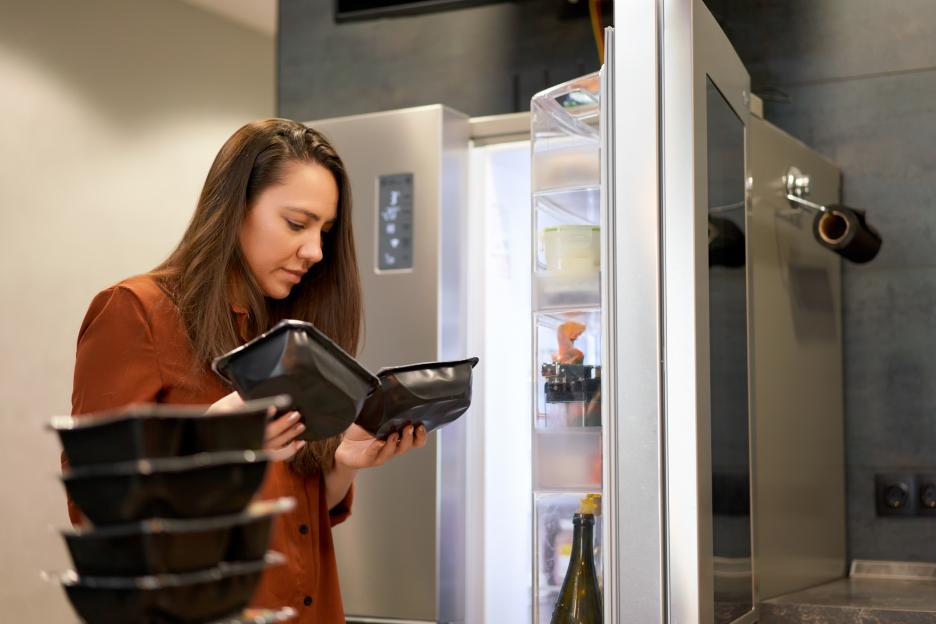 Information about the expiry date can usually be found on the back of containersCredit: Getty
Checking Allergies
Nearly a third of Brits admitted to not inquiring if guests have any allergies or dietary requirements.
The FSA states that it’s crucial to check for allergies before preparing or cooking food to avoid cross-contamination.
The most common allergies include milk, eggs, peanuts, shellfish, soy, gluten, sesame, and celery.
Leftovers
While it’s important to let your leftovers cool completely before placing them in the fridge or freezer, leaving food out for more than two hours can increase the risk of food poisoning.
The FSA’s study found that 16 percent of people are guilty of allowing food to sit at room temperature for too long.
Additionally, it’s recommended to discard