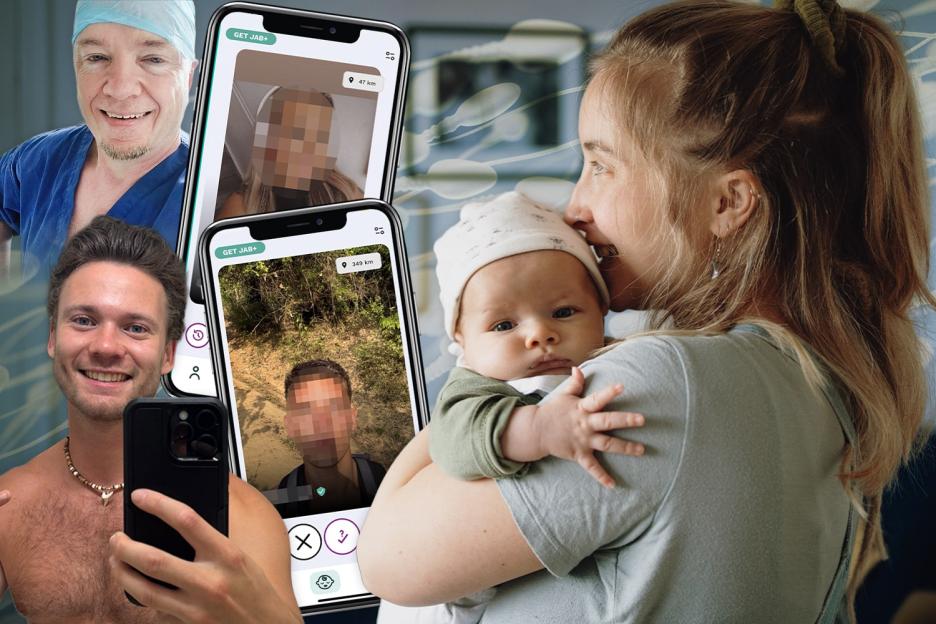
SWIPING left and right on the smiling faces of men, prospective mums are trying to match their way to motherhood.
But these “ for sperm” are hiding a murky digital black market where women face harassment, rape and dead samples sent in the post in tomato passata boxes. Here, an “elite” donor lifts the lid on the dirty tricks of the trade and a Brit woman reveals how a man turned up at her house expecting sex.
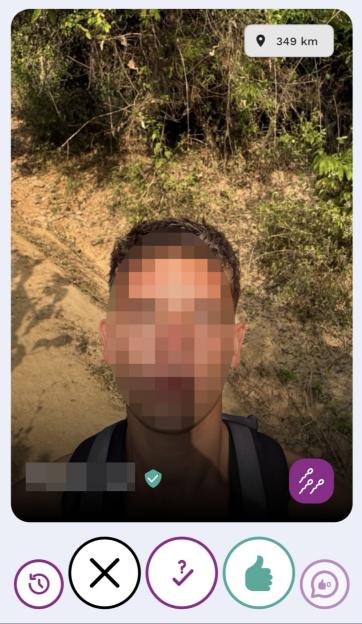 Apps where prospective mums swipe yes or no on potential donors are gaining popularity Credit: Just A Baby
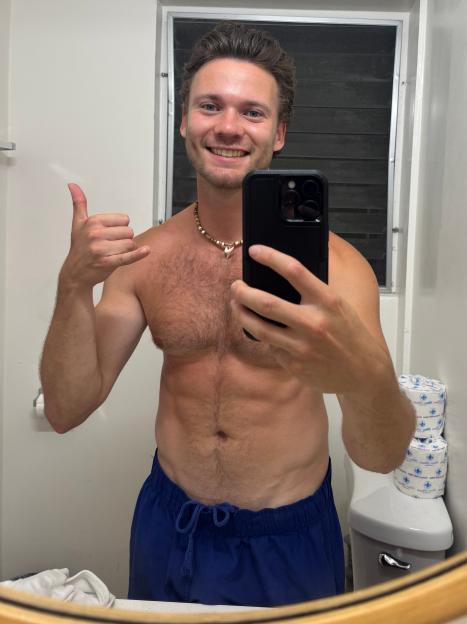 ‘Elite’ donor Daniel Bayen reveals the dangers in the unregulated sperm market Credit: Supplied
With names like Just a Baby, Addam, and Y Factor, platforms offer users the ability to create profiles with personal information and preferences, before matching them with donors.
The apps display names, ages and photos, allowing users to swipe through profiles of people offering or seeking sperm, eggs, embryos or surrogacy arrangements.
Unlike traditional services, these platforms – along with a growing number of donor groups – operate unregulated, leaving women vulnerable to abuse.
Users risk being sent dead or infected sperm – and there is no guarantee that donors have accurately disclosed hereditary health conditions.
Men on these groups openly offer their “baby dust” – donor slang for sperm – to women desperate to conceive.
Those who choose to meet donors in person may also face pressure to conceive through sex rather than artificial insemination – known in the online sperm donor world as AI.
The unregulated sperm market operates in two main parts, apps like Just a Baby designed to match donors and aspiring parents, and Facebook groups where men sell their samples. But experts warned us both online methods posed the same hazards.
In one horrifying case, a woman told The Times she was raped by an “AI-only” donor who forced his way into her home.
And families face risks years down the line, with some donors returning to seek involvement in a child’s life. In some cases, those disputes have escalated into bitter court battles over parental rights and family relationships.
Jane*, who uses social media to meet donors, claimed that unregulated markets on apps and Facebook groups are packed with “sexual predators and financial manipulators”.
She told The Sun about a meeting with a donor at her home who seemed like a good match – but he appeared surprised when he saw Jane’s partner.
The donor went to the bathroom for 10 minutes to produce the sample – but came out saying he couldn’t go through with it, before demanding his £15 and leaving, Jane said.
She added: “He’s just come down thinking he’s going to open the door and have his way with me.
“There’s a lot of desperate men out there, to be honest, just thinking, ‘Oh, the woman’s desperate for a baby, I’ll be able to swing her around’.
“Any of these guys could lie about their family, the history of their health or . It’s a bit like Russian roulette.”
The 44-year-old, from the UK, said she had been priced out of the regular market and put on a waiting list, and faced men pressuring her into sex by suggesting it was more “effective” for conception.
She said: “Another one we used, he was saying, ‘Oh, if it doesn’t work you’re welcome to try natural with me, I think it’s better natural’. I can see straight through this crap.”
Jane says there are notorious donors on Facebook groups who have been flagged as potentially predatory.
In one case, Jane received an offer from a Japanese man who lived in the Philippines. He asked to be flown over to the UK, with expenses covered.
“They’re sexual predators,” she said. “I think quite a lot of these men are financial manipulators and predators.”
Asked if she would use Facebook to find donors, Jane said: “I don’t think it’s actually worth it. It’s stressful, it’s worrying.”
UK health authorities warn that selling your sperm for profit is illegal – but there are many high profile donors around.
Daniel Bayen, a US-based donor who has travelled to the UK, Kyrgyzstan, and Israel for his services, insists he isn’t breaking the law.
He posts social media videos advertising his services and gives potential customers an insight into his life.
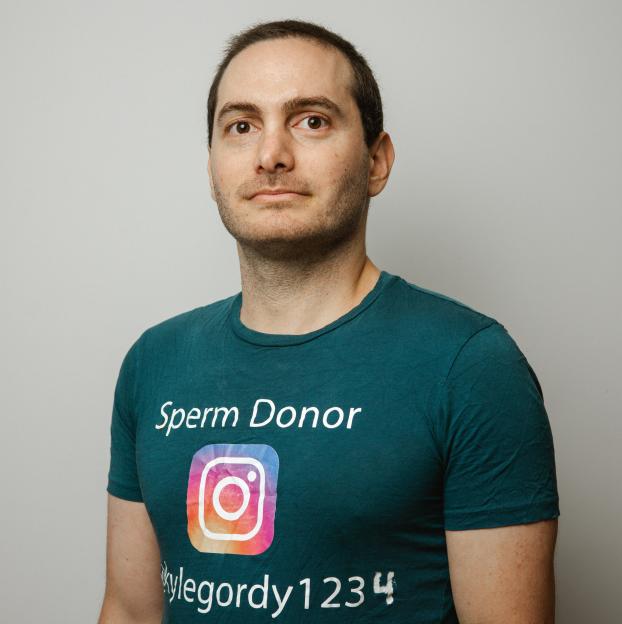 Kyle Gordy manages sperm donation groups on Facebook
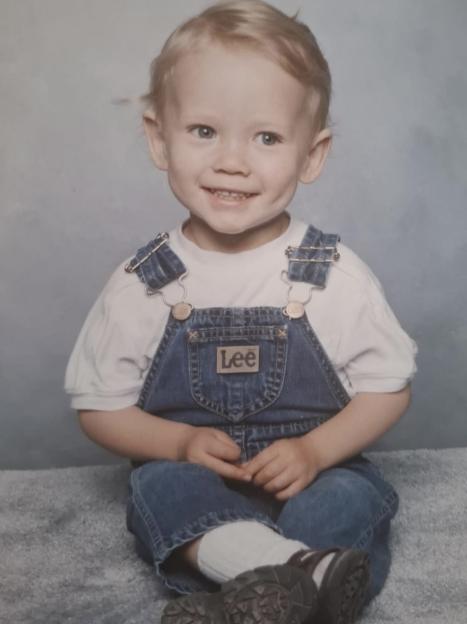 Bayen, pictured as a baby, has sired dozens of children all over the world Credit: Supplied
Bayen, who claims he was once offered up to £125,000 for his work, only charges customers for expenses.
He uses apps such as Just a Baby, where he claims to “match” with around five potential clients each day – and says he gets tested “more regularly than sperm bank donors do”.
But Bayen admitted there are dangers in the unregulated sperm market.
He told The Sun: “The spectrum of open donors is just like the spectrum of men in the dating market. There’s great men in the dating market, and then there’s terrible men, abusive men.
“There’s other things, such as donors who drink alcohol before donation, there are donors who take drugs, there are donors that are homeless.
“In the open market, if you don’t choose well… it’s like rolling a dice, but if you do choose well, if you do your research, you can find someone much better.
“The reproductive marketplace is just like the sexual marketplace, where people can make their own choices, make their own decisions, choose who to reproduce with.”
Kyle Gordy, a donor from LA who manages several donation groups, says he has fathered at least 80 children worldwide.
He warned that delivered sperm samples are usually about 50 to 60 per cent dead on arrival and there’s a risk of samples arriving infected with STDs.
Speaking to The Sun, he said: “Shipping sperm isn’t an exact science because temperatures can vary and it can die during the shipment… especially during summer. I haven’t known a woman personally that actually got infected, but I’d say there’s a small risk.”
The donor claimed that a crackdown on unlicensed sperm donors would push women to have sex with random men.
Pressed on whether women were protected in unregulated spaces, Gordy said it was the donors who were more at risk of facing false allegations of sexual assault.
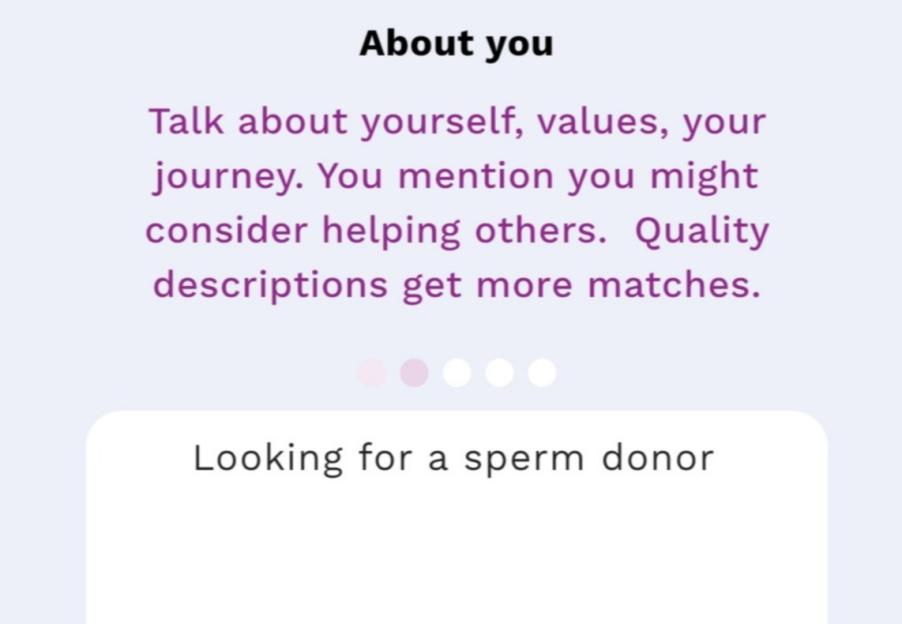 The app asks users for personal details, pictures, names and ages just like a dating app Credit: Just A Baby
In a BBC Wales investigation, a man who advertised his “baby batter” online for £100 sent a box with a frozen carton of tomato passata acting as a coolant.
The sample’s cells were dead when it was tested four hours after delivery.
The donor, Robert Albon, who claims to have fathered nearly 200 children from the UK to and Australia, was used by a judge in to warn of the dangers of unregulated sperm donation last year.
In what was described by a non-biological parent as a “horror story”, Albon took one of his clients to court, trying to seek parental rights over their child.
The Human Fertilisation and Embryology Authority (HFEA) regulates all licensed donation clinics.
But it warns that unregulated donors outside of their oversight can and have been referred to the .
Clare Ettinghausen, Director of Strategy and Corporate Affairs at HFEA, reiterated the risks of unregulated donors.
She told us: “It doesn’t matter where they come from, whether it’s from social media, or from a website, or from an app. The dangers are still the same, and they’re very clear.”
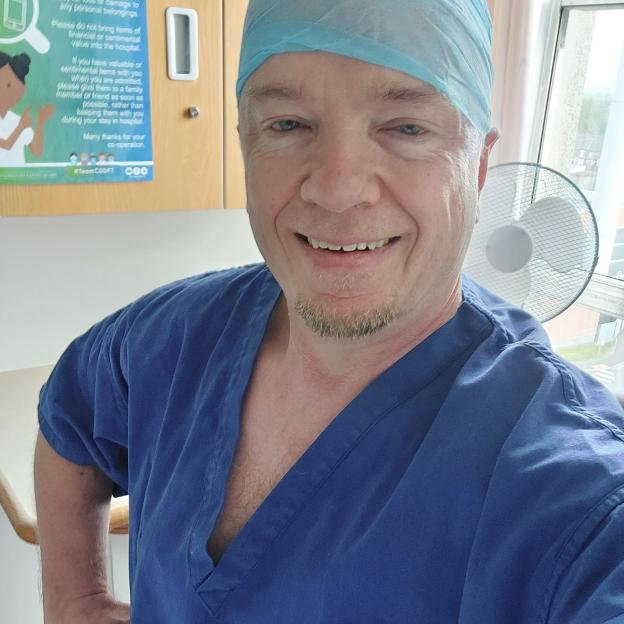 Joe Donor, real name Robert Albon, was used by a judge to warn of the dangers of unregulated sperm donation
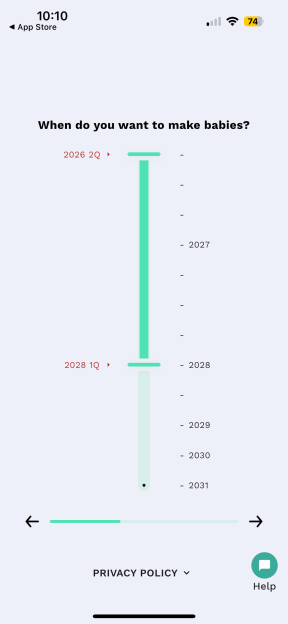 The apps match women who want babies with potential donors Credit: Just A Baby
She said a lack of screening for diseases or inherited conditions means women “don’t know what might be passed on to them that could be dangerous”.
And she warned that clients receiving sperm from abroad “have no idea” about the donor’s health history or how many children they have fathered.
Meanwhile Dr Steven Palter, founder of Gold Coast IVF in New York, also issued a stark warning on unofficial marketplaces.
The fertility expert told us: “Getting an unregulated sperm donor is like having a one night stand in a bar, you get what you get and the person doing that is not always as trustworthy.
“There’s risks of chlamydia, gonorrhoea, herpes and HIV… I have seen cases where women had done this and they ended up with a pelvic infection and scarring and infertility.”
Asked about whether he saw a difference between apps designed to match donors and Facebook groups, he said: “The whole unregulated market is, is one and the same… they all pose the same sort of risks.”
Ettinghausen added: “Some of these donors have hundreds, if not more, children from their donations, and there’s no way of monitoring that.
“There’s no way of knowing that your child may not end up having a relationship with someone who they’re genetically related to in the future.
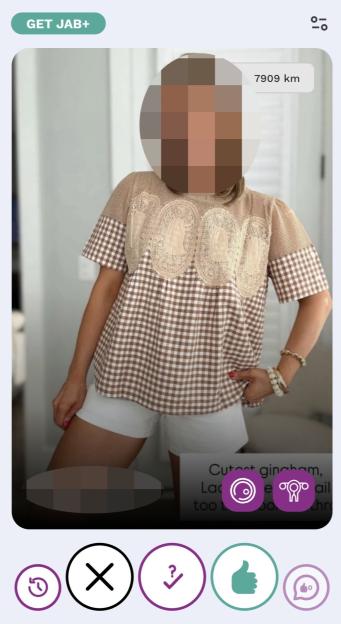 Women also advertise their eggs on the unregulated platforms Credit: Just A Baby
 One fertility expert warned getting an unregulated sperm donor ‘is like having a one night stand in a bar’ (stock) Credit: Alamy
“Thinking through the long-term consequences, what might be a free and cheap option now could have dramatic consequences for you and your child for the rest of their lives.”
She also highlighted that some donors are pressuring women into having sex.
She said: “We’re particularly concerned that these vulnerable women are often… pressurised into having sex. The donors tell them that there is a higher success rate, which factually isn’t true.”
Questioning why someone like Bayen or Gordy would want to father so many children, Dr Palter added: “You worry about some of these men, what is psychologically pushing a man to want to father hundreds of children?”
Defending unregulated sperm donations, Bayen claimed horror stories were usually the result of poor research into safe and reputable donors.
He said: “Recipients who do not do the research, who do not talk to their donor, who do not take their time, they often end up with a poor quality or low quality donor, which is a huge negative impact for their life.”
According to the BBC, Bayen allegedly sent texts to a prospective donor, highlighting plans to buy a piece of land where donor children could visit him.
Bayen allegedly told his friend it would “be a fun cult” where he would “fly in women who will get pregnant” including “top chicks… Latinas and Russians”.
He allegedly said he hoped to “sneak a couple of natural inseminations in too” – referring to having sex with a woman as a form of sperm donation.
Bayen denied the messages were written by him, instead saying they were created by one of his assistants who he had since fired.
Paul Ryan, CEO of Just a Baby, said their platform was “not a fertility clinic, sperm bank, donor agency, medical provider or gamete-handling service”.
He told The Sun: “We are a communication and matching platform. We help consenting adults who are ready to start a family find others in the same position.
“Unlike many donor Facebook groups, we don’t reduce people to donors and recipients. There is a major difference between Just a Baby and donor-run Facebook groups.
“Many of the worst stories in this space come from small donor-led communities where a handful of men advertise themselves, control the audience, build followings and turn vulnerable women into a funnel.
“Just a Baby is different. Donors do not run our platform, and in fact men are not ‘donors’ per se, they’re men… we are closer to a family-focused matching app.”
Meta told The Sun: “No one should be subjected to abuse of any kind, and we remove this content when we find it.
“We remove any language that incites or facilitates serious violence, disable accounts, and work with law enforcement when we believe that there is a genuine risk of physical harm or direct threats to public safety.
“We continue to work with women’s safety groups to understand the different ways harassment towards women can show up, while improving our technology to find and remove abuse more quickly.”
* Names have been changed