DAME Deborah James’ science laboratory will be part of a project awarded £20million by Cancer Research UK to test a new way of tackling tumours.
The at the Francis Crick Institute in London was last year named in honour of Sun writer Debs, who died of bowel cancer in 2022.
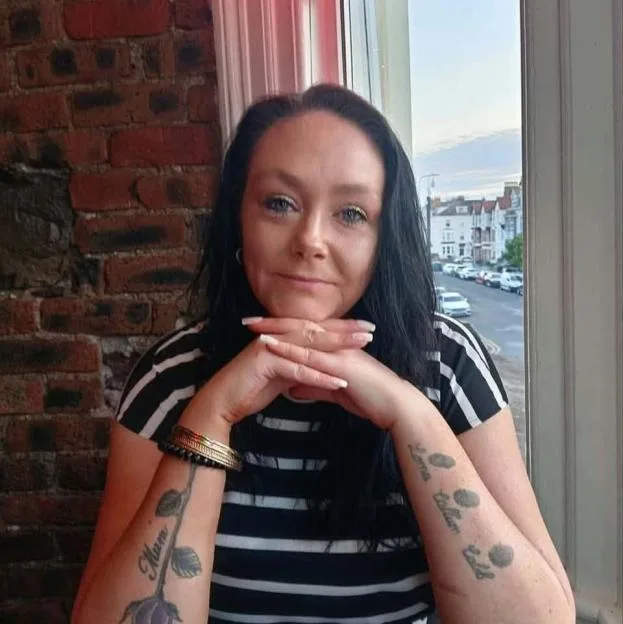
 Deborah James started a charity to raise awareness and cash for research before she died in 2022Credit: Stewart Williams
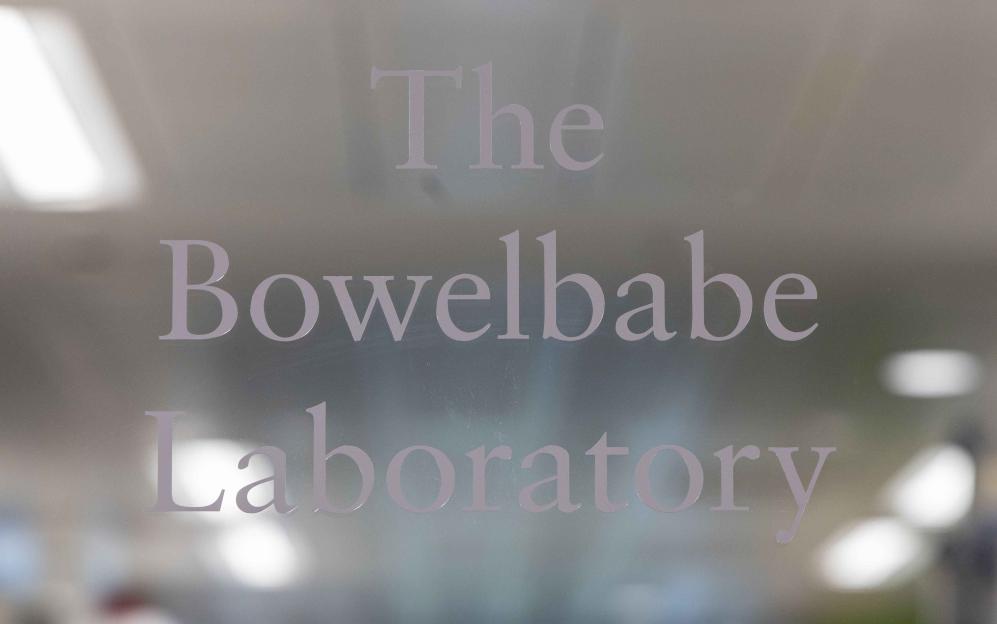 The Bowelbabe Laboratory at London’s Francis Crick Institute was named last year in honour of Debs’ campaigningCredit: Simon Jones
Now researchers there will investigate if it is possible to “hyperactivate” cells so that they go haywire and self-destruct.
Instead of the usual tactic of blocking tumour cells’ growth or starving them of energy, they want to fuel them so much that they go into overdrive.
It is hoped this could cause mutant cells to burn out and die, shrinking the cancer and preventing its .
It could be used to cope with treatment resistance, as medication often stops working in long-term treatment.
on Wednesday pledged up to £20m for the Rewire-Can study from its Cancer Grand Challenges fund.
It is also backed by the Bowelbabe Fund, the £19m charity pot managed by Debs’ family that helps to pay scientists at the London lab.
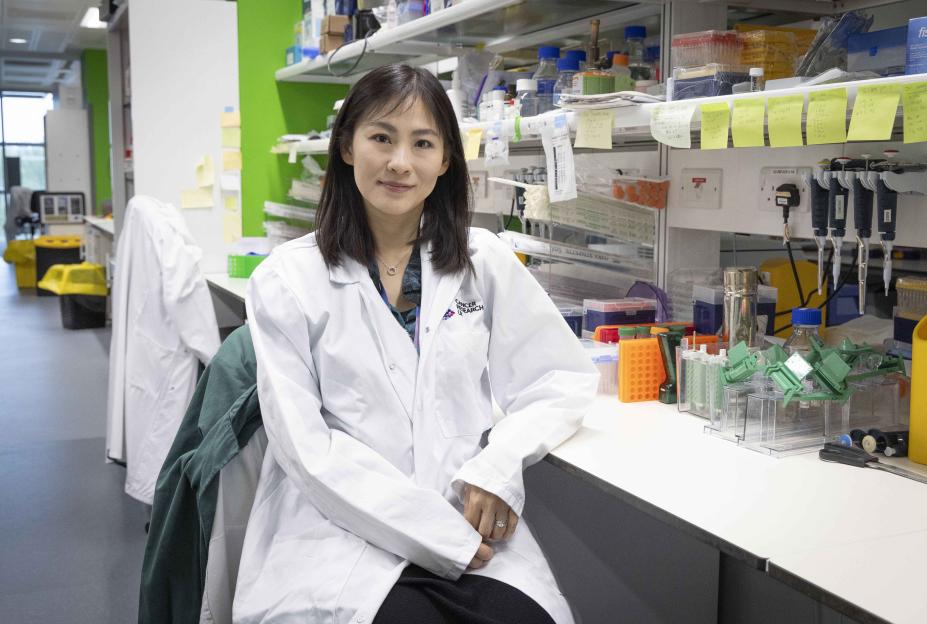 Dr Vivian Li, a scientist in the Bowelbabe Lab, will work on the cancer-killing researchCredit: Simon Jones
Proud told The Sun: “This work really spoke to us.
“Deborah was always so interested in understanding the latest developments in cancer research.
“This brings together some of the brightest minds from around the world with the aim of giving people who may have exhausted their treatment options more hope.
“We know she would have appreciated the team’s unconventional approach of forcing cancer cells into overdrive to destroy them.
“With the number of people being rising globally, and those with advanced disease being at risk of becoming resistant to treatment, the need for new therapies has never been more important.”
The treatment approach will be tested on lab-grown bowel cancers.
Other projects awarded cash from the £100m-a-year Grand Challenges fund will study , try to understand the role of mysterious “dark” proteins, and work out what triggers the DNA mutations that trigger disease.
Professor Charles Swanton, chief doctor at CRUK, said: “This year’s projects push us further into uncharted territory than ever before.
“Progress requires resilience, creativity and a boldness to confront questions that don’t yet have clear or easy answers.”
The signs of bowel cancer you need to know - remember BOWEL
- B:Bleeding
There are several possible causes of bleeding from your bottom, of blood in your poo.
Bright red blood could come from swollen blood vessels, haemorrhoids or piles, in your back passage.
Dark red or black blood could come from your bowel or stomach.
Blood in your stools is one of the key signs of bowel cancer, so it’s important to mention it to your doctor so they can investigate.
2. O: Obvious change in loo habits
It’s important to tell your GP if you have noticed any changes in your bowel habits, that lasts three weeks or longer.
It’s especially important if you have also noticed signs of blood in your poo.
You might notice you need to go to the loo more often, you might have looser stools or feel like you’re not going enough or fully emptying your bowels.
Don’t be embarrassed, your GP will have heard a lot worse! Speak up and get it checked.
3. W: Weight loss
This is less common than the other symptoms, but an important one to be aware of. If you’ve lost weight and don’t really know why, it’s worth mentioning to your GP.
You may not feel like eating, feel sick, bloated and not hungry.
4. E: Extreme tiredness
Bowel cancer that causes bleeding can cause a lack of iron in the body – anaemia. If you develop anaemia you’re likely to feel tired and your skin might look pale.
5. L: Lump or pain
As with lots of other forms of cancer, a lump or pain can be a sign of bowel cancer.
It’s most likely you’ll notice a pain or lump in your stomach or back passage.
See your GP if it doesn’t go away, or if it affects how you eat or sleep