A VIRUS that most people pick up in childhood triggered deadly bladder cancer in dad-of-two Tim Tavender.
The 51-year-old got a BK virus infection in 2015, which left him feeling like he was “constantly having the flu”.
 Tim Tavender was diagnosed with bladder cancer six years after getting a BK virus infectionCredit: Kidney Research UK
The bug usually infects children and lies dormant in the kidney for years afterwards.
But Tim, a marketing professional and amateur stand-up comedian from Southampton, caught it after having a .
Six years later he went to the doctors after noticing blood in his urine, and was handed a devastating diagnosis of – which doctors said was likely linked to his BK infection.
The dad-of-two said: “It was a terrifying experience. BK virus made me feel sub-par. It was like constantly having the flu.
“Reducing my immunosuppressants was the only way to fight it. However, that left me vulnerable to transplant rejection. I was walking a medical tightrope.
“It took four years for my immune system to fight off BK virus. Thankfully my kidney continued to function.
“However, in 2021, after noticing problems with my urine, I was diagnosed with bladder cancer.”
BK virus infections don’t have obvious symptoms – they can feel like a .
Once you’re infected, the virus lies dormant in your system but doesn’t tend to cause problems. However, it can ‘wake up’ and cause infection symptoms if your immune system isn’t working.
Being older, having or HIV – which weaken the immune system – an organ transplant or kidney surgery can all increase the risk of BK virus infection.
New research University of York – published in Science Advances – suggests the bug may trigger the type of damage that can lead to bladder cancer later in life.
Scientists say studying BK virus may be the key to preventing bladder cancer.
Observing kidney transplant recipients like Tim has already taught researchers a lot about the bug, as the patients have to take immunosuppressants to prevent the immune system from targeting their new kidney, which can allow the virus to reactivate and damage the kidneys and bladder.
The new study, led by Dr Simon Baker, conducted laboratory studies using human tissue that lines the urinary tract – known as the urothelium – which they exposed to BK virus.
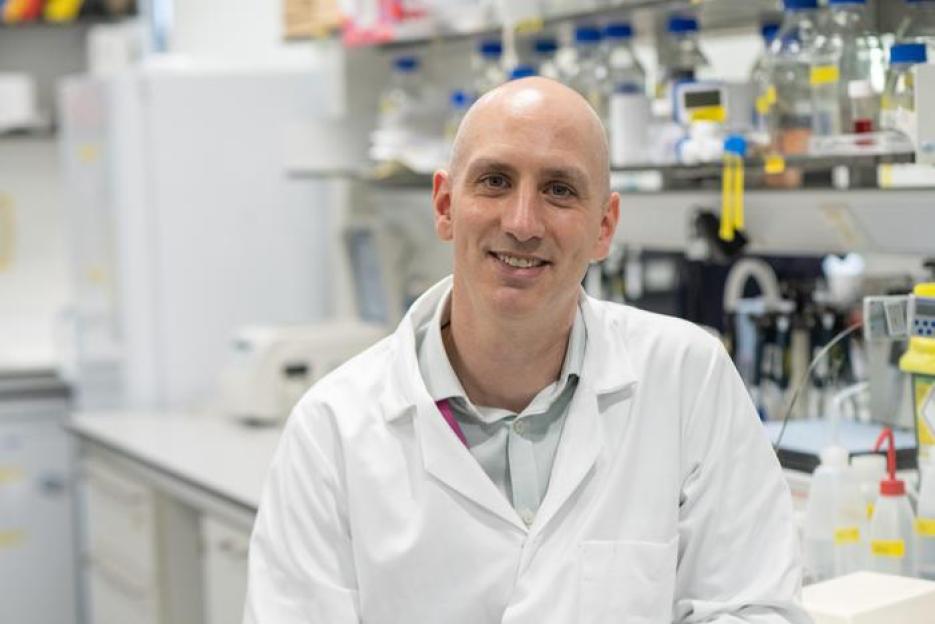 Dr Simon Baker is studying DNA from bladder cancers, like Tim’s, to understand more about the risk that BK virus posesCredit: Kidney Research UK
This exposure activated antiviral defences in the tissue and caused DNA damage.
“Friendly fire” from enzymes meant to damage the virus can cause collateral damage in the cells’ own DNA, researchers observed.
For humans, this could mean that someone’s own antiviral response to a BK virus infection can cause DNA mutations, which may lead to cancer.
Dr Baker said: “In other types of virus-related cancer, such as , we know that virus DNA combines with our own genetic material to drive tumour development.”
These findings move us closer to understanding why some people develop bladder cancer and show how tackling BK virus early could one day stop these cancers from developing at all
Dr David Crosby, Kidney Research UK
High risk strains of HPV, a common virus spread through skin-to-skin contact, can cause changes to cells over time that can turn into cervical, vulval, vaginal and anal cancer.
“Our results have shown that in the bladder, the tissue’s defensive response to [BK] virus causes DNA changes which can lead to cancer,” Dr Baker went on.
“We found that DNA damage happens not only in infected cells but also in surrounding ‘bystander cells’, witnessing infection in their neighbours.
“This is important because it might explain why most bladder cancers have no sign of the virus in them when they are diagnosed many years later.”
Tim, who underwent surgery to remove his bladder, said this new research could be “life-changing”.
“The surgery to remove my bladder took more than 13 hours and it was incredibly difficult,” he said.
“I hated it at first and felt quite down, but I’m grateful I don’t have cancer anymore and my body is working well. Seeing this research makes me hopeful.
“If scientists like Dr Baker can find new ways to control BK virus, it could spare other people from going through what I did — and that would be life-changing.”
The signs of bladder cancer you should know
There are around 10,500 new bladder cancer cases in the UK every year, according to Cancer Research.
That’s 29 every day, making it the 11th most common form of cancer in the UK.
Smoking is the single biggest risk factor for bladder cancer, causing 45 per cent of cases in the UK.
But exposure to other chemicals, including industrial, is also known to be a cause. Sometimes the cause of bladder cancer is not known.
Around six in 10 cases are in people aged 75 or over, with a steep rise in risk from age 50.
The signs of bladder cancer
- Blood in urine: This is the most common sign. It might not be obvious and may come and go. It might look like streaks of blood, or brown urine.
- A need to urinate more
- A burning sensation when passing urine
- Pelvic pain
- Bone pain
- Unintentional weight loss
- Swelling of the legs
There are around 10,000 new bladder cancer cases in the UK every year.
Current advice to prevent bladder cancer includes quitting , but the new study provides an opportunity to help prevent the cancer through spotting and controlling BK virus.
Dr Baker said: “This is a major shift in our thinking about the origins of bladder cancers.
“Because kidney transplant recipients are affected by BK virus and are over three times more likely to develop bladder cancer, we suspected that BK virus was involved, but didn’t know how.
“We can now see how BK virus may contribute to bladder cancer, in transplant recipients and the general population, and explain why tumours show no trace of the virus years later.
“It gives us motivation to seek prevention strategies for both bladder cancer and the kidney damage caused by BK virus.
“With support from Kidney Research UK and York Against Cancer, our lab is developing new ways to control BK virus.”
Dr David Crosby, chief research officer at Kidney Research UK, said the study findings had “the potential to benefit huge numbers of people”.
“These findings move us closer to understanding why some people develop bladder cancer and show how tackling BK virus early could one day stop these cancers from developing at all.
“For transplant patients, that could mean protecting both their kidney and their long-term .”