Table of Contents
- Approval of the 2026 Appropriation Bill
- Details of the Budget
- Objectives of the Budget
- Recommendations from the Committee
The Bauchi State House of Assembly has enacted the 2026 Appropriation Bill, totaling N877,052,907,900.
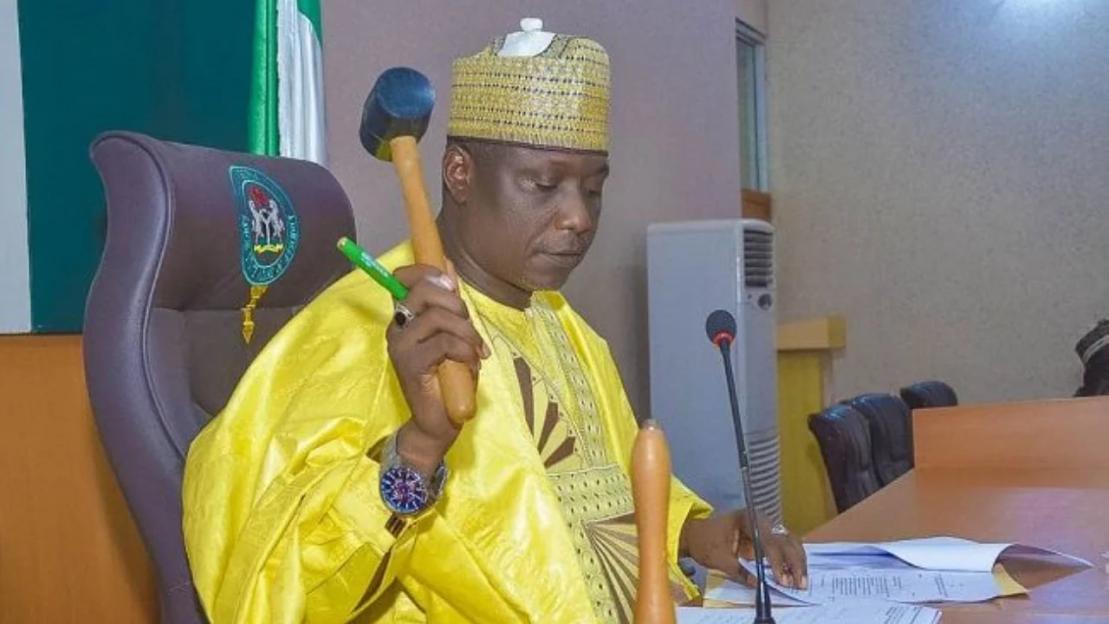
The budget received approval on Tuesday after the House Committee on Appropriation, led by Wanzam Mohammed, presented a report during a plenary session overseen by Speaker Abubakar Sulaiman.
During the report presentation, Mohammed revealed that N308.7 billion, which constitutes 35.20 percent of the overall budget, has been allocated for recurrent expenditure, while N568.3 billion has been designated for capital projects.
He elaborated that the 2026 budget aims to enhance infrastructure development, improve social service delivery, and foster sustainable economic growth throughout Bauchi State.
The committee also praised the state government for implementing significant fiscal reforms, including the creation of a Fiscal Services Commission, capacity building related to the new budget framework, and the introduction of measures to prevent extra-budgetary spending.
Among its other recommendations, the House urged for the prompt release of funds to Ministries, Departments, and Agencies (MDAs), and advocated for the enhancement of audit and procurement processes to promote transparency, accountability, and effective budget execution.
Frequently Asked Questions
What is the total amount of the 2026 Appropriation Bill passed by the Bauchi State House of Assembly?
The total amount of the 2026 Appropriation Bill is N877,052,907,900.
What percentage of the budget is allocated for recurrent expenditure?
35.20 percent of the total budget is allocated for recurrent expenditure, which amounts to N308.7 billion.
What are the main objectives of the 2026 budget?
The main objectives of the 2026 budget are to accelerate infrastructure development, improve social service delivery, and stimulate sustainable economic growth in Bauchi State.
What recommendations did the committee make regarding the budget implementation?
The committee recommended the timely release of funds to Ministries, Departments, and Agencies (MDAs) and called for the strengthening of audit and procurement processes to enhance transparency and accountability in budget implementation.