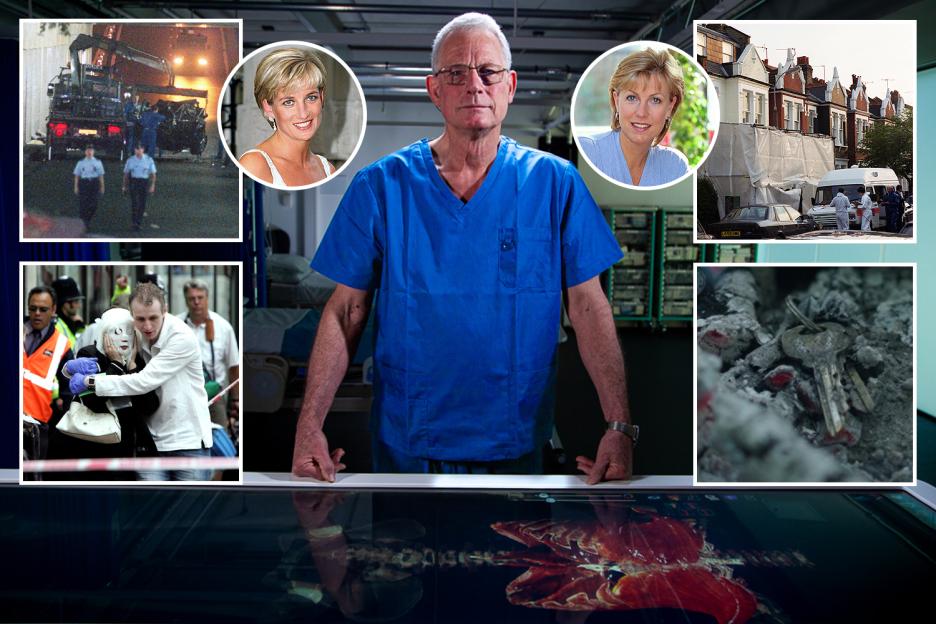
LOOKING back over his decades at the mortuary table, Dr Richard Shepherd says the biggest lesson of all is simple: the dead never lie.
Having conducted over 23,000 autopsies, the leading forensic pathologist has spent his career combing over the deceased for morbid clues about their final moments. Now, he is revealing the infamous tragedies that have stuck with him – and what the smallest signs on a body really tell you.
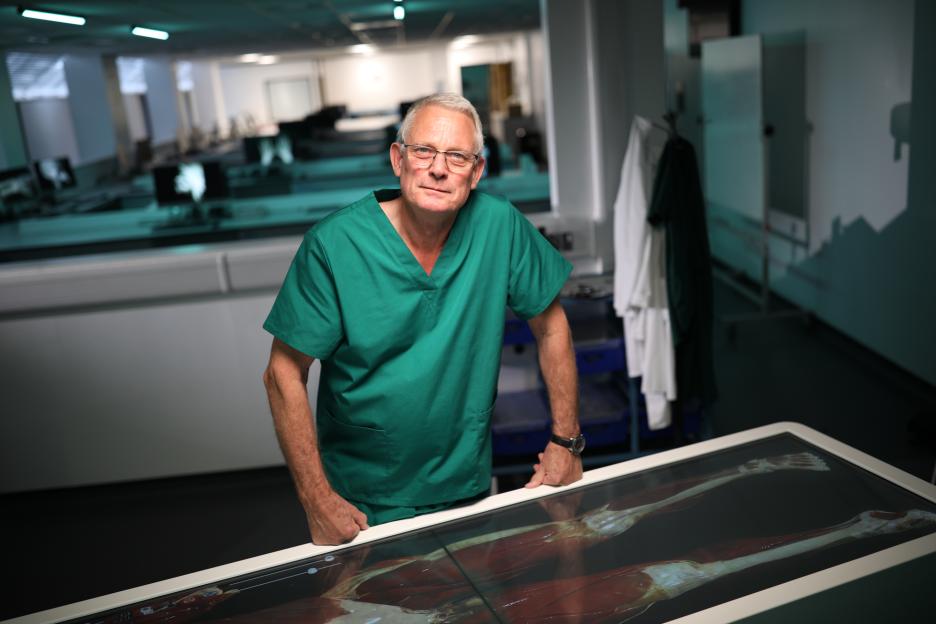 Dr Richard Shepherd has worked on some of the biggest tragedies of recent decadesCredit: Yeti Television / BBC Cymru Wales
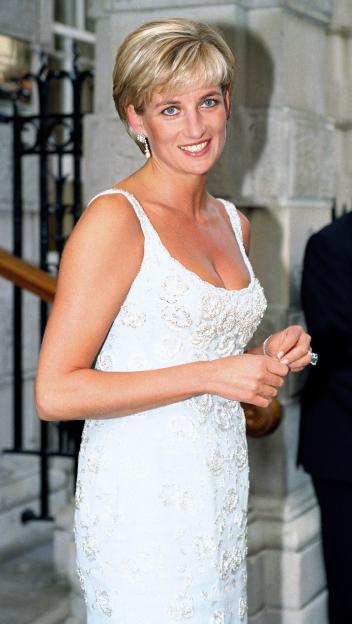 He was involved in a 2004 review of Princess Diana’s deathCredit: Getty
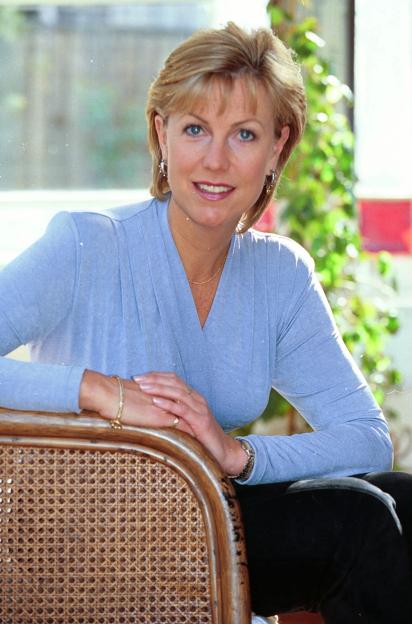 The forensic pathologist also worked on the death of Jill DandoCredit: Rex Features
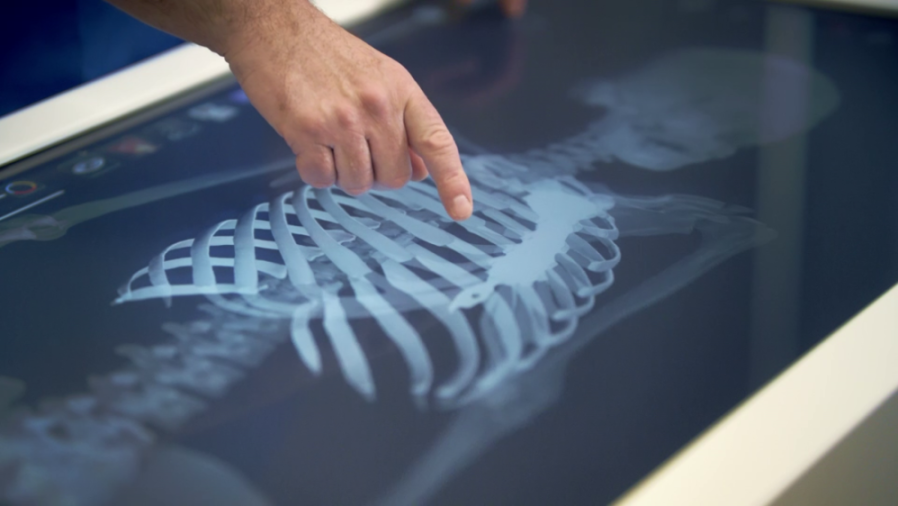 Over the years, Dr Shepherd has seen bodies mutilated in the most extreme ways in attempts to destroy evidenceCredit: Yeti Television / BBC Cymru Wales
Often described as a “detective” of forensic pathology, Dr Shepherd’s most high-profile cases include the , the 9/11 attacks, the deaths of , and , and the 2002 Bali bombings.
Now aged 73 and still carrying out post-mortems, he is presenting a new six-part true-crime series, The Truth About My Murder.
“There are so many things the dead can tell us,” Dr Shepherd says. “If you know the language you can understand the patterns. You can read their story.
“They can tell us about natural causes but they can also tell us about injuries. Are they new or old? Are they bites or bruises? Are they self-inflicted or caused by someone else?”
For Shepherd, every body is a record waiting to be read, and over the decades he has noted changing trends in the deaths he has studied.
In modern times, for instance, he has seen more deaths linked directly to weight, with a rising number of “morbidly obese” bodies delivered to his table.
Conversely, Dr Shepherd says he now sees far less fatal trauma at the roadside.
“I’m seeing much less road traffic trauma, not perhaps because there are less road traffic accidents, but because people are being protected by air bags and seat belts things are much better,” he says.
In undoubtedly the most notorious road death case of his career, Dr Shepherd was involved in a 2004 review of Princess Diana’s Paris crash in August 1997.
The review concluded that she died as a result of severe chest injuries sustained in the collision, including catastrophic internal bleeding.
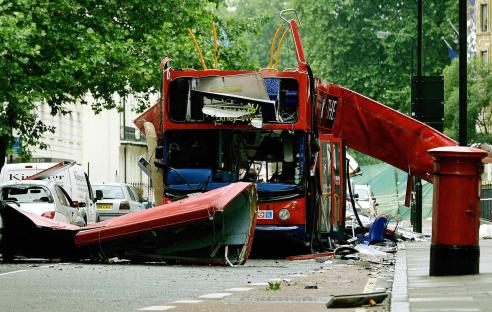 Dr Shepherd was called in following the aftermath of the 7/7 terror attacksCredit: AFP
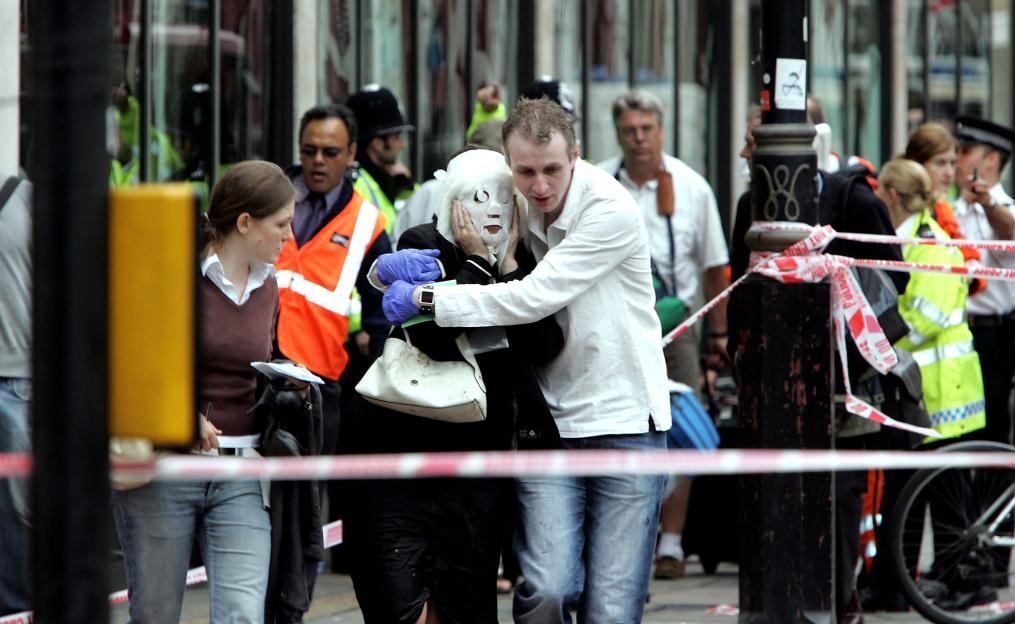 Emergency services assist evacuated passengers at Edgware Road following the 7/7 bombings in LondonCredit: Getty
The driver, Henri Paul, was over the legal drink-drive limit.
Trevor Rees-Jones, Diana’s bodyguard, survived because he’d put his seat belt on.
“Depressingly, for a life lived so amazingly, [Diana] could so easily have walked away from that accident,” Dr Shepherd says.
“People do not die in those Mercedes. These are incredibly safe vehicles, even at 70 miles an hour.
“If Diana had got her seat belt on, I believe she would have walked out of that car and that is the tragedy,” he says.
“At signings of my book, people would often say to me ‘but are you sure? Are you positive?’ and I am.”
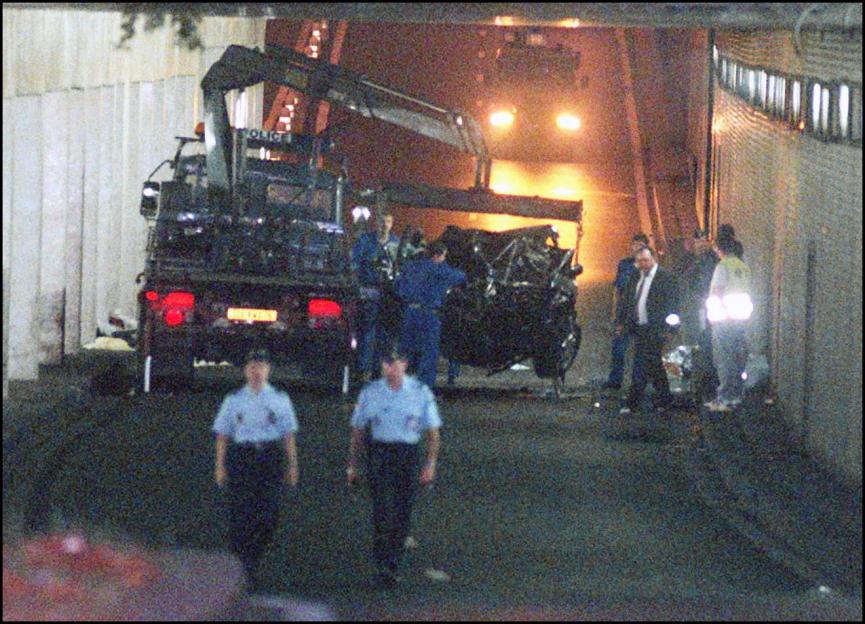 The wreckage of Princess Diana’s car is lifted on a truck in the Alma tunnel of ParisCredit: AFP – Getty
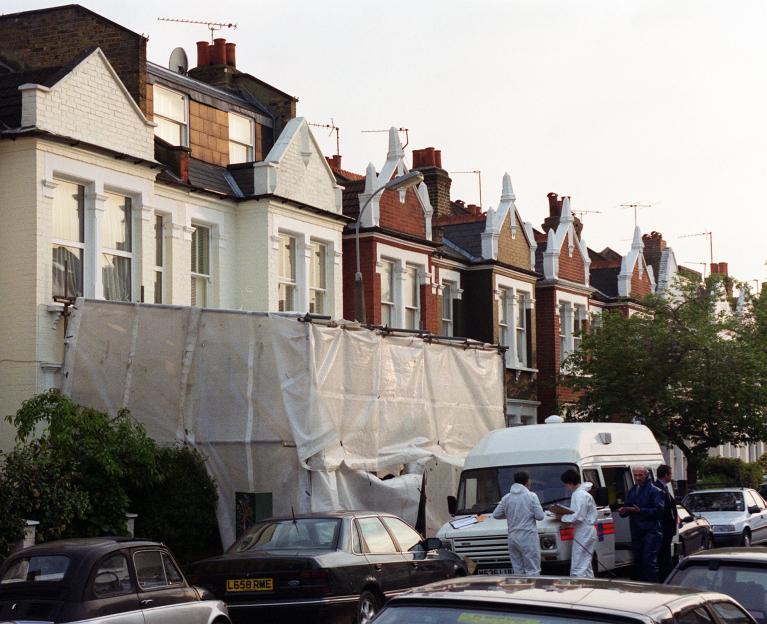 Forensics teams at the home of TV presenter Jill Dando, who was murdered on her doorstepCredit: PA:Press Association
Bodies put through wood chippers
Over the years, Dr Shepherd has seen bodies mutilated in the most extreme attempts to conceal identity and destroy evidence.
“I’ve seen people put through wood-chipping machines, and I’ve seen people thrown away in parts,” he admits.
But he says reality rarely matches the intention.
“It’s actually very difficult to dismember the human body. It’s hard, physical work.
“If you start off with a kitchen knife and come across a human femur (thighbone) you’re simply not going to be able to do it.”
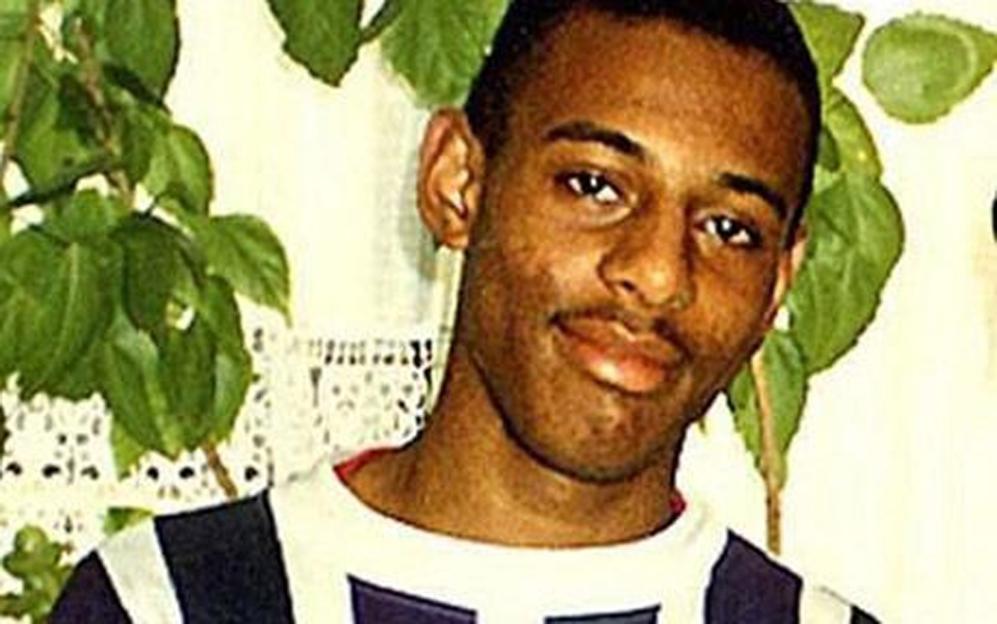 Stephen Lawrence was just 18 when he was murdered in 1993Credit: Getty
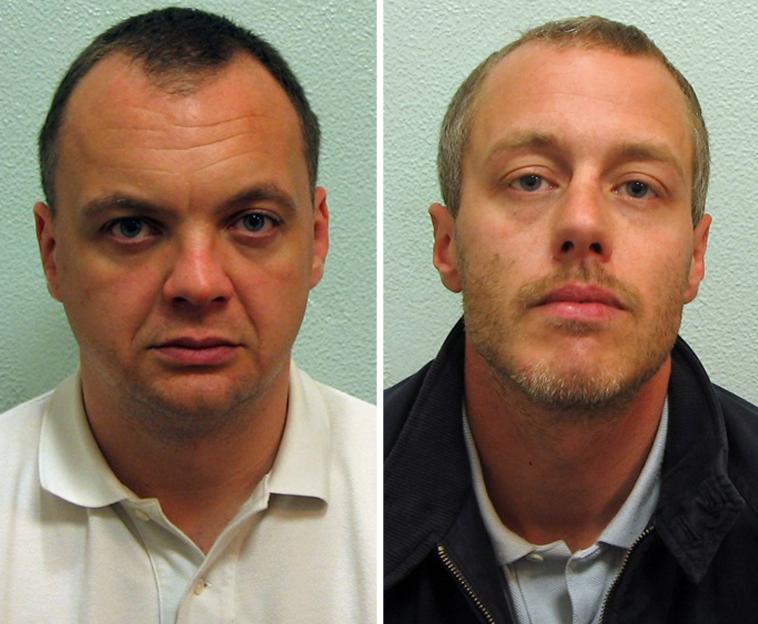 Gary Dobson and David Norris were convicted of murdering teenager StephenCredit: AFP
Time is on the pathologist’s side.
“We can, slowly and with time, reconstruct these people,” he says. “DNA, of course, is the huge game changer in my career, because if you have the link, you can work out who the person was.
“But even before that, reconstructing the body, putting it back together, has always been a fantastically powerful tool.”
“The hardest ones to work on are fire-related deaths, because once the individual is dead, the fire continues to cause damage,” he adds.
“It hides ID and it hides any injuries that might have been present and just makes it more difficult when there is damage that continues after death.
The families have to understand what has happened
Dr Shepherd
“People also don’t realise how easy it is to kill someone with a knife.
“Testosterone and knives and alcohol are such a bad, bad mix, and it is so easy to put a knife with a point into someone. Maybe you intend to hurt, maybe you don’t. But eight times out of ten you cause a serious injury or death, and it’s just so tragic.”
Teenager Stephen Lawrence, who Dr Shepherd performed the autopsy on, was stabbed twice.
“That’s the thing about stab wounds, you know, a millimetre, one way or the other, can make all of the difference to survival,” he says.
“I’ve seen hundreds of young men stabbed to death over my career and it is so tragic.”
Painstaking case
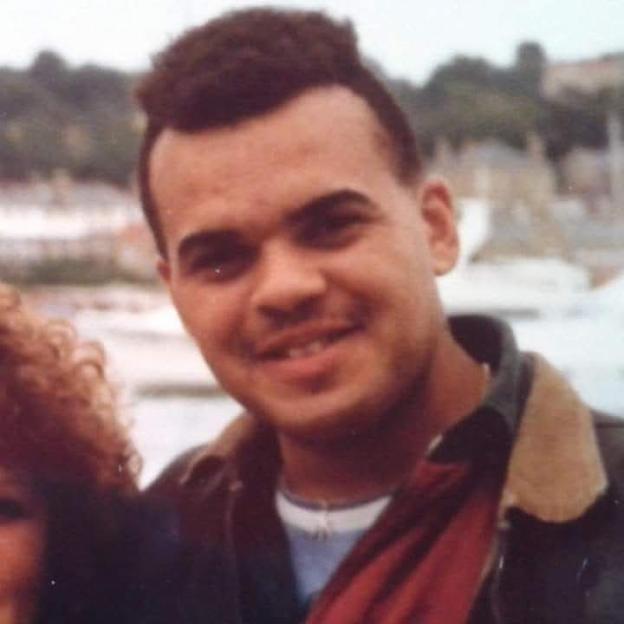 Tyrone France was 26 when he was murderedCredit: The Family of Tryone France
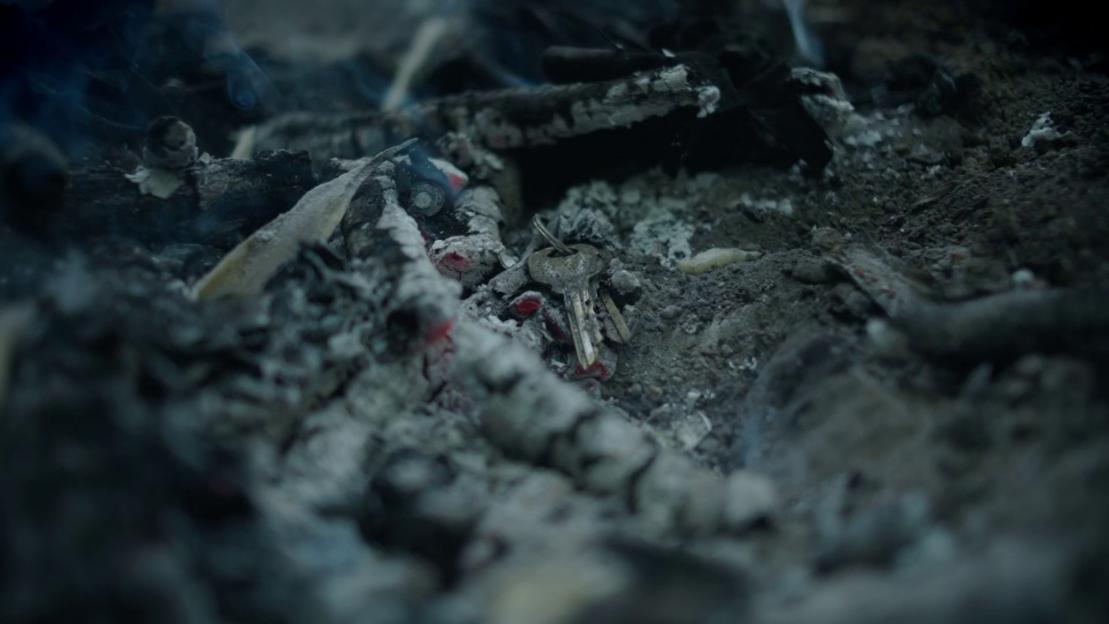 Hundreds of bone fragments found in the remains of a fire tested pathology to its limitsCredit: Yeti Television / BBC Cymru Wales
Episode one of The Truth About My Murder, Bones in the Forest, focuses on the 1996 murder of Tyrone , whose remains were discovered in Wentwood Forest near Newport in south .
What police initially found was not a body, but the remnants of a fire – including teeth, spent bullets and 343 small fragments of bone.
Many of the fragments were from the femur, the largest bone in the body, which had been shattered by gunfire and fire damage.
By painstakingly reconstructing the bone, pathologists were able to estimate the victim’s height and sex, giving police their first crucial lead.
It eventually led to the solving of a gangland-style killing that saw two men, Simon Spring and Jason Preece, found guilty of murder and sentenced to life in prison. A third man, Dylan Watcyns, was sentenced to seven years for manslaughter.
The documentary series uses a state-of-the-art digital anatomy table to show how wounds were inflicted and to show how those murdered really died.
“If we have a femur or a humerus and it’s whole, then we can begin to get a height range,” Dr Shepherd says.
“DNA won’t tell you height, but it will give you the match if you get the person.”
People also don’t realise how easy it is to kill someone with a knife
Dr Shepherd
Despite the gory nature of his job, it’s become a lifelong passion.
“I do it because people may often go, ‘oh, how disgusting. How can you cut up dead bodies? What a terrible thing to do’,” he says.
“Superficially, I can completely relate to that. Yet, what we learn from doing, in terms of natural deaths, can be really important.
“The other day, we diagnosed someone had Legionnaire disease in a nursing home and that’s important because it has huge implications for everyone else in the nursing home, potentially.
“And the first cases of Covid were diagnosed by a pathologist saying, ‘this is different. This is unusual.’ So we can really have this public health thing.
“But always, I keep coming back to the families. The most important people in all of these cases are the families. The families have to understand what has happened.
“One thing I learned way, way back in my medical student days, actually, when we had obstetric problems, is that families would always fantasize the worst of everything. People almost always imagine the worst.
“The truth might be pretty bloody awful, but at least it’s solid and isn’t going to shift, and that’s what we try to get to.
“I will tell you the truth and explain it to you as best as I can.
“To communicate that with the families, they have to understand it, and they have to have the opportunity to come back and ask more questions, and more questions, so that they can cope and come through this grieving process much better.”
The Truth About My Murder is available to watch on BBC One Wales and BBC iPlayer from tonight.
 Dr Richard Shepherd has told the story of his incredible career in a book