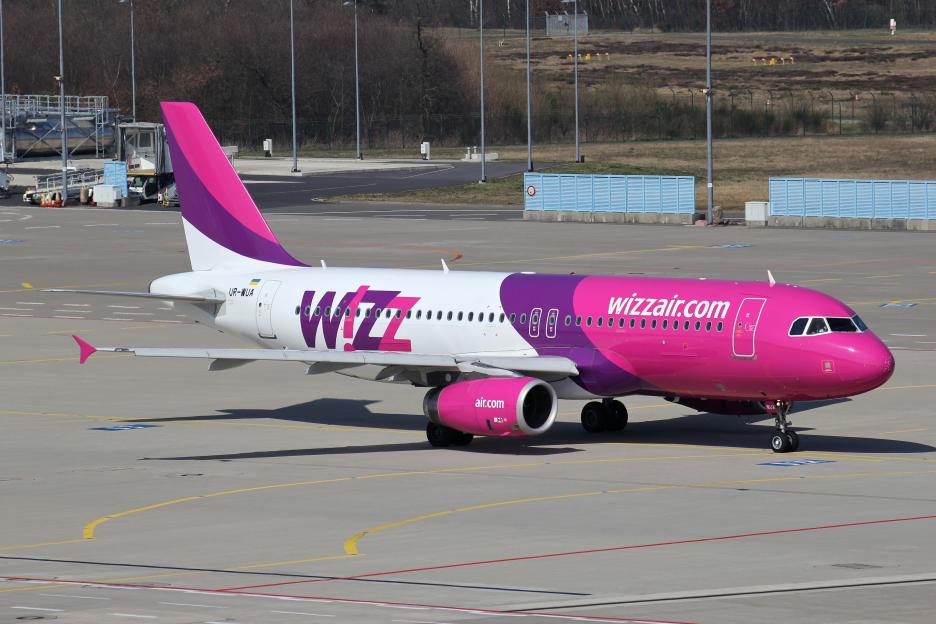
A WIZZ Air flight carrying 162 passengers was two seconds away from disaster after the pilots failed to adjust the plane’s computer settings during take off.
The Athens-bound jet was only 13ft above ground when it cleared the runway at Luton airport on April 22 last year, far below the required 38ft of clearance.
 CCTV images show the aircraft involved in the incident, above, compared with a regular departure Credit: CCTV
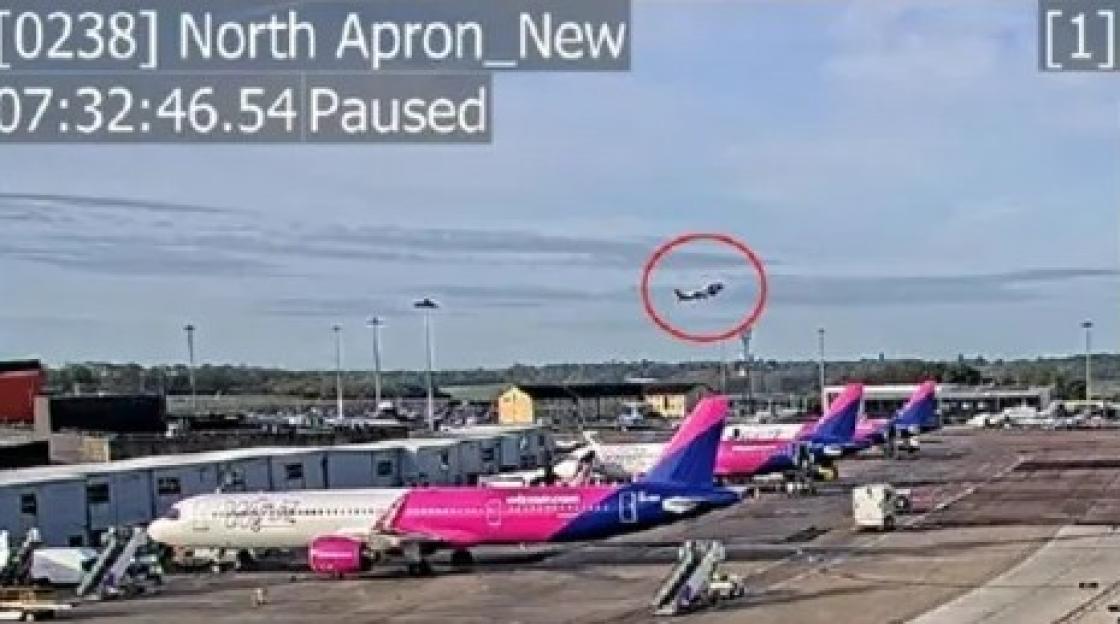 The height of a plane compared to a regular departure Credit: CCTV
Flight 4511 lifted off with only 177 yards of runway to spare, an investigation from the Air Accidents Investigation Branch (AAIB) has found.
The pilots of the Boeing 737-800 plane failed to change the settings on the flight management computer after after being asked to take off from an intersection on the runway, rather than use its full length.
Pilots enter the thrust settings into the plane’s computer to ensure the aircraft has sufficient runway in case it needs to stop because of a failure.
The settings also mean the minimum height to clear obstacles at the end of the runway is reached.
Luton Airport air traffic control gave the plane a shortcut after it left the terminal meaning it took off part-way down the runway.
The report said: “A change from the planned departure point led to the aircraft taking off with an incorrect power setting.”
While the pilots “believed they had updated the V speeds in the Flight Management Computer to the correct values” the AAIB found the values were incorrect.
The essential V speed calculations are used to ensure the aircraft lifts off before the end of the runway.
The report published by the the AAIB found this resulted in the maximum amount of thrust being lower than required based on the available distance.
“This resulted in a lower power setting than required, and a long take-off roll and slow climb-out” it said.
CCTV images show the aircraft was so low after take-off it can barely be made out amongst buildings parked jets.
The AAIB added: “If the aircraft had suffered a loss of thrust during take-off, there was a potential that it would not have been able to stop on the remaining paved surface following a decision to reject the take-off or, alternatively, achieve minimum height clearances during departure following a decision to continue the take-off.”
Wizz Air sometimes opts for reduced-power offs on longer runways to save on wear and tear and fuel.
Engine power is increased when a shorter “intersection departure” is used.
The flight was operated by the now-defunct charter airline Ascend Airways on Wizz Air’s behalf.
The 61-year-old pilot in command had completed at least 10,000 hours flying.
Analysis of FlightRadar24 suggests the plane was travelling at 168mph and therefore was just two seconds away from running out of tarmac.
The tracking site also showed the plane continued it’s flight and landed normally in Athens before carrying out a further three trips that day.
A Wizz Air spokesman said: “Wizz Air confirms that the flight referenced in the AAIB bulletin of July 9, 2026, was operated under a charter arrangement connected to Wizz Air UK.
“Safety is, and always remains, Wizz Air’s highest priority. Following the event, the matter was reviewed with the operating airline.
“Wizz Air notes the publication of the latest AAIB bulletin and remains committed to safety.”